16 Items You Should Never Flush Down Your Toilet
A toilet is designed to carry away human waste and toilet paper—not to serve as a convenient household bin. Flushing unsuitable objects can lead to stubborn clogs, plumbing repairs and environmental harm farther along the wastewater system.
These 16 things you should never flush include everyday bathroom products, chemicals, medicines and even small items that may appear harmless. When in doubt, follow a simple rule: only flush pee, poo and toilet paper.
Wet Wipes That Can Block Your Pipes
Wet wipes are one of the most common sources of confusion because they may look and feel similar to damp toilet paper. However, many wipes are made to stay strong while wet, so they may not break apart quickly enough after flushing. They can collect inside pipes and combine with other waste to create a blockage.
Before flushing any wipe, check the packaging for a recognised fine-to-flush label. Do not assume that every product described as biodegradable or flushable is suitable for your plumbing.
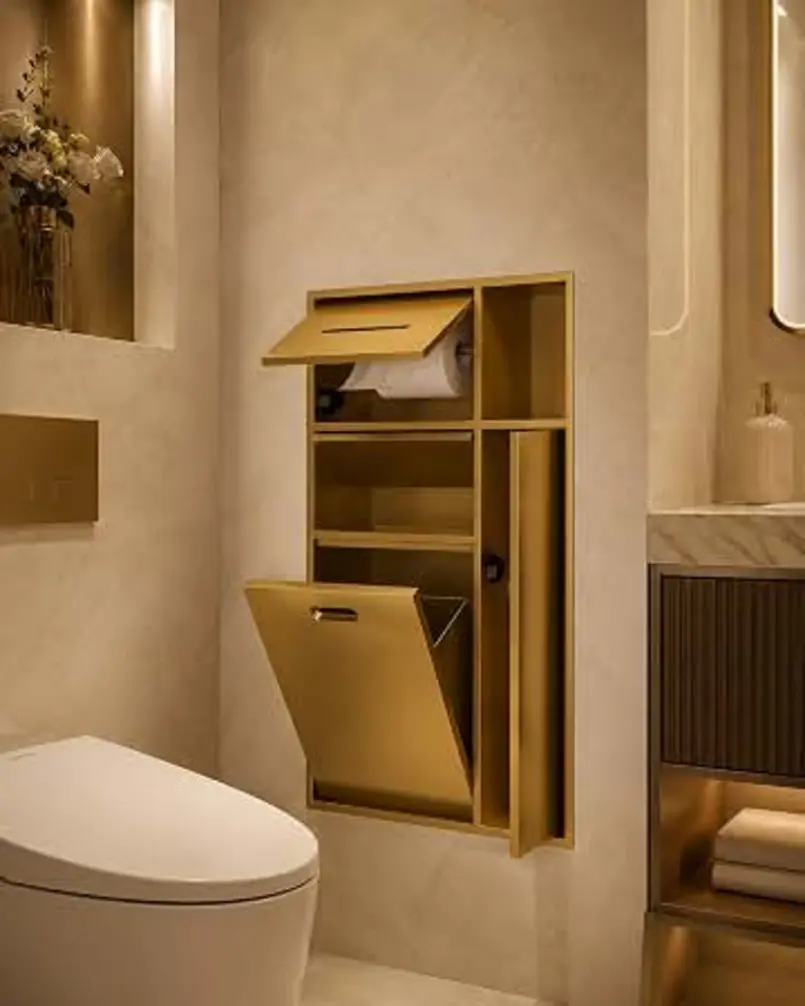
Cleaning, cosmetic and baby wipes should generally go in the rubbish bin, especially if they contain chemicals or have no recognised flushing certification. Keeping a small covered bin beside the toilet makes correct disposal quick and convenient.
Bleach and Harsh Cleaning Chemicals
Pouring unwanted bleach or other harsh cleaning chemicals into the toilet can introduce harmful substances into wastewater. Although toilet cleaners are commonly used as directed, the toilet should not become a disposal route for leftover bottles or unidentified chemicals.
Use each cleaning product according to its label, and never flush large quantities simply to get rid of them. Your local authority may provide advice about disposing of unwanted household chemicals safely.
For routine bathroom cleaning, bicarbonate of soda and vinegar can be useful natural alternatives in appropriate applications. Always check that a cleaning method is suitable for the toilet or surface concerned. Avoid casually combining cleaning products, since different formulas may react with one another.
Dead Fish
Flushing a dead pet fish may seem like a simple or symbolic way to say goodbye, but a toilet is not designed to handle animal remains. The fish may become caught in the toilet trap or drainage pipe and contribute to a clog.
Instead, place the fish in a suitable sealed bag or container before putting it in the rubbish, following any local waste guidance. Burial may also be an option where it is permitted and can be done safely.
These choices may feel less convenient, but they prevent an upsetting event from turning into a plumbing problem. Fish, regardless of size, should never be treated as flushable waste.
Sanitary Products and Nappies
Sanitary towels, tampons and nappies are highly absorbent. That feature makes them useful, but it also makes them unsuitable for toilets. Rather than breaking down like toilet paper, they can retain liquid, swell and lodge inside plumbing.
Nappies are particularly likely to expand in pipes. Even if one appears to disappear after flushing, it may remain farther along the drainage system and contribute to a more serious blockage.
Wrap used sanitary products and nappies as needed, then place them in a rubbish bin. A lidded bathroom bin can make disposal more hygienic and discreet. Product packaging may also provide specific disposal instructions. Never rely on repeated flushing to force an absorbent item through the system.
Cotton Wool and Cotton Buds
Cotton wool, cotton pads and cotton buds should go in the bin rather than the toilet. Cotton wool does not disintegrate like toilet paper, and some cotton-based products contain plastic or other non-biodegradable materials. As a result, they can remain in the drainage or wastewater system for a long time.
Cotton buds are especially easy to flush accidentally because they are small. However, their narrow shape allows them to become lodged or tangled with hair, wipes and other debris.
After removing makeup, cleaning a wound or using cotton buds, put the waste directly into a bathroom bin. This small habit helps protect your pipes and reduces the chance of plastic-containing items entering the wider environment.
Human and Pet Hair
Hair does not dissolve in water. Loose strands can gather together, become tangled around other materials and gradually form a difficult clog. Both human hair and pet fur can create this problem.
Avoid dropping hair from a brush, shower drain or pet-grooming tool into the toilet. People sometimes assume that a small clump will pass through without trouble, but repeated disposal can create a build-up over time.
Collect loose hair and place it in the rubbish instead. When grooming a pet, sweeping or vacuuming the area before cleaning the bathroom can prevent fur from reaching the toilet. Drain guards can also help capture hair in showers and basins so it can be binned.
Unused or Expired Medicines
Do not flush unwanted tablets, capsules, liquid medicines or other medication. Pharmaceutical ingredients can enter wastewater and may contribute to pollution of water supplies and the wider aquatic environment.
The safest option is to take unused or expired medication to a local pharmacy. Pharmacy staff can arrange appropriate disposal and may offer guidance about items requiring special handling. Keep medicines in their original packaging when possible, but remove or obscure personal details where appropriate.
Until you can return them, store unwanted medicines securely and away from children or pets. Do not pour liquid medicine down a sink or toilet unless a pharmacist or the product’s official disposal instructions specifically direct you to do so.
Cigarette Ends
Cigarette ends are small, but that does not make them harmless or flushable. Used filters can contain chemical residues from smoking, and these substances may enter wastewater when cigarette butts are put down a toilet.
Once in the water system, discarded ends can create litter and present a potential hazard to aquatic life. Their filters also do not break down in the same way as toilet paper.
Make sure a cigarette is fully extinguished and cold before disposing of it safely in the rubbish. An appropriate ashtray provides a better temporary location than the toilet bowl. Never use the toilet as an ashtray, even if flushing appears to remove the cigarette end immediately.
Cat Litter and Cat Waste
Cat litter is designed to absorb moisture, and many varieties form clumps. These properties can cause the material to swell or collect inside plumbing, resulting in a blocked toilet or pipe. Packaging that describes litter as natural does not automatically mean that it is safe to flush.
Cat faeces also presents an additional concern because it may carry the parasite associated with toxoplasmosis. Flushing it can introduce that biological material into wastewater.
Scoop used litter and waste into a suitable bag, seal it and place it in the rubbish according to local disposal guidance. Do not flush litter from a tray, even in small portions. Washing an empty tray should only take place after all solid litter has been removed.
Facial Tissues and Kitchen Paper Towels
Facial tissues and kitchen paper may resemble toilet paper, but they are manufactured for different purposes. Tissues are intended to remain intact during use, while paper towels are made to absorb liquid without immediately falling apart.
That added strength means they may not break down properly in the toilet. Several sheets can gather in a bend, restrict the flow and contribute to an overflowing or clogged toilet.
Put used tissues and paper towels in the rubbish. If toilet paper is temporarily unavailable, any substitute used should still be binned rather than flushed. This applies even to a single strong kitchen towel, which can be much more resistant to water than it looks.
Adhesive Plasters
An adhesive plaster may be small enough to disappear with one flush, but it can still contribute to a blockage. Its sticky surface may attach to pipework or other waste, while the absorbent pad and flexible backing do not break apart like toilet paper.
Used plasters should be folded or wrapped if necessary and placed in the rubbish. Keeping a bin near the sink or shower can stop them from being left on wet surfaces and later knocked into the toilet.
The same principle applies to backing strips and wrappers from new plasters. None of these materials belong in the drainage system, regardless of their size.
Chewing Gum
Chewing gum does not dissolve in toilet water. Because it stays sticky, it can attach to surfaces or become caught among hair, wipes and other debris in a drainage pipe.
Flushing gum may seem tidier than leaving it in an open bin, but it only moves the problem out of sight. It can remain in the system and add to a developing obstruction.
Wrap used chewing gum in paper or its original wrapper and place it in the rubbish. Avoid sticking it to the side of a bin or another surface, as this makes disposal harder for whoever empties it. The toilet, sink and shower drain are all unsuitable places for gum.
Condoms
Condoms are designed to be durable and retain their shape during use. Their material does not dissolve in water or disintegrate like toilet paper, so a flushed condom may remain in the toilet trap, clog a pipe or travel through the wastewater system.
Because condoms may float or catch on other waste, one that disappears from the bowl has not necessarily passed safely through the drainage network. Attempting to flush it again can simply push it towards a harder-to-reach blockage.
Tie or wrap a used condom as appropriate, place it in a small bag or tissue, and dispose of it in the rubbish. Do not flush condoms or their wrappers.
Dental Floss
Dental floss is thin, but its string-like form makes it a plumbing hazard. It can wrap around other discarded materials and help bind wipes, hair and paper into a larger clog. It is also not designed to dissolve in water.
After flossing, wind the used strand into a small bundle and put it in the rubbish. Do not drop it into the toilet or wash it down the basin. Floss picks should also be binned because they contain a rigid handle as well as the flossing strand.
Reports of blockages involving floss and cotton buds are a useful reminder that an item does not have to be large to cause trouble.
Food Scraps
Toilets cannot process food in the same way they handle toilet paper. Scraps may remain solid, collect inside bends and contribute to pipe blockages. Food left in the plumbing can also create unpleasant smells.
Even small quantities are best kept out of the toilet. While it can be frustrating when a toilet cannot carry away what looks like a soft or minor scrap, repeated flushing is not a safe solution. Oily foods, peelings, leftovers and other kitchen waste all belong elsewhere.
Use a food-waste collection service where available, compost suitable scraps, or place them in the appropriate rubbish bin. Clear plates into the correct container before washing them.
Makeup and Cosmetics
Makeup and cosmetics should not be emptied into the toilet. Thick products can settle or combine with other waste, potentially contributing to blockages. Cosmetic formulas may also contain chemicals that should not be introduced unnecessarily into the water supply.
Wipe small amounts of residual product from containers and place the used material in the rubbish. For larger quantities of unwanted cosmetics, check the packaging and follow local waste or recycling guidance. Some containers may need to be cleaned before recycling, while pumps, mirrors and mixed materials may require separation.
Keeping a cosmetic-waste bin near a dressing table or bathroom unit can prevent accidental flushing. As with every item on this list, proper disposal protects both household plumbing and the environment.