7 Practical Ideas for Improving a Bathroom Without a Window
A bathroom without a window can feel dark, enclosed and difficult to keep fresh. Moisture also has fewer ways to escape, making ventilation and regular upkeep especially important. However, a few thoughtful changes can create a brighter, cleaner and more inviting room without requiring a major renovation.
These 7 top tips for bathrooms without a window focus on practical ways to control condensation, reflect artificial light and make better use of the available space.
1. Improve Ventilation with an Extractor Fan
An extractor fan is one of the most important features in a bathroom without a window. Bathing and showering release moisture into the air, and without natural ventilation, that moisture can remain in the room and settle on walls, ceilings, mirrors and fittings.
A suitable extractor fan helps clear this moisture build-up. Regular use can reduce persistent condensation and help prevent the conditions in which mould is likely to develop.
For convenient everyday use, consider connecting the fan to the bathroom light. This means it will switch on whenever someone enters and turns on the light, making it less likely that ventilation will be forgotten. Depending on the installation, the fan may also be set to continue running for a period after the light is switched off.
Use the extractor fan:
- While showering or bathing
- After using hot water
- When mirrors and surfaces begin to mist
- After cleaning with water
- Whenever the bathroom feels damp or humid
The fan must also be kept clean enough to work properly. Dust can collect around the cover, so include it in your normal bathroom-cleaning routine. Always follow the manufacturer’s care instructions and arrange professional help if the fan appears damaged or stops extracting air effectively.
Extractor fans do not last indefinitely. If yours is around ten years old, it may be worth considering a replacement, particularly if it has become noisy or seems less effective than before. A newer, properly working fan can make moisture management much easier in a completely enclosed bathroom.
2. Maintain a Clean, Uncluttered Space
Regular cleaning is particularly valuable in a windowless bathroom. Moisture can remain on surfaces, while frequently handled areas and damp fittings may collect bacteria. Cleaning these areas consistently helps maintain a more pleasant bathroom environment.
Focus on surfaces that regularly come into contact with water, including:
- Shower walls and screens
- Bath edges
- Taps and handles
- Basins and worktops
- Floors around the shower or bath
- Shelves used for toiletries
- Areas around the toilet
Clutter can make cleaning more difficult because bottles, towels and accessories need to be moved before surfaces can be wiped. It can also make a compact bathroom feel more enclosed. Keeping worktops, bath edges and shower areas relatively clear creates a calmer appearance and helps the available floor and wall space feel more generous.
Storage furniture provides a practical solution. A vanity unit can hide everyday toiletries beneath the basin, while a narrow cupboard can use vertical space without taking up too much of the floor. Wall-mounted cabinets and simple shelves are also useful when the room has a small footprint.
Before adding more storage, sort through what is already in the bathroom. Remove empty containers, expired items and products that are rarely used. Group the remaining essentials by purpose so they are easy to find and return after use.
Try to keep only frequently used items visible. A small tray or container can organise daily products without allowing them to spread across the basin. Spare towels, cleaning supplies and extra toiletries are usually better kept inside closed storage. This approach makes routine cleaning quicker while giving the room a more open, orderly look.
3. Maximise Light with Reflective Finishes
Without daylight, a windowless bathroom depends entirely on artificial lighting. Reflective surfaces can help distribute that light around the room instead of allowing it to remain concentrated near a single fitting.
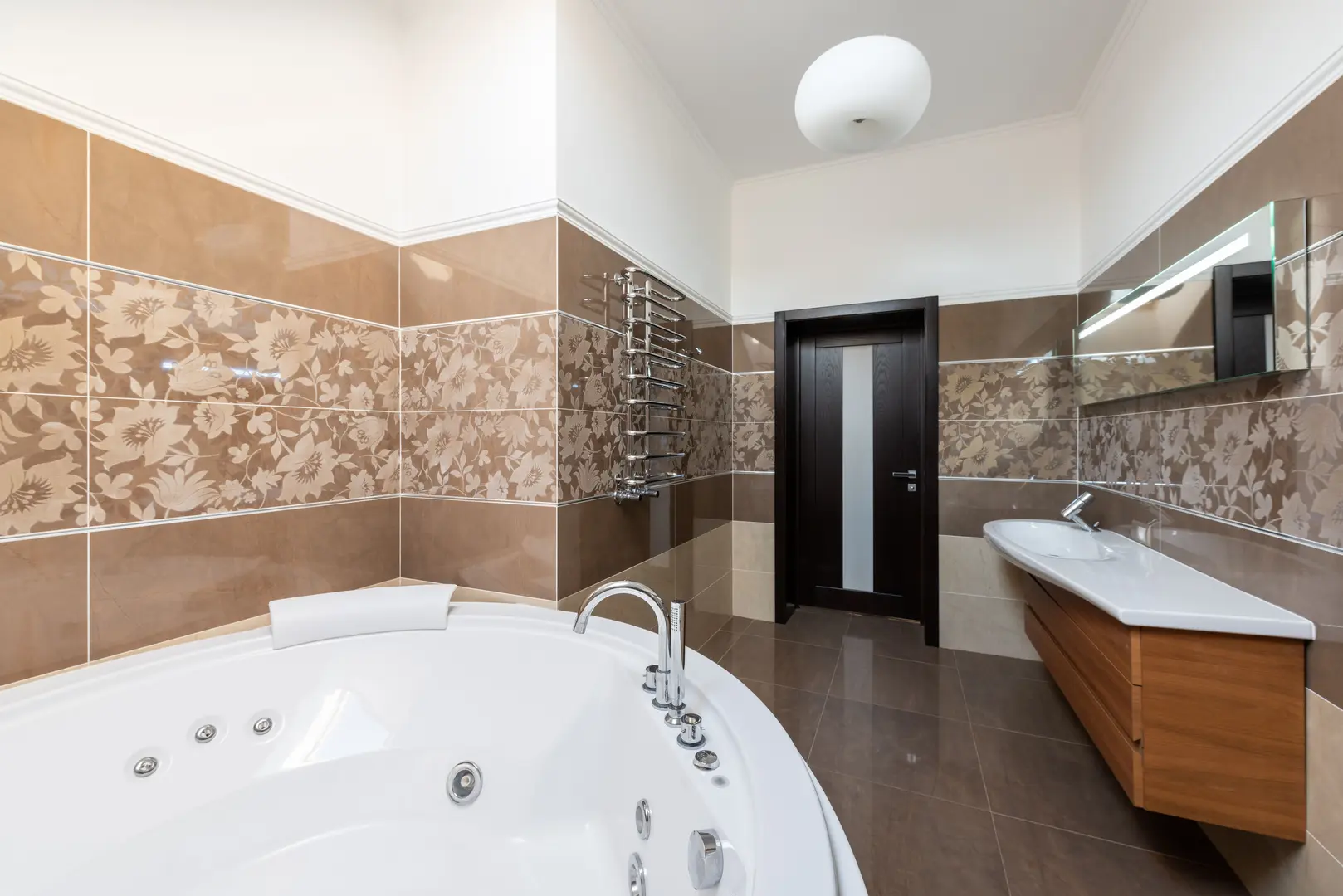
A generously sized mirror is one of the simplest ways to increase the sense of brightness. It reflects both the room and its artificial light, helping the space appear less enclosed. A mirror positioned above the basin is practical, but choosing a larger design can have a greater visual effect than a small decorative mirror.
An LED mirror combines reflection with its own source of illumination. It can provide useful light around the face while also contributing to the overall brightness of the bathroom. This is especially helpful if the main ceiling light leaves the basin area looking shadowed.
Glossy finishes can support the same approach. Rather than absorbing light visually, polished or gloss surfaces reflect it back into the room. Depending on your bathroom design, these may include:
- Gloss-finish wall tiles
- Polished vanity surfaces
- Shiny cabinet fronts
- Chrome or reflective fittings
- Glazed accessories
There is no need to make every surface highly reflective. A mixture of reflective and understated finishes can prevent the design from feeling overly busy. For example, a large mirror and gloss tiles around the shower can brighten the room, while simpler flooring and storage keep the overall scheme balanced.
Keep mirrors and glossy surfaces clean, as water spots and smears can reduce their reflective effect. A quick wipe after cleaning or bathing will help them continue to make the best use of the available light.
4. Remove Water Droplets After Use
An extractor fan manages moisture in the air, but water can still remain on shower screens, tiles, baths and worktops. Wiping away these droplets after use is a straightforward way to keep surfaces drier and limit the damp conditions that allow bacteria to persist.
You do not need to perform a full clean after every shower. A short routine is often enough:
- Wipe or remove water from the shower screen.
- Clear visible droplets from tiles and ledges.
- Dry pooled water around the bath or basin.
- Hang wet towels so they are not left on the floor.
- Leave the extractor fan running to manage remaining condensation.
Keep a suitable cloth or shower squeegee within easy reach so the task becomes part of the normal routine. Pay particular attention to corners, seals, grout lines and areas where water tends to collect.
An absorbent bath mat can also help manage water carried onto the floor after bathing. Place it where people step out of the bath or shower, and allow it to dry between uses. A mat that remains wet may add to the damp feeling in the room rather than resolving it, so avoid leaving it bunched up on the floor.
The extractor fan should continue to play the main role in controlling airborne condensation. Wiping surfaces complements the fan; it does not replace it. Using both methods addresses moisture in two forms: droplets already on the bathroom surfaces and water vapour still present in the air.
This habit also gives you an opportunity to notice recurring wet areas. If the same ledge or floor section regularly holds water, adjust how toiletries are stored or how the area is dried so moisture is not repeatedly left behind.
5. Choose Glass Fixtures to Open Up the Room
Opaque shower curtains can visually divide a bathroom, making part of the room disappear when the curtain is closed. In a small windowless space, this division may make the layout feel tighter than it is.
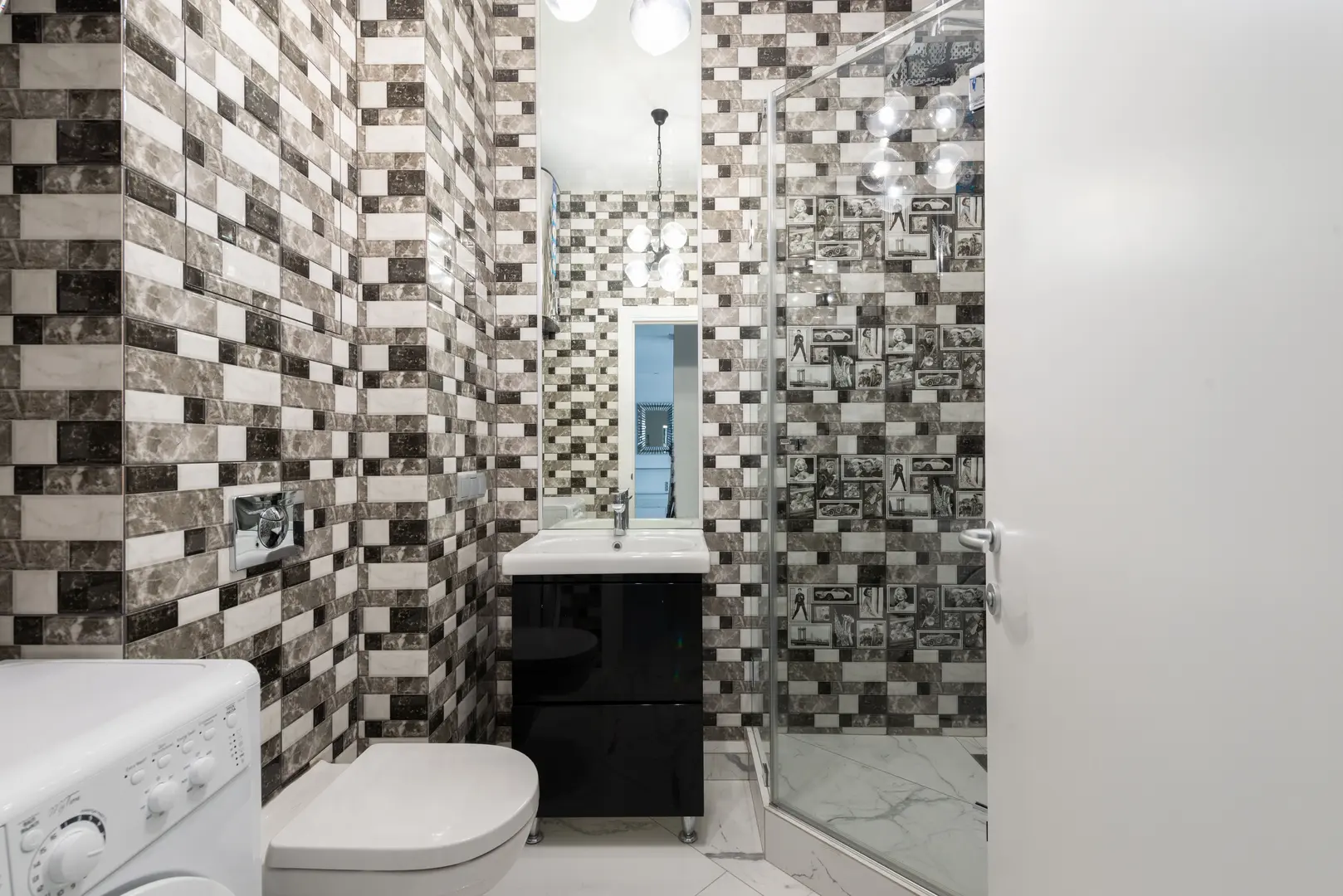
A glass shower enclosure or screen offers a more open alternative. Because you can see through it, the full width and depth of the room remain visible. Glass also reflects artificial light, helping brightness travel through the shower area rather than being blocked by an opaque barrier.
This makes glass particularly useful for:
- Walk-in shower enclosures
- Corner showers
- Shower-over-bath screens
- Compact bathrooms with limited floor space
- Layouts where the shower is close to the main light
Clear glass generally creates the most uninterrupted view. It allows tiles and wall finishes to remain visible and helps the enclosure blend into the wider room. Framed glass can add structure, while simpler fittings may produce a more streamlined effect. Whichever style you prefer, the key benefit is avoiding a solid visual barrier.
Glass should be cleaned regularly to remove water marks and soap residue. Wiping the screen after showering supports the moisture-control routine while maintaining its transparent, reflective appearance.
If you currently use a shower curtain, replacing it with a suitable glass screen can change how the whole bathroom feels without changing its actual dimensions. The shower area becomes part of the visible room, light is less restricted, and the layout appears more connected.
6. Bring Fresh Style with Bathroom Plants
Plants can soften the hard surfaces commonly found in bathrooms and add colour to a space that might otherwise feel plain. Greenery creates an attractive focal point and can make a windowless room feel more decorative and welcoming.
However, a bathroom without a window provides no natural light, so plant choice and placement need careful consideration. Not every living plant will be suitable for these conditions. If you want to use a real plant, check its light requirements and consider whether the room’s artificial lighting can support it.
Artificial plants are often the simplest option. They provide the visual effect of greenery without depending on daylight. They also allow you to decorate shelves, vanity units or high ledges where maintaining a real plant could be inconvenient.
Good places for bathroom plants include:
- An open shelf above the toilet
- A corner of the vanity unit
- A wall-mounted shelf
- The top of a storage cabinet
- A dry ledge away from direct spray
Choose a size that suits the room. One small plant can brighten a compact bathroom without adding clutter, while a larger arrangement may work in an unused corner. If counter space is limited, a wall-mounted or hanging artificial plant can introduce colour without occupying a practical surface.
Keep the arrangement clean and simple. Artificial leaves can collect dust, while containers may gather water if they are positioned too close to the shower or basin. Wipe them as part of the normal cleaning routine and avoid placing decorative pots where they interfere with ventilation, lighting or everyday movement.
Plants are primarily a styling feature here. They cannot replace an extractor fan, regular cleaning or good moisture management, but they can make a carefully maintained windowless bathroom feel less clinical.
7. Brighten the Space with a Light Colour Palette
A light colour scheme can make a bathroom feel larger and help artificial light travel around the space. Pale shades reflect more of the available light visually, whereas very dark finishes can make a compact, enclosed room feel smaller.
White is a straightforward option, but it is not the only choice. Soft neutrals and pale colours can also create a bright appearance. Consider shades such as:
- Warm white
- Soft grey
- Pale beige
- Light cream
- Muted blue
- Gentle green
Using similar light tones across the walls, tiles and larger pieces of furniture can create a more continuous look. Fewer strong visual divisions may help the room feel less boxed in. You can then add contrast through towels, accessories, hardware or a small amount of darker detail.
Lighting should work with the colour palette. Cool-toned bulbs can create a crisp, bright effect that suits a windowless room. They can be particularly useful where the goal is to imitate the clarity associated with daylight and prevent pale surfaces from looking dull.
Plan the lighting so important areas are adequately illuminated. The main light should brighten the overall room, while an LED mirror can add focused light around the basin. Reflective tiles, glass screens and gloss surfaces will then help distribute that artificial light.
A light palette does not need to feel plain. Texture can add interest without reducing brightness: lightly patterned tiles, subtle grout contrast, soft towels and simple greenery can all provide character. By combining pale colours with cool-toned lighting and reflective finishes, you can make a bathroom without a window feel more spacious, polished and comfortable.