Acrylic vs Glass Shower Enclosures: Which Option Fits Best?
Choosing between acrylic and glass affects more than the appearance of a shower. The enclosure’s weight, cleaning needs, installation demands, durability, and price all matter. This acrylic vs glass shower enclosure comparison explains the practical differences so you can select a material that fits your bathroom, lifestyle, and budget.
Understanding Acrylic Shower Enclosures
Acrylic shower enclosures are made from lightweight plastic panels, often reinforced with fiberglass for additional strength and stability. Their low weight makes them easier to handle than glass, which can simplify installation and reduce structural support requirements.
The smooth surface of acrylic resists stains and mildew, making it a practical choice for busy bathrooms. It is also available in multiple finishes, ranging from clear or lightly textured panels to opaque designs that provide greater privacy. This flexibility allows acrylic to work in family bathrooms, guest bathrooms, rentals, and other spaces where function and affordability are priorities.
Acrylic can also retain heat better than glass. That may help the shower area feel warmer while it is in use. However, the material is more vulnerable to scratching, and its appearance can change over time if it is exposed to harsh cleaning methods or difficult environmental conditions.
What to Know About Glass Shower Enclosures
Glass shower enclosures are generally constructed from tempered glass. Tempering strengthens the material and changes how it behaves if breakage occurs, making it more appropriate for shower applications than ordinary glass. Proper installation and suitable hardware remain important because glass panels are heavy.
These enclosures are available in two main formats:
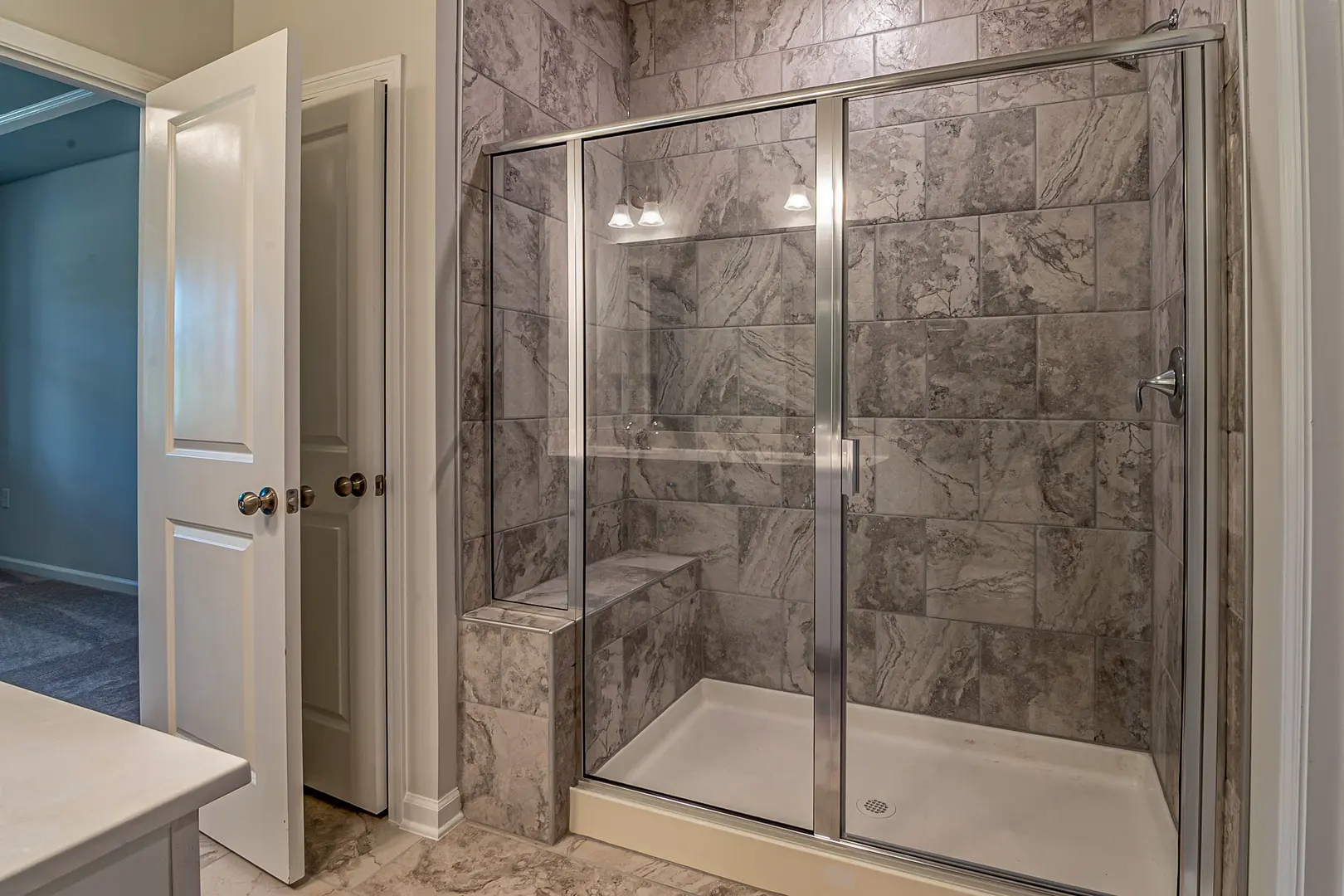
- Framed glass enclosures use a supporting frame around the panels and doors.
- Frameless glass enclosures rely on thicker-looking, minimally supported panels and discreet hardware to create a more open appearance.
Glass offers extensive customization possibilities. Homeowners can select clear, frosted, patterned, or otherwise decorative panels, along with hardware that coordinates with bathroom fixtures. Door configurations can also be adapted to different layouts.
Because of this versatility, glass works with many bathroom styles. Clear frameless panels are especially popular in modern and minimalist rooms, while framed or textured designs can complement more traditional spaces.
Important Factors When Comparing Acrylic and Glass
An effective acrylic vs glass shower enclosure comparison should consider more than the purchase price. The best material depends on how the shower will be used, the conditions in the room, and the desired visual result.
| Factor | Acrylic | Glass |
|---|---|---|
| Weight | Lightweight | Heavier |
| Appearance | Practical and adaptable | Sleek and premium |
| Scratch resistance | More likely to scratch | More resistant to scratching |
| Long-term clarity | May discolor over time | Typically retains clarity |
| Cleaning demands | Generally easier to maintain | Often needs frequent cleaning |
| Installation | Usually simpler | May require added support |
| Cost | More budget-friendly | Usually more expensive |
| Temperature tolerance | Less suitable for extreme cold or rapid changes | More tolerant of changing conditions |
Each factor carries different weight depending on the bathroom. A low-maintenance family shower may call for a different solution than a high-end primary bathroom renovation.
How Durability Differs
Glass generally performs better when scratch resistance and long-term clarity are the main concerns. Tempered glass is hard, does not scratch as easily as acrylic, and can remain clear for years when cleaned regularly.
Acrylic is durable enough for everyday shower use, particularly when reinforced with fiberglass, but its surface is softer. Abrasive tools or inappropriate cleaning products can leave visible marks. Acrylic may also discolor over time, reducing the clean appearance that it had when first installed.
Safety and breakage behavior should also be considered. Acrylic is lightweight and does not behave like glass when damaged, but it is not immune to cracking or breaking. Tempered glass is designed for enclosure use, yet any glass panel still requires correct installation, suitable support, and careful handling. Neither material should be treated as indestructible.
Tolerance to Temperature and Humidity
Bathrooms experience repeated humidity and temperature changes, so the enclosure needs to perform reliably in those conditions. Glass is generally more tolerant of moisture, heat changes, and fluctuating temperatures. Its surface does not lose clarity simply because the bathroom is humid.
Acrylic resists stains and mildew, making it suitable for typical bathroom moisture. However, it does not handle extreme cold or significant temperature variation as well as glass. In very cold environments, acrylic can become brittle and more vulnerable to damage.
This concern may be relevant in basement bathrooms, seasonal properties, or spaces that are not consistently heated. Before using acrylic in such a location, consider whether the room is likely to remain within normal indoor conditions throughout the year. Glass may be the more dependable option where humidity and temperature changes are substantial.
Comparing Visual Style and Design Flexibility
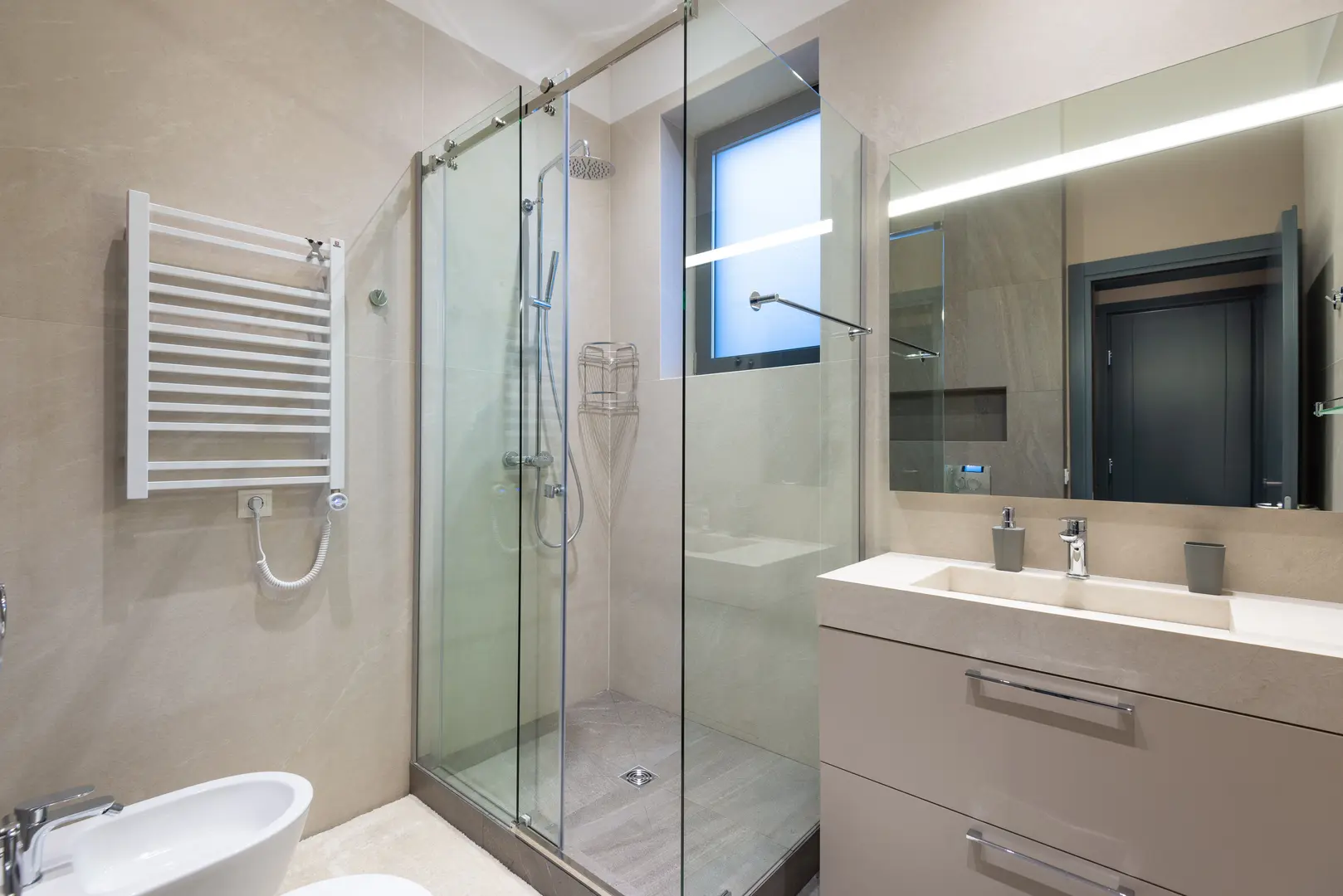
Glass creates a sleek, open look. Clear panels allow tilework, fixtures, and other bathroom features to remain visible, which can help the enclosure feel integrated with the room rather than visually separate from it. Frameless glass is particularly well suited to modern and minimalist interiors.
Glass also offers design flexibility through framing choices, hardware finishes, privacy treatments, and panel styles. That makes it possible to create either a subtle enclosure or a more decorative feature.
Acrylic is more practical in appearance but still adaptable. Different colors, textures, finishes, and privacy levels allow it to suit a range of bathrooms. It may not deliver the same premium impression as clear glass, but it can provide an attractive and functional enclosure without becoming the visual focus of the room.
Cleaning and Ongoing Maintenance
Acrylic is usually the easier option for routine maintenance. Its smooth surface resists staining and mildew, and its panels can be cleaned without the frequent polishing often associated with clear glass. Because acrylic scratches more readily, cleaning should be gentle rather than abrasive.
Glass itself is easy to wipe down, and its hard surface resists scratching. The challenge is that marks and residue are often highly visible, particularly on clear panels. A glass enclosure may therefore need more frequent attention to maintain its transparent, polished appearance.
Frameless glass can reduce the number of frame channels where buildup may collect, but the panels and hardware still need regular care. Framed models may require additional attention around tracks, edges, and seals. Regardless of material, joints and hardware should not be overlooked simply because the main panel resists mold or mildew.
Upfront Cost and Overall Value
Acrylic is typically the less expensive choice. Its lower material cost, light weight, and simpler installation can make it appealing for budget-conscious renovations, rental properties, secondary bathrooms, and basement projects.
Glass generally costs more, with frameless configurations often representing the higher end of the range. The panels are heavier, and installation may require appropriate structural support and professional handling. Custom dimensions, decorative treatments, and specialized hardware can further increase the investment.
Value, however, is not limited to initial cost. Glass may justify its price when a premium appearance, scratch resistance, and long-term clarity are priorities. Acrylic can offer better value when affordability, easy installation, and reduced maintenance matter more.
Advantages and Drawbacks of Acrylic Enclosures
Acrylic provides a useful balance of function and price. It suits many everyday bathrooms, but its softer surface and less luxurious appearance should be weighed against its practical benefits.
Why Choose Acrylic
The primary advantages of acrylic include:
- Light weight: Panels are easier to transport and handle than heavy glass.
- Simpler installation: Lower weight can reduce installation complexity and support demands.
- Lower upfront cost: Acrylic is generally more affordable than either framed or frameless glass.
- Practical durability: Fiberglass-reinforced panels can hold up well under normal bathroom use.
- Heat retention: Acrylic retains heat better, helping the shower area feel warmer.
- Lower maintenance demands: Its stain- and mildew-resistant surface is relatively easy to care for.
- Design versatility: Multiple textures, finishes, and privacy options are available.
These qualities make acrylic a strong candidate for family bathrooms, guest spaces, and renovations where installation convenience is important.
Limitations of Acrylic
The main disadvantage is susceptibility to surface damage. Acrylic can scratch more easily than glass, so abrasive cleaning tools and rough handling can affect its finish. Scratches may become more noticeable under bright bathroom lighting.
Discoloration is another possible long-term concern. Although acrylic begins with a clean, uniform appearance, it may not retain its original color and clarity as reliably as glass.
Acrylic also tends to look less luxurious. It can be attractive and well coordinated with the rest of a bathroom, but it rarely creates the same open, high-end effect as a clear frameless glass enclosure. Extreme cold and major temperature variations may also make acrylic brittle, limiting its suitability for some locations.
Advantages and Drawbacks of Glass Enclosures
Glass offers lasting clarity and a refined appearance, making it a frequent choice for design-focused bathroom renovations. Those advantages come with higher costs and more demanding installation requirements.
Why Choose Glass
Reasons to select glass include:
- Strong scratch resistance: Glass is less likely than acrylic to show surface scratches.
- Long-term clarity: It generally maintains its transparent appearance over time.
- Premium design: Clear and frameless formats create an open, luxurious look.
- Mold resistance: The glass surface itself resists mold and is easy to wipe clean.
- Customization: Framed, frameless, clear, frosted, textured, and decorative choices are available.
- Broad style compatibility: Glass can work in modern, transitional, and traditional bathrooms.
- Environmental tolerance: It handles humidity and temperature changes better than acrylic.
Glass is especially effective when the shower contains decorative tile or fixtures that should remain visible.
Limitations of Glass
Cost is the largest obstacle for many homeowners. Glass panels, specialized hardware, and installation can make the enclosure substantially more expensive than an acrylic alternative. Frameless configurations may be particularly difficult to justify in secondary or basement bathrooms.
Glass is also heavy. Walls, mounting points, hinges, and other supports must be suitable for the enclosure. This can make installation more involved than fitting lightweight acrylic panels.
Although glass is easy to wipe, maintaining a spotless appearance requires regular cleaning because visible residue can undermine its main aesthetic advantage. Tempered glass is durable and appropriate for showers, but it can still break if damaged or improperly supported.
Acrylic or Glass: Choosing the Right Fit for Your Bathroom
Neither option is universally better. The right choice depends on who uses the bathroom, how much maintenance is acceptable, the room’s layout, and how much the enclosure should contribute to the overall design.
Match the Choice to Your Lifestyle
Choose acrylic when convenience is the main goal. It requires less day-to-day attention, is easier to install, and provides a comfortable, functional shower enclosure at a lower price. It can work especially well in a busy household where practicality matters more than a perfectly transparent finish.
Choose glass when visual impact and lasting clarity take priority. It offers a premium experience and keeps the shower visually connected to the rest of the bathroom. Be prepared to clean it regularly if you want to preserve that polished appearance.
Consider Bathroom Style and Available Space
Glass is a natural match for modern and minimalist bathrooms. Clear panels reduce visual barriers and allow surrounding finishes to remain prominent. This can make a compact room feel less divided, although the door configuration and structural requirements must still suit the available space.
Acrylic is appropriate when straightforward installation is more important. Its low weight can be advantageous in bathrooms where handling heavy panels would be difficult. Textured or opaque acrylic also provides privacy without requiring additional decorative treatments.
Evaluate door clearance, wall support, shower shape, and access before choosing either material. Appearance matters, but the enclosure must first work with the actual layout.
Plan Around Your Budget
Acrylic is the more budget-friendly choice in most cases. It can control both material and installation expenses while still providing a durable, attractive enclosure.
Glass requires a larger upfront investment, particularly for a custom frameless design. If the enclosure is intended to be a major visual feature, that cost may be worthwhile. If it is going into a guest bathroom, rental, or utility-focused space, acrylic may provide greater practical value.
When comparing quotes, consider the complete installation rather than panels alone. Hardware, framing, support needs, customization, and installation complexity all influence the final expense.
Cost-Effective Alternatives to Glass Enclosures
Homeowners who want to avoid glass are not limited to standard acrylic. Other non-glass enclosure choices can provide privacy, affordability, and practical performance.
Polycarbonate is one alternative worth considering. Like acrylic, it is lightweight compared with glass, but it is tougher and does not shatter easily. This can make it appealing where impact resistance is a leading concern. The trade-off is price: polycarbonate generally costs more than acrylic, so it may not be the least expensive option.
Textured, frosted, or opaque acrylic panels can also improve privacy and make minor surface changes less noticeable than they would be on clear panels. For projects where a costly frameless glass enclosure is unnecessary, these materials can deliver a clean and functional result.
Ultimately, acrylic is usually the best fit for affordability, easier installation, and lower maintenance. Glass is the stronger choice for long-term clarity, scratch resistance, environmental tolerance, and a premium appearance. Matching those differences to the room’s conditions and your daily priorities will lead to a more satisfying enclosure.