Acrylic vs Steel Baths: Which Should You Choose?
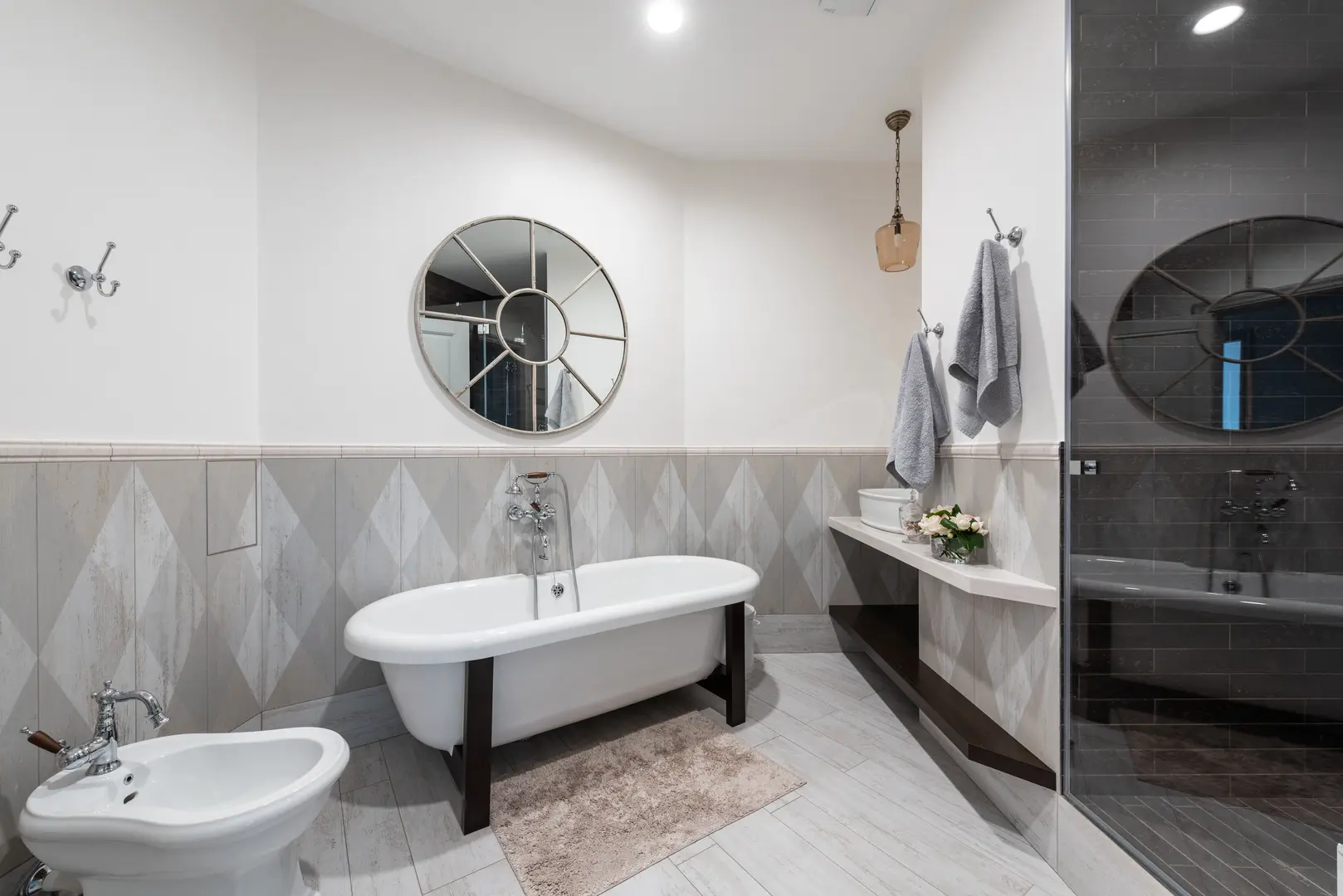
Choosing between acrylic vs steel baths involves more than comparing prices. Both materials can suit a modern bathroom, but they differ in weight, strength, warmth, design flexibility and resistance to chips. Steel is durable, retains heat well and offers a hygienic surface, while acrylic is lighter, warmer to the touch and available in a wider variety of shapes and sizes.
The price difference can be relatively small, although acrylic baths are generally the less expensive option. Your decision should therefore reflect the room, the available support, the preferred bath style and the features that matter most to you.
Steel Baths: Strength, Heat Retention and Hygiene
Steel baths are valued primarily for their durability and strength. Their robust construction makes them a natural choice when you want a solid bath designed with long-term use in mind.
This strength can be particularly appealing in a busy bathroom. If durability is one of your main priorities, steel deserves serious consideration even if its initial price is slightly higher than that of a comparable acrylic model.
Why choose a steel bath?
- Strong and durable construction
- Better heat retention
- Hygienic surface
- Solid feel
- Recyclable metal material
One of the main practical advantages of steel is its heat retention. A steel bath can keep bathwater warm effectively, making it a good option for anyone who enjoys longer baths. This should not be confused with how the bath feels when you first touch it: acrylic may initially feel warmer against the skin, but steel performs well at retaining the heat of the water.
Steel baths also provide a hygienic surface. This can make the material attractive for family bathrooms and other frequently used spaces where cleanliness is an important consideration. When comparing the two materials, this hygienic quality sits alongside durability as one of steel’s most notable benefits.
The main drawback is weight. Steel baths are heavy and need a sturdy base capable of providing suitable support. The weight also needs to be considered before transporting the bath into the room. Access through the home and the readiness of the supporting base should be assessed before the bath is put in place.
That does not make steel unsuitable for a domestic bathroom, but it means the practical side of the project needs more thought. A lightweight bath can be easier to move, whereas a steel bath places greater demands on its base and on the process of getting it into position.
The key characteristics compare as follows:
| Consideration | Steel bath | Acrylic bath |
|---|---|---|
| Strength | Particularly strong and durable | Suitable for a wide range of bathroom designs |
| Heat | Better heat retention | Warmer to the touch |
| Weight | Heavy and requires a sturdy base | Lightweight and easier to transport |
| Style options | Choice depends on the available steel designs | Broad range of shapes and sizes |
| Price | Usually slightly more expensive | Generally cheaper |
| Chipping | More prone to chips | Less associated with chipping than steel |
| End of use | Metal can be recycled | Not covered by the available comparison evidence |
Price is worth considering, but it should not be the only deciding factor. Steel is generally a little more expensive than acrylic, yet the difference may be minimal depending on the baths being compared. A small saving may not outweigh the benefits of strength, heat retention or a preferred material.
A steel bath may be the better choice if:
- Durability is a leading priority.
- You value effective heat retention.
- You want a hygienic bathing surface.
- The bathroom has a suitably sturdy base.
- The additional weight will not create transport or placement difficulties.
- You are comfortable paying slightly more for the material.
Steel may be less appropriate when low weight is essential or when you want the widest possible choice of bath shapes. Its tendency to chip also deserves consideration, although chips do not automatically mean the bath must be replaced.
Acrylic Baths: Lightweight, Warm and Versatile
Acrylic baths offer a different balance of benefits. They are light, easy to transport and warm to the touch. They also come in numerous shapes and sizes, helping them work in bathrooms with different layouts and style requirements.
The low weight is one of acrylic’s clearest practical advantages. Moving a bath into the home and through to the bathroom can be a significant part of the project, particularly where access is limited. An acrylic bath is easier to handle than a heavy steel model, reducing the difficulty of transportation.
Acrylic also feels warmer when first touched. This can make getting into the bath feel more comfortable, especially when compared with a surface that initially feels cooler. However, warmth to the touch is not the same as water heat retention. When making an acrylic vs steel baths comparison, it helps to separate these two qualities:
- Choose acrylic if the initial warmth of the bath surface matters most.
- Consider steel if retaining the heat of the bathwater is the higher priority.
Design flexibility is another major reason to choose acrylic. Acrylic baths are made in a variety of shapes and sizes, providing more choice when matching the bath to a room. This versatility can help whether the aim is to fit a particular layout or create a specific look.
The range also allows shoppers to begin with the dimensions and shape they need rather than choosing the material first and then trying to make the available designs work. If the room calls for a less conventional bath form, acrylic is likely to provide more options to consider.
Price often favours acrylic as well. Acrylic baths are generally cheaper than steel baths, making them appealing when the budget is a central concern. However, the difference between comparable products may be small. It is sensible to compare the actual baths you like rather than assuming that every acrylic bath will be substantially cheaper.
Acrylic may be the better option if:
- You want a bath that is lighter and easier to transport.
- A warm-to-the-touch surface is important.
- You need a particular shape or size.
- You want to explore a broad selection of designs.
- Keeping the purchase price lower is a priority.
- The weight of a steel bath would be impractical for the intended space.
Its combination of low weight and design versatility makes acrylic a straightforward choice for many bathroom projects. It can be especially useful when practical access is a concern or when the bath needs to meet specific layout requirements.
The final decision should still be based on priorities rather than material alone. Begin by identifying the size and shape needed for the bathroom. You can then compare the suitable acrylic and steel models according to price, weight, warmth, durability and appearance.
A simple decision process is:
- Confirm the required size and shape. Acrylic offers more variety, so it may be easier to find a suitable format in this material.
- Consider transportation. If moving a heavy bath into the room will be difficult, acrylic has a clear advantage.
- Assess the base. A steel bath needs sturdy support because of its weight.
- Decide what warmth means to you. Acrylic feels warmer to the touch, while steel provides better heat retention.
- Compare durability priorities. Steel stands out for strength, although it is more prone to chipping.
- Review actual prices. Acrylic is usually cheaper, but the saving may be relatively small.
- Think about the end of the bath’s usable life. Steel and other metal baths can be recycled.
There is no universal winner. Steel is compelling for its strength, heat retention and hygienic surface. Acrylic is attractive for its light weight, warmer initial feel, varied designs and generally lower price. The right choice is the one that best matches the bathroom and the practical requirements of the project.
Repairing Chips in Your Bath
Chipping is a relevant consideration when choosing between the two materials because steel baths are more prone to it. A chip can affect the otherwise smooth appearance of the bath, but it does not necessarily mean that complete replacement is required.
Repair kits are available for dealing with chips in a steel bath. Using a suitable kit can restore the affected area rather than discarding the entire bath because of localised damage. Follow the instructions supplied with the chosen repair kit, as the correct application process will depend on that product.
It is helpful to consider the possibility of repairs before buying. Steel offers notable durability and strength, but its tendency to chip is a separate characteristic. In other words, a material can be structurally strong while still being vulnerable to small areas of surface damage.
If a chip appears, take the following straightforward approach:
- Check the location and extent of the damage.
- Select a repair kit intended for the relevant bath surface.
- Read and follow the kit instructions carefully.
- Check the repaired area after completing the stated process.
Metal baths also have an advantage at the end of their usable life: they can be recycled. This may matter to homeowners who want to consider what happens to a bathroom fitting once it is eventually removed.
Ultimately, the risk of chips should be balanced against steel’s other qualities. If you value exceptional strength, effective heat retention and a hygienic surface, the availability of repair kits may make chipping a manageable concern. If you prefer a lighter bath with more shape and size options, acrylic is likely to be the more practical choice.
When weighing up acrylic vs steel baths, avoid making the decision on price alone. The cost difference is often modest. Instead, consider how the bath will be transported, what support is available, which designs fit the room and whether you prioritise a warm initial touch or better heat retention. These factors will lead to a choice that suits both the bathroom and the way you intend to use it.