Are Baths Outdated For Modern Bathrooms?
Are baths outdated for modern bathrooms, or are they simply being used more selectively? As bathrooms have evolved into both practical and wellness-focused spaces, walk-in showers have become increasingly prominent. They suit compact layouts, streamlined interiors and fast-paced routines. Yet baths still offer comfort, family practicality and a sense of luxury that showers do not always replicate.
The right choice depends less on what is fashionable and more on the available space, the people using the room and the atmosphere you want to create.
Why Are More Homeowners Moving Away From Baths?
One of the main reasons baths are disappearing from modern bathrooms is space. In urban homes and compact properties, a standard bath can occupy a large proportion of the room. Replacing it with a walk-in shower may open up the floor plan, improve movement and make the bathroom feel less crowded.
This matters particularly when a bathroom must include storage, a basin and a toilet within a limited footprint. A well-planned shower enclosure can use a corner or recess efficiently, while clear glass helps maintain open sightlines.
Daily routines are another factor. Many people want to wash quickly before work, after exercise or at the end of a busy day. A shower is generally easier to fit into that routine than waiting for a bath to fill. If household members rarely take baths, keeping one may feel like an inefficient use of valuable space.
Water use can also influence the decision, although the comparison is not always straightforward. A short, controlled shower may use less water than a full bath. However, a long shower or one with a high-volume spray can reduce that advantage. Water efficiency depends on personal habits and the type of shower, not simply whether the room contains a bath.
Minimalist design preferences have accelerated the shift. Contemporary bathrooms often feature:
- Clear shower screens
- Low-profile or level-access trays
- Large, uncluttered surfaces
- Concealed fittings
- Simple colour palettes
- Reduced visual barriers
A traditional fitted bath can appear heavy in an otherwise streamlined layout, especially if it has an ageing panel or bulky enclosure. This may lead homeowners to assume that all baths look dated. In reality, it is often the way the bath is integrated—not the bath itself—that makes the room feel old-fashioned.
A modern panel, restrained tiling and coordinated brassware can give an existing bath a fresher appearance. Before removing one, it is worth asking whether the problem is the fixture or its surrounding design.
Do Baths Still Make Sense In Some Homes?
Baths remain highly practical in many family homes. Parents and carers may find it easier to bathe babies and young children in a tub than in a shower. A bath can also accommodate toys, bathing supports and the slower routines that are often part of family life.
For this reason, removing the only bath from a family-sized property deserves careful thought. Even if the current occupants prefer showers, future buyers may view a bath as an important feature. Its absence will not automatically make a home difficult to sell, but it could make the property less appealing to households with young children.
Older homeowners have varied requirements. Some may value a bath for warmth, relaxation and relief after a demanding day. Others may find stepping over a high bath edge difficult or uncomfortable. Personal mobility is therefore more relevant than age alone.
Where accessibility is a concern, a walk-in shower can offer:
- A lower and simpler entry point
- More room for movement
- Space for a seat where suitable
- Easier access to controls
- Fewer obstacles around the washing area
Safety should be assessed according to the user and the room. A shower is not automatically accessible simply because the bath has been removed. The entrance, floor finish, screen position, controls and available support all need to work together.
Resale value is equally dependent on context. A bath may be particularly desirable in a larger home aimed at families, while buyers considering a compact apartment may prioritise a spacious shower. Properties with multiple bathrooms have greater flexibility: one room can retain a bath while another is dedicated to showering.
Rather than treating a bath as universally essential, consider the likely expectations associated with the home. The best layout supports current occupants without unnecessarily narrowing its future appeal.
How Do Showers Fit Into Contemporary Bathroom Design?
Walk-in showers complement contemporary interiors because they can make the room look open and cohesive. A single clear screen creates less visual interruption than a framed enclosure, while continuous or coordinated wall and floor finishes give the bathroom a calm, unified appearance.
They are also flexible from a design perspective. A shower can fit within an alcove, replace a former bath or become a defined wet-room-style zone. In smaller bathrooms, this flexibility can free space for storage or make circulation easier. In larger rooms, a generous shower can become a feature in its own right.
However, sleek appearance should not distract from practical planning. Splash control, ventilation, drainage and usable floor space remain important. An oversized shower area may look impressive but could leave the rest of the room compromised. Equally, a screen that is too small may make surrounding surfaces difficult to keep dry.
Water consumption is another consideration. Showers are commonly presented as the efficient option, but their performance depends on duration and water flow. A lengthy rain shower may be chosen for relaxation rather than speed, weakening the practical distinction between showering and bathing.
Relaxation is where baths retain a clear emotional advantage. A bath encourages the user to stop, sit and spend time in the room. For many people, that ritual is part of the appeal. A conventional shower is usually associated with convenience, although spacious enclosures, comfortable temperatures and overhead sprays can create a more restorative experience.
The choice is therefore not simply between an outdated bath and a modern shower. It is between different ways of using the bathroom.
Modern Bathroom Design Trends
Spa-like design has become a significant influence on modern bathrooms. Homeowners increasingly want a space that feels calm and luxurious rather than purely functional. Both showers and baths can support that goal.
Rain showers are popular because they create a broad, immersive spray and offer a visually refined alternative to a basic shower head. They often work well with concealed controls, minimal screens and simple wall finishes. Hand showers can provide additional flexibility for rinsing, cleaning and users who do not always want an overhead spray.
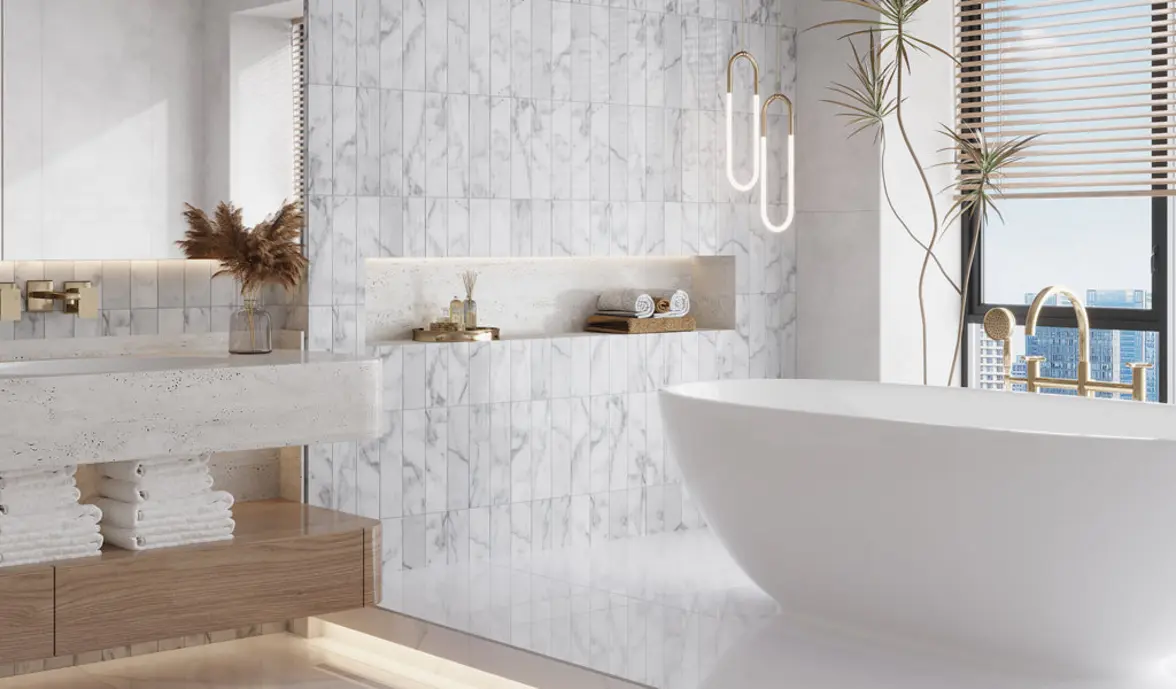
Deep soaking tubs represent the other side of the spa-inspired trend. Their shape and depth make bathing the focal experience rather than an occasional necessity. Freestanding tubs can also act as sculptural features, particularly in bathrooms with enough space around them.
This demonstrates why baths are not inherently outdated. A plain or poorly integrated bath may make a room feel dated, while a thoughtfully selected soaking tub can be one of its most contemporary elements.
The challenge is achieving a coherent overall design. Adding fashionable components individually does not guarantee a fresh result. A rain shower, statement bath and modern fittings can still look disconnected if their finishes, proportions and placement do not relate to one another.
For a more unified spa-like bathroom:
- Repeat a limited range of colours and finishes.
- Leave breathing room around major features where the layout allows.
- Use lighting to support both practical tasks and a softer atmosphere.
- Keep everyday products organised to reduce visual clutter.
- Choose either the bath or shower as the main focal point in a compact room.
- Make sure luxurious details do not interfere with cleaning or daily use.
Modernity comes from integration, not simply from installing the latest components.
Could A Bath-Shower Combination Be The Best Option?
A bath-shower combination is often the most practical compromise when there is room for only one main washing area. It allows household members to choose between a quick shower and a longer soak while preserving the family and resale benefits of a bath.
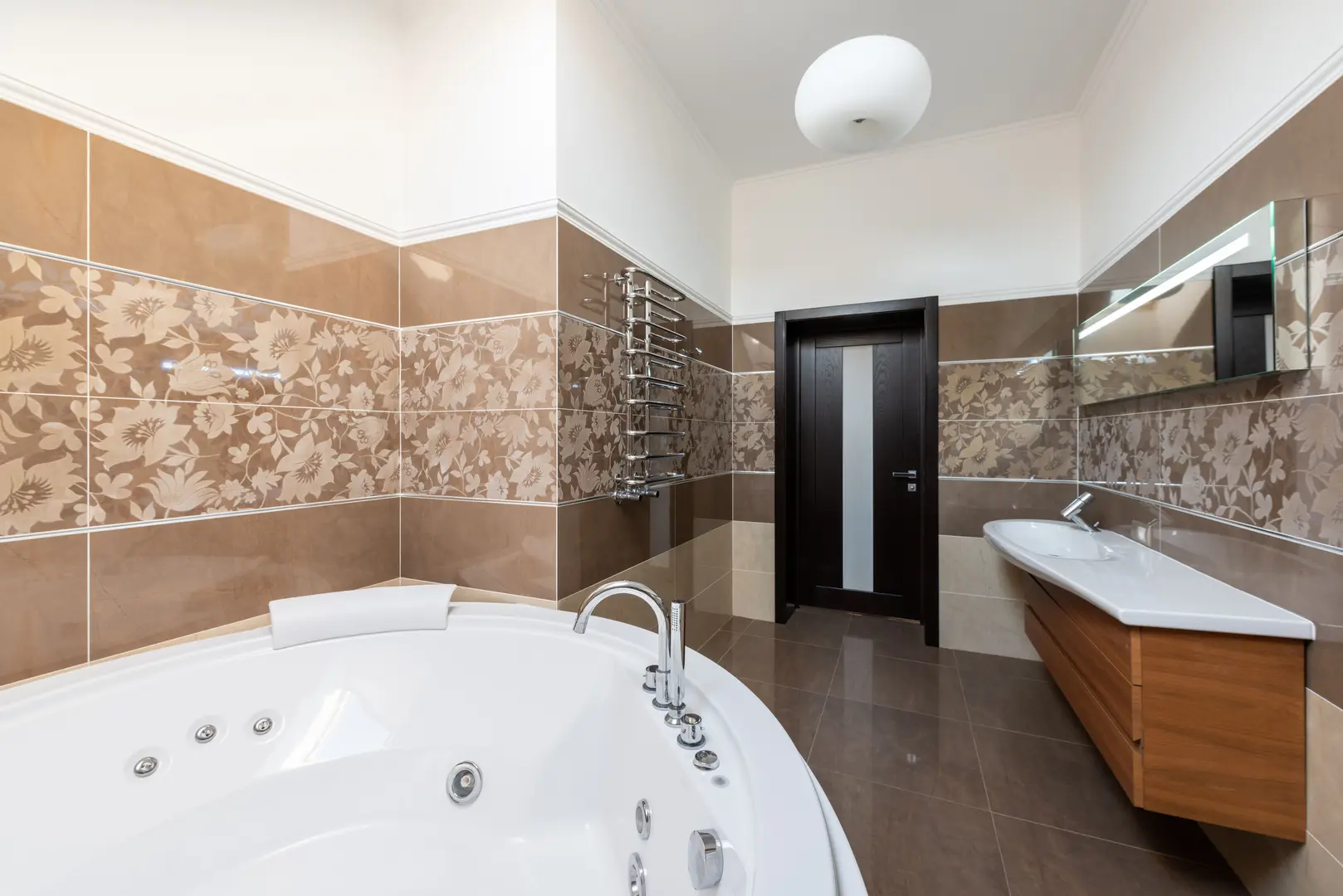
The traditional arrangement places a shower above a fitted bath, with a screen or curtain to contain water. Although this layout is familiar, it does not need to look dated. A clear screen, a contemporary bath panel, coordinated controls and carefully chosen tiles can make the combination feel clean and current.
Modern bath panels are especially useful when refreshing a bathroom without changing the entire layout. A plain, fluted, tiled or colour-coordinated finish can help the bath relate to surrounding cabinetry and surfaces. The aim should be to make the panel appear intentional rather than treating it as an afterthought.
There are practical compromises. Stepping into a bath is less convenient than entering a walk-in shower, and a curved tub base may offer less standing space. Screen placement must also allow comfortable access while keeping water within the bathing zone.
Larger bathrooms can take a different hybrid approach by placing a freestanding bath near or within a generously tiled shower area. This creates a unified wellness zone while retaining separate fixtures. It can look highly contemporary, but it needs enough space to prevent the bath from obstructing shower access or making cleaning awkward.
The main hybrid options can be compared simply:
| Layout | Main advantage | Main consideration |
|---|---|---|
| Shower over fitted bath | Fits two functions into one footprint | Bath edge can make access harder |
| Bath with a modern screen and panel | Updates a familiar, practical layout | Details must feel visually coordinated |
| Separate bath and walk-in shower | Offers maximum choice | Requires more floor space |
| Freestanding bath near a shower zone | Creates a strong spa-like feature | Needs careful spacing and splash planning |
A combined solution is particularly sensible when household needs may change. It keeps options open without requiring two fully separate bathing areas.
When Is It Worth Replacing A Bath With A Walk-In Shower?
Replacing a bath with a walk-in shower is most worthwhile when the bath is rarely used and actively limits the room. In a small bathroom, the change can improve movement, reduce visual bulk and create a more comfortable showering area.
Before committing, consider who uses the bathroom now and who may need to use it in the future. The strongest reasons for replacement typically include:
- Household members consistently prefer showers.
- Entering and leaving the bath is difficult.
- The room feels cramped because of the bath.
- Another bathroom in the property already has a tub.
- A larger shower would make daily routines easier.
- The existing bath is being used only as a shower base.
The new layout still needs careful design. Removing the bath does not automatically create an attractive or functional bathroom. The shower should be large enough for comfortable use without overwhelming the room, and its screen should be positioned to control spray while preserving access.
Storage also deserves attention. A bath ledge may currently hold toiletries, so replacing it can reveal the need for a niche, shelf or nearby cabinet. Towel placement and access to controls should be considered before the shower layout is fixed.
If mobility or safety is driving the change, focus on the complete user journey. Consider entry, movement, turning space and the ease of reaching controls. A low-threshold design may be useful, but every element should suit the intended user rather than relying on a generic idea of accessibility.
The resale effect depends on the type of property and whether another bath remains. Removing the only bath from a family home could limit interest from some buyers. In a compact home aimed at individuals or couples, a well-designed walk-in shower may be more appealing than a cramped bath that dominates the room.
Cost efficiency should also be judged in context. Retaining the existing layout may reduce the scope of work, while moving fittings or changing the shower area can make a project more involved. The best-value decision is the one that delivers a bathroom occupants will actually use, rather than preserving a feature solely through habit.
The Final Verdict On Baths In Modern Bathrooms
Baths are not outdated for modern bathrooms. They are simply no longer treated as an automatic requirement in every home.
Showers offer compelling benefits: they can use space efficiently, support quick routines and contribute to a clean, minimal interior. A walk-in design may also provide easier access and make a compact bathroom feel more open.
Baths provide something different. They have emotional and practical value, offering a place to relax, bathe young children and create a luxurious focal point. Deep soaking tubs and well-designed fitted baths show that a bathroom can include a bath while still looking distinctly contemporary.
The right decision comes down to four questions:
- How often will the bath genuinely be used?
- Does it prevent the room from functioning well?
- Would removing it affect family needs or future buyers?
- Can a combined layout provide the flexibility required?
If space and efficiency are the priorities, a walk-in shower may be the strongest choice. If relaxation, family use or versatility matters more, keeping a bath—or choosing a bath-shower combination—can be entirely modern.
A successful bathroom does not follow trends at the expense of its users. It balances appearance, comfort, space and cost, creating a room that suits the way people actually live.