Are LED Bathroom Mirrors Worth the Investment?
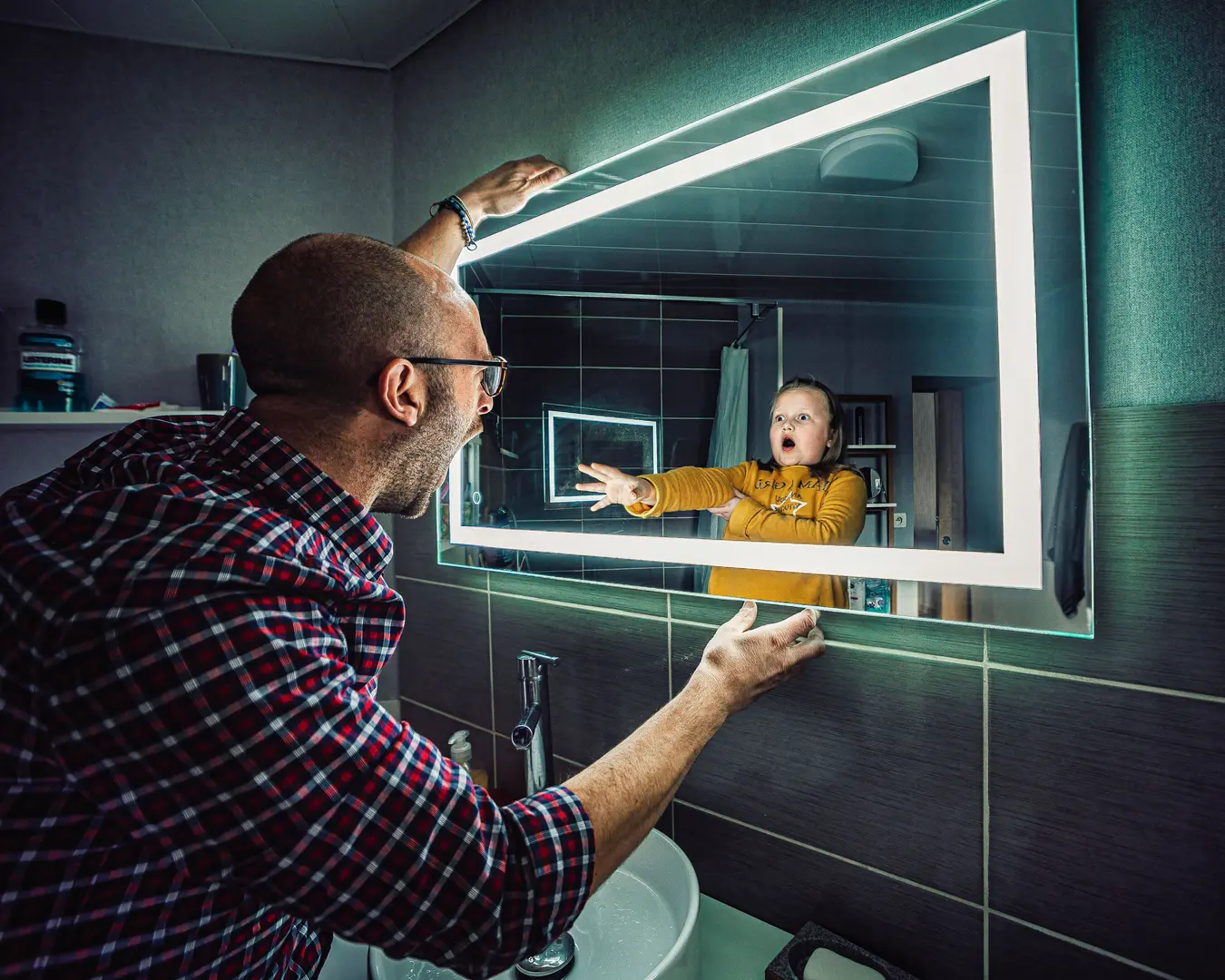
LED bathroom mirrors combine everyday practicality with the polished appearance of a modern bathroom upgrade. Instead of relying entirely on ceiling lights or separate wall fittings, they place illumination directly around or within the mirror. This can make grooming easier while introducing features such as touch controls and anti-fog functions.
However, they generally cost more than standard mirrors, and installation may be more involved. So, are LED bathroom mirrors worth it? The answer depends on your existing lighting, budget, preferred style, and which built-in features you will genuinely use.
Understanding LED Bathroom Mirrors
An LED bathroom mirror is a mirror with integrated LED lighting. Depending on the design, the light may appear around the edge, through sections of the mirrored surface, or as a softer glow behind it. The aim is to combine a reflective surface and dedicated task lighting in one fixture.
Many models also include additional functions, such as:
- Touch-sensitive lighting controls
- Built-in demisters
- Adjustable light settings
- Bluetooth connectivity
- Magnifying sections for detailed grooming
These features make an LED mirror more than a decorative accessory. It can act as a functional lighting source and help reduce the need for separate switches, lamps, or countertop grooming mirrors.
Designs vary considerably, so it is important to look beyond appearance. Some mirrors offer straightforward lighting and an on-off sensor, while others are intended as feature-rich bathroom centrepieces. The best choice is not necessarily the model with the longest feature list. It is the one that addresses the practical limitations of your current bathroom.
Key Advantages of LED Bathroom Mirrors
The main reasons to choose an LED bathroom mirror are improved grooming light, lower energy use, convenient built-in functions, and contemporary styling. These advantages can be particularly noticeable in bathrooms where overhead lighting produces shadows or where there is little natural daylight.
An integrated design can also create a less cluttered room. Rather than fitting a mirror and a separate over-mirror light, you can combine both elements in one coordinated product.
Bright, Balanced Light for Grooming
Bathroom ceiling lights do not always illuminate the face evenly. Depending on their position, they may cast shadows under the eyes, nose, or chin. This can make detailed tasks more difficult, even when the room itself seems adequately lit.
LED mirrors provide light closer to the face, often producing a clearer and more balanced view. Daylight-like illumination can be especially useful for:
- Shaving and checking for missed areas
- Applying or removing makeup
- Styling facial hair
- Fitting contact lenses
- Carrying out skincare routines
- Inspecting small grooming details
Consistency is as important as brightness. A very bright overhead fitting can still be unhelpful if the light falls from the wrong direction. By placing the illumination around the mirror, an LED model can reduce harsh contrast and help you see your face more clearly.
That does not mean every LED mirror will deliver identical results. The usefulness of the lighting depends on the design, its position, and the conditions in the bathroom. If better grooming visibility is your priority, focus on practical illumination rather than choosing a mirror solely because it creates an attractive background glow.
Before replacing an existing mirror, consider whether the current setup is genuinely inadequate. If you already have flattering, well-positioned lighting, the improvement may be less noticeable. A separate over-mirror light could also solve the problem at a lower cost, although it may not provide the same integrated appearance.
Lower Energy Use
LEDs are more energy-efficient than traditional bulbs and generally have a longer service life. For a bathroom fitting that may be switched on several times a day, this efficiency can make an integrated LED mirror a sensible alternative to less efficient lighting.
Long service life also means the lighting should require less frequent attention than traditional bulbs. This is convenient in a fixture where the light source forms part of the overall design.
From an environmental perspective, using less electricity and replacing light sources less frequently can reduce waste and resource use. Nevertheless, energy efficiency should be considered in context. An LED mirror will not automatically create major savings if it is used only briefly or if it supplements lights that remain switched on.
For the best results, use the mirror light as task lighting rather than automatically operating every bathroom light at once. Touch controls can make this easier because the LEDs can be turned on only when needed.
Useful Built-In Extras
The optional functions are a major part of the appeal, but their value depends on your habits.
Touch controls provide a clean, convenient way to operate the light without a conventional switch on the mirror. Some people enjoy the streamlined interface, particularly in a minimalist bathroom.
Demisters are designed to keep part of the mirror clearer when steam builds up. This can be helpful if you regularly need the mirror immediately after a shower. User experiences differ, however. Some people find anti-fog functions very effective, while others consider good bathroom ventilation the more important solution.
A demister should therefore be treated as a convenience rather than a substitute for managing steam throughout the room. It may clear the useful viewing area without addressing condensation elsewhere. If fogging is a major concern, consider both the mirror feature and the bathroom’s existing ventilation.
Bluetooth connectivity may appeal to anyone who enjoys listening to music or other audio while getting ready. For others, it may be unnecessary, especially if they already use a portable speaker or another device.
Magnifying sections support close-up tasks such as makeup application, shaving, or skincare. An integrated magnifier can reduce countertop clutter, although its position should be comfortable for the person using it.
When comparing features, ask three questions:
- Will I use this function regularly?
- Does it solve an existing problem?
- Is it worth the extra cost and installation complexity?
A simple, well-lit mirror may offer better value than an expensive model filled with features that remain unused.
A Modern Look for Your Bathroom
LED mirrors can give a bathroom a clean, contemporary focal point. Integrated lighting removes the visual separation between a mirror and its light fitting, helping the wall appear more coordinated.
The soft illumination can also strengthen the atmosphere of the room. Even when the main ceiling light is functional, a mirror’s glow may create a calmer and more refined effect. This makes LED designs particularly suitable for modern renovations, minimalist interiors, and bathrooms intended to feel more luxurious.
They can also complement other streamlined elements, such as simple vanities, uncluttered surfaces, and modern fittings. Because the mirror naturally attracts attention, it can make a noticeable design statement without adding a purely decorative object.
Appearance should not outweigh usability, though. A mirror that looks impressive in photographs still needs to provide suitable lighting, fit the available wall space, and work with the room’s overall design.
Potential Drawbacks to Consider
LED bathroom mirrors are not the best option for every bathroom. Their higher cost, possible installation requirements, and strongly contemporary style can make a standard mirror or separate light fitting more appropriate.
It is particularly important to assess your existing setup before buying. Replacing a suitable mirror in an already well-lit bathroom may deliver a smaller practical benefit than expected.
The Upfront Cost
LED mirrors usually cost more than basic, non-illuminated mirrors. Models with demisters, touch sensors, magnification, Bluetooth, or more elaborate designs may be more expensive still.
The price should be assessed as part of the whole project rather than as the mirror cost alone. Depending on the model and bathroom setup, you may also need to account for fitting work.
Energy efficiency can offset some of the difference over time, but it should not be used to justify any purchase price automatically. Actual value depends on how often the lighting is used, what type of lighting it replaces, and how long you plan to keep the mirror.
A practical comparison should include:
| Option | Main advantage | Main limitation |
|---|---|---|
| Standard mirror | Lower purchase price | Does not improve lighting by itself |
| Standard mirror with separate light | Can improve task lighting without replacing the mirror | Less integrated appearance |
| LED bathroom mirror | Combines light, reflection, and optional features | Higher upfront cost |
| Feature-rich LED mirror | Adds functions such as demisting or Bluetooth | You may pay for extras you rarely use |
If your existing mirror is in good condition, installing over-mirror lighting may be a more economical solution. It can improve visibility without requiring complete replacement, although the final look may not feel as seamless or contemporary.
Installation May Need Extra Care
Installation requirements vary between products. A simple model may be relatively straightforward to position, while a hardwired mirror or one with multiple powered functions can require more careful planning.
Factors to review before purchase include:
- The location of the existing power supply
- The condition and construction of the wall
- The mirror’s size and mounting requirements
- The position of nearby fittings and bathroom furniture
- Whether the chosen functions need a permanent electrical connection
- The manufacturer’s installation instructions
Some models may require professional fitting. If electrical work is involved, arrange installation with an appropriately qualified professional and follow the product instructions and applicable requirements for your bathroom.
Planning is especially important during a renovation. Deciding on the mirror early can make it easier to position power and wall fittings correctly. Buying the mirror after all other work is complete could limit your options or add installation effort.
Also consider what happens if an integrated function develops a fault. Unlike a separate bulb or wall light, the illuminated element is part of the mirror. Check the product information, warranty, and support arrangements before committing to a particular design.
Will the Style Suit Your Space?
The sleek appearance of an LED mirror is an advantage in many bathrooms, but it may look out of place in others. A highly contemporary design can conflict with traditional cabinetry, period details, or a deliberately rustic interior.
There is also the possibility that an ultra-modern model with prominent controls or numerous digital functions could date more quickly than a simple mirror. Trends change, while mirrors often remain in place for years.
If you want a more adaptable look, consider a restrained design with subtle lighting and minimal visible technology. It can still offer useful illumination without dominating the room.
The goal should be visual compatibility rather than modernity for its own sake. Think about the mirror alongside the vanity, taps, wall finish, and other fittings. If it appears disconnected from everything around it, a conventional framed mirror and separate light may produce a more coherent result.
Who Benefits Most from an LED Mirror?
An LED mirror is likely to offer the most value to people who:
- Need clearer light for shaving, makeup, skincare, or other precise tasks
- Have a bathroom with limited natural light
- Experience shadows from poorly positioned ceiling fittings
- Are planning a contemporary renovation
- Want to combine a mirror and task light in one installation
- Regularly deal with a steamed-up mirror and would use a demister
- Appreciate convenient or luxury features such as touch controls
A renovation is often the ideal time to install one because the power supply, wall layout, and mirror position can be considered together. It may also be easier to make the cost part of a broader lighting and decorating budget.
Renters, people on a limited budget, or anyone with an effective existing mirror-and-light arrangement may benefit less. In those situations, changing the bulb, repositioning a light, or adding an over-mirror fitting could provide a more proportionate improvement.
Are LED Bathroom Mirrors Suitable for Everyone?
Suitability is not only about price and design. Personal comfort matters as well.
Some people find mirrors uncomfortable or report that looking at their reflection can contribute to anxiety. Brighter, more detailed illumination could intensify that experience rather than improve it. An LED mirror should not be treated as an essential bathroom upgrade if it makes the room less comfortable for the person using it.
Where this is a concern, softer lighting, adjustable settings, a smaller mirror, or a layout that does not make the reflection the main focus may feel more appropriate. The ability to keep the integrated LEDs switched off can also be useful, provided the room has another suitable light source.
Households should consider the needs of all regular users. One person may value bright precision lighting, while another may prefer a gentler environment. A mirror with controllable lighting may offer a compromise, but only if everyone is comfortable with the mirror itself.
So, Are LED Bathroom Mirrors Worth It?
For many households, LED bathroom mirrors are worth the investment when they solve a clear lighting problem. They can provide balanced illumination for detailed grooming, use energy-efficient LEDs, and combine several practical functions in one attractive fixture. Their clean appearance also works well in contemporary bathrooms and modern renovation projects.
The strongest case for buying one is when you need both a new mirror and better task lighting. In that situation, an integrated model can meet two needs at once, while extras such as a demister or magnifying section may add genuine everyday convenience.
They are less compelling when your existing mirror and lighting already work well, your budget is limited, or the modern aesthetic does not suit the room. A separate over-mirror light may deliver the most important practical benefit without the cost of replacing a suitable mirror.
Before deciding, prioritise four things: lighting quality, features you will actually use, total installation cost, and compatibility with the bathroom’s style. If those factors align—and you appreciate the additional touch of luxury—an LED bathroom mirror can be a worthwhile and functional upgrade rather than simply a decorative expense.