Are MDF Bath Panels Any Good for Your Bathroom?
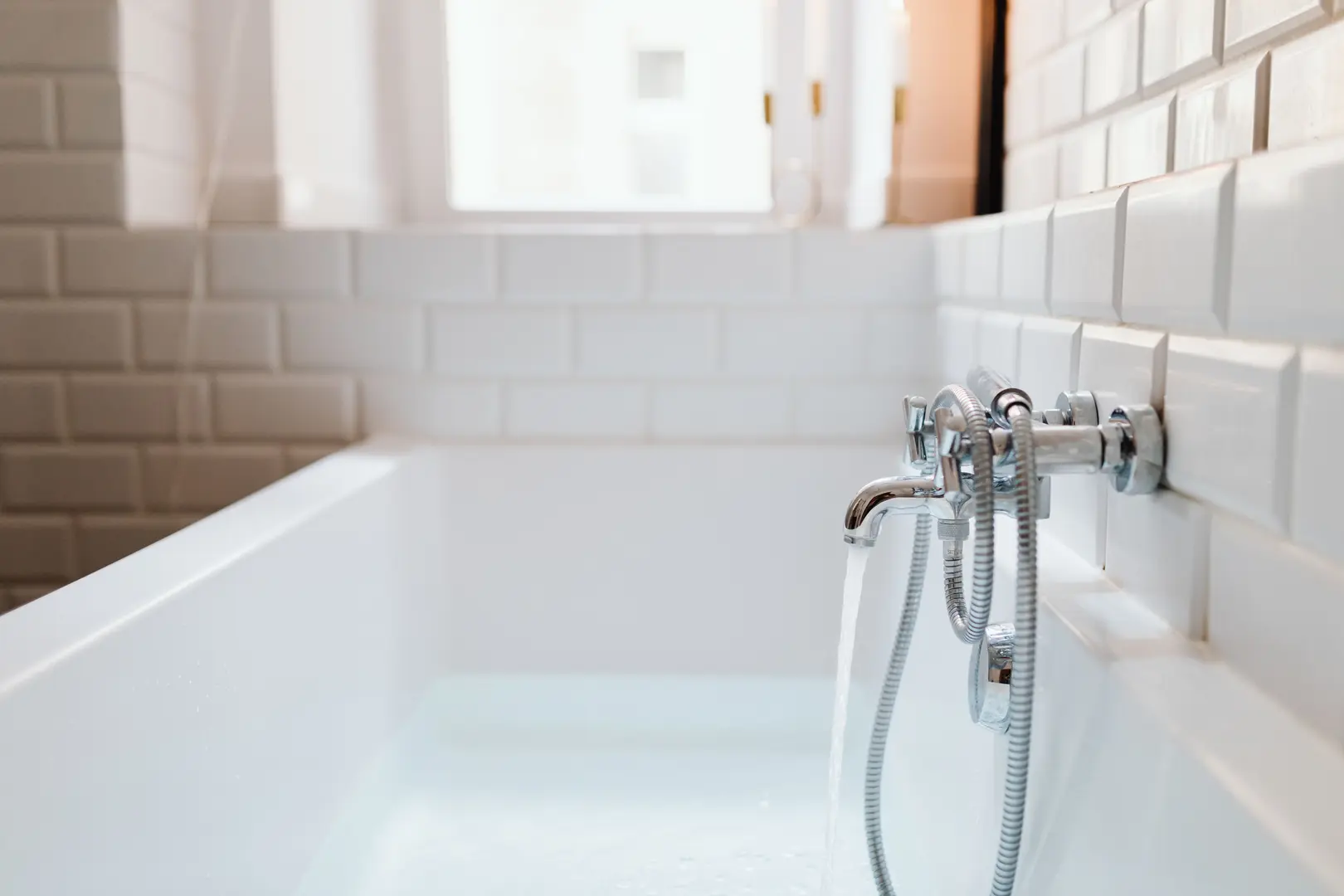
MDF bath panels are popular because they conceal pipework and the underside of a bath while creating a neat, finished appearance. They are also smooth, easy to customise and generally affordable. But are MDF bath panels any good when bathrooms are naturally humid and prone to splashes?
The short answer is yes—provided the MDF is suitably treated, correctly installed and protected from prolonged contact with water. Standard MDF is not naturally waterproof, so the quality of the finish, edge sealing and bathroom ventilation all affect how well a panel performs.
What Are MDF Bath Panels Made From?
Medium-density fibreboard, usually shortened to MDF, is a man-made wood product. It is manufactured by combining wood fibres with resin and pressing them together to form a dense, consistent board.
Unlike natural timber, MDF does not have visible grain, knots or many of the surface variations associated with solid wood. This gives it a smooth face that works particularly well for painted bath panels. It can provide a clean, modern finish or be styled to complement more traditional bathroom furniture.
Its main practical benefits include:
- A smooth surface that accepts paint well
- A uniform appearance without natural wood grain
- The ability to be cut or shaped for a particular bath
- A solid feel compared with some lightweight panels
- Plenty of scope for decorative finishes and colour matching
- An effective way to hide bath supports and plumbing
These qualities make MDF a flexible decorative material. A panel can be painted to match bathroom walls, cabinets or vanity units, helping the bath feel like an integrated part of the room rather than a separate fixture.
However, untreated MDF is vulnerable to moisture. Water can enter through an unfinished face, damaged coating or exposed cut edge. Once moisture reaches the fibres, the board may swell, lose its smooth finish or begin to deteriorate. This is particularly important around the bottom of the panel, where water may collect after bathing or cleaning.
For bathroom use, MDF therefore needs an effective protective finish. Depending on the panel, this may be a sealed and painted surface or a factory-applied laminate. Moisture-resistant MDF made with more suitable resins can offer additional protection, but it should still be properly finished. “Moisture-resistant” should not be interpreted as permission to leave the material unsealed or regularly expose it to standing water.
The decorative surface is only one part of the protection. The back, sides, drilled holes and freshly cut edges also require attention. A panel may look fully finished from the front while still having vulnerable areas hidden from view.
Can MDF Bath Panels Withstand Bathroom Use?
MDF bath panels can withstand normal bathroom use when they are sealed, installed and maintained appropriately. They are not naturally waterproof, however, and should not be treated as though they are unaffected by water.
There is an important difference between occasional splashes and persistent moisture. A protected MDF panel may cope well with everyday humidity and water droplets that are wiped away. Repeated soaking, standing water or water entering through an unfinished edge creates a much greater risk.
Three factors are especially important.
Protective finishing
Paint, sealant or laminate creates a barrier between the MDF and bathroom moisture. That barrier needs to cover all vulnerable areas rather than only the visible face. If the panel is trimmed during installation, the new cut edge must be resealed.
Lamination can provide a practical finished surface, while a painted panel gives more freedom over colour and style. In either case, scratches, chips and gaps should not be ignored because they can give moisture a route into the board.
Bathroom ventilation
Ventilation helps remove humid air after baths and showers. Without effective airflow, condensation can remain on surfaces and increase the amount of time the panel is exposed to moisture.
A poorly ventilated room presents a more difficult environment even when water is not being poured directly onto the MDF. Keeping an extractor fan working effectively, opening a window where appropriate and allowing the room to dry can reduce this pressure on the finish.
Ongoing maintenance
A bath panel should be checked periodically for signs that its protective surface is failing. Pay particular attention to the lower edge, corners, joins and any removable sections used to access the plumbing.
Useful warning signs include:
- Peeling, cracked or chipped paint
- Separation or damage around a laminated surface
- Raised or rough areas near an edge
- Persistent dampness around the bottom of the panel
- Gaps that allow water to reach unfinished MDF
Addressing a small area of damaged coating is preferable to allowing water to continue entering the board.
So, is MDF suitable for bathroom use? It can be, particularly when the panel is beside a bath rather than in an area subject to continuous soaking. Its suitability depends on controlling moisture rather than assuming the material itself is waterproof.
Installing untreated MDF in a highly moist area is a significant mistake. Even painting the visible face may not provide adequate protection if the edges and back remain exposed. MDF should also not sit in standing water, as prolonged contact can overcome a decorative coating or enter through small weaknesses.
How Does MDF Compare With Other Bath Panel Materials?
MDF is not the only option for finishing the side or end of a bath. Acrylic and solid wood are common alternatives, and each material balances appearance, cost, weight and maintenance differently.
| Material | Main advantages | Main considerations |
|---|---|---|
| MDF | Affordable, smooth and easy to customise | Requires sealing and protection from moisture |
| Acrylic | Lightweight and practical to handle | May look less substantial or cheaper than a painted panel |
| Solid wood | Strong with a natural, premium appearance | Usually requires more maintenance in a humid room |
MDF versus acrylic
Acrylic panels are lightweight, which can make them convenient to handle or remove when access to plumbing is required. They are often supplied as a straightforward finishing option for compatible baths.
The trade-off is appearance. Some acrylic panels can look thinner or less substantial than painted MDF. If the aim is to coordinate the bath panel with furniture or create a fitted, decorative effect, MDF often provides more freedom. Its smooth surface can be painted in a chosen colour and may give the bath surround a more furniture-like finish.
MDF is heavier than lightweight acrylic and depends more heavily on correct moisture protection. Acrylic may therefore appeal when simplicity and low weight are the priorities, while MDF is often chosen for its adaptable appearance.
MDF versus solid wood
Solid wood is strong and offers natural character. It may suit a bathroom where visible grain and traditional materials are central to the design.
Wood still reacts to bathroom conditions, however, and generally demands regular care. It needs an appropriate finish and ongoing maintenance to remain protected in a humid environment. That can make it a less convenient or more demanding choice.
MDF does not reproduce the natural grain of solid timber, but it provides a smooth, predictable surface. It is typically a more affordable route to a substantial painted panel and can be customised without relying on the colour or pattern of natural wood.
In practical terms, MDF sits between lightweight acrylic and solid timber. It offers:
- More decorative flexibility than many standard acrylic panels
- A substantial painted appearance without the demands of solid wood
- An affordable way to coordinate the bath with other bathroom features
- The ability to conceal supports and plumbing behind a tidy surface
Its disadvantage is clear: moisture must be managed. MDF offers good value when its finish and installation match the conditions in the room. It is less appealing when the panel will regularly be soaked or when maintenance is likely to be neglected.
When Should You Avoid MDF Bath Panels?
MDF is not the best choice for every bathroom. Before selecting it, consider how the room is used, how quickly it dries and whether water regularly collects near the bath.
A heavily used family bathroom can be challenging. Frequent baths and showers may keep humidity levels high for longer, while repeated splashes can affect the lower section of the panel. This does not automatically rule out MDF, but it increases the importance of moisture-resistant material, a reliable finish and effective ventilation.
You should be cautious about using MDF when:
- The bathroom is poorly ventilated
- Water regularly pools on the floor beside the bath
- The panel will be exposed to frequent or heavy splashing
- Cut edges cannot be sealed properly during fitting
- Plumbing leaks or failed bath seals have not been resolved
- The protective finish is unlikely to be checked or maintained
A panel should not be expected to compensate for an underlying water problem. If water is escaping around the bath, leaking from plumbing or repeatedly collecting on the floor, the cause should be corrected first.
The position of the panel also matters. A vertical panel that receives occasional splashes is in a different situation from MDF placed where it will remain wet. Where direct, repeated water contact is unavoidable, a material less dependent on paint or edge sealing may be more suitable.
If MDF is still preferred, moisture-resistant board made with suitable resins can improve durability. Proper treatment remains necessary, though. Moisture-resistant MDF is designed to handle humid conditions better than standard board; it is not the same as a completely waterproof panel.
Ventilation and careful installation can make an otherwise borderline setting more manageable. Conversely, even a well-finished panel may struggle in a persistently wet, unventilated space. The decision should be based on the real conditions around the bath rather than appearance alone.
How Can You Help MDF Bath Panels Last Longer?
The best way to extend the life of an MDF bath panel is to prevent moisture from reaching the fibres. Protection begins before installation and continues through routine bathroom use.
1. Choose a suitable panel and coating
Where possible, choose MDF intended for humid interior conditions rather than untreated standard board. Use a moisture-resistant coating system suited to the panel and follow the relevant application guidance.
Paint can provide both decoration and protection. It allows the bath panel to be matched with other features, but the coverage must be complete. A single attractive front surface is not enough if water can reach untreated areas elsewhere.
2. Seal every cut edge
Cut edges are particularly important because trimming exposes the internal fibres. Seal any edge created when adjusting the panel to fit around a bath, skirting board, pipe or floor variation.
Do not overlook drilled holes, corners or access openings. If a section is removable for plumbing maintenance, its edges need the same protection as the main panel.
3. Protect the less visible surfaces
The rear of the panel may be hidden after installation, but it can still encounter humid air, condensation or a minor plumbing leak. Ensuring that all relevant surfaces are protected reduces the number of routes through which moisture can enter.
4. Maintain ventilation
Use the bathroom’s ventilation and give humid air an opportunity to escape after bathing or showering. A working extractor fan and appropriate airflow help surfaces dry sooner.
Ventilation protects more than the bath panel, but it is especially useful for materials such as MDF that depend on remaining sealed and reasonably dry.
5. Wipe up splashes and standing water
Do not allow water to remain around the panel’s lower edge. Wipe up splashes and investigate recurring puddles rather than treating them as an unavoidable part of bathroom use.
Paint offers useful resistance to everyday moisture, but it may not be enough when the panel is repeatedly exposed to standing water. Persistent wetting can find weaknesses in the finish, particularly at joins and edges.
6. Inspect and maintain the finish
Check the panel occasionally, focusing on the bottom edge and any places where sections meet. Repair damaged paint or surface protection promptly. If an area begins to swell, simply painting over it will not reverse the change in the MDF; the source of moisture must be addressed first.
Ultimately, MDF bath panels can be a good bathroom choice when affordability, a smooth painted finish and customisation are priorities. Their success depends on sensible risk management: select an appropriate board, seal it thoroughly, ventilate the room and prevent prolonged water contact. In a reasonably dry, maintained bathroom, MDF can provide an attractive finished surround. In a persistently wet environment, a less moisture-sensitive alternative is likely to be the safer option.