Back to wall baths: a practical freestanding-style choice
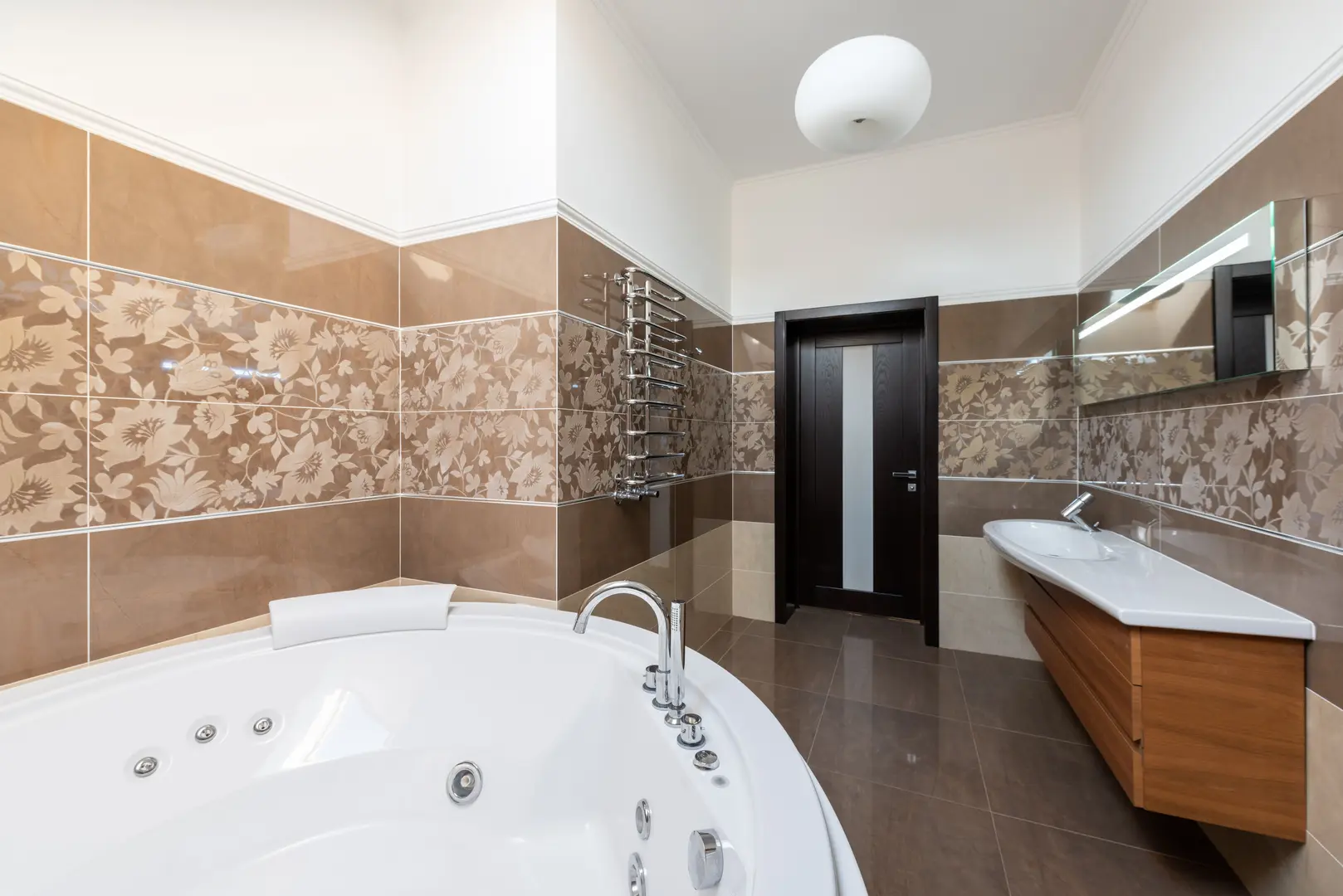
Back to wall baths combine the sculpted appearance of a freestanding bath with the practical benefits of wall installation. From the front and sides, they create a statement feature, while the flat rear edge allows the bath to fit closely against a wall.
This makes them particularly useful when a fully freestanding design would take up too much room or require more complicated plumbing. Available in modern and traditional styles, back to wall baths offer a versatile option for bathrooms of many sizes.
Understanding the back-to-wall bath design
A back-to-wall bath is designed to look freestanding when viewed from the front and sides. Unlike a fully freestanding model, however, it has a flat rear section that sits directly against a bathroom wall.
This structure creates a distinctive balance between appearance and practicality. The exposed front and side panels can have the smooth, sculpted form associated with freestanding baths, but there is no need to leave space around the entire bath. The wall-facing edge also provides a practical location for the plumbing.
Many models have a D-shaped profile. When viewed from above, the front edge is curved while the back remains straight. This shape gives the bath a soft, rounded appearance without preventing it from fitting neatly against a flat wall.
Although the D-shaped bath is especially common, back-to-wall designs are not limited to one visual style. Their outward shape can range from simple and understated to more decorative forms. The defining characteristic is the combination of an exposed, freestanding-style front with a flat rear edge.
Back-to-wall baths are also available in different materials. Common choices include acrylic, valued for being lightweight and cost-effective, and stone resin, which offers a more substantial, premium feel. The most suitable option will depend on the intended appearance, available budget and wider bathroom design.
When deciding whether this bath type will work in a room, consider how it will be seen. It is designed to provide an attractive front view, so it can become a focal point even when positioned against a wall. This is particularly useful in bathrooms where the visual impact of a fully freestanding bath is wanted but access around all four sides is neither practical nor necessary.
The practical advantages of placing a bath against the wall
The central practical advantage of a back-to-wall bath is efficient use of space. A fully freestanding bath generally needs to be positioned with its surroundings in mind, whereas a back-to-wall model uses the wall as one of its boundaries. This reduces the amount of open floor area needed around it.
That space efficiency can be valuable in a smaller bathroom. Instead of placing the bath towards the middle of the room, it can sit at the edge while still presenting a curved, decorative front. It therefore creates a freestanding-style effect without requiring a layout built around a completely detached bath.
The design can offer several practical benefits:
- Better use of limited space: The flat rear edge sits against the wall rather than leaving an unused gap behind the bath.
- Simpler plumbing: Wall-fed plumbing is generally less complicated than the arrangements associated with some fully freestanding baths.
- Compatibility with many existing layouts: Positioning the plumbing at the wall may suit bathrooms where services are already located there.
- Easier cleaning: There is no narrow space between the back of the bath and the wall that needs to be reached.
- Freestanding-style appearance: The visible front and sides retain the sculpted look that attracts many people to freestanding designs.
Cleaning is an important distinction. A fully freestanding bath can require access around its entire exterior, and small gaps may be difficult to reach. With a back-to-wall bath, the rear edge meets the wall, removing the need to clean behind it. The exposed areas remain accessible from the room.
Installation may also be more straightforward because the bath is placed beside the plumbing wall. This can reduce the need for the more involved plumbing arrangements that may come with locating a bath away from the wall. Exact requirements will still depend on the chosen model and the bathroom’s existing setup, so the bath and plumbing plan should be considered together.
The design may also help control project costs. By using wall-fed plumbing and avoiding the need to treat the bath as a completely detached fixture, it can reduce some of the installation demands associated with a fully freestanding alternative. It should not be assumed that every installation will cost the same, but the basic arrangement is intentionally practical.
Importantly, these benefits do not remove the decorative appeal. From the main viewing angles, the bath can still have the flowing lines and standalone presence of a freestanding model. The flat back is functional, but it is positioned where it does not dominate the room.
Design styles, materials and surface finishes
Back-to-wall baths are available in both modern and traditional designs, making them suitable for a wide range of bathroom schemes. The best choice should complement the room rather than being selected in isolation.
Modern versions often focus on a clean, sculpted outline. A simple curved front can work well with uncluttered bathroom decor, allowing the bath’s shape to provide interest without adding unnecessary visual detail. The wall placement can also help maintain an organised layout because the bath follows the edge of the room.
Traditional back-to-wall baths can offer a more decorative interpretation of the same practical structure. They provide an option for bathrooms where a plain contemporary shape would not suit the overall look. Although the rear still sits against the wall, the visible surfaces can support a more classic design direction.
Material is another important consideration. The two common options each offer different advantages:
| Material | Main characteristics | May suit |
|---|---|---|
| Acrylic | Lightweight and cost-effective | Projects focused on practical handling and affordability |
| Stone resin | More substantial, premium feel | Bathrooms where material presence and a high-end impression are priorities |
Acrylic is a practical choice for many bathrooms. Its comparatively lightweight construction can make the bath easier to handle during installation, while its affordability may leave more of the budget available for other parts of the room. It is well suited to buyers who want the back-to-wall format without necessarily choosing a premium material.
Stone resin is often selected for its solid, substantial character. It can give a back-to-wall bath a stronger sense of presence and may be preferred when the bath is intended to be a key design feature. Its premium feel can work particularly well in a carefully coordinated bathroom.
Material should not be considered separately from installation. A heavier-feeling, more substantial bath and a lightweight acrylic model will not necessarily have the same handling requirements. The specification of the chosen model should therefore be reviewed before fitting arrangements are finalised.
The surface finish also contributes to the overall effect. Rather than choosing the bath only as an individual object, consider how its visible surfaces relate to the surrounding decor. The bath should feel connected to the wider combination of wall finishes, fittings and bathroom furniture.
A useful way to narrow the options is to consider three priorities:
- The desired style: Decide whether the bathroom is intended to look contemporary, traditional or somewhere between the two.
- The material preference: Compare the lightweight, budget-conscious appeal of acrylic with the premium feel of stone resin.
- The room as a whole: Choose a profile and finish that work with the existing or planned bathroom decor.
The viewing angle matters as well. Because a back-to-wall bath is designed to be seen mainly from the front and sides, those surfaces should work with the room’s focal points. A strongly curved front can create a softer feature, while a more restrained profile may blend into a simple scheme.
The aim is not merely to imitate a freestanding bath. A well-chosen back-to-wall model uses its wall placement deliberately, creating an attractive focal point while supporting a practical layout.
Answers to common back-to-wall bath questions
Questions about back-to-wall baths usually focus on three areas: how closely they resemble fully freestanding models, how the plumbing is arranged and what the frequently used D-shaped description means.
The answers largely come down to the bath’s hybrid design. It is not freestanding on all four sides, but it is shaped to deliver a similar effect from the angles that are most visible. At the same time, its flat back makes both positioning and wall-fed plumbing more convenient.
Before choosing a model, review the bathroom layout, the location of the plumbing and the amount of space available in front of and beside the bath. This will help establish whether the design provides the right balance between visual impact and practical use.
Can a back-to-wall bath deliver the look of a freestanding model?
Yes, a back-to-wall bath can create much of the visual impact associated with a freestanding bath. Its front and sides are exposed, and these visible areas are designed with a sculpted, standalone appearance.
There is a trade-off: the bath is not completely detached from the room. Anyone specifically wanting open space around all four sides will need a fully freestanding model instead. The flat back is a functional part of the design and is intended to meet the wall.
For many bathrooms, however, this difference is also the main advantage. The rear of the bath usually contributes little to the main view, so positioning it against a wall can save space without greatly reducing the visual effect. The curved front remains visible and can still become a central design feature.
This makes the format especially effective in smaller or more restricted bathrooms. A fully freestanding bath might dominate the floor plan or leave awkward gaps, while a back-to-wall design stays closer to the room’s edge. It can therefore provide a more realistic route to achieving a freestanding-style appearance where space is limited.
Rather than viewing it solely as a compromise, it is helpful to treat it as a distinct design choice. It combines a decorative front with a practical rear, offering advantages that a completely freestanding model does not.
How does the plumbing work for a back-to-wall bath?
Back-to-wall baths generally use wall-fed plumbing. Because the flat rear section sits directly against the wall, the water supply can be arranged from that side rather than brought to a bath positioned independently within the room.
This arrangement is typically simpler than the plumbing required for a fully freestanding bath. It may also suit existing bathroom setups, particularly where the relevant services are already located in or beside the wall.
That compatibility can make the bath useful in renovation projects. If an existing layout already places the bath plumbing at the wall, a back-to-wall model may work with the general arrangement more easily than a bath moved further into the room. The exact installation will still depend on the chosen bath and the site.
The bath position and plumbing should be planned at the same time. Confirm the selected model’s requirements before installation begins rather than assuming that every back-to-wall bath is configured identically. A qualified installer can assess the existing setup and determine how the wall-fed connections should be arranged.
Overall, the plumbing principle is straightforward: the bath gains its freestanding-style appearance from the room-facing surfaces while using the wall behind it for a more practical connection.
What does the D-shaped bath profile mean?
A D-shaped bath has a curved front and a flat back. Viewed from above, its outline resembles the capital letter “D”, with the straight side positioned against the wall and the rounded side facing into the bathroom.
This is one of the most popular profiles for back-to-wall baths because the shape serves both practical and visual purposes. The straight edge allows the bath to fit closely against the wall, while the curved front creates the softer, sculpted appearance associated with freestanding designs.
The shape also helps save space. There is no unnecessary gap behind the bath, and the model can remain at the side of the room rather than being placed further into the floor area. At the same time, the rounded front gives it more visual presence than a conventional straight-sided bath.
For bathrooms that need an efficient layout but would benefit from a statement bath, the D-shaped profile offers a clear middle ground. It uses the wall where practicality matters and keeps the freestanding-style curves where they can be seen.