Bar Soap vs Liquid Soap in the Bathroom: Which Leaves Less Residue?

If your main concern is soap scum on shower glass, tile, fixtures, or the sink, liquid soap or body wash will usually leave less of the classic chalky buildup than traditional bar soap. The difference is not simply that one product is solid and the other is liquid. It mostly comes from the ingredients, your water, how thoroughly the product is rinsed, and whether residue is left sitting on a surface.
Traditional bar soap is more likely to create soap scum, especially in hard water. Many liquid body washes use detergent-based cleansing ingredients instead of traditional soap, so they tend to produce less of that mineral-and-soap film. However, liquid products can still leave a sticky or oily coating, particularly when they contain moisturizers, oils, fragrances, or other conditioning ingredients. Neither option is automatically residue-free.
Why bar soap can leave more soap scum
Traditional soap is made from fats or oils combined with an alkali. During washing, the soap mixes with water and dirt, then rinses away. In hard water, minerals such as calcium and magnesium can react with the soap. The result is an insoluble film commonly called soap scum.
That film can collect on:
- Shower glass and tile
- Tub and shower floors
- Chrome or metal fixtures
- Sink basins and countertops
- The bottom of a soap dish
Bar soap also tends to create residue through everyday use. A wet bar left on a flat dish can soften and form a puddle. That concentrated mixture can dry around the dish, faucet, or counter. In a shower, small pieces of soap may remain on a shelf or ledge and combine with body oils, hair, and minerals from the water.
Not every bar behaves the same way. Ingredient formulas vary, and some cleansing bars are detergent-based rather than traditional soap. So the label and formula matter more than the shape alone.
Why liquid soap or body wash may leave less
Liquid hand soap and body wash often use synthetic cleansing agents, sometimes called surfactants, rather than traditional soap. These formulas are generally less likely to react with hard-water minerals to form the familiar white or gray soap-scum film.
That is why liquid soap can be a practical choice when shower glass, tile, or fixtures are difficult to keep clear. It may rinse away more cleanly, particularly when the product is used sparingly and the surface is rinsed after washing.
Liquid products have their own residue issues. A moisturizing body wash may leave a slick film, while products containing oils or rich conditioners can make a shower floor, tub, or sink feel coated. A pump can also drip down the outside of a bottle or dispenser. If those drips are not wiped away, they can collect dust and become difficult to remove.
The useful distinction is therefore not simply “bar versus liquid.” It is often:
- Traditional soap versus detergent-based cleanser
- A lightly moisturizing formula versus a rich, oily formula
- A product that is rinsed away versus one left on a ledge or counter
Bar soap vs liquid soap bathroom residue: a practical comparison
| Bathroom concern | Traditional bar soap | Liquid soap or body wash |
|---|---|---|
| Classic hard-water soap scum | More likely | Usually less likely, especially with detergent-based formulas |
| Puddles around the product | Common if the bar sits in a dish | Possible around a pump or bottle |
| Sticky or oily film | Possible, depending on formula | Possible, especially with moisturizers and oils |
| Product left on shower shelves | Pieces and softened soap can remain | Drips and spills can remain |
| Packaging waste | Often less packaging | Usually more packaging, depending on the container |
| Best storage approach | Draining soap dish or raised rack | Pump that does not drip, kept on a tray |
This comparison describes common tendencies, not a guarantee for every product. Water hardness and cleaning habits can outweigh the format of the cleanser.
Hard water can make either option look worse
If your bathroom develops a cloudy film quickly, the water may be a major factor. Hard water leaves mineral deposits on its own, and those minerals can combine with traditional soap residue. The result may look like a dull white coating on glass, tile, or faucets.
Liquid body wash can reduce the soap-scum portion of the problem, but it will not prevent every mineral deposit. A bathroom with hard water may still need regular wiping or descaling, regardless of which cleanser you use.
Water temperature and rinsing also matter. Warm water can spread product over a larger area, while a weak or poorly directed rinse may leave cleanser on walls and fixtures. A shower curtain or liner can hide some buildup, but it does not prevent residue from forming on the tub or surrounding surfaces.
How to prevent soap scum and other residue
Changing products can help, but simple storage and rinsing habits are just as important.
1. Keep bar soap dry between uses
Use a draining soap dish, slotted tray, or raised rack rather than a flat surface that holds water. Place it where the shower spray will not hit it directly. A dry bar leaves less softened soap around the dish and is easier to use without creating a puddle.
2. Use less liquid product
A large amount of body wash does not necessarily clean better. Excess product is more likely to cling to the shower floor, curtain liner, tub, or walls. A pump that dispenses a consistent amount can help limit waste and reduce drips.
3. Rinse the area, not just your skin
After washing, direct water over nearby ledges, shelves, fixtures, and the tub surface. Pay attention to corners where product collects. A quick rinse is particularly useful when a rich moisturizing wash leaves a noticeable film.
4. Wipe wet surfaces when practical
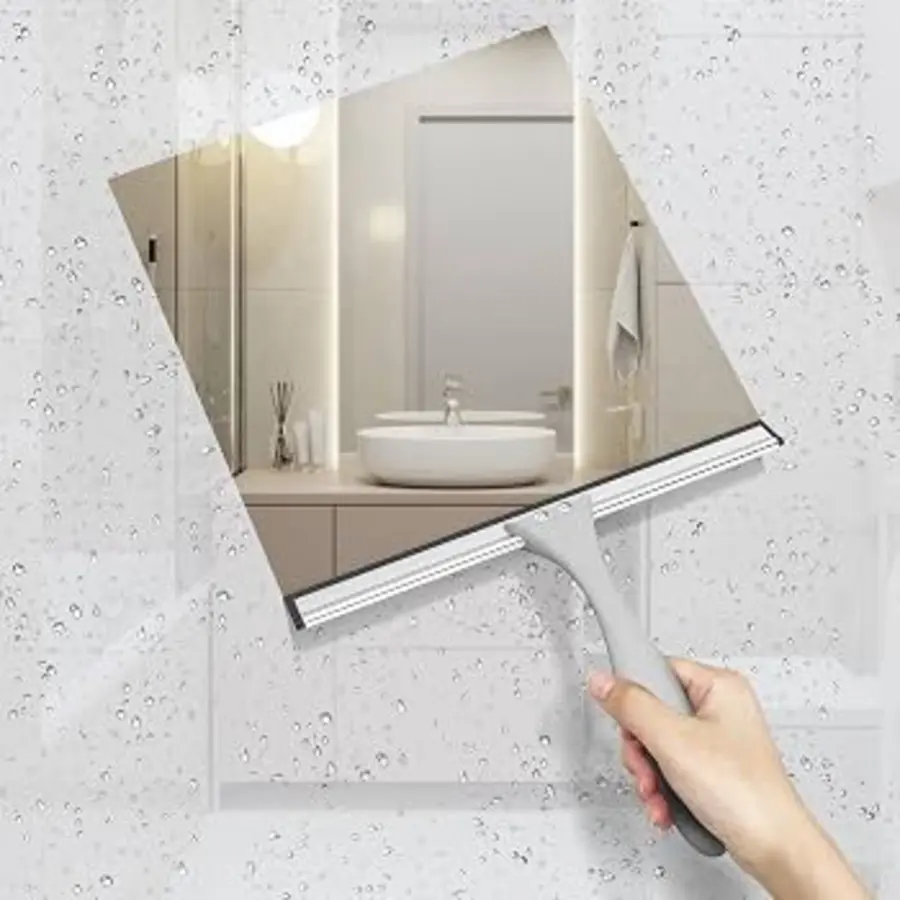
A squeegee or absorbent cloth can remove water carrying soap and minerals before it dries. This is most useful on smooth shower glass and walls. It does not need to become a major cleaning project; a brief wipe after the last shower can reduce the amount left to scrub later.
Source: m.media-amazon
5. Clean the dispenser and soap dish
The container can be the dirtiest-looking part of the setup. Rinse and dry a soap dish regularly. Wipe the pump, bottle neck, and tray beneath a liquid dispenser so dried drips do not build up.
6. Avoid letting residue dry for long periods
Fresh product film is generally easier to remove than a layer that has dried repeatedly and collected dust. Regular light cleaning is usually more manageable than waiting until glass, tile, or fixtures have a thick coating.
Which option should you choose?
Choose traditional bar soap if you prefer its feel, want a simple product with little packaging, or can keep it on a well-draining dish. It may work well in a bathroom where surfaces are rinsed and dried regularly, or where hard-water buildup is not a major issue.
Choose liquid soap or body wash if reducing classic soap scum is your priority, especially on shower glass and tile. Look for a formula that does not leave a heavy oily film, and use a stable dispenser or tray to contain drips.
If residue is the main problem, the most practical trial is to switch one product at a time. For example, use a liquid body wash for several weeks while keeping your rinsing and cleaning routine the same. If the white, chalky film decreases but a slick coating appears, the formula may be too rich rather than the format being unsuitable.
Bottom line
For the specific problem of traditional soap scum, liquid soap or body wash usually leaves less residue than traditional bar soap. But product ingredients, hard water, storage, and rinsing all affect the result. A well-drained bar may create less mess than a leaking pump, while a rich liquid cleanser may leave more film than a simple formula.
The best choice is the one that matches your water and cleaning routine: use a draining dish for bar soap, a contained dispenser for liquid products, rinse nearby surfaces, and remove wet residue before it dries.
References
- Bar soap is far superior to liquid body wash.. (n.d.). https://www.reddit.com/r/unpopularopinion/comments/tdkv05/bar_soap_is_far_superior_to_liquid_body_wash
- Does bar soap work better than liquid soap?. (n.d.). https://health.howstuffworks.com/skin-care/cleansing/products/bar-soap-liquid-soap.htm
- Preventing Soap Scum Buildup: Tips and Techniques. (n.d.). https://bringitoncleaner.com/blogs/news/preventing-soap-scum-buildup
- POLL: Liquid or Bar Soap?. (n.d.). https://www.houzz.com/discussions/3751580/poll-liquid-or-bar-soap
- Bar Soap vs. Liquid Soap: Key Differences. (n.d.). https://www.drsquatch.com/blogs/blog/bar-soap-vs-liquid-soap
- Do you use bar soap or liquid soap in the bathroom at home?. (n.d.). https://www.facebook.com/TravisMayfieldTV/posts/do-you-use-bar-soap-or-liquid-soap-in-the-bathroom-at-home/1212148265551274
- Soap Scum Investigation: Why Does Bar Soap Leave …. (n.d.). https://www.improveitusa.com/blog/soap-scum-investigation-why-does-bar-soap-leave-residue
- Is Bar Soap or Liquid Soap Better for Hand Washing?. (n.d.). https://theportablesink.com/bar-soap-liquid-soap-handwashing