Should a Bath Mat Go Inside or Outside the Shower?
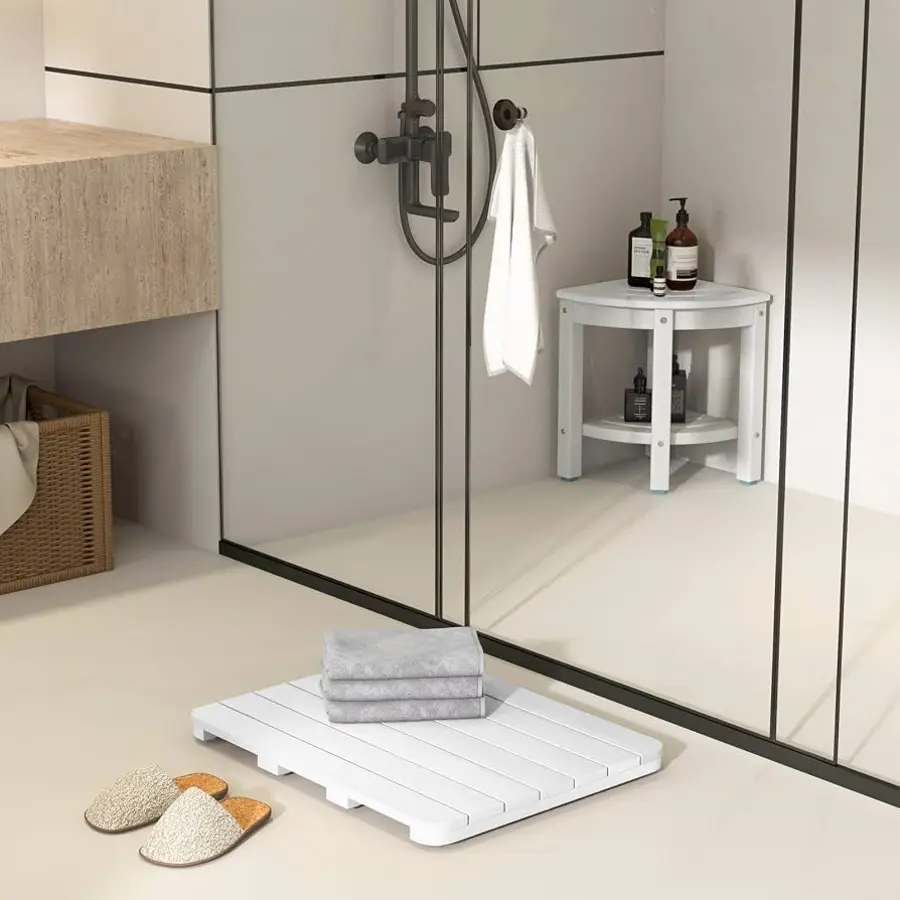
The best place for an absorbent bath mat is usually outside the shower, directly where you step out—not inside the shower itself. This placement catches water from your feet while keeping the fabric away from constant spray, standing water, and slow-drying conditions.
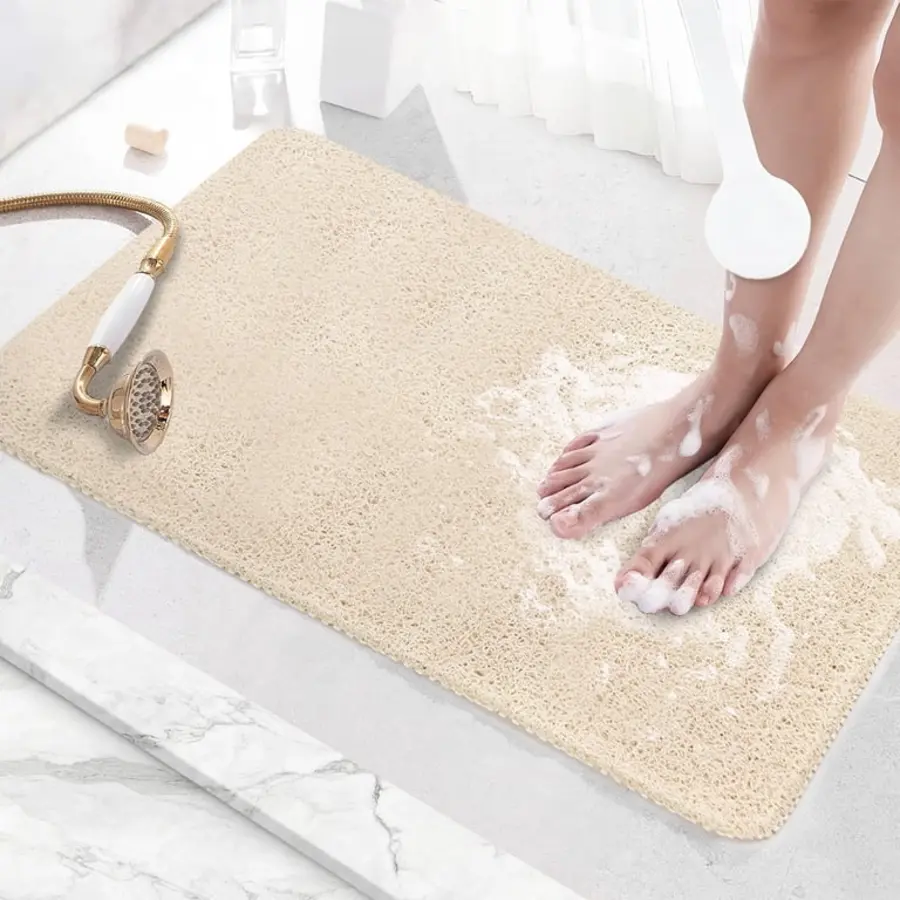
Inside the shower or bathtub, use a purpose-made rubber or textured shower mat only when you need additional traction and the product is designed for wet use. The right bath mat placement depends on the type of shower, the direction of water spray, the door or curtain, and how quickly the mat can dry.
The basic rule for bath mat placement
Think of the two mats as serving different jobs:
- An absorbent bath mat belongs outside the shower or tub, in the step-out area.
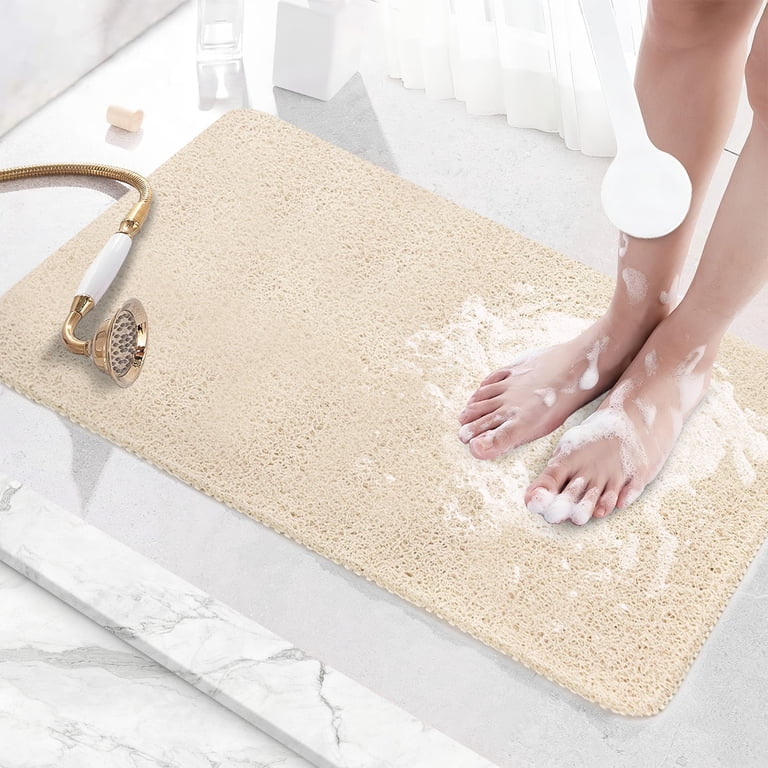
- A rubber shower mat belongs inside a tub or shower base when it is specifically made for use in standing water.
An absorbent mat inside the shower tends to stay wet, collect soap residue, and dry slowly. It can also interfere with the shower drain or become difficult to lift and clean. A rubber shower mat is designed to provide a more stable surface in the wet area, but it still needs regular cleaning and drying.
The ideal outside mat is close enough to catch water immediately but not so close that it blocks the door, bunches under the curtain, or remains in the spray zone.
Source: i5.walmartimages
Where to put a bath mat for different shower types
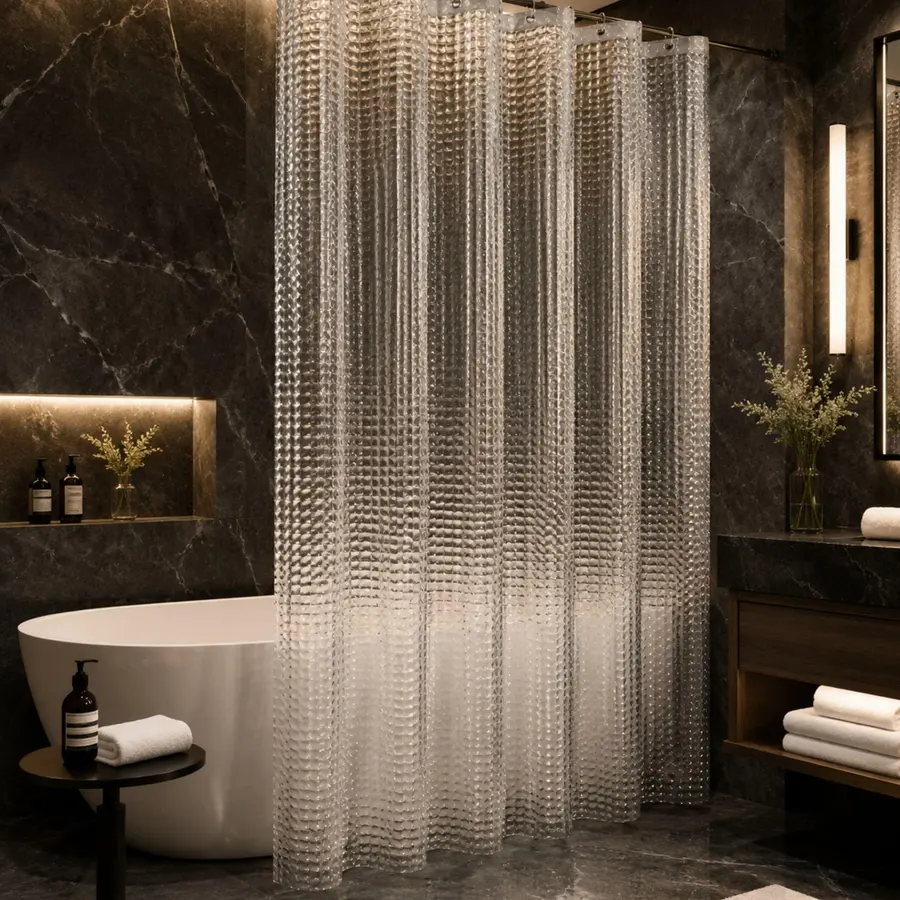
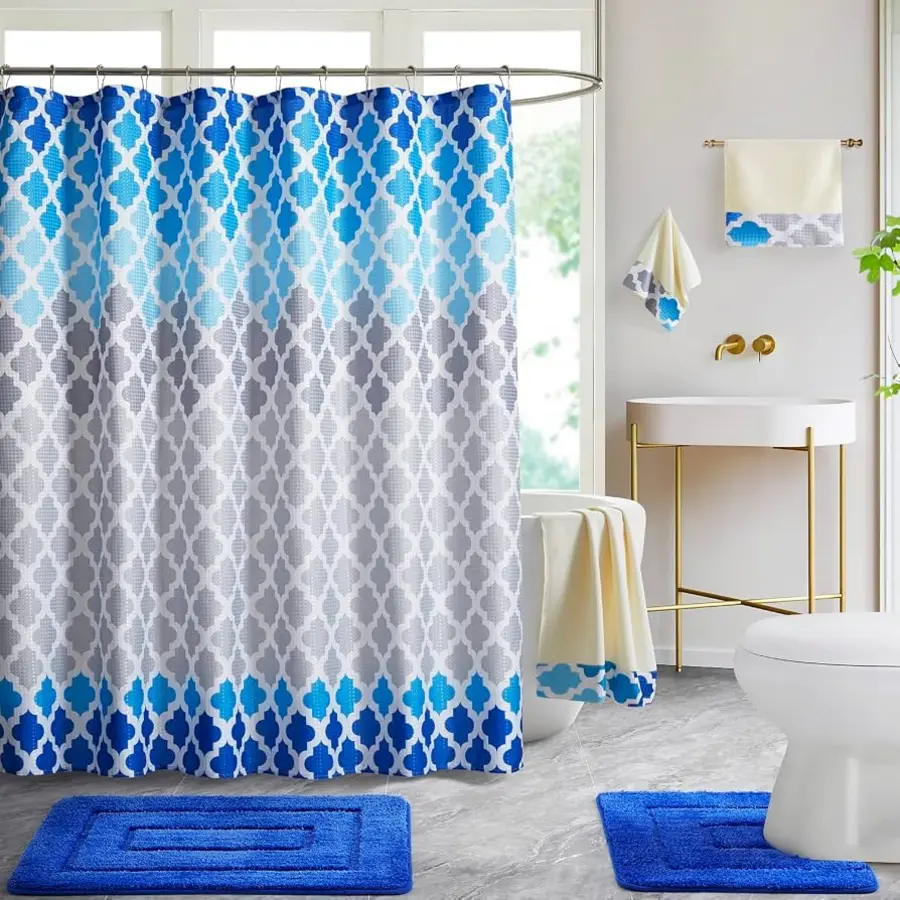
Bathtub with a shower curtain
Place the absorbent bath mat on the floor outside the tub, along the side where you step out. Keep it outside the curtain’s normal drip area as much as the room allows.
If the curtain hangs inside the tub, water can still escape at the opening or cling to the curtain hem. A mat that sits directly against the tub may catch some of that water, but it should not be pushed so far underneath the curtain that it becomes regularly soaked during a shower.
A rubber shower mat may be used inside the tub if the tub surface feels slippery. Choose one that is intended for tubs, lies flat, and does not cover or obstruct the drain. Remove it after use when possible so both the mat and tub can dry.
Bathtub with a glass door
The mat generally belongs outside the door, centered near the opening. Check where the door swings before choosing its position. A hinged door should open without striking the mat, folding it, or trapping its edge.
If the door opens into the bathroom, leave a clear path for the door and place the mat where your feet land after stepping over the tub wall. If the door slides, focus on the opening and the area where water tends to drip when the door is opened.
Walk-in shower
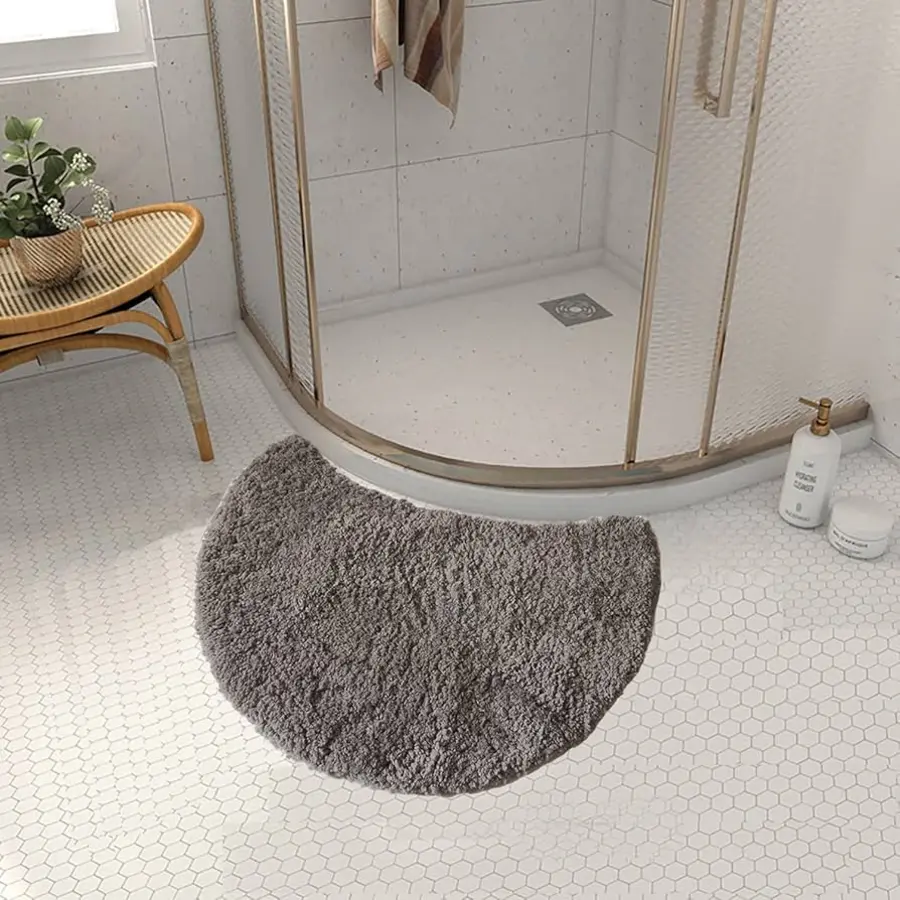
For a standard walk-in shower with a raised threshold or defined shower base, place the bath mat immediately outside the entrance. It should be near enough for both feet to reach it when you step out, while staying outside the area that receives regular spray.
With a hinged shower door, test the full swing before settling on the mat’s location. The mat should not prevent the door from opening fully or be pushed into a fold each time the door moves. With a sliding door, keep the mat clear of the track and the place where water runs off the door.
Curbless shower
Curbless showers have little or no raised edge, so water can travel farther across the bathroom floor. An absorbent mat can still go outside the shower, but placement requires more attention to the shower’s spray and drainage area.
Set the mat beyond the main wet zone rather than directly beside the shower head or open entry. If the mat becomes wet throughout its surface after every shower, move it farther away, improve the shower curtain or splash control, or consider whether the floor is draining as intended.
A low-profile mat is often easier to use in a curbless bathroom because it creates less of a trip or door-clearance problem. It should still lie flat and have a stable backing suitable for the floor surface.
Wet room
In a wet room, there may not be a reliably dry area immediately beside the shower. A conventional thick absorbent bath mat may remain damp if it sits within the room’s regular spray or drainage path.
Use a quick-drying mat only in an area that stays reasonably dry, and move or hang it up after use so air can reach both sides. Some bathrooms work better with a small mat placed just outside the wet room entrance rather than inside the room. Do not place a fabric mat over a floor drain or where it can slow the movement of water.
How to choose the exact spot
Use this simple placement check before buying or positioning a mat:
- Stand where you step out. Note where your feet naturally land after leaving the tub or shower.
- Watch the splash zone. Look for water that escapes at the curtain opening, door edge, or open side of the shower.
- Check the door or curtain. Make sure the mat does not block a hinged door, catch under a sliding door, or push the curtain out of position.
- Keep access clear. The mat should not obstruct the toilet, vanity, storage, or the route through the bathroom.
- Check the floor surface. A backing that grips one floor may slide on another, especially when the floor is damp. The mat should remain flat and stable.
- Plan for drying. Make sure you can lift, hang, or spread the mat so moisture does not remain trapped underneath.
The mat does not need to cover the entire area in front of the shower. It needs to cover the actual step-out zone without extending into places where it will be soaked, folded, or frequently walked around.
Should the mat touch the shower or tub?
It can sit close to the shower or tub, but it does not need to be pressed tightly against it. A small gap may help the floor and mat edge dry, especially when water collects along the base or threshold.
The more important question is whether the mat stays in the splash path. If the edge becomes wet every time someone showers, either move it slightly farther away or improve the shower’s water containment. A mat should catch water from your feet, not act as a permanent extension of the shower floor.
Absorbent bath mat versus rubber shower mat
| Type | Best location | Main purpose | Important care point |
|---|---|---|---|
| Absorbent bath mat | Outside the tub or shower | Dries feet and protects the floor from tracked water | Hang or spread it so it can dry |
| Rubber shower mat | Inside a tub or shower base | Adds traction on a wet bathing surface | Clean underneath it and remove it to dry when practical |
| Quick-drying mat | Outside or near a wet-room entrance | Handles repeated moisture with less drying time | Keep it out of the main spray and drainage path |
Do not substitute an absorbent bath mat for a shower mat inside a tub. Likewise, a rubber shower mat may not absorb the water left on your feet when you step onto the bathroom floor.
Common bath mat placement mistakes
- Putting a fabric mat directly inside the shower: It stays wet and can develop odors or residue.
- Leaving the mat under a shower curtain: The curtain may soak the mat during every use.
- Ignoring the door swing: A mat can bunch, slide, or prevent the door from opening normally.
- Covering a floor drain: This can interfere with drainage and leave the mat saturated.
- Using a mat that is too large: Oversized mats are more likely to fold around fixtures or become a trip obstacle.
- Never lifting the mat: Even a well-placed mat needs air underneath it and regular cleaning.
The practical answer
For most bathrooms, put the absorbent bath mat outside the shower or tub, directly in the step-out area but beyond the regular splash zone. Use a separate rubber shower mat inside the tub or shower only when it is made for wet-area use and can be cleaned and dried.
If you have a curbless shower or wet room, prioritize the driest usable location, keep the mat away from drains and door paths, and move it when needed so the floor and underside can dry.