Bathroom Cabinet Light Ideas for Functional Style
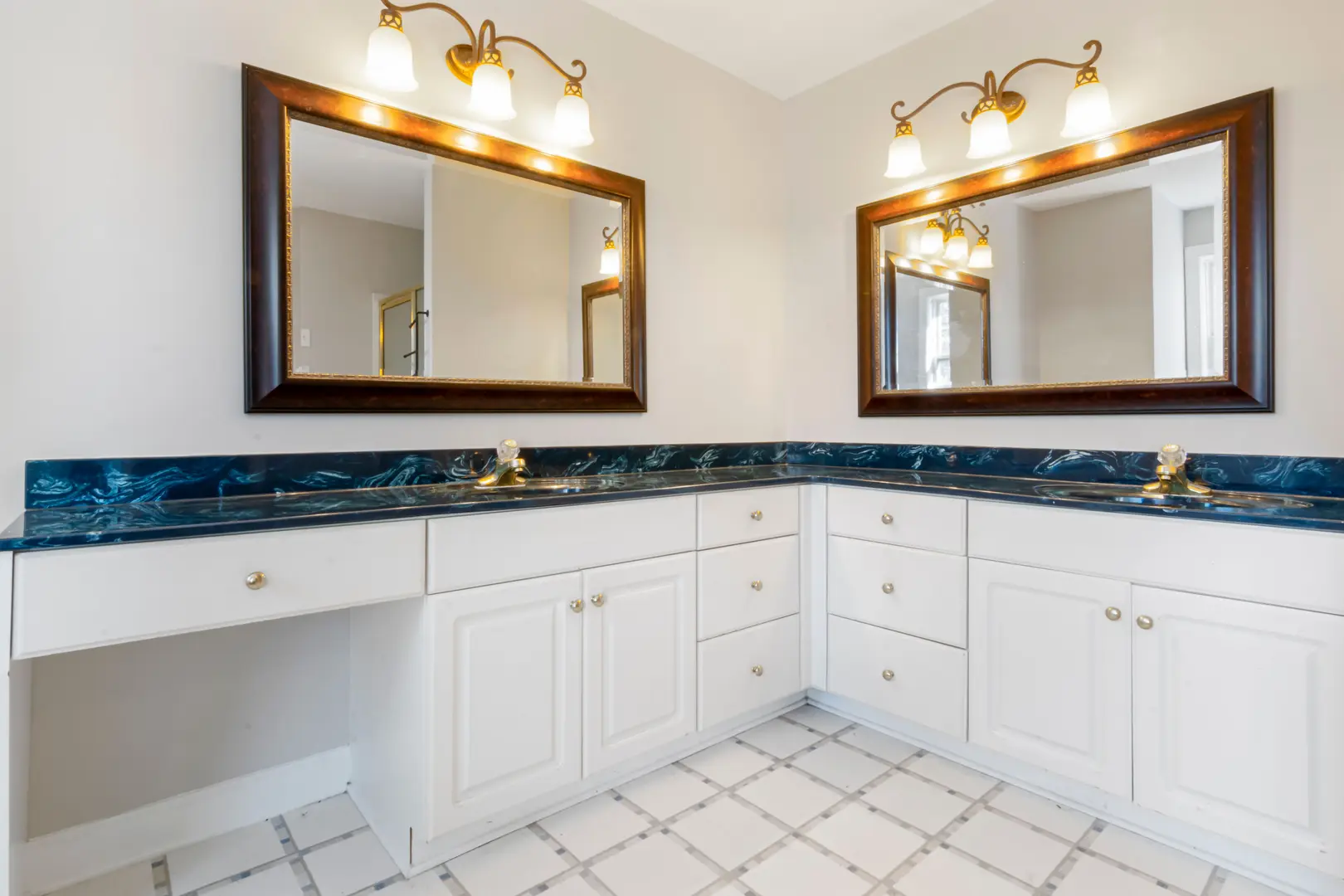
A well-planned bathroom cabinet light enhances both the functionality and appearance of the vanity area. Unlike a single ceiling fixture, cabinet lighting provides targeted illumination closer to mirrors, storage, and countertops, improving visibility for daily routines and creating a more welcoming atmosphere.
The best approach depends on the cabinet layout, available electrical connections, and desired mood. Options range from overhead fixtures to concealed LEDs and motion-activated lights, each contributing to practicality and style.
How Bathroom Cabinet Light Improves the Space
While general ceiling lighting can brighten a room, it may not adequately illuminate key areas. Shadows from cabinets, mirrors, and users can complicate grooming tasks. Strategically placed lighting near the cabinet and vanity fills these shadows, enhancing visibility.
Better lighting is crucial for shaving, makeup application, hair styling, and skincare routines. Light directed at the face or countertop minimizes shadows, making detail work easier. It also aids in finding toiletries without rummaging through dim shelves or drawers.
Cabinet lighting also serves a decorative function. A fixture above a mirror can frame the vanity, while under-cabinet lighting offers a soft, floating effect. Integrated lighting emphasizes cabinetry shape and finish, making storage part of the overall design.
Comfort matters as brightness can be overwhelming. Balanced lighting with both task and ambient sources avoids reliance on a single intense fixture, supporting accurate grooming in a pleasant environment.
Bathroom Cabinet Light Options to Consider
Various forms of bathroom cabinet lighting exist, each suited for specific functions. Visible fixtures can be decorative, while integrated or concealed lights offer a cleaner look. Some lights illuminate the face, others brighten work surfaces, and motion-activated options improve storage access.
Choosing the right light often means combining styles to address practical needs and add visual depth. Consider cabinet dimensions, mirror position, vanity layout, and existing room lighting when making a decision.
Lights Mounted Above Cabinets and Mirrors
Fixtures above cabinets or mirrors direct light toward grooming zones, reducing facial shadows for precision in routines. They also highlight the cabinet area as a visual feature.
Proper alignment is crucial. Fixtures that are off-centre can disrupt the balance of the setup. Ideally, the fixture should align perfectly with the mirror and sink.
Check these measurements before installation:
- Cabinet or vanity width
- Sink position
- Mirror size
- Fixture dimensions
Marking these positions helps identify potential conflicts, especially important if different contractors are involved in various installations. If the setup restricts adjustments, consider a fixture design that minimizes noticeable offsets.
Cabinets with Built-In Illumination
Built-in illumination is integrated into the cabinet’s structure, ensuring a consistent light spread while maintaining a streamlined look. This is particularly effective in modern bathrooms, where illumination enhances the cabinet’s edges, shelves, or surfaces.
Integrated lighting needs to align with usage. Mirror lighting aids grooming, interior lighting helps with storage access, and under-cabinet lighting functions as ambient or countertop illumination. Ensure the light’s position serves its main purpose.
Since the light is part of the cabinet, consider future access and operation. Coordinate controls, power connections, and placement before installation.
Under-Cabinet Lighting for Countertops
Under-cabinet lights softly illuminate the vanity surface, enhancing visibility of grooming tools and toiletries without making the surface overly bright. This light also bridges the gap between upper storage and the work surface.
Helpful where overhead lighting casts shadows, a concealed strip or slim fitting can brighten countertops while staying discreet. The effect is clean and understated.
In smaller bathrooms, under-cabinet lighting creates an open feeling by reducing dark areas. It also sets an evening ambiance when task lighting is unnecessary.
Position the light for consistent coverage across the countertop, avoiding obstructions like trims or uneven edges that could interrupt the glow.
Motion-Activated Cabinet Lighting
Motion-activated lights turn on automatically when detecting movement or opening the cabinet. This feature helps find toiletries at night without searching for a switch. Hands-free operation is convenient when handling towels, grooming items, or cleaning supplies.
Motion-activated lights conserve energy by operating only when needed, especially effective with efficient LED lighting. They turn off when the cabinet closes, reducing unnecessary use.
Sensor placement is key. Ensure stored products or surfaces don’t obstruct sensors, but position them to avoid frequent accidental activation from nearby movements. Testing before final installation ensures added convenience.
Planning Bathroom Cabinet Light for Use and Atmosphere
Successful lighting plans support clear vision without making the bathroom feel clinical. Task lighting provides accuracy around the mirror and countertops, while ambient lighting softens the room’s ambiance. Combining both adds versatility.
Identify functions in each cabinet area: the mirror needs face-level visibility, countertops require practical lighting, and interior shelves benefit from direct lighting. Once these needs are met, softer lighting can add warmth and interest.
Use Task Lighting for More Precise Grooming
Task lighting should ensure clear illumination for detailed tasks. Fixtures above the mirror, integrated lighting, or well-placed combinations minimize shadows, making grooming comfortable.
Placement is as crucial as brightness. Misplaced bright sources can create glare. Lighting should align with the mirror, sink, and user position, not just follow the wall’s centre.
For effective task lighting:
- Establish where the user stands.
- Identify shadowed areas.
- Align lights with the grooming zone.
- Avoid cabinet door obstructions.
- Add softer support light if needed.
This approach emphasizes practical visibility without overwhelming the room with brightness.
Add Character with Ambient Cabinet Illumination
Ambient lighting shapes mood rather than providing complete task lighting. Concealed lighting below cabinets, along edges, or across open shelves brings ambiance and personality to a bathroom.
It adds visual depth by enhancing textures and material transitions. Light grazing over surfaces prevents the vanity wall from appearing flat.
Use ambient lighting sparingly to complement the cabinet. Concealed fixtures keep the glow visible, hiding hardware. This combines with task lighting for an inviting bathroom that energizes in the morning and relaxes in the evening.
Select a Light Colour Temperature
Colour temperature impacts function and atmosphere. The right choice depends on bathroom use and desired material appearance.
| Light appearance | Best suited to | Overall effect |
|---|---|---|
| Warm white | Relaxing routines and spa-like schemes | Cosy, soft, and inviting |
| Neutral white | General grooming and multipurpose bathrooms | Balanced and natural-looking |
| Cool white | Detailed tasks requiring crisp visibility | Clear, focused, and contemporary |
Warm white suits comfort and natural textures. Neutral white offers a versatile middle ground for grooming and relaxation. Cool white boosts clarity for detailed tasks, though using it throughout may create a less restful mood.
Coordinate colour temperature among cabinet lights unless contrasting tones serve a design purpose. Mismatched tones can disrupt aesthetic harmony.
The Everyday Advantages of Bathroom Cabinet Light
Cabinet lighting enhances daily comfort by illuminating where needed most. Users can see grooming tools, countertops, and cabinet contents more clearly, easing busy routines. Improved visibility supports safety by making obstacles and spills more noticeable.
LED cabinet lights can reduce energy usage, especially when combined with controls preventing unnecessary operation. Motion activation adds convenience and limits wasted light.
Everyday benefits include:
- A brighter, airier vanity
- Hands-free cabinet access
- Reduced reliance on harsh ceiling fixtures
- Comfortable nighttime use
- Enhanced visual depth in compact bathrooms
- Flexible lighting for various routines
Benefits are strongest when lights have clear purposes. Proper placement and balanced brightness matter more than sheer quantity.
Ensure Proper Electrical Connections for Bathroom Cabinet Lights
New cabinet lights require secure power and correct electrical setups. Before installation, ensure the appropriate circuit supplies the lighting and that power reaches the intended connection point, avoiding surprises after fixtures are installed.
Coordinate the electrical layout with cabinet design, especially for integrated and under-cabinet lights with different connection needs. Consider motion sensors and controls in the plan.
A suggested order of steps:
- Confirm cabinet, mirror, and light positions.
- Check available power circuits and connections.
- Plan light control or activation methods.
- Ensure wiring won’t interfere with cabinet features.
- Test lights and controls before finalizing finishes.
Qualified professionals should handle bathroom electrical work to meet applicable standards. Never assume existing wiring suits new cabinet lights; proper checks prevent issues and rework.
Ways to Style Bathroom Cabinet Lighting
Layering offers effective styling: combine task lighting above or around mirrors with softer under-cabinet or interior illumination. This achieves useful brightness and adds depth and ambiance.
Conceal fixtures for a minimalist look. Hide them beneath cabinets or within recesses, focusing attention on the glow. For visible fixtures, match finishes with taps, handles, and frames for cohesiveness.
Proper placement can alter cabinet perception. Lighting beneath wall-mounted units lightens their visual weight, while light around mirrors creates focal points. Interior lighting accentuates storage and displays without cluttering walls.
Measure all elements before ordering or installing, comparing light widths to mirrors and vanity, checking centre lines, and ensuring door clearances. Mark outlines to review compositions; precise alignment prevents costly errors.
Create a More Elevated Bathroom with Cabinet Light
Bathroom cabinet lighting excels when efficiency and ambiance are balanced goals. Clear light around mirrors aids grooming, while soft under-cabinet or interior lighting adds depth and refinement.
For modern bathrooms, integrated lighting and clean lines emphasize structure. In spa-like settings, warm ambient light softens the vanity, creating a calming atmosphere. Motion activation enhances convenience, especially at night.
Plan together—cabinet, mirror, wiring, and fixtures. Thoughtful positioning, coordinated colour temperature, and proper electrical connections elevate visibility and lend an inviting character to the entire room.