Why Is Water Dripping From My Bathroom Exhaust Fan?
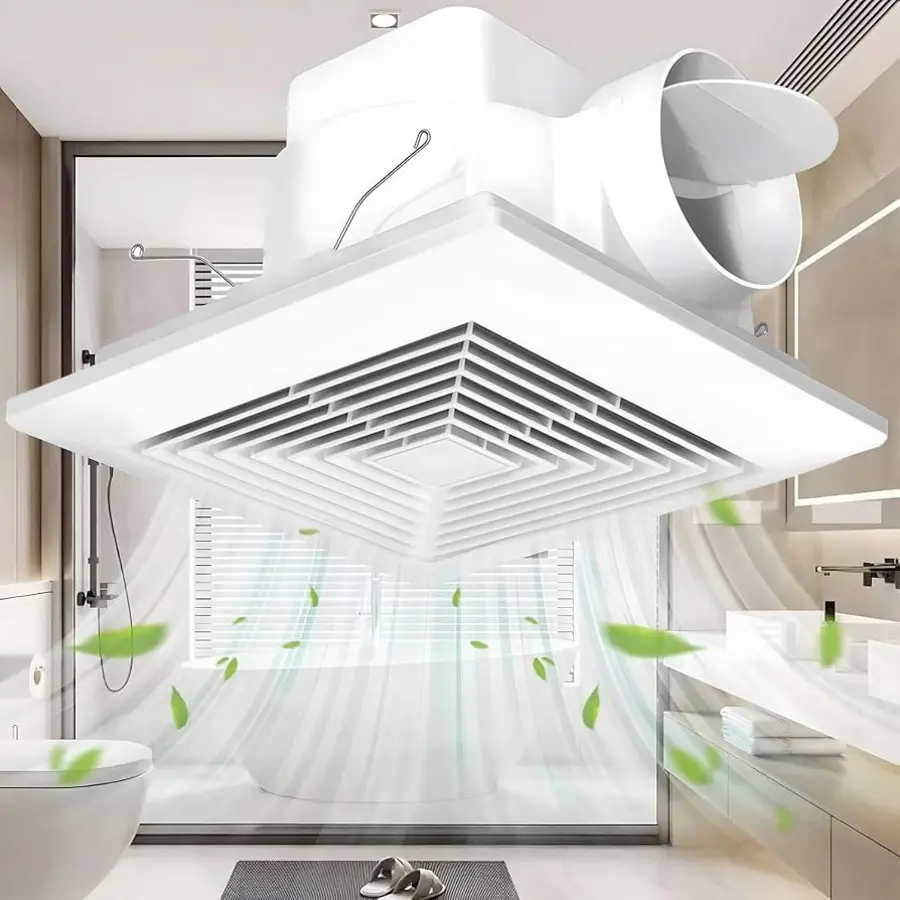
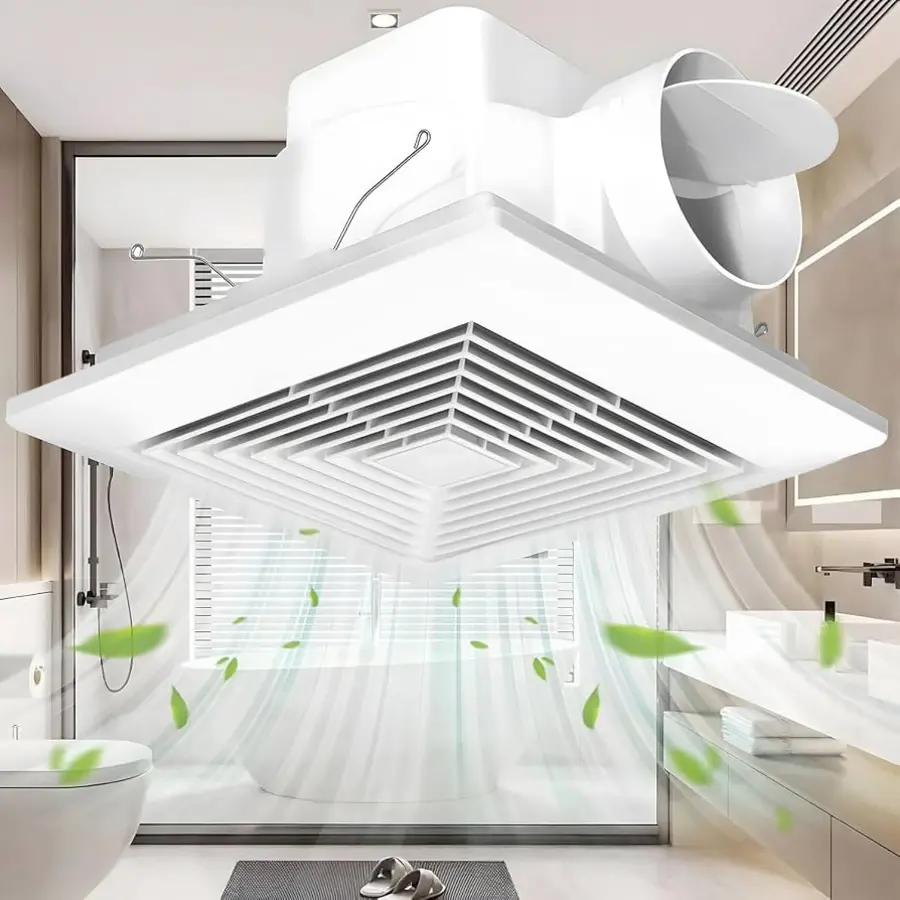
Water dripping from a bathroom exhaust fan is most often caused by condensation inside the exhaust duct, especially if it happens during or shortly after a hot shower and is worse in cold weather. Warm, damp bathroom air travels into a cold duct, turns into water on the duct interior, and can run back down through the fan grille.
Do not assume it is only condensation, though. A bathroom fan leaking water can also point to rain entering around a roof vent, a roof leak, or a plumbing leak above the ceiling. Treat active dripping around an electrical fan seriously: stop using the fan, keep people clear of the wet area, and avoid touching the grille, switch, or fan housing if they are wet.
Start With Basic Electrical Safety
A wet bathroom fan grille is not a cleaning problem to handle first. Water may be sitting inside or above the fan housing.
- Do not run the fan while it is dripping or while the grille is wet.
- Do not remove the grille or reach into the housing while power may be on.
- If you can do so without standing in water or touching wet electrical equipment, turn off the fan circuit at the electrical panel.
- Place a container or towels below the drip to protect the floor, but do not set up a ladder beneath an active leak.
- If water is coming from the fan along with flickering lights, a burning smell, buzzing, a tripped breaker, or visible damage to wiring, leave the circuit off and contact an electrician promptly.
If the ceiling is sagging, stained over a broad area, or releasing more than a few drops, the water source needs prompt attention before the ceiling material is disturbed.
The Timing of the Drip Is the Best First Clue
When the water appears often narrows down the cause. Make a note of whether the drip follows a shower, rain, use of an upstairs bathroom, or a particular weather pattern.
| When water appears | More likely cause | What it suggests |
|---|---|---|
| During or soon after showers | Condensation in bathroom exhaust duct | Humid air is cooling inside the duct and draining back toward the fan. |
| Mainly in cold weather | Condensation, poor duct insulation, or attic moisture | The temperature difference between indoor air and the attic or outdoors is greater. |
| During or after rain | Roof leak or a problem at the exterior vent cap | Water may be entering around roof flashing, a cap, or another opening above. |
| When an upstairs shower, toilet, or sink is used | Plumbing leak | A supply line, drain, fixture seal, or pipe connection may be leaking. |
| At unpredictable times, including dry weather | Condensation, plumbing, or attic moisture | Further inspection is needed; do not rely on timing alone. |
A drip that starts after showering and stops once the bathroom dries out is a common condensation pattern. A drip that appears only when rain falls deserves a roof and exterior vent inspection instead of a duct-insulation-only fix.
Why Condensation in a Bathroom Exhaust Duct Happens
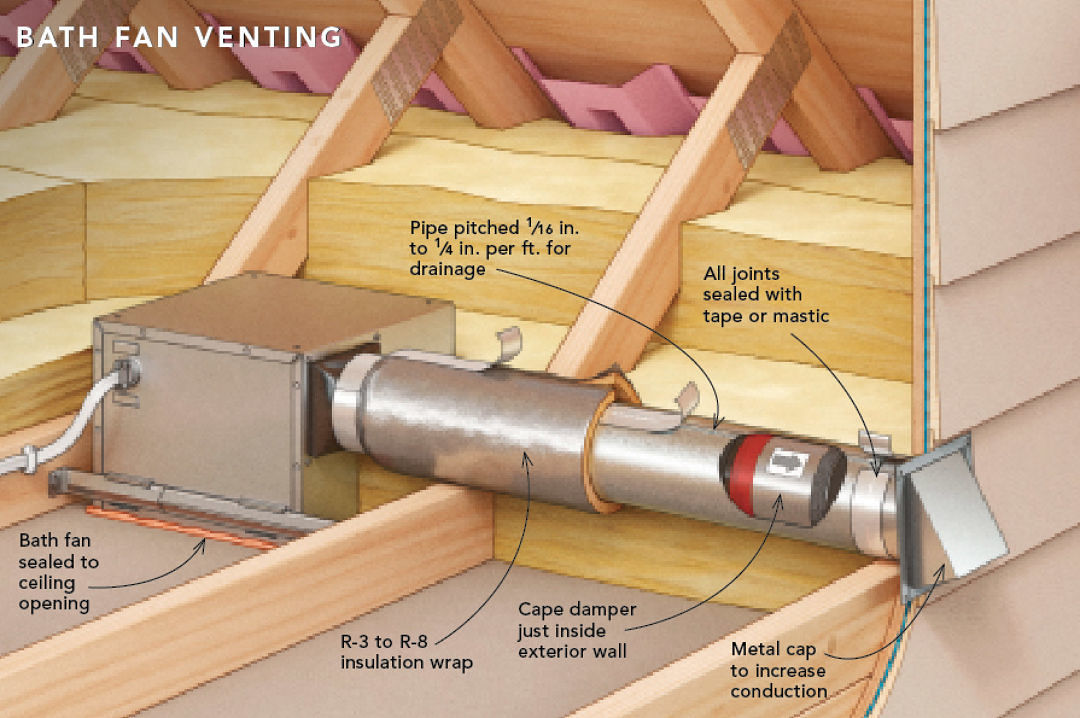
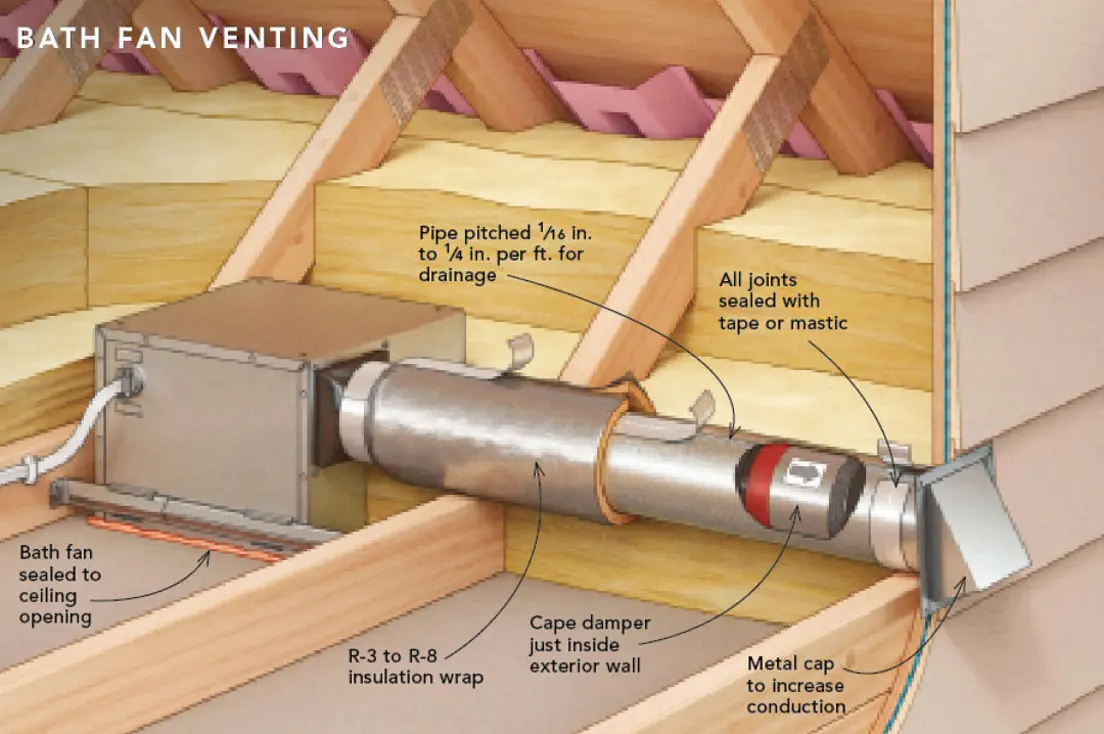
A fan removes moist air only if it can move that air efficiently all the way outdoors. The air inside the duct is warm and humid after a shower. If the duct passes through a cold attic, crawlspace, or exterior wall, its surface can be cool enough for moisture to collect inside.
Over time, droplets can gather in low spots, seams, or sagging flexible duct. When enough water collects, it travels back toward the fan and emerges through the grille.
Common contributors include:
- An uninsulated duct in a cold attic or other unconditioned area.
- A long duct route with unnecessary bends.
- Flexible duct that sags and creates places for water to pool.
- Loose, crushed, disconnected, or poorly sealed duct sections.
- A blocked exterior cap, stuck damper, or other restriction that slows airflow.
- A fan that vents into the attic rather than outdoors.
- A fan that is not moving enough air because of dirt, damage, poor installation, or an unsuitable duct arrangement.
Source: images.finehomebuilding
Winter can make an exhaust fan dripping after a shower more noticeable because the attic and outdoor air are colder while shower air remains warm and moisture-heavy. That larger temperature difference makes condensation more likely. Summer humidity can also contribute when damp outdoor conditions and cooled building surfaces create favorable conditions for moisture.
How to Tell Condensation From a Roof Leak
Condensation and roof leaks can both leave a wet bathroom fan grille, but the surrounding signs differ.
Signs that point to condensation
Condensation is more likely when:
- The dripping follows baths or showers.
- The problem is worse during cold spells.
- There is no clear connection to rain.
- The fan duct runs through an attic or another cold space.
- The bathroom feels steamy for a long time after bathing.
- The fan grille has moisture without a spreading ceiling stain around it.
The permanent fix is usually related to the exhaust route: a properly connected, insulated, supported duct with a direct path to an exterior termination, plus a fan that is actually exhausting air outside.
Signs that point to rain intrusion or a roof leak
A roof-related problem is more likely when:
- Dripping begins during rainfall or shortly afterward.
- Water stains spread beyond the fan opening.
- The ceiling area feels soft, bubbles, or discolors.
- The roof vent cap, flashing, shingles, or nearby roof area may be damaged.
- The fan has not been used recently, yet water still appears after rain.
Rainwater can enter around a roof penetration or exterior vent cap. It may also travel along framing or ductwork before reaching the fan, so the wet grille is not always directly below the actual roof problem. A roofer or qualified building-envelope professional can identify the source without treating the fan opening as proof of where the leak begins.
Do Not Overlook a Plumbing Leak
If a bathroom or laundry area sits above the ceiling, a leak from plumbing is possible. The timing matters: water that appears when someone uses an upstairs shower, tub, toilet, or sink should not be dismissed as fan condensation.
Look for related clues such as dampness near upstairs fixtures, a persistent ceiling stain, or dripping that continues long after the bathroom fan has been off. Do not cut into a wet ceiling or open an energized fan housing to investigate. A plumber or leak-detection professional may need to trace the source.
What You Can Check Safely
Once the dripping has stopped and the fan circuit is off, limit your checks to dry, accessible areas. If you are not comfortable around electrical fixtures, attic access, or roof work, skip inspection and arrange professional help.
Check the bathroom side
From the floor, look for peeling paint, staining, mold-like spotting, or a ceiling area that appears swollen. Note whether the grille is wet only in its center or whether the ceiling around it is also wet. Take photos before cleaning anything; they can help a roofer, electrician, or ventilation contractor understand the pattern.
If the grille is dry and you are certain power is off, it may be cleaned according to the fan manufacturer’s instructions. Cleaning dust from a grille can improve airflow, but it will not solve water collecting in the duct.
Check the exterior termination from the ground
If the exhaust exits through a wall, look for obvious blockage at the exterior hood. If it exits through the roof, inspect only from a safe viewing position on the ground. Do not climb onto a wet, icy, steep, or unfamiliar roof to examine a vent cap.
A visible obstruction, damaged cap, or exterior flap that appears stuck can explain poor airflow or rain entry, but the repair may still require a qualified professional.
Check an attic only when it is safe and dry
A dry, well-lit attic may reveal disconnected ductwork, crushed flex duct, uninsulated sections, wet insulation, or water trails near the roof penetration. Avoid stepping off structural walking surfaces, avoid compressed or wet insulation, and do not handle ductwork close to wiring or a wet fan box.
If you see active water, extensive wet insulation, staining around the roof opening, or a duct that is loose or disconnected, stop there and arrange repair. The right trade is usually a ventilation contractor for duct routing and insulation, a roofer for suspected roof entry, and an electrician when the fan or its wiring has been exposed to water.
Fixes That Match the Cause
The repair should match the source rather than simply replacing the fan.
For duct condensation
A ventilation professional may correct the duct route, secure and seal connections, remove sags, and insulate duct sections that pass through cold spaces. The duct should terminate outdoors, not in an attic, crawlspace, or other enclosed building space. The exterior cap and backdraft damper should also be checked for proper operation.
If the fan is weak, excessively noisy, or not drawing steam out effectively, it may need cleaning, repair, or replacement. A larger fan alone is not a reliable answer when the duct is restricted, poorly routed, or improperly insulated.
For a roof or exterior-cap leak
A roofer should inspect the roof covering, flashing, vent penetration, and cap. Sealing from inside the bathroom is not a dependable substitute for correcting water entry at the exterior.
For a plumbing leak
A plumber should locate and repair the leaking line, drain, or fixture connection. Ceiling and fan repairs should wait until the water source is controlled and affected materials have been evaluated.
For water exposure at the fan itself
If water reached the motor, wiring, or electrical box, have an electrician assess it before restoring power. Do not assume a fan is safe simply because it runs after drying.
Prevent a Repeat Problem
After the underlying defect is repaired, everyday moisture control helps reduce strain on the exhaust system. Run the bathroom fan while bathing and continue using it afterward according to the fan manufacturer’s guidance or an installed timer setting. Keep the grille reasonably clean so airflow is not restricted, and avoid blocking the bathroom door gap or other planned air path into the room.
Most importantly, address recurring water promptly. A bathroom exhaust fan dripping water is often a manageable duct-condensation issue, but the same symptom can signal a roof, plumbing, or electrical problem. The shower-to-drip timing is useful evidence, not a final diagnosis. When water is active, widespread, rain-related, or near electrical parts, a professional inspection is the safer next step.
References
- Why Does Water Drip from the Bathroom Exhaust Fan? | Networx. (n.d.). https://www.networx.com/article/water-drips-from-bathroom-exhaust-fan
- Stop Water Dripping from Bathroom Exhaust Fan Permanently. (n.d.). https://onsitepro.org/water-dripping-from-bathroom-exhaust-fan
- Why Is Water Dripping from My Bathroom Fan? | Family Handyman. (n.d.). https://www.familyhandyman.com/article/why-is-water-dripping-from-my-bathroom-fan
- Why Your Bathroom Fan Is Dripping Water - Moisture Flow®. (n.d.). https://moistureflow.com/why-your-bathroom-fan-is-dripping-water
- Water dripping out of bathroom vent fan : r/HomeImprovement. (n.d.). https://www.reddit.com/r/HomeImprovement/comments/jgyjo5/water_dripping_out_of_bathroom_vent_fan
- Drips from a bathroom fan are usually caused by …. (n.d.). https://www.facebook.com/TheFamilyHandyman/posts/drips-from-a-bathroom-fan-are-usually-caused-by-condensation-but-a-roof-leak-can/1309494231226346
- Bathroom Exhaust Fan Woes: Why Is It Dripping Water? Uncover the Hidden Truth - HomeFixMagic. (n.d.). https://homefixmagic.com/why-is-my-bathroom-exhaust-fan-dripping-water
- Why Your Bathroom Fan Is Dripping Water (And How to Stop It for Good) - Moisture Flow®. (n.d.). https://moistureflow.com/why-your-bathroom-fan-is-dripping-water-and-how-to-stop-it-for-good