Bathroom Mirror Buying Guide: Choosing the Right Mirror
Choosing a mirror involves more than finding a style that matches the décor. Size, lighting, moisture resistance, storage, power supply, and installation all affect how well it works. This bathroom mirror buying guide explains the main options and helps you select a mirror that is practical, durable, and visually balanced.
What Benefits Does a Bathroom Mirror Provide?
A bathroom mirror is essential for everyday grooming, including shaving, applying makeup, styling hair, and checking your appearance. A clear, conveniently positioned mirror makes these tasks easier and helps the bathroom function effectively.
Mirrors also influence how the room feels. By reflecting the surrounding space, they can make a small or enclosed bathroom appear larger. A generously sized mirror is particularly useful when you want to create a more open look without changing the room’s physical layout.
Natural light is another consideration. A well-positioned mirror reflects daylight around the room, making the bathroom feel brighter. The result depends on the location of windows and light sources, so consider what the mirror will reflect before choosing its position.
Are Standard Mirrors Suitable for Bathroom Use?
A regular mirror may not be the best choice for a humid bathroom. Steam and moisture can affect mirrors that have not been designed for damp conditions. Over time, moisture may damage the reflective surface or reach vulnerable edges and backing materials.
The frame can also be a concern. A standard decorative frame may deteriorate, swell, corrode, or lose its finish when regularly exposed to bathroom humidity, depending on its material.
For better longevity, choose a mirror made or specified for bathroom use. Look for moisture-resistant construction and a frame or finish suited to humid conditions. This is especially important in bathrooms that become very steamy or have limited ventilation.
How Do You Choose the Right Bathroom Mirror Size?
The vanity is a useful starting point when deciding on mirror width. In most layouts, a mirror that relates closely to the width of the vanity creates a coordinated appearance. A mirror that is dramatically narrower may look disconnected, while one that extends far beyond the vanity may overwhelm the area.
Consider these factors:
- Vanity width: Select a mirror that feels proportionate to the basin and surrounding furniture.
- User height: Make sure the reflective area is positioned so everyone who regularly uses the bathroom can see comfortably.
- Available wall space: Account for lights, sockets, cabinets, windows, and other nearby fittings.
- Viewing needs: A larger mirror provides more viewing angles and can be useful in a shared bathroom.
- Visual impact: Large mirrors tend to make the room look brighter and more spacious.
Mirror height is just as important as width. A tall mirror can accommodate users of different heights and show more of the body, while a shorter design may be enough for basic grooming. Before ordering, mark the proposed dimensions on the wall to judge how the mirror will relate to the basin and room.
Which Types of Bathroom Mirrors Are Available?
Bathroom mirrors are available in several forms, each suited to different priorities.
- Wall mirrors provide a simple reflective surface and are available in many shapes and sizes.
- Illuminated mirrors incorporate lighting to support grooming and brighten the basin area.
- Mirror cabinets combine a mirror with concealed storage.
- Magnifying mirrors provide a close-up view for detailed grooming.
- Mirrors with shelves offer accessible storage without the full depth of a cabinet.
- Feature-rich mirrors may include Bluetooth connectivity, digital clocks, demisting pads, or shaving sockets.
Start by deciding which function matters most. If the bathroom already has enough storage and lighting, a straightforward wall mirror may be sufficient. If space is limited, a mirrored cabinet or shelf can make better use of the wall. For a bathroom where lighting and steam are common problems, an illuminated, demisting model may be more practical.
How to Choose the Best Quality Bathroom Mirror
A low-quality mirror can reduce the longevity and overall success of a bathroom update. It may look acceptable initially but prove less satisfactory when exposed to regular humidity and daily use. Quality is therefore important for both appearance and function.
When comparing mirrors, consider:
- Bathroom suitability: Confirm that the mirror and any frame are intended for humid environments.
- Reflection quality: Look for a clear, even reflection that supports everyday grooming.
- Construction: Check that the edges, backing, frame, cabinet, and fittings feel durable.
- Electrical features: For illuminated or powered mirrors, verify the appropriate bathroom safety compliance.
- Hardware: Ensure that suitable installation fittings are supplied or can be obtained for your wall type.
- Useful features: Pay for additions such as lighting, demisting, or storage when they solve a genuine need rather than simply adding complexity.
- Design compatibility: Choose a finish and shape that complement the vanity, taps, lighting, and wider bathroom style.
A successful remodel depends on details that continue to work after installation. A durable, attractive mirror can help the finished bathroom feel cohesive while remaining practical over time.
Bathroom Wall Mirrors: Shapes, Sizes, and Installation
Wall mirrors are among the most versatile choices. They come in a broad range of dimensions and shapes, making it easier to find an option for a compact cloakroom, a standard family bathroom, or a large vanity area.
Rectangular mirrors are popular because they align naturally with vanities and cabinets. They also provide a broad, practical viewing area. Round mirrors introduce softer lines and can contrast attractively with rectangular tiles, furniture, and fittings.
Other variations may include framed and frameless designs, portrait or landscape orientation, and different decorative finishes. Consider whether the shape supports the room’s visual balance rather than choosing it in isolation.
Wall mirrors are generally straightforward to install, but their weight and the wall construction matter. Use fixings appropriate for the installation surface, and follow the manufacturer’s instructions. Powered mirrors require additional planning because their electrical connection or battery access must also be accommodated.
Should You Choose One Mirror or Two?
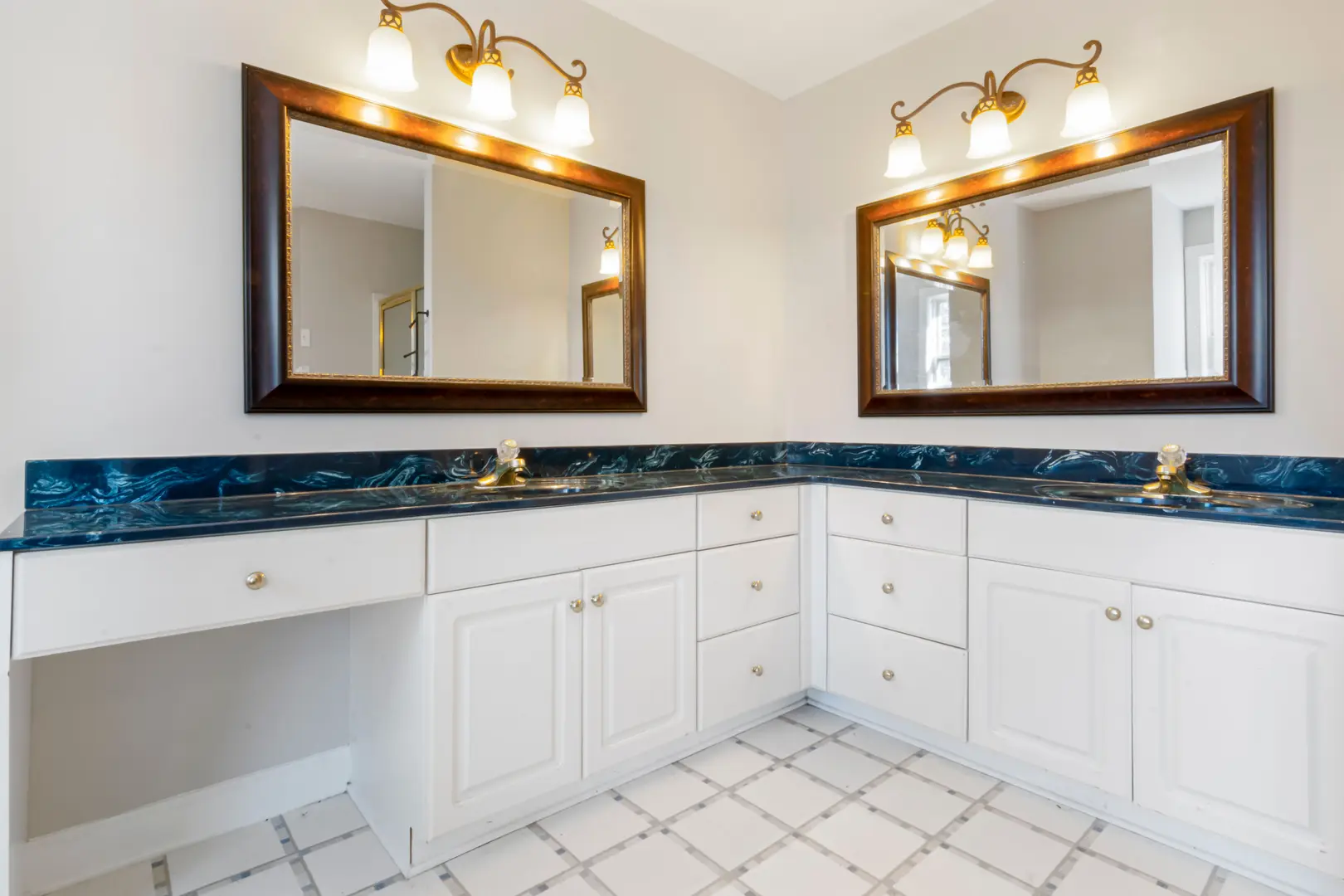
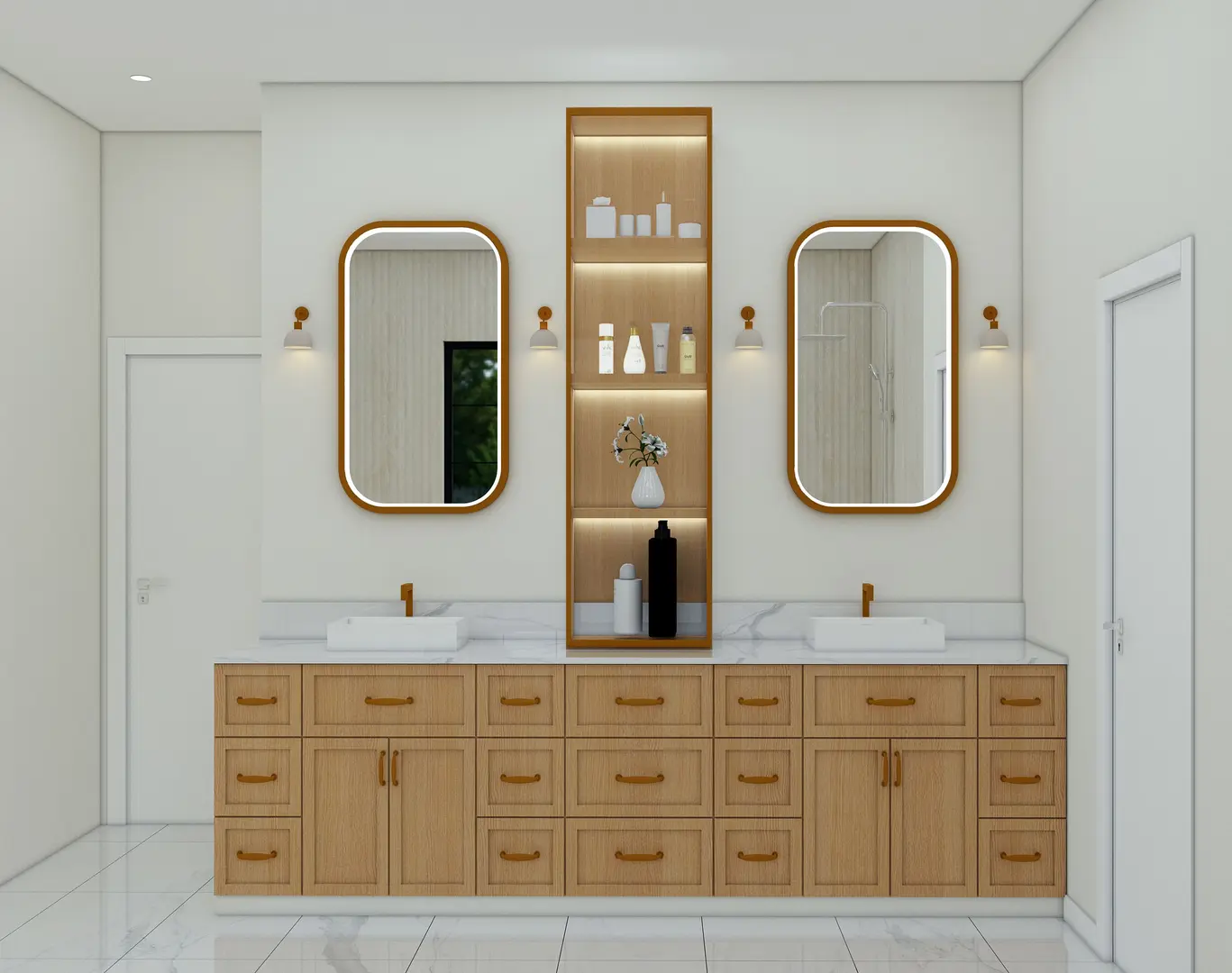
Two mirrors are a natural choice for a dual vanity. Positioning one above each basin gives both users a dedicated grooming area and reinforces the symmetry of the layout. Separate mirrors can also create an impression of greater space by breaking up a large wall.
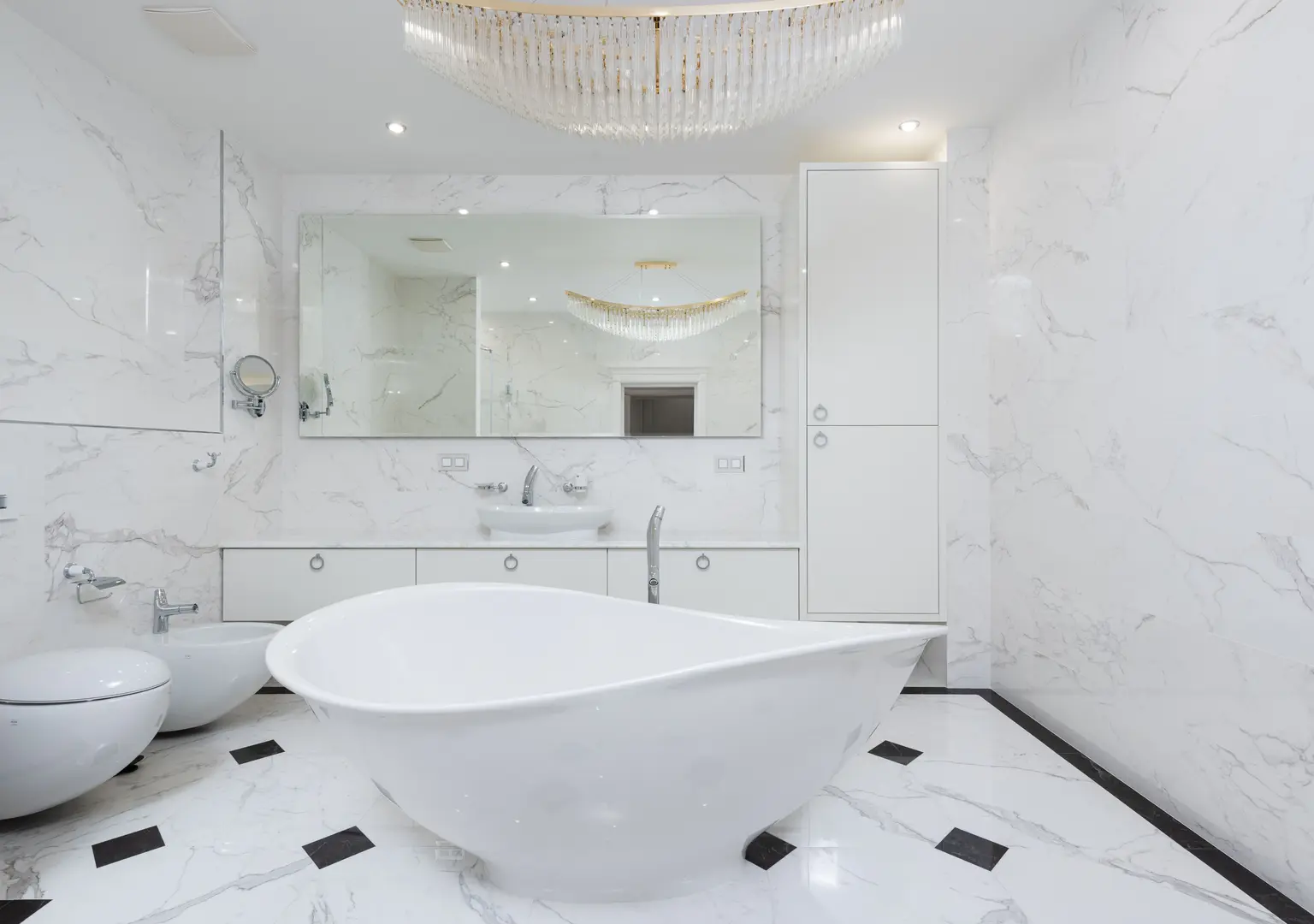
One wide mirror is another effective option. It provides a continuous reflection and can visually connect both basins and the vanity below. In some rooms, this creates a calmer and more balanced appearance than two separate pieces.
Base the decision on:
- The number and position of the basins
- The width of the vanity
- The placement of wall lights and other fittings
- Whether the room benefits from symmetry or a continuous reflective surface
- The amount of wall area available
Two mirrors usually work best when the basins and fittings are evenly arranged. A single wide mirror can be more forgiving where the vanity layout is less symmetrical.
What to Know About Illuminated Bathroom Mirrors
Illuminated mirrors combine a reflective surface with integrated light. Many use LED lighting intended to resemble natural daylight, helping users see their reflection clearly during grooming.
Models are commonly available with mains or battery power. Mains-powered mirrors offer an integrated setup but need a suitable electrical connection. Battery-powered options may be useful when a mains connection is unavailable, although the batteries must remain accessible for replacement.
Lighting placement has a major effect on usability. A light located directly above a mirror may not provide the most useful illumination for every grooming task. Integrated lighting around the mirror can distribute light across the reflective area more evenly. Assess both the mirror light and the room’s existing lighting rather than expecting one fitting to solve every issue.
Fogging is another common concern. Steam from a hot shower can condense on the mirror, especially when ventilation is inadequate. Running an exhaust fan may help, but ventilation alone might not keep the surface clear when heat and humidity are high.
An illuminated mirror with an auto-demisting pad can keep the treated area clearer after a shower. Anti-fog products, such as Rain-X or similar treatments, may also reduce misting, although results depend on application and they may not prevent fogging completely. Always check that a treatment is suitable for the mirror and follow its instructions.
Are Bluetooth Bathroom Mirrors Worth Considering?
A Bluetooth bathroom mirror connects to a compatible phone or music device, allowing audio to be played through the mirror’s integrated system. This may appeal to anyone who listens to music or other phone audio while getting ready.
Bluetooth models often combine several functions in one unit, including:
- Integrated LED lighting
- Auto-demisting technology
- A digital clock
- Audio connectivity
Whether these features are worthwhile depends on how the bathroom is used. A Bluetooth mirror can reduce the need for separate devices and create a streamlined vanity area. However, a simpler illuminated mirror may be more suitable if audio and a digital clock are unlikely to be used.
When comparing models, prioritize bathroom suitability, electrical safety, mirror quality, and lighting performance before considering optional technology.
Bathroom Mirrors with Shaving Sockets and Safety Features
Some bathroom mirrors include integrated shaving sockets that can be used to charge compatible grooming devices. This feature keeps charging access close to the basin area and can reduce the need to store devices elsewhere.
Because water and electricity are present in the same environment, safety compliance is essential. A powered bathroom mirror with an integrated socket should meet IP44 safety requirements. Check the product specifications and arrange professional installation where needed rather than treating it like a standard unpowered wall mirror.
An auto-demisting pad may also be included. This heats a designated part of the mirror to reduce condensation, allowing it to remain usable after a shower. Confirm the extent of the demisting area, as it may not cover the entire mirror surface.
How Bathroom Mirror Cabinets Add Storage
A mirrored cabinet combines two important functions: reflection and storage. Toiletries, grooming products, and other small items can be kept behind the doors, helping the basin area remain uncluttered.
Cabinets are particularly useful where floor space is limited but the wall above the basin is available. A larger mirrored cabinet can reflect more light and create a brighter visual effect, while also providing additional storage.
Before choosing one, consider the cabinet’s depth and how far its doors extend when opened. It should be easy to access without interfering with nearby lights, walls, or other fittings. Also make sure the cabinet can be mounted securely, as it will be heavier once filled.
When Are Bathroom Mirrors with Shelves Useful?
A mirror with a shelf provides accessible storage without requiring as much depth as a full cabinet. It is useful for small, frequently used items that need to stay within reach.
This type of mirror can work well in compact bathrooms where a deeper cabinet might project too far into the room. The shelf can hold a limited number of grooming products while keeping the vanity surface clearer.
Because the storage is open, it is best suited to a carefully selected group of items rather than a large collection of toiletries. Consider the shelf’s position and ensure that stored objects will not obstruct the mirror.
Where Should a Bathroom Mirror Be Installed?
Above the basin is the most common location because it creates a convenient grooming station. However, this position is not practical in every bathroom. A window, sloping ceiling, existing cabinet, or unusual basin placement may make another wall more suitable.
Evaluate the complete room layout before installation. The mirror should be comfortable to use, reflect helpful light, and avoid interfering with doors, lights, shelves, or fittings. It is also worth checking what will appear in the reflection, since this affects both brightness and visual appeal.
Finally, confirm that the wall can support the mirror’s weight. Large wall mirrors and storage cabinets need secure, suitable fixings. Powered models must also be located and connected in accordance with their safety and installation requirements. Careful positioning will help the mirror remain practical, secure, and visually integrated with the bathroom.