Bathroom Panels Instead of Tiles: Which Option Is Right for You?
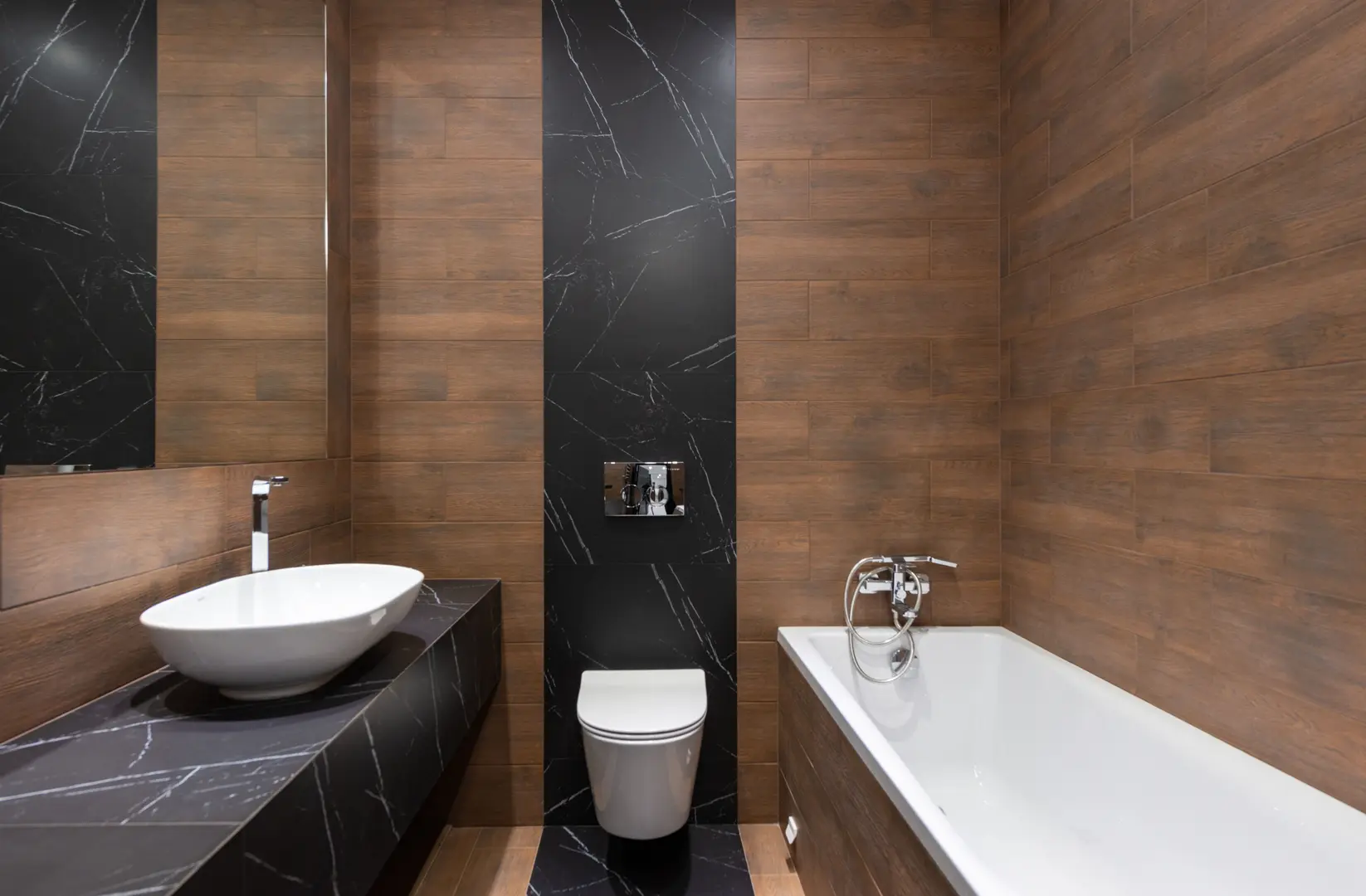
Choosing bathroom panels instead of tiles can simplify a renovation, reduce cleaning and create a smooth, modern finish. Panels are often faster to install and may cost less, while tiles generally offer greater design flexibility and a longer service life. The right choice depends on your budget, preferred style, installation schedule and expectations for durability.
Understanding Bathroom Wall Panels
Bathroom wall panels are large sections designed to cover walls in showers, around baths and in other moisture-prone parts of the room. Depending on the product, they may be made from PVC, acrylic or MDF-based materials with a bathroom-suitable surface.
Unlike individual tiles, panels cover a relatively broad area with fewer visible joints. This creates a continuous finish and eliminates most of the grout lines associated with tiled walls.
Available styles vary by manufacturer and material. Common visual options include:
- Plain colours for minimalist bathrooms
- Stone, marble or tile-inspired effects
- Glossy surfaces that create a polished look
- Matt finishes for a softer contemporary appearance
- Traditional patterns suited to classic interiors
The material and finish matter as much as the appearance. Any panel installed in a shower or another directly wet area should be specifically designed for that use.
How Bathroom Wall Panels Are Installed
Bathroom panels are commonly attached to a suitable wall with adhesive or connected using a tongue-and-groove system. Some installations use both methods, with adjoining edges fitted together before the panels are secured to the wall.
The exact process depends on the panel system and the condition of the room. The underlying surface still needs to be stable and suitable for installation. Edges, corners, openings and joints must also be finished according to the manufacturer’s instructions so that water cannot easily get behind the panels.
Because each panel covers more wall space than an individual tile, installation usually involves fewer separate pieces. Once fitted and properly sealed, the panels form a smooth surface with minimal joins. This seamless character is one reason they are generally easy to wipe clean and maintain.
Why Choose Bathroom Panels Over Tiles?
Panels appeal to homeowners who want a streamlined bathroom without the time and upkeep associated with a fully tiled installation. They can work particularly well in modern renovations, rental improvements and projects with a limited schedule.
Their main advantages are faster fitting, fewer joints, lower maintenance and the possibility of reducing material or labour costs. However, these benefits depend on selecting appropriate panels and installing them correctly.
A Simpler and Faster Installation
Tiling is a detailed process. It requires careful setting out, placing individual tiles and finishing the spaces between them with grout. Larger wall panels can cover the same area with fewer components, making the fitting process more straightforward.
This may shorten the installation schedule, especially where the room has simple wall layouts and the underlying surfaces are already in good condition. A quicker installation can also mean lower labour costs.
That does not make panel fitting entirely effortless. Accurate cutting is still needed around pipes, shower controls, corners and other fittings. Proper sealing is also essential in wet zones. Complex room shapes or poorly prepared walls can increase the amount of work required.
Reduced Cleaning and Upkeep
One of the strongest reasons to choose bathroom panels instead of tiles is the lack of extensive grout lines. Grout can collect dirt and may need regular scrubbing to retain a clean appearance. Panels have broad, smooth faces that are usually easier to wipe down.
Fewer joints can also mean fewer places where mould becomes visible. However, panels do not solve every moisture problem. Poor ventilation can still allow humid air and condensation to build up, contributing to mould elsewhere in the bathroom.
A low-maintenance design should therefore combine easy-care wall surfaces with appropriate ventilation and routine cleaning. Follow the panel manufacturer’s instructions when choosing cleaning products, particularly on softer or highly polished finishes.
Water Resistance for Humid Spaces
Bathroom panel systems use water-resistant or waterproof materials and finishes intended for humid environments. When the correct product is installed and sealed properly, it can be used around showers, baths and basins.
Tiles also perform well in wet areas, but the tile surface is only one part of the installation. Shower tiles require a stable substrate and a properly designed waterproofing system. Cement board is often selected because it provides robust support for tiles, but it generally still needs the specified waterproofing behind or over it. A naturally waterproof sheet alone may not provide the same stability required for a tiled finish.
Whichever wall covering you choose, do not treat the decorative surface as a substitute for correct preparation. The complete wall system—including the substrate, waterproofing where required, joints and seals—must be appropriate for the location.
Contemporary and Streamlined Appearance
Panels provide a smooth, uninterrupted surface that suits contemporary bathrooms. With fewer lines across the wall, they can create a calm and uncluttered appearance. Plain matt or glossy designs are particularly well matched to minimalist interiors.
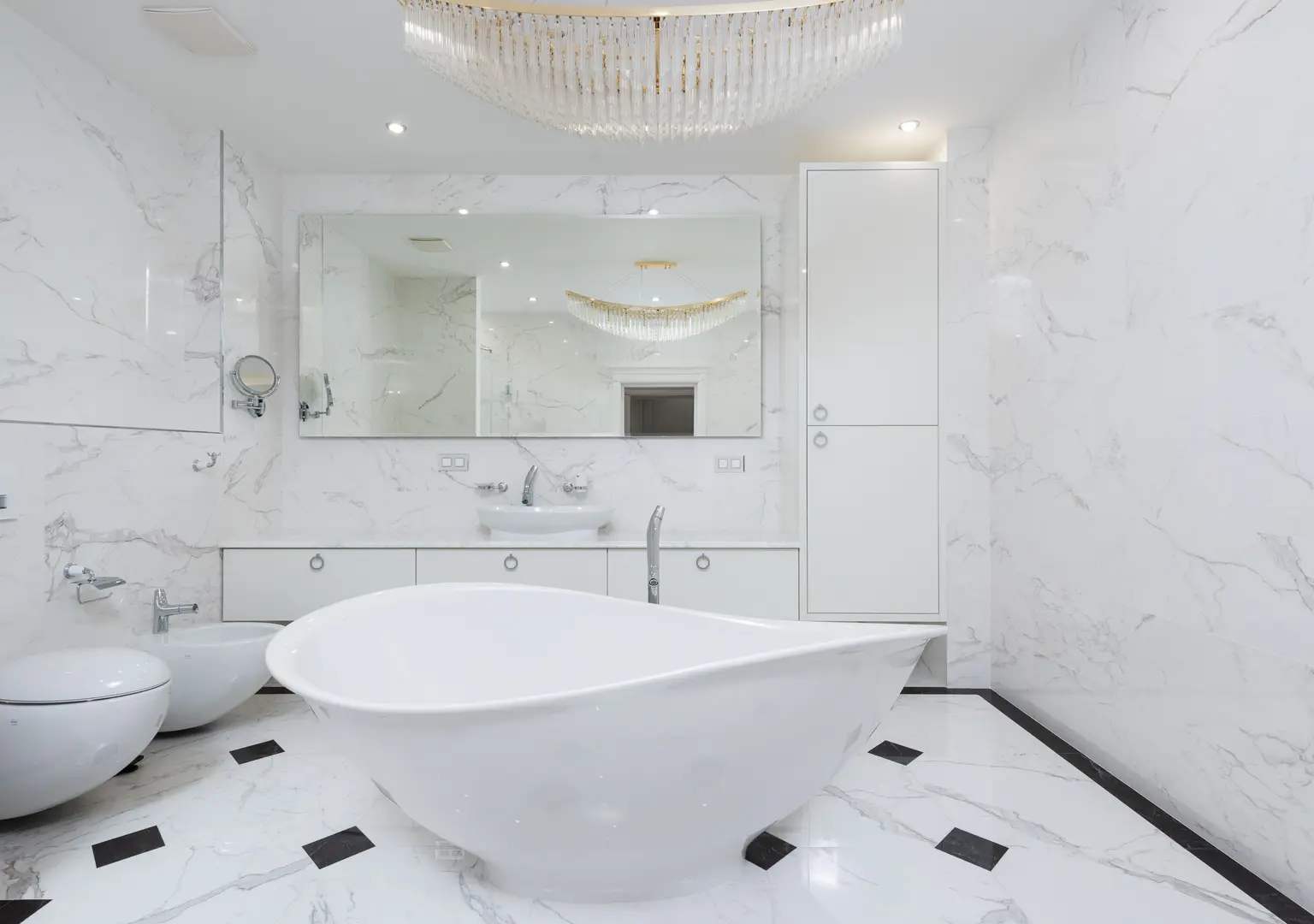
A panelled bathroom does not have to look stark or ultra-modern. Stone-effect, marble-effect and other decorative finishes can complement classic furniture and traditional colour schemes. The key is to choose a design that coordinates with the shower enclosure, sanitaryware, flooring and fittings.
A Potentially More Affordable Solution
Panels can be more affordable than a tiled installation, especially when labour is included. Faster fitting and fewer individual materials may reduce the overall project cost.
The comparison is not always straightforward. A premium decorative panel may cost more than an inexpensive tile, while difficult cutting, wall repairs or professional installation can add to the panel budget. Tiles also vary widely in price.
Compare the full installed cost rather than looking only at the price of the visible wall covering. Include preparation, adhesive, trims, sealants, waterproofing, labour and waste in the estimate.
Possible Disadvantages of Bathroom Panels
Panels are convenient, but they are not automatically the best choice for every bathroom. Their main limitations concern design flexibility, vulnerability to surface damage and long-term service life.
Understanding these disadvantages before purchasing helps prevent a quick or affordable renovation from becoming an unsuitable one.
A Smaller Range of Design Choices
Tiles are available in an extensive selection of colours, patterns, shapes, formats and layouts. They can be combined to create borders, feature areas, contrasting grout lines or highly customised designs.
Panels provide a useful range of finishes, but the choice may be smaller. Panel dimensions and repeating printed patterns can also restrict how a design is arranged. If you want detailed mosaics, a bespoke layout or a combination of several tile formats, panels may feel limiting.
Review full-size samples where possible. A stone or marble effect can look different across a large wall than it does in a small image or sample.
Risk of Scratches and Surface Damage
Some panel materials are softer than ceramic or other hard tile surfaces. They may scratch or become damaged through impact, abrasive cleaning or contact with sharp objects.
This is worth considering in a heavily used family bathroom or any area where walls are frequently knocked. Surface damage may be more noticeable on dark, glossy or plain finishes.
Use non-abrasive cleaning methods recommended for the selected material. Before fitting panels in a demanding area, consider whether their ease of maintenance outweighs their potentially lower resistance to wear.
Questions About Long-Term Service Life
A well-installed tiled surface generally offers a longer lifespan than bathroom panels. Tiles are hard-wearing, and individual damaged tiles can sometimes be replaced without renewing the whole wall.
Panels may need replacement sooner, depending on their material, the quality of installation and how the bathroom is used. Damage to a large panel can also affect a wider section of the finished surface.
This does not mean panels are short-term decoration. They can remain a practical option for many bathroom areas, but buyers should compare expected longevity with the lower initial cost and simpler upkeep.
Bathroom Panels or Tiles: Which Suits Your Space?
The decision should reflect more than appearance alone. Consider how quickly the room must be completed, how much maintenance you accept and how long you expect the finish to remain in place.
| Consideration | Bathroom panels | Tiles |
|---|---|---|
| Appearance | Smooth, streamlined and minimally jointed | Highly customisable with many formats and layouts |
| Installation | Usually faster and simpler | More detailed and time-consuming |
| Initial cost | Can be lower, including labour | Varies widely and may involve higher labour costs |
| Cleaning | Fewer joints and no extensive grout lines | Grout requires regular attention |
| Durability | Suitable for many areas but may scratch | Generally harder-wearing and longer-lasting |
Matching Your Preferred Bathroom Style
Tiles are the stronger option when a design depends on unusual shapes, intricate patterns or a custom layout. Different tile colours, sizes and grout choices allow detailed control over the final result.
Panels are well suited to modern and minimalist spaces. Their broad surfaces reduce visual interruption and can make the wall feel more unified. They can also support classic schemes when finished with a suitable stone, marble or traditional decorative effect.
Consider the entire room rather than selecting the wall finish in isolation. Flooring, lighting, storage and metal finishes all influence whether panels or tiles feel more appropriate.
Comparing Fitting Time and Installation Expense
Panels normally take less time to fit because each piece covers a larger area. This can make them attractive when a bathroom needs to return to use quickly. Reduced fitting time may also lower professional labour charges.
Tile installation involves more stages and detailed positioning. The backing must be stable, waterproofing must be handled correctly in wet areas, and the tiles and grout need to be applied with care.
Avoid assuming that either option will fit a very low budget without obtaining a complete estimate. Underestimating renovation costs can leave a bathroom unfinished or encourage the use of inappropriate, low-quality materials. Allow for wall preparation and unexpected remedial work rather than budgeting for the surface finish alone.
Cost Analysis Between Tiles and Bathroom Panels
For many straightforward renovations, panels offer the lower-cost route. Savings may come from both the material and the shorter installation time. They can be particularly economical when the chosen alternative is a premium tile requiring detailed fitting.
However, cost varies significantly within both categories. Compare quotations on a like-for-like basis by including:
- Wall preparation and repairs
- Waterproofing requirements
- Panels or tiles
- Adhesives and sealants
- Trims, grout and finishing materials
- Professional labour
- Removal and disposal of the old finish
- An allowance for waste or unforeseen work
Realistic budgeting protects the quality of the finished bathroom. It is better to complete a modest scheme with appropriate materials than to begin an elaborate design that cannot be finished correctly.
Cleaning and Ongoing Maintenance Compared
Panels are generally the easier surface to maintain. Their smooth faces can be wiped down, and the limited number of joints reduces the amount of detailed cleaning required.
Tiled walls need regular surface cleaning as well as attention to grout. Grout lines may show staining or mould more readily, particularly where ventilation is poor.
Both options still require basic care. Water and product residue should not be allowed to accumulate, seals should be monitored, and the bathroom should be adequately ventilated. Low-maintenance does not mean maintenance-free.
Expected Lifespan and Resistance to Wear
Tiles usually provide greater resistance to scratching and a longer overall service life. This can make them a sensible investment for a permanent bathroom where durability is the main priority.
Panels remain suitable for many showers, bath surrounds and general bathroom walls when their limitations are acceptable. They are especially practical when quick installation and easy cleaning matter more than maximum longevity.
Think about how intensively the room will be used. A lightly used guest bathroom may place fewer demands on a panel finish than a busy shared family bathroom.
When Bathroom Panels Make the Most Sense
Bathroom panels are most compelling when the project prioritises speed, manageable costs and simple maintenance. They can deliver a substantial visual change without the detailed layout and fitting process associated with tiles.
Affordable Bathroom Improvement Projects
Panels offer an accessible way to improve a dated bathroom while retaining a polished appearance. Decorative effects can create the look of stone, marble or tile without reproducing the same installation process.
They are particularly useful when the budget needs to cover several parts of the room, such as storage, fittings and flooring as well as the walls. Choosing panels may free up funds for those other priorities, provided the selected system is suitable for the intended wet area.
Fast Updates and Bathroom Makeovers
When time is limited, large panels can transform wall surfaces relatively quickly. Fewer components and minimal joint finishing help streamline the work compared with placing and grouting individual tiles.
This makes panels attractive for quick makeovers and renovations where reducing disruption is important. The schedule should still allow for surface preparation, accurate fitting and proper sealing. Rushing these stages can undermine the advantages of the system.
Bathrooms Designed for Easier Upkeep
Panels are a natural fit for bathrooms designed around straightforward cleaning. Their broad surfaces and lack of extensive grout lines reduce the number of areas that require scrubbing.
For the best low-maintenance result, combine them with good ventilation and accessible bathroom fixtures. Regular wiping and suitable cleaning products will help preserve the finish.
Ultimately, bathroom panels instead of tiles are a strong choice when you want a seamless appearance, a faster installation and less day-to-day upkeep. Tiles remain preferable when design freedom, surface hardness and maximum longevity are the main priorities. Base the decision on the complete installation, realistic costs and the way the bathroom will be used.