Bathroom Suites Buying Guide: Choosing, Planning and Installing the Right Suite
Understanding the Bathroom Suite Concept
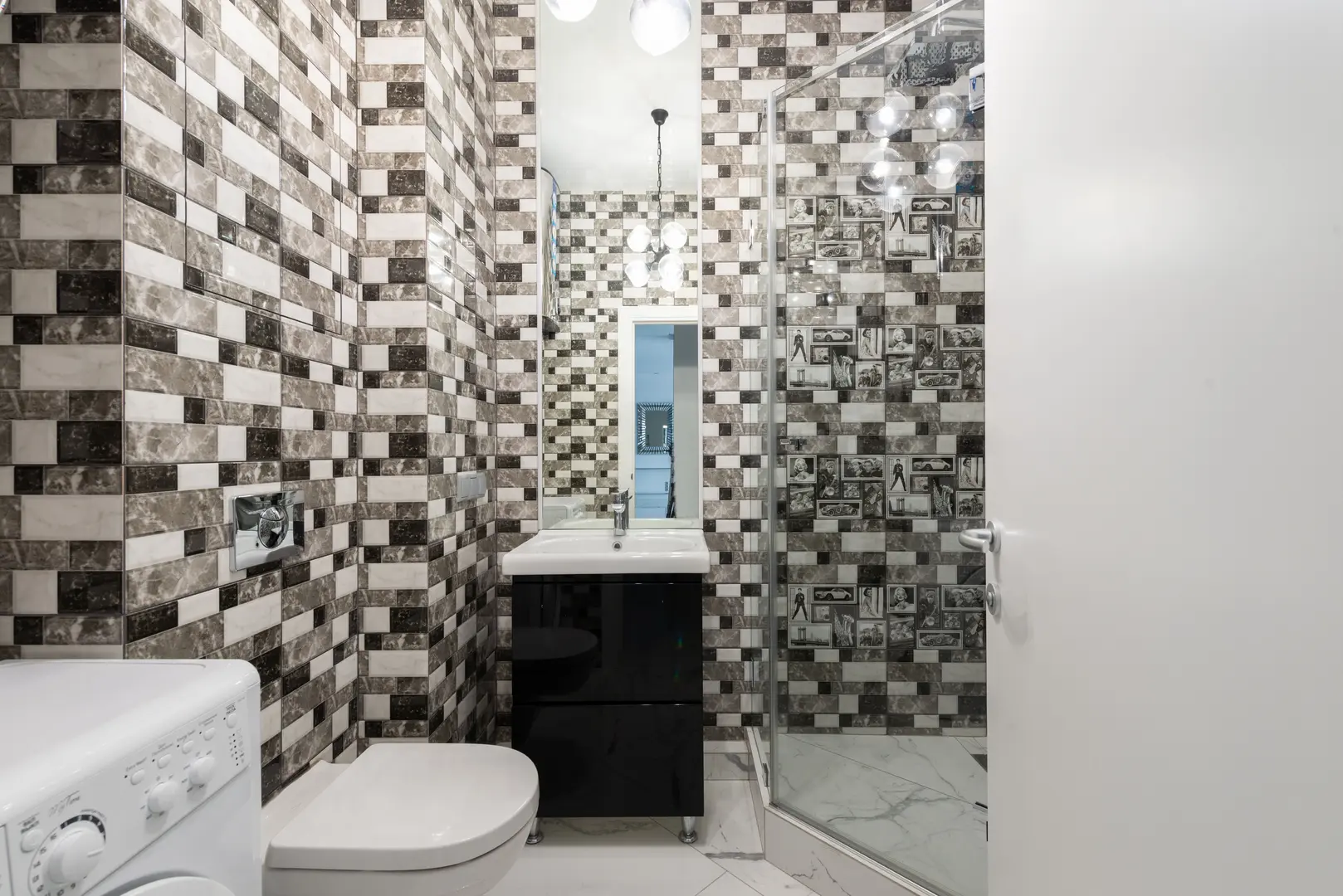
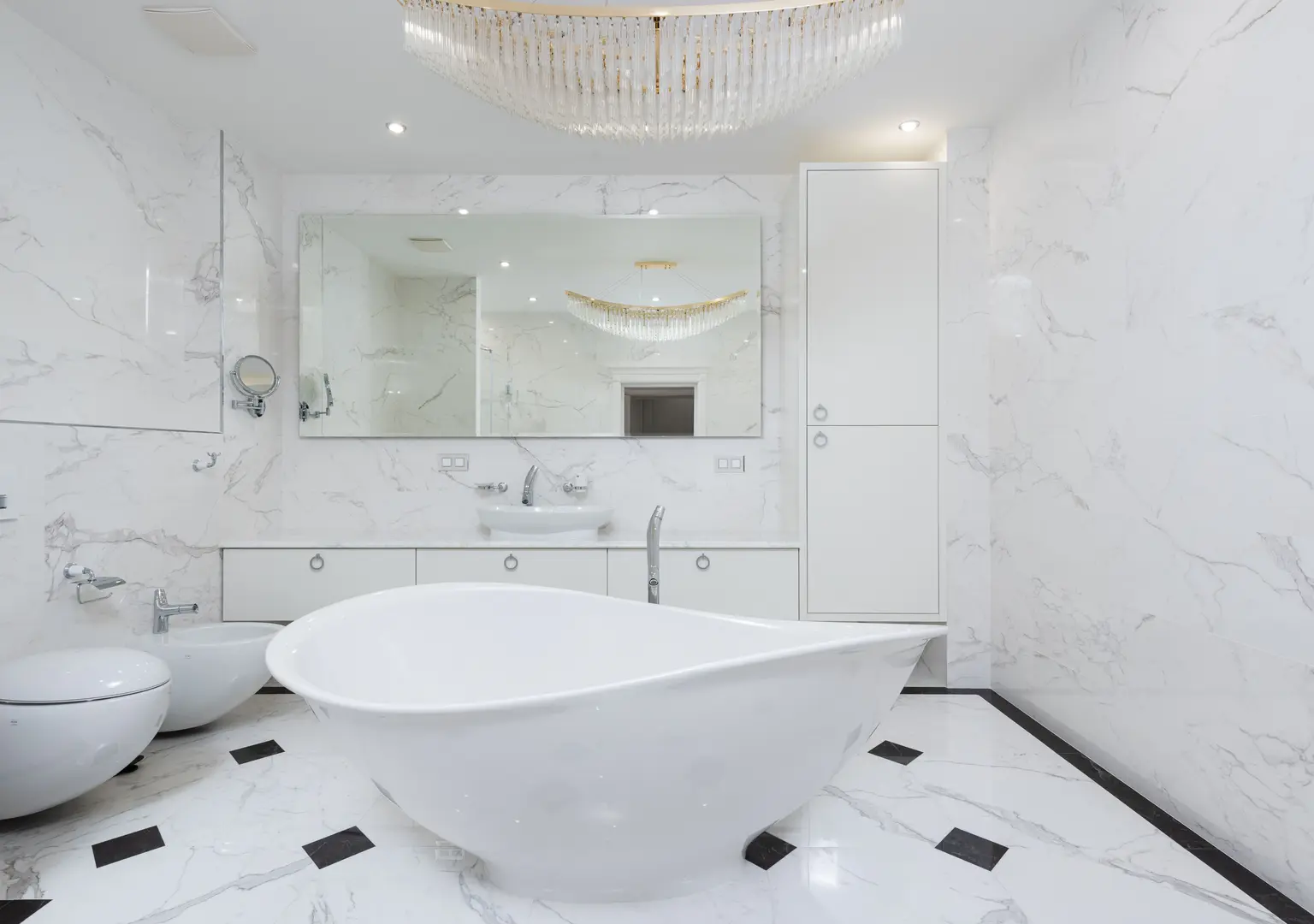
A bathroom suite consists of matching fixtures, typically including a toilet, basin, and bath or shower. Standard three-piece suites provide the essentials for an average UK bathroom, making them a popular choice. For those looking to expand their bathroom’s functional capabilities, larger sets may include additional features such as a separate shower or storage units. It’s crucial to verify the specific components included before ordering to ensure they align with your needs.
Why Choose a Coordinated Bathroom Suite?
Choosing a coordinated bathroom suite simplifies the design process by ensuring a unified aesthetic. With ceramics, shapes, and finishes designed to complement each other, the risk of clashing styles is minimal. A well-planned suite not only enhances visual appeal but also optimizes space utilization with compact basins and integrated storage solutions. A cohesive design can also increase property value, making it a worthwhile investment.
Fixtures Found in a Standard Suite
Standard bathroom suites typically include:
- A toilet and cistern
- A washbasin, often with a pedestal
- A bath or shower arrangement
While these core fixtures form the basis of a suite, accessories such as taps, wastes, and shower screens are generally sold separately, allowing for customization based on personal preference and functional needs.
Three-Piece Suites for Everyday Bathrooms
Three-piece suites are particularly practical for average-sized bathrooms, combining a toilet, basin, and either a bath or a shower. Families often favor bath suites, while shower-based combinations can save space and suit a fast-paced lifestyle.
Four-Piece Suites with a Separate Shower
Adding a separate shower to create a four-piece suite offers the flexibility of choosing between a quick shower or a leisurely bath. However, this configuration requires more space and strategic planning around entrance points to ensure ease of use.
Five-Piece Sets with Added Storage
Incorporating a vanity unit or cabinet into a five-piece set maximizes available space, providing essential storage for toiletries and towels. Confirm the components included in the package to avoid any misunderstandings.
Six-Piece Suites for a More Complete Setup
Six-piece suites cater to larger bathrooms, combining essential fixtures with additional elements like luxury items or separate showers. Proper space and plumbing capacity are vital to accommodate these comprehensive setups.
Full Packages or Mix-and-Match Suites?
Opting for complete bathroom packages offers the convenience of coordinated fixtures, while mix-and-match suites provide flexibility to create custom combinations. This approach often requires careful coordination of dimensions, finishes, and styles, allowing for personalization at variable costs.
Bathroom Suite Options for Different Rooms
Bathroom suites vary depending on the target room:
- Cloakrooms: Compact toilets and corner basins efficiently utilize limited space.
- Ensuites: Focus on shower-based layouts for convenience.
- Family bathrooms: Durable fittings with flexible arrangements cater to various needs.
- Large bathrooms: Incorporate separate baths/showers with expanded features for luxury and functionality.
Select a suite based on the specific requirements and space constraints of the room.
Bathroom Suite Design Styles to Consider
Bathroom design styles range widely, from contemporary to traditional, each offering unique benefits. When choosing a style, consider factors like maintenance, storage, and ease of coordination.
Modern Bathroom Suites
Modern bathroom suites prioritize sleek forms and integrated storage, often featuring wall-hung fittings for an uncluttered appearance. Incorporating smart technology can elevate functionality but requires pre-checks for electrical compatibility and installation readiness.
Traditional Bathroom Suites
Traditional suites, inspired by Edwardian and Victorian eras, showcase decorative shapes and characterful designs. These suites can add a sense of warmth to period homes or provide a delightful contrast in modern ones.
Minimalist Bathroom Suites
Minimalist designs focus on clean lines and open spaces, utilizing concealed plumbing and integrated storage to maintain simplicity while ensuring practical access for maintenance and functionality.
Industrial-Inspired Bathroom Suites
Industrial-inspired suites use urban materials such as wood and concrete-effect surfaces, offering an edgy yet cohesive look. Maintaining balance and ease of maintenance is key when incorporating these elements.
Scandinavian Bathroom Suites
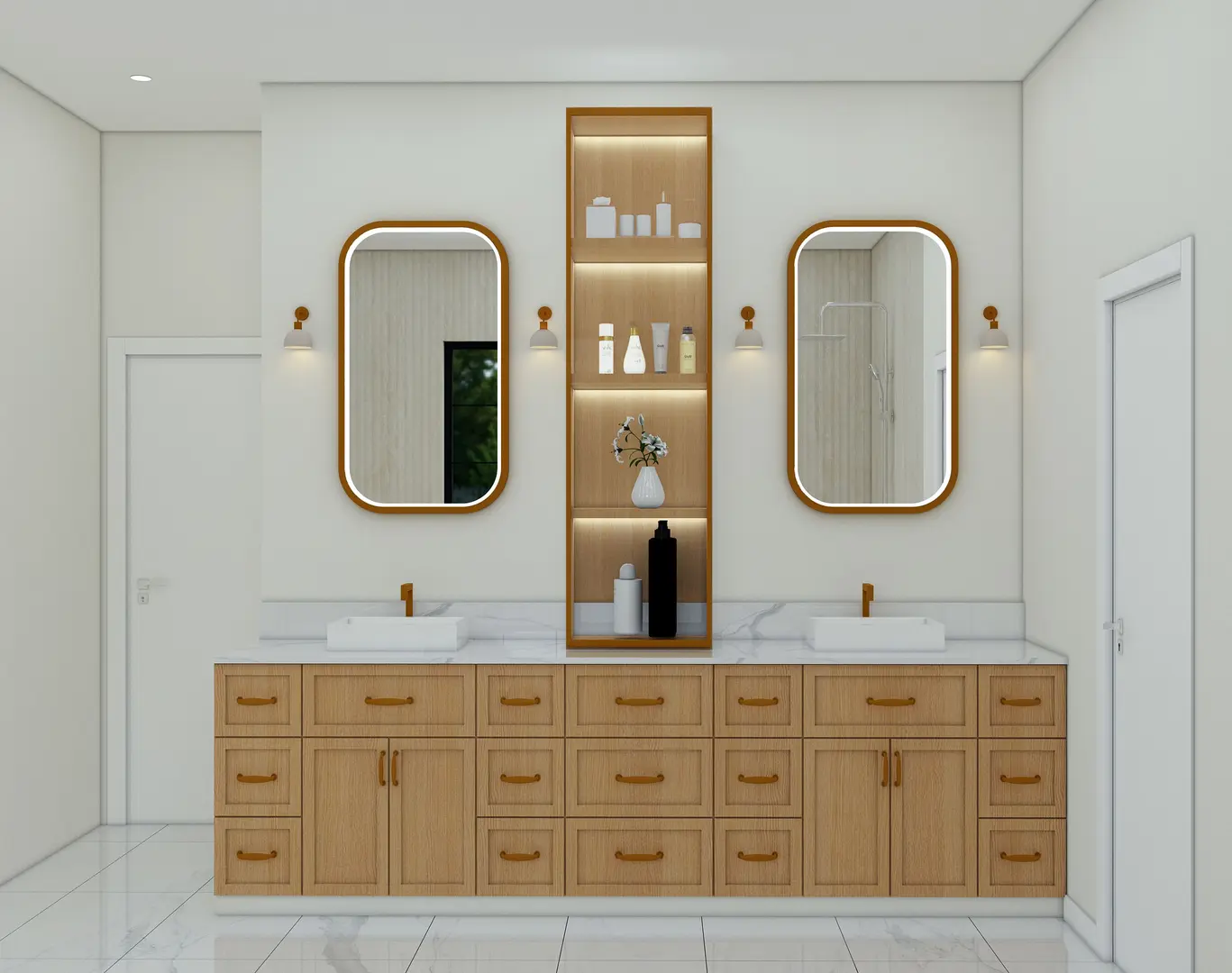
Scandinavian interiors emphasize simplicity, functionality, and natural textures. To maintain a cohesive design, utilize light colors and practical furniture while ensuring any wooden elements are resistant to moisture.
Vintage Bathroom Suites
Vintage schemes often feature pastel ceramics and clawfoot baths, creating strong focal points. These elements work best when harmonized with modern plumbing for optimal functionality.
Could Coloured Bathroom Suites Return to Fashion?
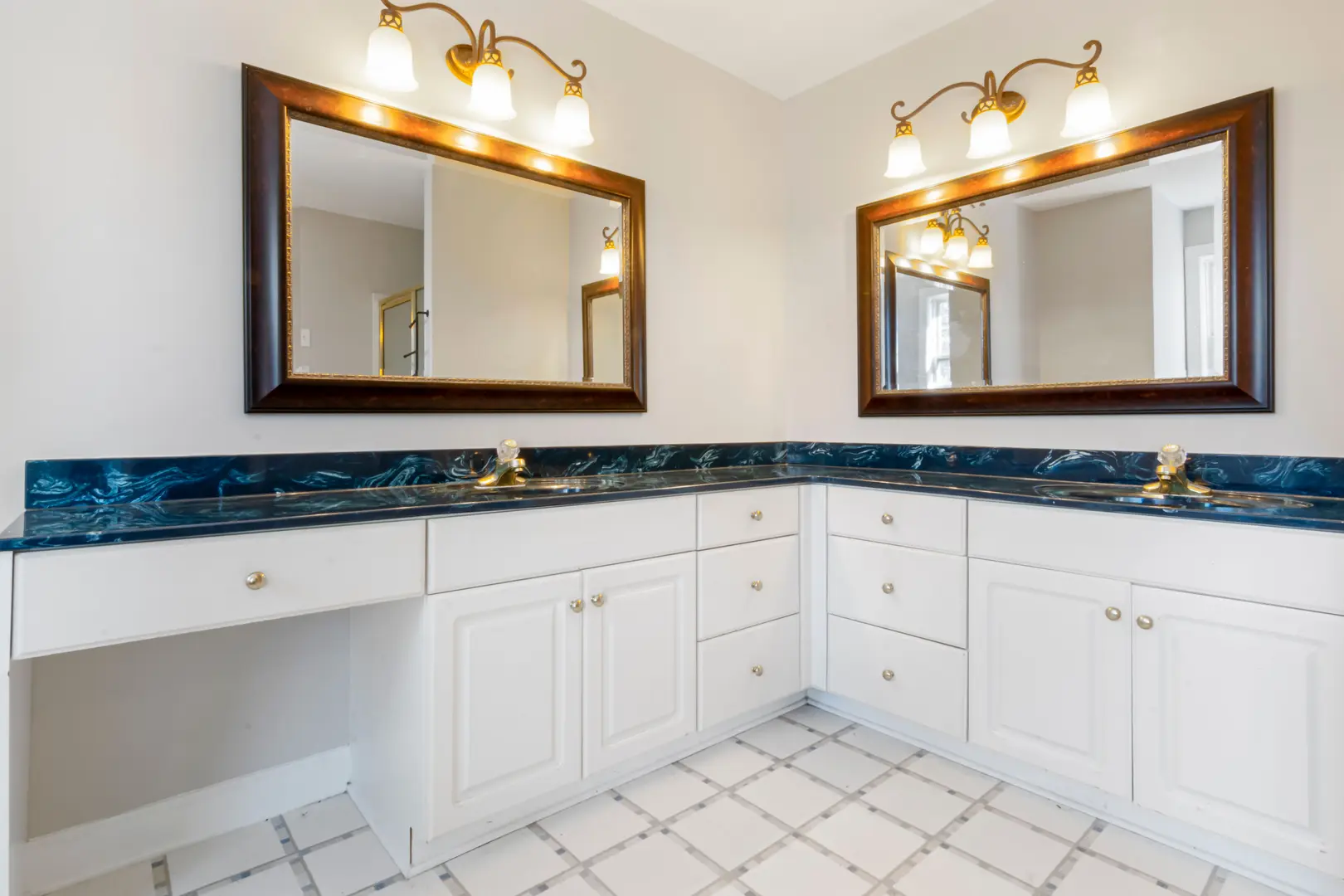
Retro décor trends are reigniting interest in colored sanitaryware. Modernized with softer pastels or deep, rich shades, colored suites provide an alternative to bland all-white schemes. Colors can also be introduced through tiles and accessories, allowing for creative expression without a full commitment to colored fixtures.
Planning a Bathroom Suite Before You Buy
Effective planning is essential to avoid errors, awkward layouts, and unexpected costs. Accurate measurements, understanding utilities, and verifying fixture positions are crucial steps before comparing options. Clearly define your project’s scope, including responsibilities for tasks such as plumbing, tiling, and installation.
Practical Tips for Effective Bathroom Planning
To ensure a smooth planning process, consider these tips:
- Compile a comprehensive list of desired fixtures and finishes.
- Verify delivery schedules before removing existing units.
- Confirm the sequence of installations with contractors.
- Set aside a contingency budget for unexpected expenses.
- Coordinate schedules with installers to minimize downtime.
How to Measure the Bathroom Accurately
Accurate measurements are fundamental:
- Measure and record all walls and ceiling heights.
- Note door and window positions.
- Account for existing plumbing setups.
Use precise technical drawings rather than photos for planning and ensure no aspects are overlooked.
Making the Layout Comfortable and Practical
When considering layout, ensure clear paths between fixtures and manageable access for doors and drawers. While compact fixtures can save space, they must remain functional. Assess the feasibility of moving fixtures, particularly in bathrooms with concrete floors, as this can significantly impact the budget and project scope.
Checking Plumbing and Water Pressure
Identify your home’s plumbing system and verify that water pressure meets the requirements specified by manufacturers, especially for larger showerheads or specialized taps. This step ensures functionality and longevity for all installed fixtures.
Accessible and Family-Suitable Bathroom Features
Planning a bathroom that accommodates all users involves considering features for limited mobility and family-friendly designs. Durable surfaces, slip-resistant flooring, and easy-to-operate fittings ensure safety and convenience.
Selecting Suitable Bathroom Fixtures
The size and shape of fixtures have a profound impact on the overall room design. Pedestal basins offer a classic look, while vanity basins provide additional storage. Freestanding baths require more space, whereas fitted options suit tighter layouts.
Toilet styles, including close-coupled, back-to-wall, and wall-hung variants, differ in installation complexity and maintenance needs. Choose according to your room’s design and practical requirements.
Bathroom Suite Materials and Surface Finishes
The choice of materials affects durability, care needs, and cost. Ceramic remains a popular choice for its durability and ease of maintenance, while stone and metal options add texture or luxury. Ensure all surfaces are durable enough to withstand regular cleaning and exposure to water.
Choosing a Basin Material
Ceramic basins are highly durable and easy to clean. Stone resin provides a modern appearance, while natural stones offer a premium finish but demand careful maintenance to retain their elegance.
Comparing Bathtub Materials
Acrylic bathtubs are common and affordable, offering a practical solution for many. Steel tubs excel in heat retention, while copper offers luxury at a premium price point.
Selecting Taps and Other Fixture Finishes
Choosing tap finishes such as timeless chrome or trendy matt black can complement the room’s overall theme. Consistency across all fittings creates a harmonious look.
Water-Efficient Bathroom Suite Features
Incorporating water-efficient technologies like dual-flush toilets, tap aerators, and eco-friendly showerheads helps reduce water consumption. Ensure compatibility with your plumbing system for optimal performance.
Bathroom Suite Price Guide
Bathroom suite prices vary significantly based on design, material quality, and brand reputation. Entry-level suites begin around £300, while high-end options can exceed £1,500. When budgeting, include costs for essential accessories such as taps and additional features.
Extra Bathroom Renovation Costs to Budget For
Besides the suite itself, numerous additional costs must be considered, including installation, removal of old fittings, plumbing, tiling, delivery, and accessory costs. Be aware that changes in project scope can lead to increased expenses.
Labour and Old-Fitting Removal
Hiring professionals for installation can cost around £3,000, with additional fees for the disposal of old plumbing and fittings, especially if significant alterations are required.
Plumbing Supplies and Tiling Materials
Allocate approximately £300 for additional plumbing components. Calculate tiling costs by surface area, including the expense for adhesive and grout.
Taps, Lighting, Mirrors, and Other Essentials
Adding taps, lighting, and mirrors can cost up to £300, with potential additional fees for addressing any electrical issues, such as flickering lights, requiring professional evaluation.
Estimating Bathroom Suite Delivery Fees
Delivery fees typically range from £60 to £150. Be sure to inspect delivered items promptly to identify and address any issues or discrepancies.
Panels, Flooring, and Final Details
Allow approximately £500 for wall panel installation and up to £600 for flooring. Additionally, account for trim, paint, accessories, and ventilation improvements to ensure the space is complete and functional.
Where to Spend More and Where to Cut Back
Invest wisely in key fixtures like the bathtub and vanity, which endure significant use. Consider saving on more flexible items, such as accessories, to protect your overall budget.
Installing and Caring for Your Bathroom Suite
Proper installation is crucial to ensure long-term functionality and aesthetic appeal. Regular maintenance, including effective ventilation, is essential for extending the life of your bathroom suite.
When to DIY and When to Hire an Installer
While DIY can cover simple tasks like painting or assembling furniture, complex plumbing and electrical work should be handled by professionals to ensure safety and compliance with building codes.
Preparing for a Less Disruptive Installation
Preparation includes ensuring all components are ready before work begins, using a checklist to track progress, and agreeing on a detailed work schedule. Protect adjoining areas from construction dust and allow for unforeseen issues that may arise.
Maintaining Bathroom Fixtures Over the Years
Consistent care involves using non-abrasive cleaners, managing limescale build-up, and promptly addressing leaks. Preserve ventilation systems and keep extractor fans operational to prevent moisture-related problems.
Finding Bathroom Suite Suppliers and Installation Quotes
Research suppliers to compare dimensions, warranties, terms, and prices. Obtaining detailed installation quotes and asking for recommendations can help you make informed purchasing decisions.
Explore Our Bathroom Suite Collection
Take advantage of our curated collection to explore different styles and configurations suitable for various room types. Use precise room measurements and plumbing specifications to find options that best fit your needs.
Frequently Asked Questions About Bathroom Suites
What does a bathroom suite usually include?
Most suites contain a toilet, basin, and bath or shower, with some accessories sold separately.
Is it cheaper to buy a complete bathroom suite?
It may be more convenient but not always cheaper. Compare parts and quality individually.
Can I update a bathroom without a full remodel?
Yes, by changing taps, mirrors, lighting, and adding color without altering plumbing.
Should every fixture match exactly?
Fixtures should coordinate but don’t need to match perfectly. Use a statement piece if desired.
How can I control moisture after installation?
Use ventilation appropriately and address leaks. Good airflow protects surfaces.
How long should a bathroom suite last?
Durability varies by quality, installation, and maintenance. Regular upkeep extends life.