Bathtub and Shower Combinations: What to Know Before You Buy
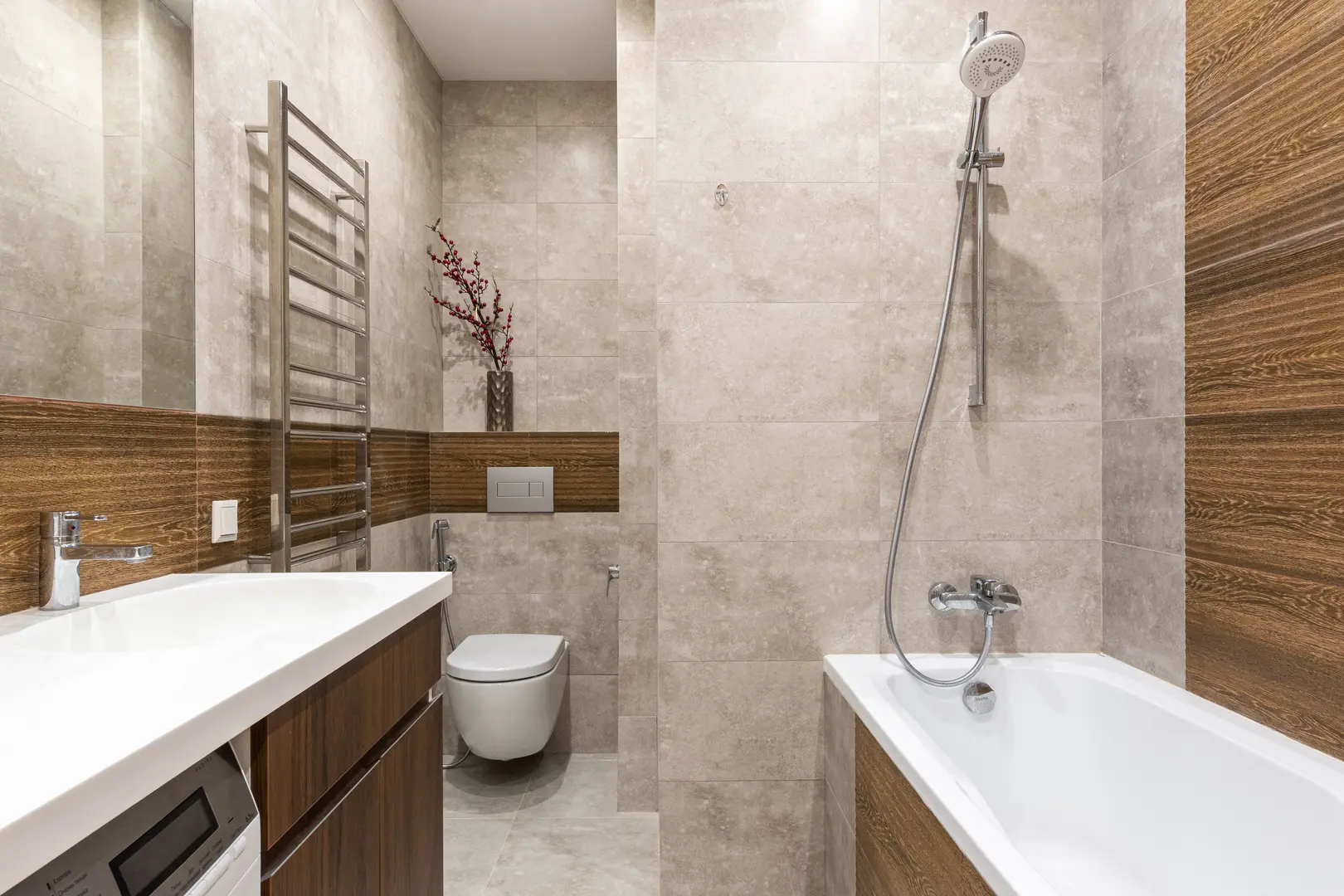
If you’re deciding between a separate tub and shower or a single unit that does both, you’re not alone. Bathtub and shower combos are popular for tight spaces, family flexibility, and resale value. The key is matching the type, material, and features to your needs.
Quick Answers: Cost, Value, and Who Should Choose a Shower Tub Combo
Current installed costs (what most homeowners actually pay)
- Basic prefab swap: $1,500–$3,000 (acrylic or fiberglass/gelcoat, curtain-ready).
- Mid-range: $3,500–$7,000 (better finishes, glass doors, niches).
- Luxury/custom: $8,000–$15,000+ (tile + glass, frameless doors, premium valves).
- Walk-in tub shower combo: Unit $2,500–$6,000; $6,500–$16,000 installed; high-end to $20,000.
- Labor share: 30–50% of total if more than a direct replacement.
Is a combo good for resale and long-term value?
Yes— keep at least one tub in the home. A combo preserves buyer appeal for families, pets, and multigenerational needs. Add WaterSense fixtures for sustainability and lower bills.
Who should pick a tub-shower unit vs. separate tub and shower?
Choose combo if: one full bath or limited space, kids/pets, plan to sell within 5–10 years, want space-saving flexibility. Choose separate if: ample space and want a spa feel, already have another tub, prefer distinct zones.
What’s the most common size for a bathtub shower combo?
60" x 30" and 60" x 36". Verify rough-in: drain side, valve location, doorway clearance.
Types and Materials: How They Differ and Why It Matters
Tub-shower types explained
Alcove: fits standard 60" openings, best value, works with curtain or glass doors. Corner: space-saver for tricky layouts, shorter soaking length.
Materials: acrylic, fiberglass/gelcoat, tile + glass, composite/stone
Acrylic: light, warm, easy to clean, common in prefab units. Fiberglass/gelcoat: lowest cost, can wear sooner, DIY-friendly. Tile + glass: premium look, custom, higher cost, needs skilled waterproofing. Composite/stone: high-end feel, durable, heavier and pricier, minimal grout.
Pros/cons and lifecycle (cleaning, repairs, longevity)
Acrylic/gelcoat: use mild cleaners, repair scratches, 10–20+ years. Tile: grout upkeep, seal periodically, can last 20+ years with solid waterproofing. Glass: squeegee daily, protective coatings help, frameless looks spacious. Pair a WaterSense showerhead with anti-scald valve for comfort and safety.
Material Pros and Cons Table
| Material | Pros | Cons | Care Notes |
|---|---|---|---|
| Acrylic | Warm touch, good value, easy to clean | Can scratch with abrasives | Mild, non-abrasive cleaners |
| Fiberglass/Gelcoat | Light, budget-friendly, DIY-friendly | Dulls/crazes sooner | Gentle cleaners; avoid harsh pads |
| Tile + Glass | Premium look, custom fit, bright | Higher cost, grout maintenance | Seal grout; squeegee glass daily |
| Composite/Stone | Durable, fewer seams, upscale | Heavier, higher price | Simple wipe-down, avoid harsh acids |
What is the difference between acrylic vs fiberglass tub-shower units?
Acrylic: thicker, more scratch-resistant, richer finish. Fiberglass/gelcoat: lighter, cheaper, can dull or craze sooner.
Shower Tub Combo Buying Guide (Measure, Features, Budget, Fit)
Measure twice: fit, plumbing, and door swing checklist
- Alcove dimensions, stud locations, valve height, drain side.
- Doorway/hallway clearance and turning radius.
- Door swing vs. vanity/toilet.
- Ceiling height, exhaust fan capacity.
Safety and comfort features worth paying for
- Non-slip flooring, grab bars, anti-scald valves, built-in seating.
- Handheld shower on slide bar, deeper soaking depth, quiet fill valves, niche storage.
Budget tiers: what you get at each level
Basic ($1.5k–$3k): standard acrylic/fiberglass, 3-piece surround, curtain or basic door. Mid-range ($3.5k–$7k): upgraded materials, built-in niches, handheld, sliding glass door. Luxury ($8k–$15k+): tile + glass, frameless doors, premium valves, smart features.
Can I install a tub-shower myself or do I need a pro?
DIY possible for direct same-size swap. Hire pro for plumbing moves, new valves, tile waterproofing, electrical work. Labor often 30–50% of project.
Safety Considerations for Glass Panels in Combo Units
Tempered or safety glass is standard. Pair with slip-resistant flooring to reduce falls.
Design and Layout Ideas: Make Small Bathrooms Feel Bigger
Wet-room concepts for a spa look in small spaces
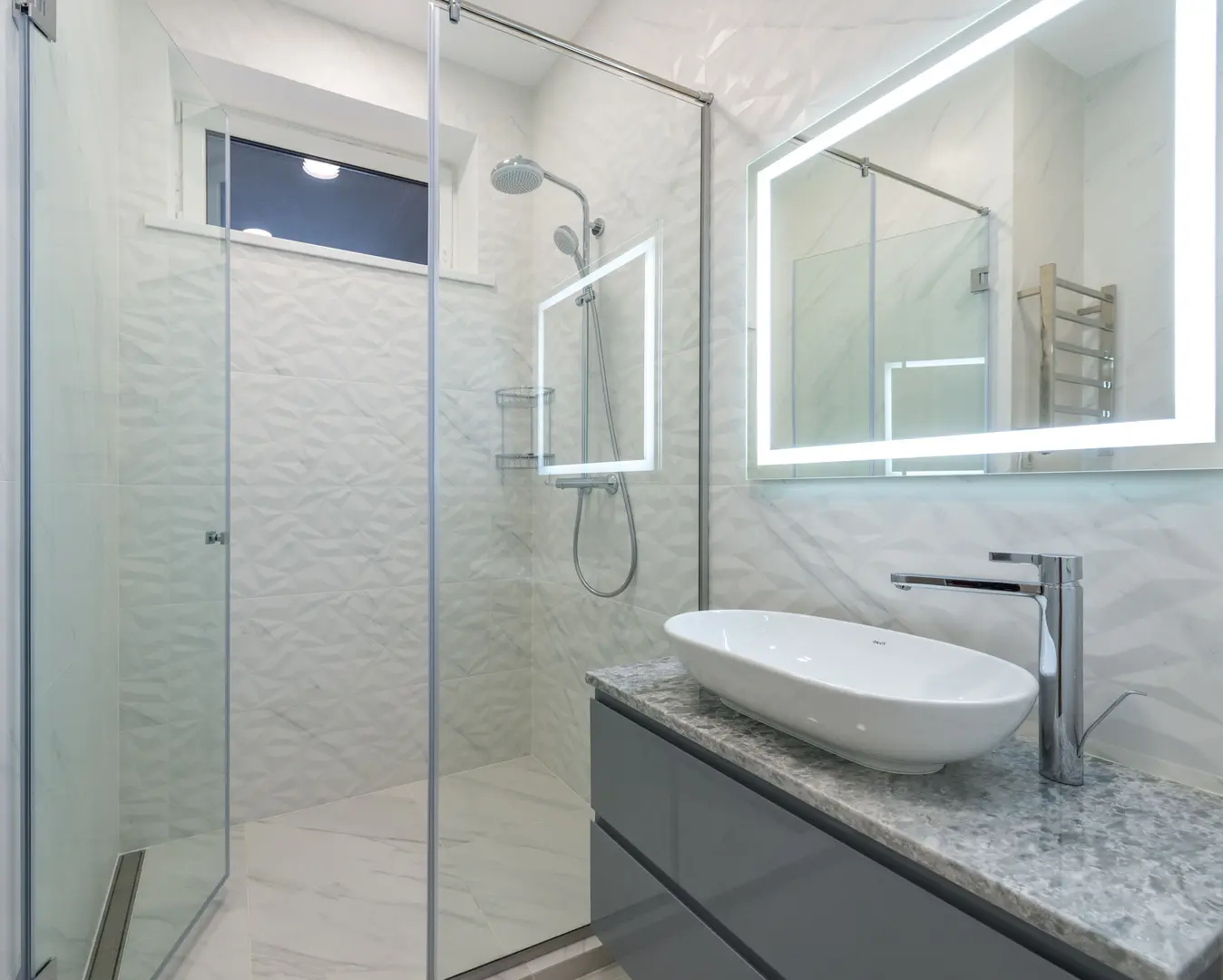
Combine a soaking tub with a walk-in shower zone using a linear drain and gentle slope. Use full glass or half-walls to share light. Keep colors light and patterns minimal.
Visual tactics: doors, panels, and storage that scale
- Frameless glass doors and pivot or sliding doors save space.
- Built-in niches reduce clutter; large-format tile reduces grout lines; vertical patterns raise ceiling height.
Hardware and finish coordination for a cohesive look
Match finishes across trim, shower head, grab bars. Use easy-clean glass coatings. Add WaterSense showerheads.
Design and Layout Ideas for Bathroom Remodels
- Compact 60" x 30": acrylic alcove, sliding door, anti-scald valve, niche, handheld.
- Roomier 60" x 36": deeper tub, hinged door, corner seat, grab bar, dual showerhead.
- Wet-room with tub in walk-in shower: linear drain, half-wall, fixed glass, freestanding tub.
Installation: Timeline, Steps, and Pitfalls to Avoid
Typical timeline and phases
- Planning/ordering: 1–3 weeks.
- Demo/prep: 1–2 days.
- Plumbing/valves: 1–2 days.
- Tub set + surround: 1–3 days.
- Glass door lead time: add 1–2 weeks.
- Tile waterproofing cure: add 1–3 days.
Step-by-step overview
- Shut off water, demo old unit.
- Assess framing/subfloor for moisture and repair.
- Level new tub, secure flanges to studs.
- Install valve, spout, shower arm at spec heights.
- Install surround or waterproofing; seal seams.
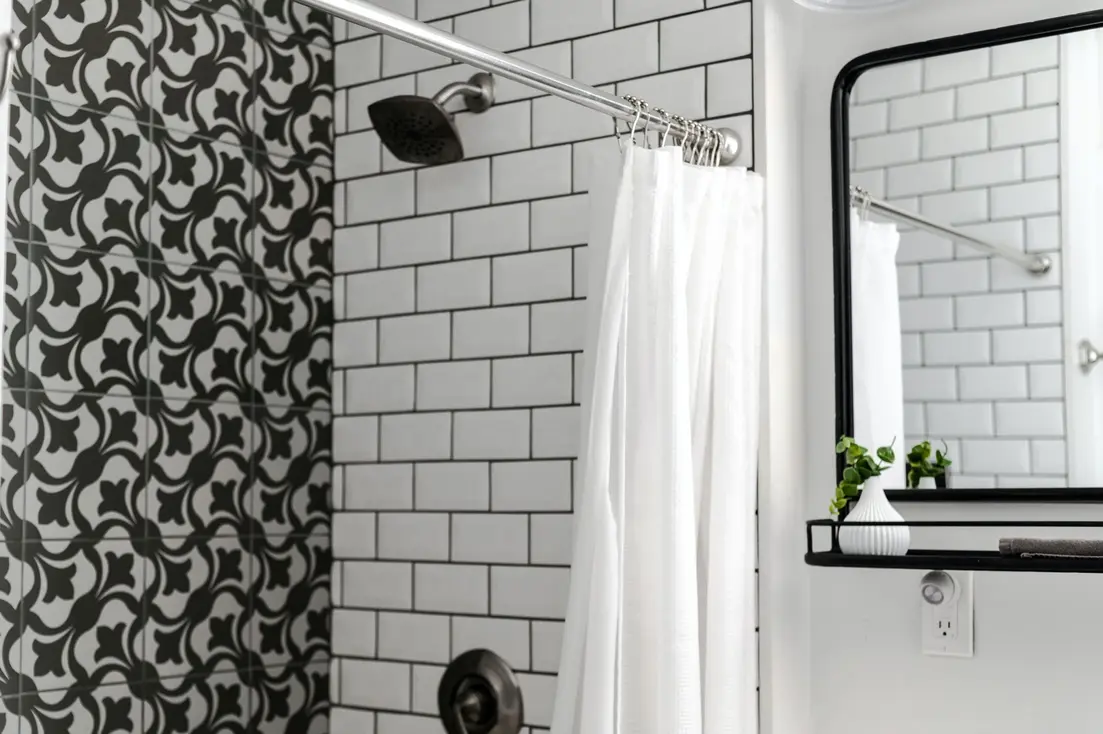
- Set door or curtain rod.
- Silicone and test all lines and drains.
Common mistakes and how to prevent them
- Skipping flood tests on waterproofed areas.
- Poor tub support causing flex.
- Wrong valve height or diverter issues.
- Mismeasuring drain side and door swing.
How much does it cost to convert a tub to a shower or vice versa?
Tub-to-shower: $1,500–$8,000. Shower-to-tub: similar range; plumbing moves raise cost. Accessibility add-ons: +$600.
Installation Mistakes to Avoid: Caulking, Sealing, and More
Avoid fully caulking joints that need drainage. Follow manufacturer guidelines to prevent trapped water.
Accessibility and Family-Friendly Options
Walk-in tub shower combo: who benefits and what to look for
Ideal for seniors and limited mobility. Features: low threshold, built-in seat, easy controls, quick-fill/drain, anti-slip floor, grab bars, handheld slide bar.
ADA-aligned features and placement tips
Grab bars at entry points, lever handles, contrast edges, seating height 17–19", non-slip surfaces, clear floor space.
Family-first details for kids and pets
Handhelds with slide bars, anti-scald valves, 60"x36" footprint for helpers, lower apron, curtain flexibility.
Are walk-in tub shower combos worth it?
Often yes for independence and comfort. Focus on leak warranties, drain/fill times, installer reputation. Try in showroom.
Maintenance, Cleaning, and Longevity
Weekly and monthly routines that prevent mildew and wear
Squeegee glass after each shower. Run exhaust fan 20–30 minutes. Wipe acrylic/gelcoat with mild cleaners. Re-seal grout as needed; inspect caulk.
Troubleshooting common issues (drips, grout cracks, flex)
Spout diverter leaks: replace cartridge. Grout cracks: re-grout and seal after addressing movement. Tub flex: re-bed with mortar or foam.
How long will a tub-shower unit last?
Acrylic/gelcoat: 10–20+ years. Tile and glass: 20+ years with good waterproofing. Maintain cartridges and gaskets.
PAA: What cleaners are safe for acrylic or fiberglass tubs?
Use non-abrasive, pH-neutral cleaners. Avoid scouring pads and solvents. Test new products first.
How to Prevent Your Combo From Looking Tired After a Year
Choose higher-quality acrylic over budget fiberglass. Follow maintenance routines: squeegee, wipe down, run fan to prevent soap scum and hard-water stains.
Expert Insights and Case Studies on Bathtub and Shower Combos
Social/testimonial highlights
- Family added walk-in combo for aging parent; improved independence despite higher install cost.
- Contractors report 60"x30" and 60"x36" as top sizes; plumbing moves and waterproofing are cost drivers.
- Couple replaced shower with 60"x36" acrylic combo for toddler and dog; cost mid-range, routine easier.
Installer/designer takeaways you can apply
- Plan glass first; hinge clearance and drain pitch prevent leaks.
- Upgrade valve now to avoid wall opening later.
- Mock up niche and control placement with tape.
Wet-room design guidance in practice
Shared slope with linear drain. Full glass for light, half-walls for privacy. ADA-conscious choices can look modern.
PAA: What are the biggest mistakes people make with shower tub combos?
Wrong drain side or size, mismeasured door clearance, underestimated waterproofing, high-maintenance materials without care plan.
Budgeting, ROI, and Smart Upgrades That Pay Back
Where to spend vs. where to save
Spend on: waterproofing, valve quality, glass hardware, safety features. Save on: standard sizes, acrylic surrounds, simple trims, phasing glass (curtain first). WaterSense fixtures reduce water use.
Financing and phasing options
Sequence: rough-ins/valves, set tub, walls/tile, glass (can delay). Ask about warranties if splitting DIY and pro tasks.
Resale signals that matter to buyers
One tub per home appeals to families. Clean finishes and niche storage photograph well. Accessibility upgrades broaden buyer pool.
Tools, Checklists, and Next Steps
Interactive tools
Quiz: who uses bath, bathing vs shower frequency, resale timeline. Measurement checklist: alcove size, drain side, valve location, doorway clearance, door swing, ventilation.
How to vet contractors and products
Verify license/insurance, ask about waterproofing method, get itemized bids, check reviews, confirm lead times.
Useful Resources and Expert References
Contractor cost estimates, ANSI wet-room standards, ADA and WaterSense specs, fall prevention resources.
Actionable Takeaways
- Confirm specs before shopping.
- Choose standard sizes to save.
- Invest in waterproofing.
- Keep one tub for resale.
- Use WaterSense fixtures.
Practical Tips You Can Use Today
- Run exhaust fan 20–30 minutes after bathing.
- Squeegee glass doors daily.
- Mock up control heights with tape.
- Support tub base with mortar to prevent flex.
- Install handheld sprayer on slide bar.
Final Word
A shower tub combo offers quick showers and relaxing soaks in one space. Stick with standard sizes, invest in waterproofing, and choose WaterSense fixtures for a durable, efficient unit that appeals to buyers. For a spa feel in a small footprint, try a wet-room layout.
FAQs
1. Is a tub and shower combo a good idea?
Yes, provides best of both worlds, ideal for small bathrooms, and preserves resale value.
2. What is a shower tub combo called?
Also called tub-shower combo, bathtub shower combo, tub shower, combined bathtub and shower.
3. How much is a bathtub shower combo?
Typically $1,500–$7,000 standard; luxury $8,000–$15,000+; walk-in tub combo $6,500–$16,000 installed.
4. Can a walk-in shower have a tub?
Yes, in wet-room design with proper waterproofing and drainage planning.
5. What is the average cost of a walk-in tub with a shower?
Typically $6,500–$16,000 depending on features and installation requirements.
6. Can you have a freestanding tub with a shower combo?
Yes, but requires careful planning for waterproofing and splash control, often in a wet-room layout.
References
ANSI standards for wet-room waterproofing provide a reliable framework. Consult local building codes.
Reading next
For more guidance on bathroom plumbing, check out our article on bathtub drain sizes. If you are considering a standalone soaker, see our guide on freestanding tub dimensions.