Five Beauty Products Not to Store in the Bathroom
Bathrooms are convenient places to get ready, but they are not always suitable for storing personal care items. Steam, warmth, changing humidity, and splashes can affect fragrances, formulas, tools, and finishes. If you are deciding which beauty products not to store in bathroom cabinets or on open shelves, start with these five categories.
How Bathroom Conditions Can Damage Beauty Products
Every shower or bath releases moisture into the air. In a small or poorly ventilated bathroom, that moisture can linger on shelves, counters, mirrors, and products. Repeated changes between warm, steamy conditions and cooler temperatures may gradually affect the quality of beauty and grooming items.
Humidity can be particularly noticeable during colder months. Windows may stay closed, surfaces remain damp for longer, and the room may receive less airflow. Even products inside cabinets can be exposed if the storage unit is frequently opened or positioned close to the shower.
Bathroom conditions can affect products in several ways:
- Heat may alter the texture or consistency of certain formulas.
- Moisture can contribute to rust on metal grooming tools.
- Humidity may make powders, pencils, and other cosmetics harder to use.
- Direct sunlight can affect products stored on windowsills or open shelves.
- Damp packaging can become unpleasant to handle and difficult to keep organized.
Good ventilation reduces these problems. An extractor fan, open window, or improved airflow helps moisture leave the room more quickly. However, ventilation does not make every bathroom an ideal storage space. Frequently used items can remain accessible, but products that are especially sensitive to heat, light, or dampness are usually better kept elsewhere.
1. Perfume
Perfume bottles often look attractive on a bathroom shelf, but the room’s changing conditions may affect the fragrance. Heat and moisture are the main concerns, especially when a bottle sits near a shower, radiator, sunny window, or another source of warmth.
A bathroom may repeatedly shift from cool to warm and humid. This makes it a less stable environment than a bedroom drawer, closet, or dressing table. Decorative open shelving can also expose perfume to sunlight, which is another reason to choose a more protected location.
Store perfume:
- In a cool, dry place
- Away from direct sunlight
- Away from radiators and other heat sources
- In a drawer, cupboard, or closed organizer
- With the cap securely replaced after use
Keeping the bottle in its original box can provide additional protection from light while making it easier to store upright. There is no need to hide perfume somewhere inconvenient; a bedroom cabinet or shaded dressing area can offer both easy access and more stable conditions.
Avoid choosing a storage spot solely because the bottle looks good there. A sunny bathroom windowsill may create an appealing display, but it combines light, warmth, and humidity—the conditions perfume should generally be kept away from.
2. Makeup and Cosmetics
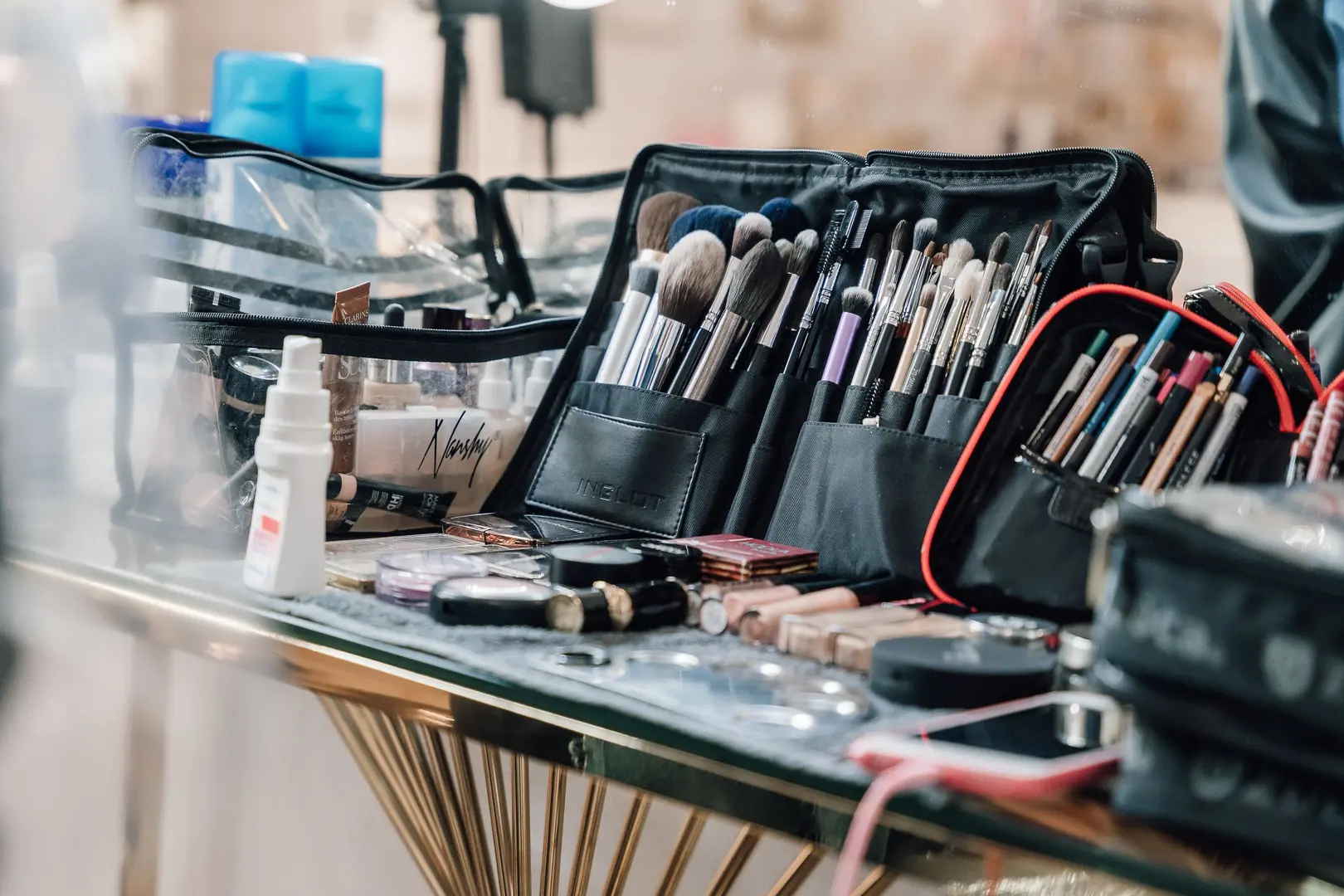
Makeup products come in many forms, including powders, creams, liquids, gels, pencils, and sticks. Because these formulas respond differently to their surroundings, bathroom storage can produce several problems.
Humidity may change the texture of makeup, particularly products that are opened frequently. Powder products can become difficult to apply smoothly when repeatedly exposed to damp air. Heat may also cause liquid or cream formulas to separate, changing how they look or perform.
Eye makeup deserves especially careful storage. Mascara, eyeliner, eyeshadow, and related tools are used close to a sensitive area, so they should be handled neatly and kept under suitable conditions. Close containers properly, avoid leaving applicators on damp counters, and follow the product’s use and replacement guidance.
Instead of storing an entire makeup collection in the bathroom, consider placing it in:
- A drawer organizer in the bedroom
- A closed dressing-table unit
- Stackable containers inside a closet
- A portable makeup case
- A divided organizer arranged by routine
A portable organizer is useful if you prefer to apply makeup in the bathroom. Carry it in when needed, then return it to a cool, dry storage area afterward. This keeps the routine convenient without leaving products in humid conditions all day.
Organization also makes it easier to notice changes in a product. If a formula has separated, its texture has changed, or the packaging no longer closes correctly, check the manufacturer’s instructions before continuing to use it.
3. Skincare Products
Skincare formulas may contain ingredients that are sensitive to light, heat, or moisture. Although packaging is designed to protect the contents during normal use, storing bottles and jars in a warm, steamy bathroom can create unnecessary exposure to changing conditions.
A dry, light-protected area is generally a better choice. Closed bedroom storage, a dressing-table drawer, or a cupboard away from heat can help maintain a more consistent environment. Keep lids and caps firmly closed, and avoid leaving jars or droppers open while completing the rest of your routine.
The packaging also matters. Products in opaque or light-protective containers should remain in those containers rather than being transferred to clear decorative jars. If the label provides storage directions, follow them. Some products may have specific requirements that take priority over general advice.
To keep a routine manageable, organize skincare by when it is used:
- Place morning products together.
- Group evening products in a separate tray or section.
- Keep occasional treatments apart from everyday items.
- Store unopened backups behind or below products already in use.
- Position products with earlier expiration dates where they are easy to see.
If an item must stay in the bathroom, place it in closed storage away from the shower, bath, sink splashes, windows, and heat sources. This is not as protective as moving it to a dry room, but it is preferable to leaving it on an open, damp shelf.
Checking Product Expiration Dates
Storage conditions are only one part of maintaining product quality. Before buying or using skincare, check the expiration information and any freshness guidance provided on the packaging.
A heavily discounted product may not be good value if it is close to expiring and you cannot use it within the available period. This is particularly relevant for large containers, backup products, and items used only occasionally. Proper storage cannot create more usable time or reverse the age of a product.
Before purchasing, consider:
- The stated expiration information: Look for a printed date or other freshness guidance on the container and outer packaging.
- How quickly you use the product: A near-expiry item may be impractical if it takes months to finish.
- Whether the packaging is intact: Check that the product appears properly closed and that the label is readable.
- Where you will store it: If your only available space is a warm, damp bathroom, buying several backups may not be sensible.
- Manufacturer instructions: Follow any specific directions concerning light, heat, or storage after opening.
Arrange products so that those with less usable time are visible rather than forgotten at the back of a drawer. Review your collection periodically and avoid opening multiple similar products at once unless you will use them consistently.
If an item is expired, or if you are uncertain about its freshness, refer to the label and the brand’s guidance. Do not assume that moving an older product out of the bathroom will restore its quality.
Dangers of Buying Skincare from Unverified Sources
Where you buy skincare can be as important as where you store it. Online marketplaces offer convenience, but individual listings and sellers can vary. An unfamiliar or unverified source may not provide enough confidence about a product’s origin, handling, freshness, or ingredient information.
Be cautious when a listing has incomplete product details, unclear seller information, or packaging that does not match what the brand normally presents. An unusually low price may be tempting, but it should not replace basic checks concerning quality and usability.
When shopping online or in a beauty store:
- Choose a reputable retailer or a seller recognized by the brand.
- Read the full product and ingredient information.
- Check whether expiration or freshness details are available.
- Review the seller’s identity rather than relying only on the marketplace name.
- Look for clear storage and usage instructions.
- Inspect the delivered packaging before opening the product.
- Ask the retailer or manufacturer if important information is missing.
Do not use bathroom storage as a way to overlook uncertainty about a purchase. Even ideal storage cannot correct unclear ingredients, questionable freshness, or unknown handling before the item reached you. If a product’s source or quality cannot be reasonably verified, consider choosing another seller.
4. Razors
Razors are commonly left on the edge of a bath, in a shower caddy, or beside the sink. Unfortunately, these are some of the dampest places in the room. Repeated contact with water and lingering moisture can encourage metal components to rust.
After using a razor, rinse it according to its care instructions and allow it to dry. Store it upright in a dry holder rather than laying it flat in pooled water. A holder should support the razor without trapping moisture around the blade.
Good razor storage includes:
- Keeping it away from direct shower spray
- Using a holder that allows it to dry
- Avoiding wet windowsills and bath edges
- Moving it to a dry cupboard once it is no longer damp
- Checking it regularly for rust or visible damage
A closed cabinet is helpful only if the razor is dry before it is placed inside. Putting a wet tool into an enclosed container may keep moisture around it. Let it dry in a ventilated position first, then store it safely.
5. Nail Polish
Nail polish is another product that may be affected by bathroom heat. Warm conditions can alter its consistency, making application less predictable. Bottles displayed in direct sunlight may also receive unnecessary light and warmth.
Choose a cool, dry, shaded storage area, such as a drawer or closed box in the bedroom. Keep each bottle tightly closed so the formula is not left unnecessarily exposed to air. Wipe the neck carefully if residue prevents the cap from closing properly.
Store bottles upright to reduce leaks and make colors easier to find. A divided organizer can stop bottles from tipping over, while labels on the top may help identify shades without removing every bottle.
Avoid placing nail polish:
- On a sunny windowsill
- Beside a radiator
- Near a hot shower or bath
- In an open container exposed to steam
- Anywhere bottles are likely to fall or remain tilted
A compact nail station outside the bathroom can hold polish, files, and other manicure supplies together. This keeps the collection organized and away from the room’s changing temperature and humidity.
Better Places to Store Your Beauty Products
The best general storage location is cool, dry, shaded, and easy to keep organized. A bedroom drawer, dressing table, closet shelf, or closed cabinet outside the bathroom may provide more stable conditions.
Arrange products by routine rather than simply grouping everything by size. For example, keep morning skincare together, place daily makeup in a portable case, and store occasional products separately. This reduces clutter and limits the time containers are left open.
A simple storage plan could include:
| Product type | Suggested location |
|---|---|
| Perfume | Shaded bedroom drawer or cupboard |
| Makeup | Dressing-table organizer or portable case |
| Skincare | Dry, light-protected drawer or cabinet |
| Razors | Upright holder in a dry area |
| Nail polish | Closed box or divided drawer away from heat |
When products must remain in the bathroom, use closed storage located as far as practical from the shower and direct sunlight. Avoid overfilling cabinets, since crowded storage makes it harder to find older products, read labels, or notice loose caps.
Keep frequently used items accessible, but do not turn open bathroom shelving into long-term storage for backups. Unopened extras can usually remain in a drier room until needed.
Ways to Lower Bathroom Humidity
Reducing humidity protects more than beauty products—it also makes the room easier to dry and maintain. Begin by improving airflow during and after bathing.
Use the extractor fan whenever the shower or bath creates steam. Leave it running long enough to help clear the damp air, following the fan manufacturer’s operating guidance. If the bathroom has a suitable window, open it to encourage airflow when conditions allow.
You can also reduce lingering moisture by:
- Wiping down shower walls and other wet surfaces
- Drying water around the sink and bath
- Hanging towels so they can dry properly
- Keeping air vents unobstructed
- Avoiding wet items piled on counters or shelves
- Leaving appropriate space around stored products
Ventilation and regular wipe-downs can make bathroom storage safer for items that need to remain there. Even so, products sensitive to heat, moisture, or sunlight are still better kept in a cool, dry location outside the room.