The Benefits of Choosing a Jack and Jill Bathroom
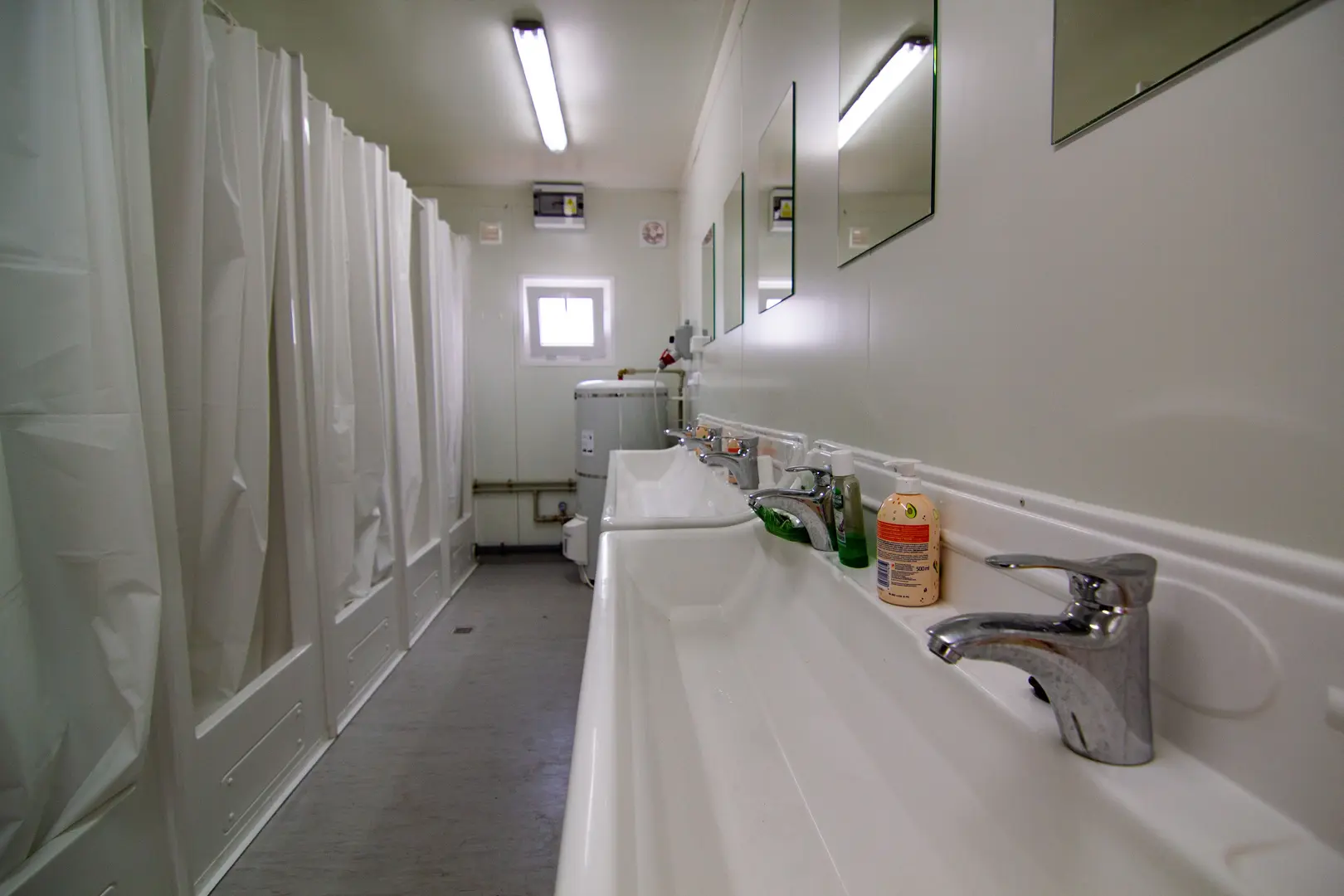
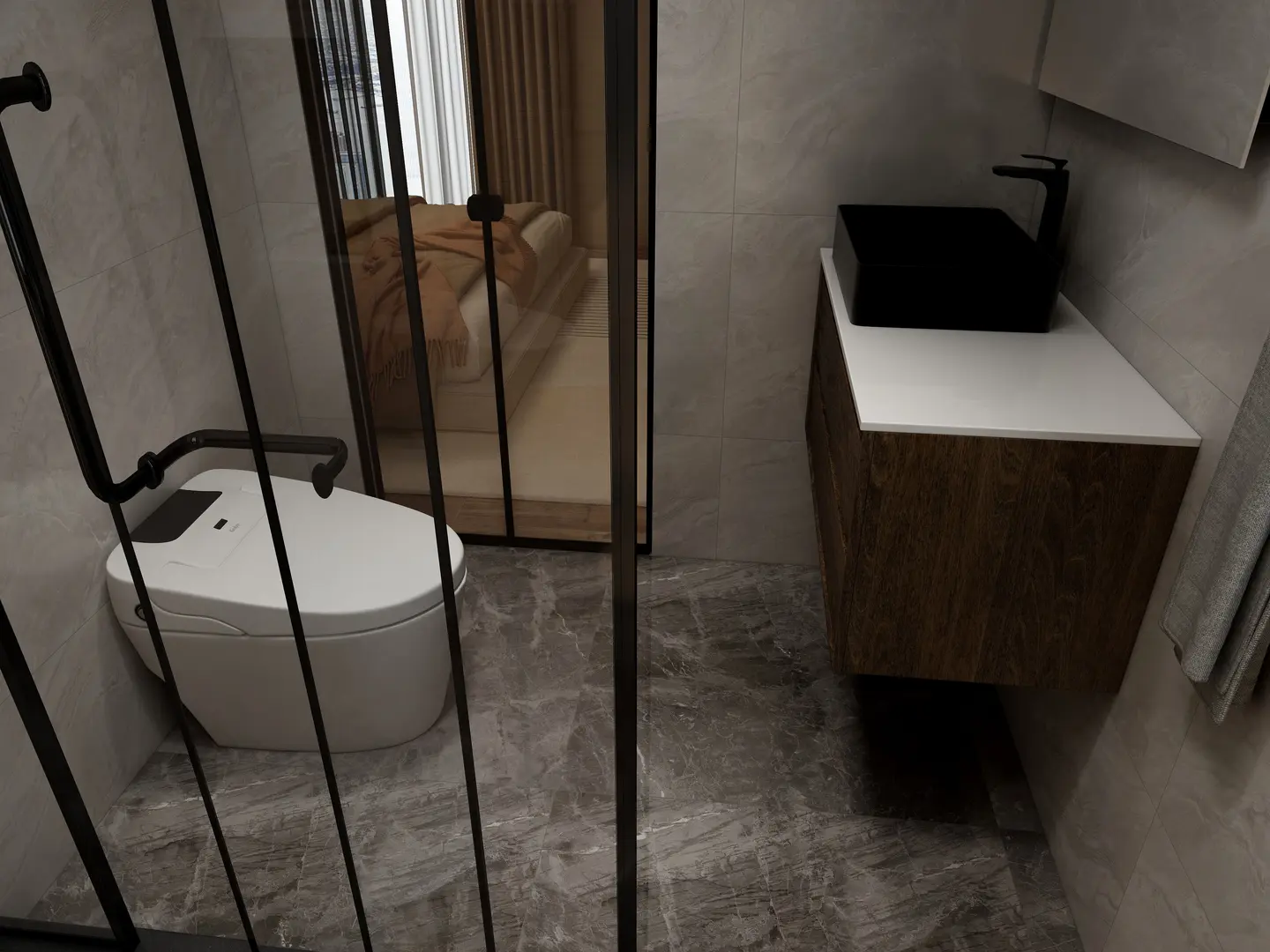
A Jack and Jill bathroom is a shared bathroom with direct access from two bedrooms. Instead of requiring everyone to enter from a hallway, occupants on either side can reach the same bathroom from their own rooms. This arrangement is often used for children’s bedrooms, guest rooms, or other spaces where two occupants need convenient bathroom access.
The main benefits of a Jack and Jill bathroom are efficient use of space, the possibility of avoiding the cost of a second bathroom, and more equal access for the people sharing it. However, the design works best when storage, daily routines, door locks, and privacy are considered from the beginning.
Save Space and Reduce Bathroom Costs
A Jack and Jill layout allows one bathroom to serve two bedrooms. Rather than constructing a separate bathroom for each room, a household can provide direct access to shared facilities through two doors.
This can be a practical alternative to building a second bathroom. One shared room still requires the usual bathroom components, but it avoids duplicating the entire space simply to give both bedrooms convenient access. That is particularly useful when the floor plan has limited room for additional walls, fixtures, and circulation areas.
The space-saving benefit does not necessarily mean that the bathroom itself must feel cramped. It means that the available area is being used by more than one bedroom. A thoughtfully arranged shared bathroom may provide comfortable access without dedicating space to a second set of every bathroom feature.
For example, the basic layout might include:
- One entrance from each bedroom
- A shared toilet and shower or bathtub
- One vanity or separate grooming areas, depending on the available space
- Storage assigned to each occupant
- Doors and locks designed for shared access
The cost advantage follows the same principle. Converting one bathroom into a dual-access space may be more economical than creating another complete bathroom. The exact savings will depend on the home, the existing plumbing, the planned finishes, and the amount of remodeling involved. A Jack and Jill layout should therefore be viewed as a potential cost-saving option rather than a guarantee that every project will be inexpensive.
If a bathroom already sits between two bedrooms, adding suitable access may be more straightforward than finding space elsewhere for another room. In a new floor plan, placing a shared bathroom between bedrooms can make dual use part of the design from the outset.
However, saving floor area should not come at the expense of everyday function. Before choosing the layout, consider how the occupants will use the room. Two people may need to brush their teeth, get ready, shower, or use the toilet at similar times. If the design does not account for those routines, the shared bathroom can become a frequent source of delay.
A few planning decisions can make the available area work more effectively:
- Separate personal storage: Give each person a defined drawer, cabinet, shelf, or basket so that everyday items do not become mixed together.
- Keep shared surfaces manageable: Counter space should be easy to clear, particularly when both occupants use the room daily.
- Consider grooming needs: Where space allows, separate sink or mirror areas can let one person get ready while the other uses another part of the bathroom.
- Plan door movement carefully: Doors should not compete with bathroom fixtures or create awkward entry points.
- Choose an intuitive route: Each bedroom occupant should be able to enter and leave without passing through the other bedroom.
Zoning can also improve a shared bathroom. The sink area, shower area, and toilet area do not always need to function as one completely open space. Depending on the floor plan, separating certain functions with a door or partition may allow more flexible use. One occupant might use a sink while the other showers, provided the arrangement still protects privacy.
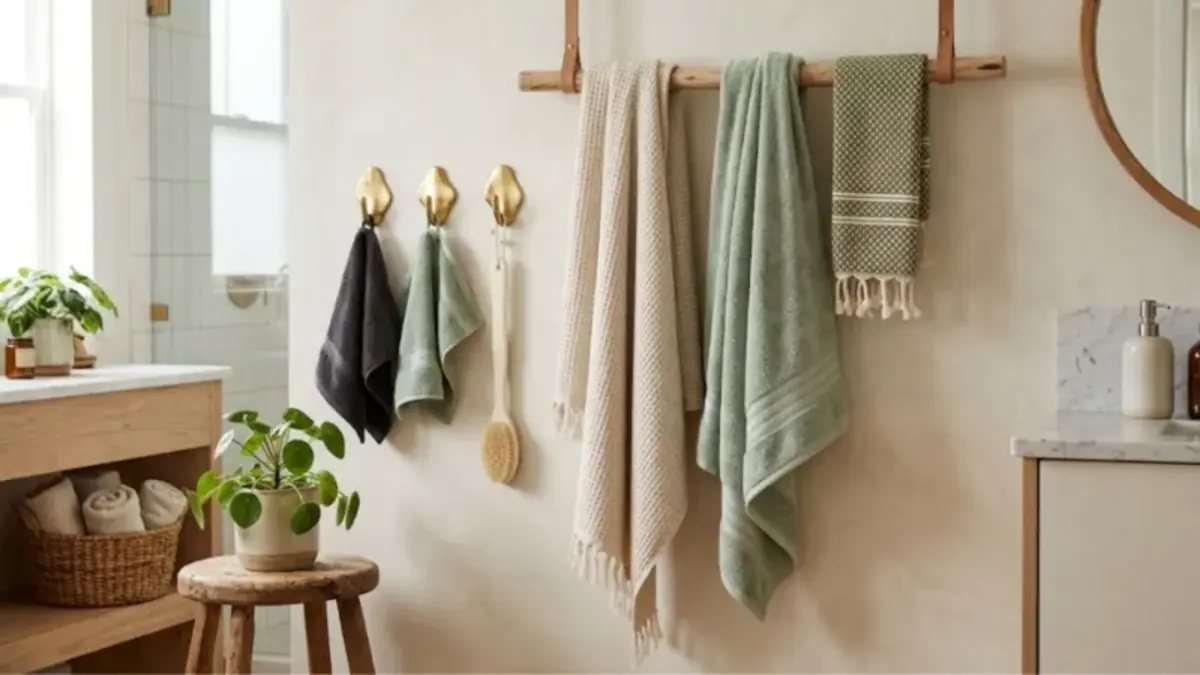
Even without separate zones, clear organization can reduce frustration. Towels can have assigned hooks, toiletries can stay in dedicated storage, and frequently used shared supplies can be kept where both people can reach them. These choices do not increase the size of the room, but they help the shared space feel more orderly.
Cleaning responsibilities matter as well. A shared bathroom can save space, yet the benefit may be overshadowed if neither occupant knows who is responsible for wiping the vanity, removing damp towels, or replenishing supplies. Agreeing on basic expectations is especially helpful when the bathroom is shared by siblings, housemates, or long-term guests.
When comparing a Jack and Jill bathroom with two separate bathrooms, look beyond the number of rooms. Consider how frequently the bedrooms will be occupied, whether their users have similar schedules, and whether they are comfortable sharing. A single dual-access bathroom may be an efficient choice for two children’s rooms or occasional guest rooms. If both occupants need extensive privacy or routinely use the bathroom at the same time, the arrangement may require more careful planning.
The goal is not simply to fit a bathroom between two rooms. It is to make one bathroom function well enough that a second one is unnecessary.
Encourages Fair Sharing and Equal Access
Another key benefit of a Jack and Jill bathroom is that it can give two bedroom occupants comparable access to the same facilities. Neither person has to walk through the other’s room, and neither bedroom is treated as the primary route to the bathroom.
This balanced access can be particularly helpful for children. Sharing a bathroom gives them regular opportunities to take turns, respect another person’s belongings, and contribute to keeping a common space clean. The layout itself will not automatically create good habits, but it can support them when expectations are clear.
Fair sharing can include simple rules such as:
- Keep personal products in the assigned storage area.
- Remove clothes and damp towels after use.
- Let the other person know before taking a long shower.
- Leave shared surfaces ready for the next user.
- Unlock the necessary doors when finished.
- Follow an agreed routine during busy times.
These expectations address one of the most common concerns about shared bathrooms: mess. When two people use the same vanity, shower, and storage areas, it can be difficult to tell who left something out or who should clean it. Dedicated storage and a simple cleaning schedule can prevent the room from feeling as though it belongs to one person more than the other.
Simultaneous use is another concern. Direct access from two bedrooms does not mean the bathroom can always accommodate two people at once. If the toilet, shower, and sink are all in one open room, one occupant may need to wait until the other has finished.
Household routines can reduce these conflicts. Occupants might agree on approximate shower times or keep less private grooming tasks outside the busiest period. If the floor plan allows, separating the vanity from the toilet and shower can make it easier for two people to use different parts of the bathroom. The best approach depends on the available space and the users’ comfort levels.
A Jack and Jill arrangement may also reduce pressure on a main family or hallway bathroom. When two bedrooms share their own direct-access space, their occupants are less likely to compete with everyone else for another bathroom. This can distribute bathroom use more evenly throughout the home.
Nevertheless, equal access must be paired with equal responsibility. If one occupant repeatedly leaves the room untidy, stores items in all available cabinets, or occupies the bathroom for long periods, the layout will not feel fair. The people sharing it should have comparable storage and a clear understanding of how the room is meant to work.
Fairness also involves respecting changing needs. Young children may require help with locks and cleaning. Teenagers may place greater importance on privacy and grooming time. Guests may need clear instructions because they are unfamiliar with the multiple doors. A layout that works well should be supported by routines appropriate for its current users.
Most importantly, shared access should not mean reduced privacy. Every entrance needs to be considered as part of one coordinated door and lock system.
Ensuring Privacy and Security in Jack and Jill Bathrooms
Privacy is one of the most important design issues in a Jack and Jill bathroom. Because the room has at least two access points, an inadequate lock arrangement may allow someone to enter unexpectedly. The doors and hardware should make it easy for an occupant to secure the bathroom while also allowing the next person to regain access after use.
At a basic level, both bedroom doors need suitable privacy controls. Users should understand which doors must be locked when the bathroom is occupied and which doors must be unlocked when they leave. This sounds simple, but forgetting the second door is a common practical problem in a dual-access room.
A useful privacy plan should answer the following questions:
- Can an occupant secure every entrance before using the shower or toilet?
- Is it clear from outside when the bathroom is occupied?
- Can a bedroom user be accidentally locked out after the bathroom is empty?
- Is there a way to provide assistance in an emergency?
- Can children or other occupants operate the hardware comfortably?
- Does the arrangement prevent one bedroom from becoming accessible through the bathroom?
The last point is easy to overlook. The bathroom is not only a shared destination; it can also act as a passage between two bedrooms if all doors are left open. Occupants should be able to prevent someone from using the bathroom as an unintended route into their private room.
Door selection and placement also influence privacy. A closed door should provide a clear boundary, and the lock controls should be easy to identify. Where multiple doors or separately enclosed zones are involved, the locking sequence should not be so complicated that occupants regularly use it incorrectly.
For family use, a straightforward routine may be enough: lock both bedroom-side doors upon entering, then unlock both before leaving. A visible reminder can help guests or children who are unfamiliar with the arrangement. If the bathroom contains separate compartments, each private area may need its own appropriate closure rather than relying only on the main bedroom doors.
Accessibility and emergency access must also be considered. A lock that provides privacy should not prevent assistance when assistance is genuinely needed. This issue is especially important in households where an occupant has dementia, reduced mobility, or another condition that may make a complex locking routine confusing or unsafe.
Shared bathrooms in vulnerable living arrangements require individual assessment. Some people may be comfortable sharing with a spouse or long-term partner but distressed by sharing with an unrelated person. Others may forget to lock doors, leave water running, enter while the room is occupied, or become unable to call for help. In these situations, the general advantages of a Jack and Jill bathroom do not automatically make it the right choice.
The design should balance three needs:
- Privacy: Occupants should be protected from unexpected entry.
- Accessibility: The room and its hardware should remain practical for the people using them.
- Assistance: Caregivers or household members should be able to respond appropriately when help is required.
No single locking arrangement will suit every household. For children, the priority may be simple operation and clear family rules. For independent adults, stronger separation between bedrooms may be more important. In memory care or another supported environment, the needs and behaviors of the specific residents should guide the decision, with input from those responsible for their care and safety.
The relationship between the occupants matters too. A shared bathroom may work naturally for a couple who already has compatible routines. Two siblings may adapt well with assigned storage and agreed schedules. Unrelated residents may have different expectations about cleanliness, privacy, and personal boundaries. These differences should be discussed rather than assuming the room itself will encourage cooperation.
Before finalizing the design, walk through a typical day from each user’s perspective. Consider entering from either bedroom, securing the room, using the shower, accessing stored items, and leaving without locking out the other occupant. Also consider what happens when both people need the bathroom, when a guest does not understand the locks, or when someone needs assistance.
A well-planned Jack and Jill bathroom combines efficient shared access with firm personal boundaries. When the door system, storage, cleaning expectations, and daily routines are carefully considered, one bathroom can serve two bedrooms while preserving privacy and promoting fair use.