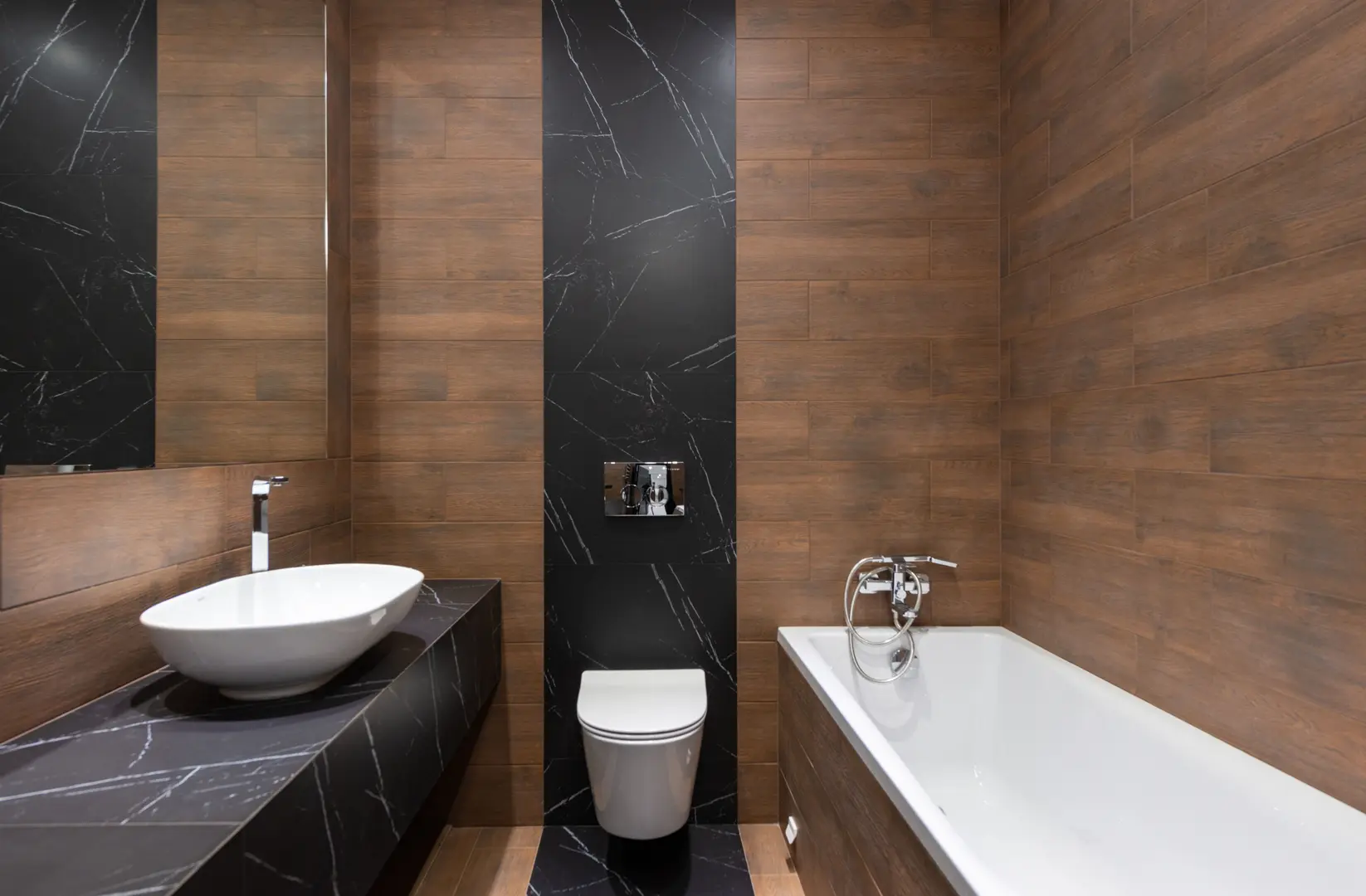
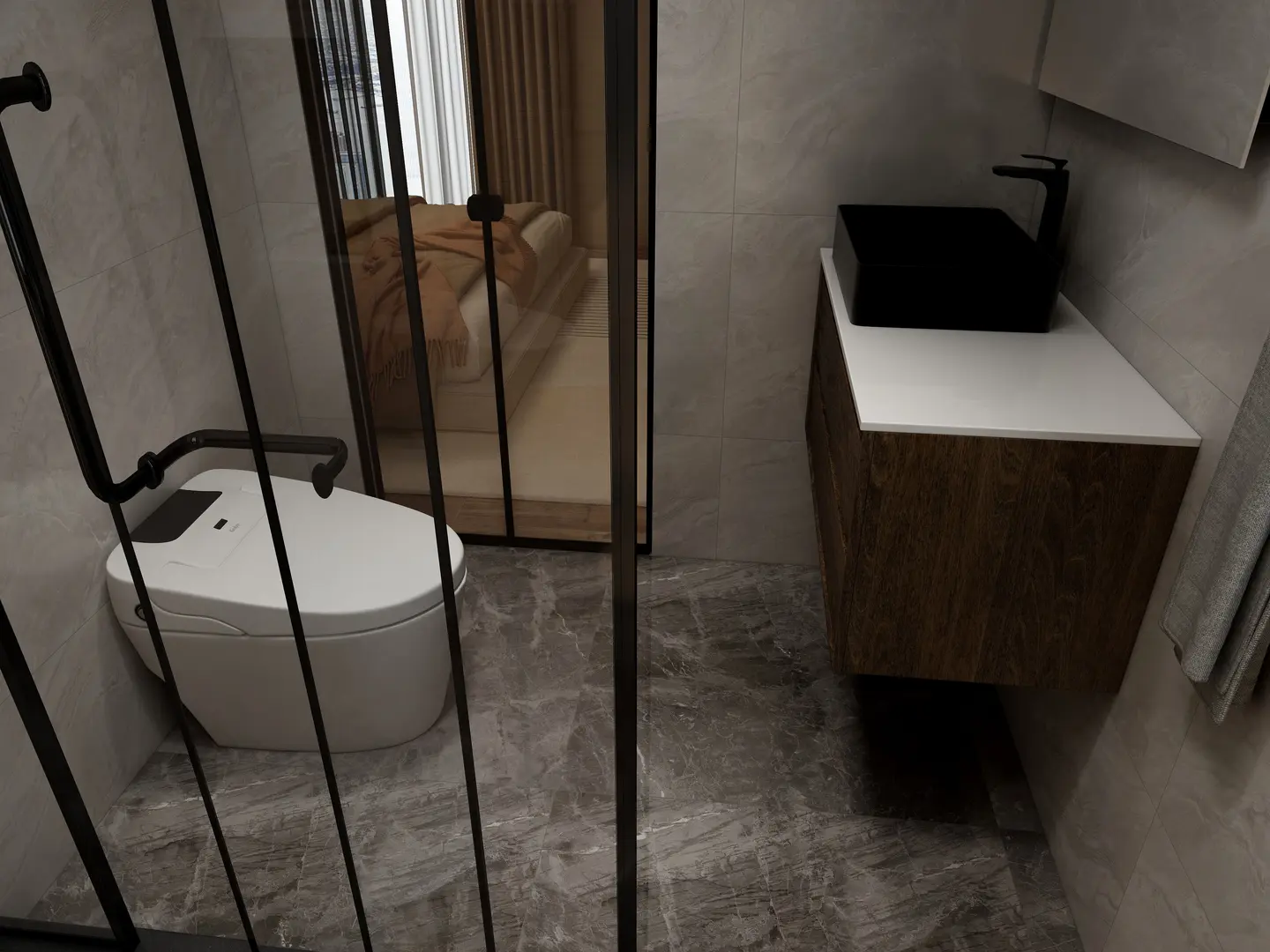
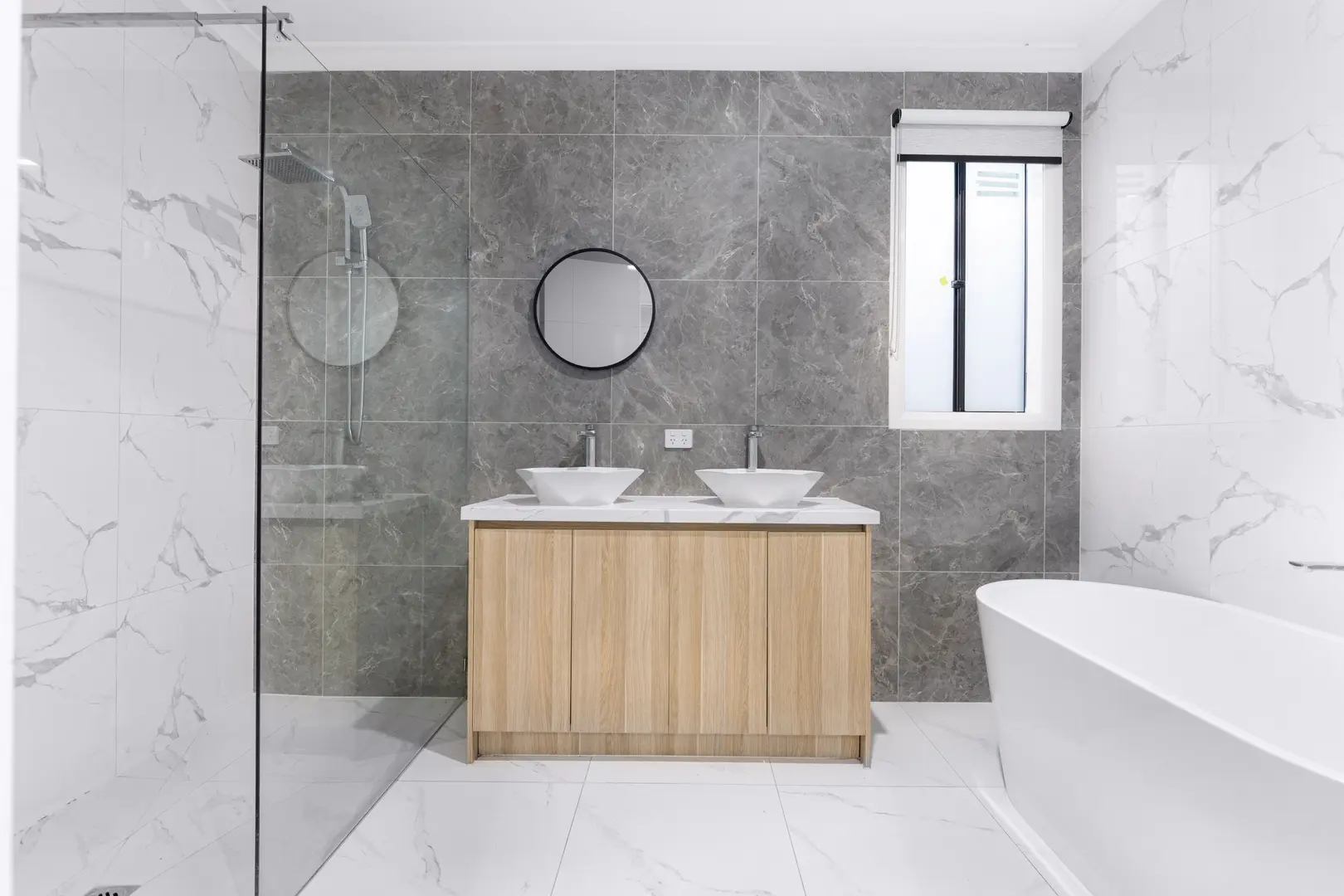
Why Choose Bathroom Wall Panels? Key Benefits Explained
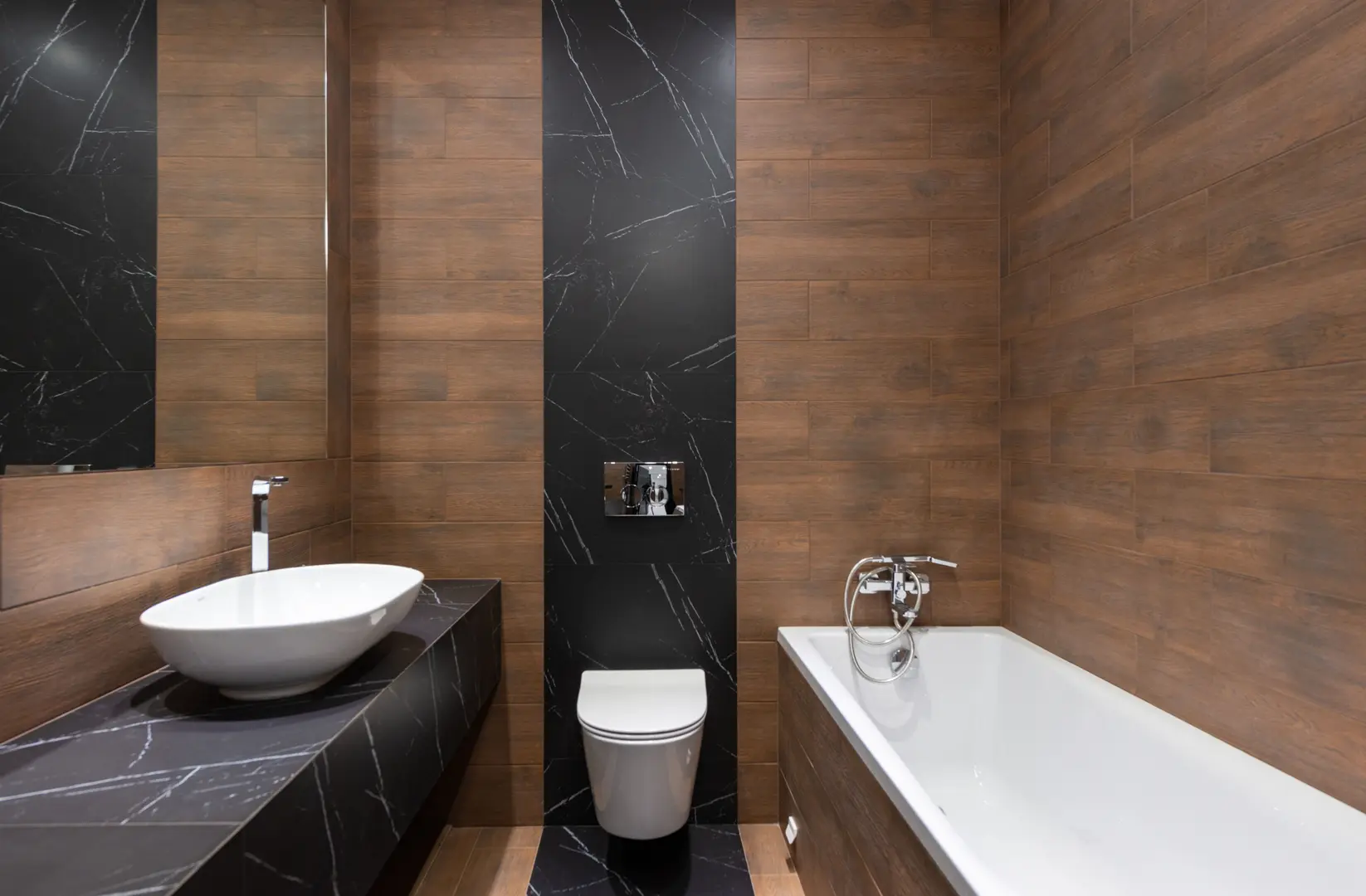
Bathroom renovations often involve balancing appearance, practicality, installation time, and budget. Traditional tiles remain a popular option, but wall panels offer a durable, low-maintenance alternative for both complete renovations and straightforward updates.
The benefits of bathroom wall panels include reliable moisture protection, easier cleaning, simpler installation, potential cost savings, improved comfort, and a broad choice of finishes. Understanding these advantages—and how panels compare with tiles—can help you choose the right surface for your bathroom.
Six Reasons to Consider Wall Panels in Your Bathroom
Bathroom wall panels are large decorative boards designed to cover walls in showers, around baths, and elsewhere in the room. Because each panel covers a substantial area, fewer individual pieces and joins are required than with conventional tiles.
Their growing popularity is largely based on practicality. Panels can create a waterproof surface, require minimal everyday maintenance, and may be fitted more quickly than tiles. They are suitable for updating an existing bathroom as well as completing a new design.
The six main reasons to consider wall panels are:
- They create a waterproof barrier in wet areas.
- Their smooth surfaces are easy to clean.
- Large-format panels can simplify installation.
- They may cost less than traditional tiling.
- They can improve insulation and comfort.
- They are available in versatile decorative finishes.
Although these qualities make shower panels a good idea for many homes, tiles and panels each have their own strengths. The best choice depends on your budget, preferred appearance, maintenance expectations, and renovation plans.
Wall Panels vs. Tiles: Making the Best Choice for Your Bathroom
Tiles provide a familiar bathroom finish and are available in many colours, sizes, patterns, and materials. However, fitting them is a multi-stage process. Individual tiles must be positioned carefully, and the spaces between them need to be grouted. That grout then becomes part of the room’s ongoing cleaning and maintenance requirements.
Wall panels cover a larger area at once. This reduces the number of visible joins and removes the need for conventional grout lines across the surface. As a result, panels can be quicker to fit and easier to maintain.
Here is a practical comparison:
| Consideration | Bathroom wall panels | Traditional tiles |
|---|---|---|
| Moisture protection | Create a continuous waterproof barrier when correctly fitted | Provide a suitable wet-area surface, with grout and joints requiring maintenance |
| Installation | Large sections can cover walls quickly | Individual tiles require more detailed positioning |
| Cleaning | Smooth, grout-free areas are quick to wipe | Grout lines can need additional cleaning |
| Maintenance | Generally requires minimal ongoing upkeep | Grout may need repair or refreshing over time |
| Cost | Can reduce material, labour, and maintenance costs | Costs depend on the tiles and the work involved in fitting them |
| Appearance | Available in a wide range of decorative finishes | Offers the familiar look and variation of individual tiles |
| Renovation use | Some systems can be installed over existing tiles | Old finishes may require more preparation or removal |
Durability should be assessed alongside installation quality and normal care. Both surfaces can provide lasting results when they are suitable for bathroom use and properly fitted. Panels have the practical advantage of fewer joints, while tiles appeal to homeowners who specifically want the texture, layout, or character of an individually tiled wall.
Appearance is largely a matter of preference. Modern panels can complement contemporary, traditional, minimalist, or decorative interiors. They can also recreate the visual character of other surfaces without introducing numerous grout lines. Tiles, meanwhile, allow for detailed layouts and combinations of individual colours or shapes.
Neither option is automatically right for every project. If quick fitting, low maintenance, and simple cleaning are priorities, panels may offer the stronger overall package. If an individual tile pattern is central to the design, traditional tiling may still be preferable.
1. Create a Waterproof Barrier in Moisture-Prone Areas
Bathrooms are exposed to regular splashes, steam, and condensation, particularly around showers and baths. Wall coverings in these areas must prevent water from reaching the surface behind them.
Bathroom wall panels are designed to form a waterproof barrier across the covered wall. Their large format means that much of the surface is uninterrupted, with fewer joins than a typical tiled installation. This makes panels particularly practical for shower enclosures, bath surrounds, and other areas that experience frequent water contact.
A continuous barrier also helps reduce the conditions associated with damp. When bathroom walls are properly covered, water is less likely to penetrate behind the finished surface. Panels can therefore support a cleaner, more manageable wet area while protecting the underlying wall.
They are useful in several locations:
- Inside a shower enclosure
- Around a bath or shower-over-bath
- Behind a basin
- Across walls that experience regular splashing
- Throughout a bathroom where a consistent finish is wanted
Condensation still needs to be managed through sensible bathroom ventilation, but panels give exposed walls a waterproof, wipeable surface. Moisture that settles on the wall can be removed without having to scrub multiple grout lines.
Correct fitting remains important. Panels need to work as a complete wall-covering system so that edges and connections maintain the intended barrier. Once installed appropriately, they provide a practical solution for areas where resistance to water is essential.
2. Simplify Cleaning and Help Prevent Mould and Mildew
Cleaning is one of the clearest benefits of bathroom wall panels. A tiled wall contains grout lines between every row of tiles. These recessed, often porous-looking areas can collect residue and may provide places for mould or mildew to develop if moisture and dirt remain on the surface.
Panels remove most of those small grout lines. Instead, they create broad, smooth areas that can usually be cleaned with a simple wipe. There are fewer grooves to scrub and fewer sections requiring close attention.
This can make routine bathroom care much more manageable. Everyday maintenance generally involves:
- Wiping away splashes and surface residue.
- Cleaning the panel with an appropriate bathroom cleaner.
- Drying the surface when needed to limit lingering moisture.
The result is a wall covering that does not demand time-consuming grout cleaning. It is still important to clean panel joins, corners, and edges as part of normal bathroom care, but the overall surface is straightforward to maintain.
Reduced upkeep is especially helpful in busy households, frequently used shower rooms, and bathrooms where owners want an attractive finish without an involved cleaning routine. It can also help the room look fresher because there is no grid of grout lines that may become discoloured over time.
Panels do not replace good ventilation or regular cleaning. However, their grout-free surface reduces the number of areas in which moisture and residue can collect, helping to discourage the conditions that allow mould and mildew to become a persistent problem.
3. Make Bathroom Installation Faster and Simpler
Traditional tiling involves preparing the surface, planning the layout, placing many individual tiles, and completing the grout lines. Care is needed throughout to maintain an even finish. This can make tiling a relatively involved part of a bathroom renovation.
Wall panels simplify the process by covering much larger sections of wall at one time. Fewer pieces need to be positioned, so installers can make visible progress quickly. This may reduce labour and help shorten the wall-finishing stage of a renovation.
The main installation advantages include:
- Large panels cover more space with each section.
- Fewer individual pieces need to be aligned.
- Conventional grout does not need to be applied across the wall.
- Less time is spent creating and finishing numerous small joints.
- Some panels can be fitted over existing tiles.
The possibility of covering existing tiles can be particularly valuable during an update. If the current wall surface is suitable, panels may allow homeowners to refresh the room without first removing every tile. This can simplify the project and reduce the disruption associated with stripping back an existing finish.
Whether installation over tiles is appropriate will depend on the condition and suitability of the existing wall. A stable base is important for a neat, dependable result. The requirements of the chosen panel system should therefore guide the installation.
Faster fitting does not mean that planning can be ignored. Panels still need to be measured and positioned accurately, especially around corners, baths, shower trays, pipework, and bathroom fittings. Nevertheless, working with large wall sections is generally less involved than placing and grouting many individual tiles.
4. Reduce Costs Compared with Traditional Tiling
Bathroom wall panels can be a cost-effective alternative to tiles. The total price of a wall finish is not limited to the decorative material itself; it can also include installation labour, preparation, finishing materials, and future maintenance.
Because large panels cover walls quickly, they may reduce the amount of labour required. Avoiding a conventional tiled layout also removes the work associated with applying and finishing grout across the entire surface. If suitable panels can be placed over existing tiles, there may be further savings by reducing removal and preparation work.
Potential savings can come from:
- Lower material costs compared with some tile choices
- Shorter installation times
- Reduced labour requirements
- Less disruption during renovation
- Minimal grout-related maintenance
- Fewer future grout repairs or refreshes
Long-term upkeep is an important part of the comparison. Grout can require extra cleaning and may eventually need attention to keep a tiled wall looking its best. Panels have no conventional grout grid, reducing this ongoing maintenance requirement.
Actual costs will vary according to the chosen finish, the size of the bathroom, the condition of the walls, and the complexity of fitting around fixtures. A premium panel design may not be the least expensive option in every project. Even so, panels can provide strong overall value when purchase price, installation, cleaning, and maintenance are considered together.
For homeowners working within a defined renovation budget, comparing complete project costs is more useful than comparing only the price of tiles and panels per pack. A surface that is simpler to install and maintain may be more economical over its usable life.
5. Improve Insulation and Make the Bathroom Feel Warmer
Bathrooms should feel comfortable as well as look appealing. Wall panels can contribute to insulation by adding another layer to the wall surface. This can help reduce heat loss and make the room feel warmer.
The effect is particularly noticeable in how the finished wall feels. Tiles can feel cool to the touch, whereas panels may provide a less cold surface. That can make a bathroom seem more comfortable, especially during colder periods or at the beginning of the day.
Improved insulation can support:
- Better retention of warmth in the room
- Reduced heat loss through covered walls
- A warmer-feeling wall surface
- A more comfortable showering and bathing environment
Wall panels are not a substitute for proper building insulation or an effective bathroom heating system. Their contribution should be viewed as an additional comfort benefit rather than a complete thermal solution. The exact result will also depend on the type of wall, the chosen panels, and how they are installed.
Even so, when panels are being considered for their waterproof and low-maintenance qualities, the potential for a warmer feel adds to their appeal. It is a practical advantage that can be enjoyed every day rather than being purely decorative.
6. Add Style with Flexible Design Choices
Practical wall coverings do not have to limit bathroom design. Panels are available in a wide range of colours, patterns, and finishes, making them suitable for many decorative schemes.
A simple neutral finish can support a calm, minimalist bathroom, while a bold pattern can turn a shower wall into a focal point. Other designs can complement traditional fittings, modern furniture, or understated spa-inspired interiors. This flexibility makes panels suitable for both complete renovations and quick visual updates.
Panels can be used in several ways:
- Across every wall for a consistent, coordinated finish
- Inside a shower enclosure
- Around a bath as a practical splash-resistant surround
- On one wall to create a feature
- In selected wet zones alongside other bathroom finishes
Using panels throughout the room can create a clean, continuous appearance with relatively few visual interruptions. Alternatively, limiting them to a shower or feature wall allows the finish to stand out.
Large panels can also make a bathroom feel less visually busy because there is no extensive grid of grout lines. This may suit compact rooms where a cleaner wall treatment is preferred. More decorative finishes can add depth or character without the maintenance demands associated with numerous joints.
Ultimately, the strongest benefits of bathroom wall panels come from their combination of function and appearance. They protect moisture-prone walls, are simple to clean, can make installation faster, and may reduce both initial and long-term costs. Added insulation and flexible styling further strengthen their value.
For homeowners who want a waterproof, durable, and low-maintenance alternative to traditional tiles, bathroom wall panels are well worth considering.