7 Key Benefits of Corner Baths
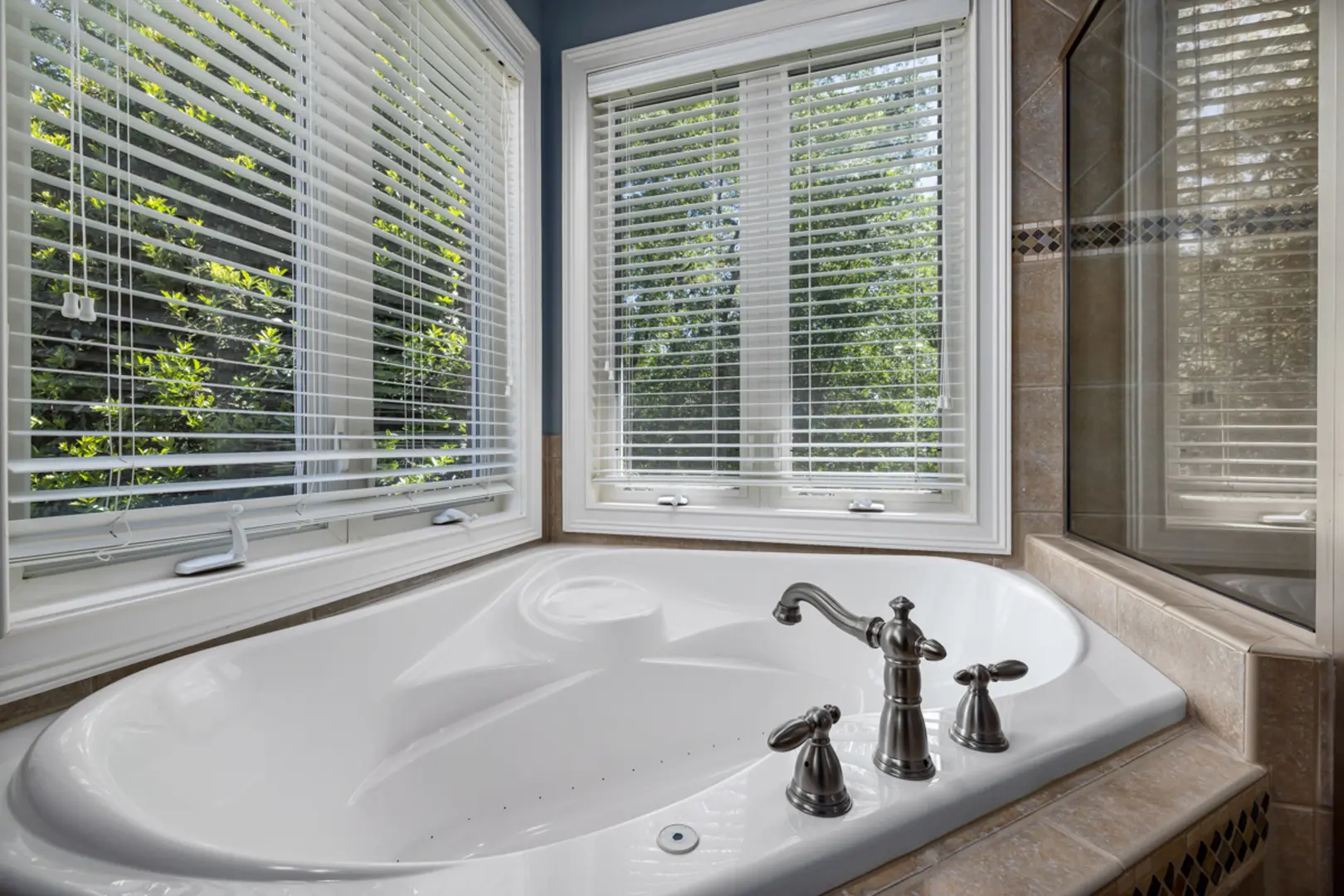
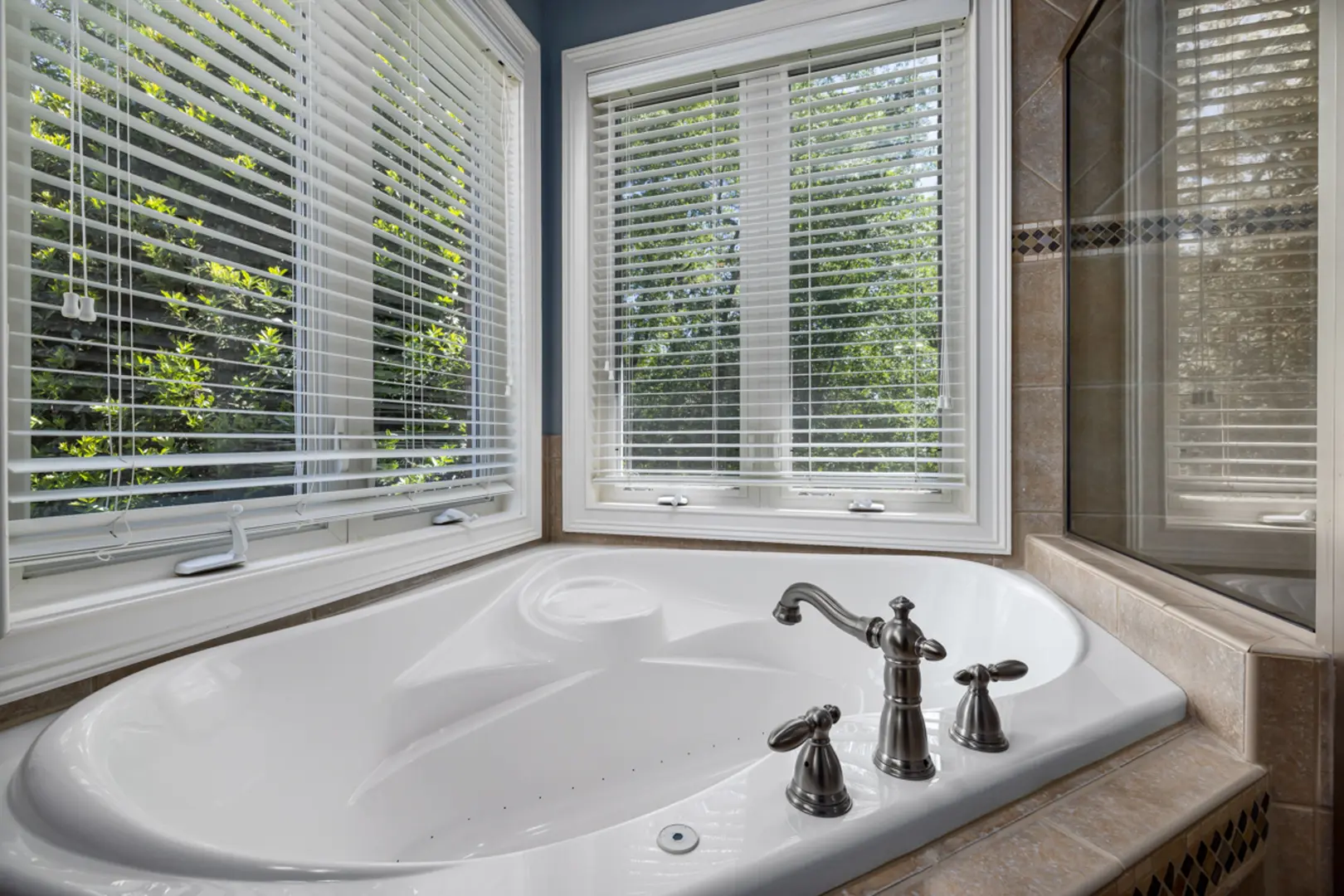
Corner baths turn an often-underused part of the bathroom into a practical and inviting bathing area. Their distinctive shape can improve the layout, create a comfortable place to relax, and give the room a strong design feature.
The benefits of corner baths extend beyond appearance. Depending on the model and installation, they can support family bathing, simplify maintenance, and make a smaller bathroom feel more functional. Here are seven important advantages to consider when planning your space.
How Corner Baths Make Better Use of Limited Space
A conventional straight bath usually occupies much of one wall. That can make it difficult to position a basin, toilet, shower enclosure, or storage without creating a crowded layout. A corner bath approaches the problem differently by placing the bathing area across two adjoining walls.
This placement makes productive use of a corner that might otherwise be awkward or empty. It can be particularly helpful in square bathrooms, compact ensuites, and rooms where doors, windows, or plumbing limit the usable wall space.
Depending on the bathroom and the dimensions of the chosen bath, a corner layout may leave room for:
- A larger vanity or additional storage
- A separate shower enclosure
- More open floor space near the entrance
- Better access around the toilet and basin
- Towel rails or shelving on previously crowded walls
Corner baths are not automatically smaller than straight baths, so checking dimensions remains essential. Their space advantage comes mainly from how they use the room rather than from having a universally compact footprint. Some models are wide and generous, while others are designed specifically for tighter spaces.
The visual effect can also improve a small bathroom. Instead of creating a long barrier along one wall, the bath becomes part of the corner layout. This can make the centre of the room feel less obstructed and help fixtures relate to one another more naturally.
Before choosing a model, map the bath’s full footprint and allow for access, taps, screens, panels, and cleaning. A carefully planned corner bath can solve an awkward floor-space problem, but accurate measurements are key to gaining the full benefit.
Why Corner Baths Can Feel More Comfortable
Many corner baths prioritise width and depth rather than overall length. This creates a different bathing position from that offered by a typical straight tub. The broader interior can provide space to adjust your posture, rest your arms, or sit at an angle instead of remaining in one narrow position.
Some designs include shaped backrests, raised edges, or integrated seating areas. These features may provide better support for the back and arms, making the bath feel more comfortable during a longer soak. Always inspect the internal shape as well as the external dimensions: a large-looking bath does not necessarily have the most usable bathing space.
Wider corner baths can also work well for couples. Models designed with two seating positions may allow bathers to face one another without one person having to sit beside the taps. Comfort varies considerably between designs, so it is worth considering the position of the waste, tap deck, backrests, and overflow before buying.
If the bath will also be used for showering, plan the setup carefully. The width and curved or angled shape that make a corner bath comfortable for bathing can sometimes make its showering area feel unusual. A suitable bath screen often provides the neatest solution where the model supports one.
Curtains are another option, although some users find that a single shower liner moves inward and creates a cramped feeling. Where the layout and curtain fittings allow, using two shower curtains or liners can provide better coverage and reduce the chance of the wet liner sticking to the person showering. This workaround applies only to compatible curtain installations and will not suit every corner bath.
Comfort ultimately depends on matching the bath to its main purpose. A deep, wide model may be ideal for soaking, while a design with a flatter standing area and compatible screen may be more practical for a bath-and-shower combination.
How Corner Baths Shape Bathroom Style
A corner bath naturally draws attention because its shape differs from the standard rectangular layout. Rather than appearing to be simply another fixture along a wall, it can become the main visual feature of the bathroom.
That focal-point quality works with a range of interior styles. A clean white bath with simple panels can complement a contemporary room, while softer curves and traditional fittings can suit a more classic design. The surrounding materials, taps, lighting, and wall treatment determine whether the result feels understated or luxurious.
The corner position also creates opportunities for creative finishes on the two adjoining walls. Possible approaches include:
- Contrasting tiles behind the bath
- A decorative tile pattern centred on the corner
- Coordinated wall panels for a continuous finish
- Built-in niches for toiletries
- A simple neutral backdrop that highlights the bath’s shape
Any materials used in the splash zone should be suitable for bathroom conditions and installed with properly sealed joints. Attractive details should not compromise water resistance or make the area unnecessarily difficult to clean.
Corner baths are commonly associated with practical built-in installations, but the wider design choice is partly a matter of preference. Some homeowners favour the visual impact of freestanding baths, while others prefer built-in baths because panels, ledges, screens, and storage can be integrated more easily. A corner bath is particularly appealing when functionality and a distinctive silhouette are both priorities.
To keep the room balanced, repeat elements of the bath elsewhere. Curved mirrors or fittings can echo a rounded model, while angular tiles and cabinetry can reinforce a more geometric design.
Are Corner Baths Simple to Clean and Maintain?
A well-designed corner bath can be straightforward to maintain. Smooth internal surfaces and a limited number of crevices give soap residue and dirt fewer places to settle. Built-in models can also close off otherwise inaccessible areas beneath or behind the bath.
Maintenance ease depends heavily on the installation. Poorly finished joints, unnecessarily deep ledges, and hard-to-reach tap positions can increase cleaning work. When comparing baths, look beyond the overall shape and consider whether you can comfortably reach every exposed surface.
Helpful design choices include:
- Smooth bath panels with minimal joins
- Accessible taps and waste fittings
- Properly sealed wall-to-bath edges
- Wall finishes that tolerate regular wiping
- A screen or curtain that can be moved for cleaning
- Removable access panels for plumbing maintenance
Surface-protection options may also help preserve the finish, provided they are approved for the bath material. Always follow the manufacturer’s care guidance, as abrasive tools or unsuitable cleaners can damage some surfaces. A protected, undamaged finish is generally easier to wipe clean than one that has become scratched or worn.
Although a corner bath can reduce dirt traps, it does not eliminate routine maintenance. Water can still collect around seals, tap bases, screens, and ledges. Wiping these areas regularly is easier than dealing with a larger build-up later.
How to Manage Moisture and Mold in a Corner Bath
Moisture control is especially important around corners, seals, and any ledge where water may remain after use. Mold is more likely to become a concern when surfaces stay damp and the room has limited air movement.
A simple maintenance routine can reduce that risk:
- Ventilate during and after use. Run the bathroom extractor fan where available and open a window when practical.
- Remove standing water. Wipe the rim, tap deck, wall joints, and screen after bathing or showering.
- Spread curtains out to dry. Avoid leaving a wet shower curtain folded into the corner.
- Clean seals regularly. Pay attention to silicone joints and the edges of screens, where residue can collect.
- Check for failed sealant. Gaps, lifting edges, or damaged joints should be addressed before moisture reaches concealed areas.
- Keep toiletries organised. Bottles left on wet ledges can trap moisture and create rings of residue.
- Maintain ventilation equipment. An extractor fan cannot manage humidity effectively if it is blocked or not working properly.
Regular light cleaning is usually more manageable than occasional intensive scrubbing. It also makes changes in grout, sealant, or surface condition easier to notice.
Why Corner Baths Suit Family Bathrooms
The wider interior of many corner baths can make bathing young children more convenient. It may provide room for a parent or carer to reach around the bathing area, organise toys, and help with washing without working along one narrow tub.
Certain models also offer ledges that can hold bathing essentials, although bottles and accessories should be positioned where children cannot knock them into the water. A broad rim is useful only when it remains uncluttered and does not become a climbing surface.
Family-oriented features vary by model, but useful details can include:
- A textured or slip-resistant bathing area
- Rounded internal contours
- Conveniently positioned controls
- Supportive seating
- A screen that opens or moves for easier access
These features do not replace adult supervision. Water temperature, access, and safe entry and exit still need careful management, particularly when young children use the bathroom.
A corner bath may also help reduce water and energy use in some households, but this depends on its actual capacity and how it is filled. Certain compact designs can provide useful bathing width without requiring the volume associated with a long, fully filled tub. Using a lower water level for children can reduce both water consumption and the energy needed to heat it.
However, some large or deep corner baths hold more water than standard models. Compare capacity information rather than assuming the shape alone will produce savings. Choosing an appropriately sized bath and filling it only as much as necessary are the most reliable ways to control use.
Can a Corner Bath Boost Home Value?
A thoughtfully installed corner bath can give a bathroom a more luxurious and distinctive appearance. For potential buyers, an inviting bathroom can contribute to a positive overall impression of the property.
Its practical qualities may also broaden the room’s appeal. A corner bath that improves circulation, provides a comfortable soaking area, and still leaves space for storage or a separate shower can make the layout feel carefully planned. This may help a home stand out from comparable properties with less functional bathrooms.
However, no single fixture can guarantee an increase in sale price. Market appeal depends on the full installation, including:
- The condition and quality of the bath
- The suitability of its size for the room
- Access to a usable shower
- The standard of tiling and sealing
- The overall bathroom style
- The needs of likely buyers
A disproportionately large bath that restricts movement may have the opposite effect. Likewise, highly personalised finishes can limit appeal even if the bath itself is attractive.
The strongest value comes from combining visual impact with everyday practicality. Neutral, durable finishes and a layout that is easy to understand are more likely to appeal to a broad range of buyers. In that setting, a corner bath can function as a premium feature and give the property a competitive design advantage.
How Corner Baths Support Easier, Lower-Maintenance Living
One of the most practical benefits of corner baths is their potential to simplify the bathroom. By making use of two walls and enclosing unused areas, a suitable installation can reduce awkward gaps where dust and grime might otherwise accumulate.
Smooth panels, accessible surfaces, and well-sealed edges help keep cleaning routines manageable. When water is removed promptly and toiletries are kept organised, fewer areas remain damp or hidden. This can reduce residue build-up and help the bathroom retain its clean appearance for longer.
For a genuinely low-maintenance result, focus on the complete installation rather than the bath alone. Choose wall finishes that are easy to wipe, avoid more ledges than you need, ensure screens or curtains can dry properly, and keep plumbing access available. Good ventilation is equally important because even the simplest surface will require more attention in a persistently damp room.
A corner bath will still need regular cleaning, seal inspections, and appropriate surface care. Its advantage is that a well-planned model can make those tasks more direct. Combined with its comfort, style, family suitability, and efficient use of space, that easier upkeep makes a corner bath a strong option for many modern bathrooms.