Which Bath Mat Material Is Best for Fast Drying?
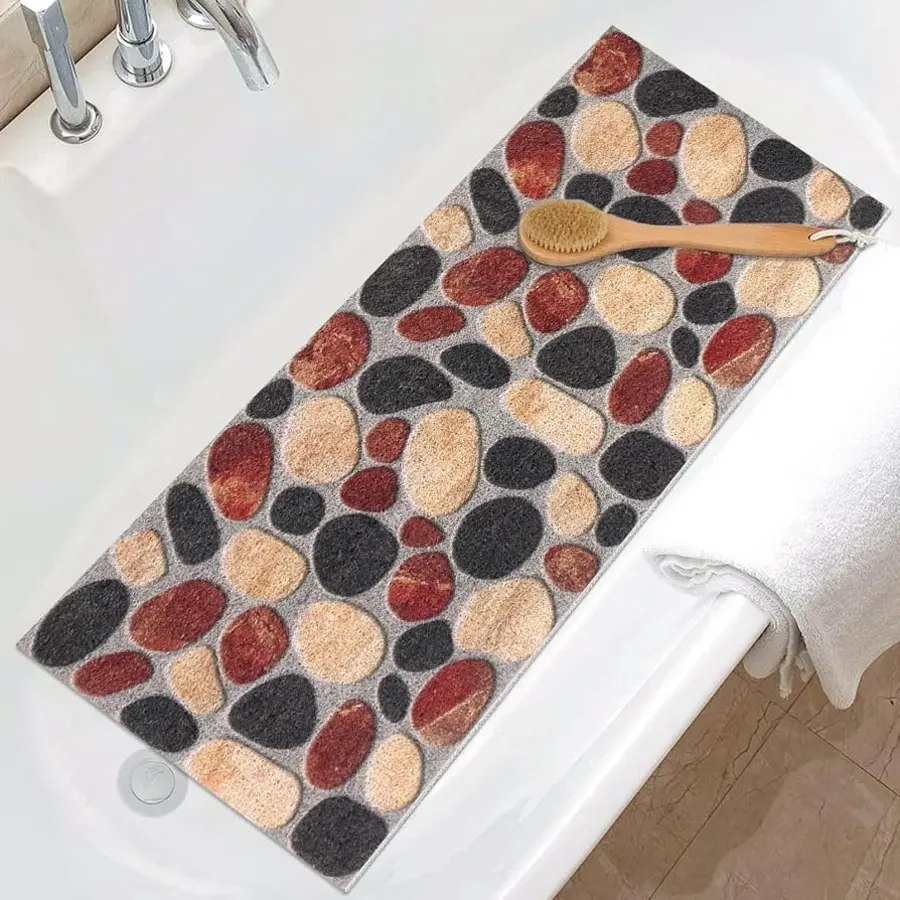
The best bath mat material for fast drying is usually a thin microfiber mat or a lightweight, low-pile cotton mat. Microfiber often dries quickest after light splashes, while cotton offers the best balance of absorbency, comfort, washability, and everyday durability. In a poorly ventilated bathroom, choose a thin mat with little or no backing and hang it up between uses whenever possible.
No material guarantees quick drying by itself. Thickness, pile height, backing, bathroom airflow, and how much water reaches the mat all matter. A plush memory-foam mat may feel comfortable but stay damp longer than a thin woven mat. Bamboo dries quickly because it does not absorb water like fabric, but it feels firm underfoot and does not catch every drop.

Source: ak1.ostkcdn
Bath mat materials compared
| Material | Drying speed | Comfort | Washability | Best suited to |
|---|---|---|---|---|
| Microfiber | Fast, especially when thin | Soft and cushioned | Usually easy; follow the care label | Humid bathrooms and frequent use |
| Cotton | Moderate to fast when lightweight | Soft and absorbent | Usually machine washable | Most households and regular washing |
| Memory foam | Slow to moderate, depending on thickness | Very cushioned | Often more demanding than cotton or microfiber | Cold floors and comfort-focused bathrooms |
| Bamboo | Very fast surface drying | Firm and less plush | Usually wipe-clean or hand-cleaned | Well-ventilated bathrooms and minimal fabric |
| Rubber-backed textile | Varies; backing can slow drying | Depends on top fabric | Care depends on the backing | Situations where extra floor grip is needed |
Cotton bath mats: the best all-around choice
Cotton remains one of the most balanced bath mat materials. It absorbs water well, feels comfortable, and is commonly available in machine-washable designs. A lightweight cotton mat with a looped or woven surface can dry reasonably quickly, particularly in a bathroom with a window, exhaust fan, or open door.
The tradeoff is that thick cotton holds more water. Dense, plush mats can remain damp after several showers, especially when they are left flat on a cold floor. If you prefer cotton but need faster drying, look for a low-pile or lightweight style rather than the thickest available option.
Cotton is a practical choice when:
- The mat will be washed regularly.
- You want absorbency as well as softness.
- Several people use the bathroom.
- You prefer a material that is easy to replace and care for.
For most everyday bathrooms, cotton is the safest starting point when “best” means the most useful balance rather than the absolute fastest drying.
Microfiber bath mats: best for quick drying
Microfiber is often the strongest choice when drying speed is the main priority. Its fine fibers can absorb surface moisture while a thin construction allows the mat to release that moisture more readily than a heavy, dense mat. Many microfiber mats are also easy to wash and light enough to hang over a shower rod or drying rack.
Microfiber can feel soft and slightly plush without the bulk of memory foam. However, not every microfiber mat dries equally quickly. A thick shaggy pile, foam layer, or water-resistant backing can hold moisture below the surface.
Choose microfiber when your bathroom is humid, the shower is used several times a day, or you do not want to wait long between washes. Check the care instructions before using high heat, since synthetic fibers and attached backing may have specific drying requirements.
Memory-foam bath mats: comfortable but not usually the fastest
Memory foam is designed for cushioning rather than maximum airflow. It can make a hard or cold floor feel more comfortable, but the foam core and thick fabric cover may take longer to dry than a thin cotton or microfiber mat.
This does not make memory foam a poor choice. It can work well in a lightly used bathroom where comfort matters more than drying speed. It is less convenient in a poorly ventilated bathroom or a household where the mat is repeatedly soaked throughout the day.
Before choosing one, check whether the cover is removable, whether the entire mat is washable, and whether the care instructions allow machine drying. A mat that cannot be cleaned easily may be frustrating even if it feels good underfoot.
Bamboo bath mats: fast surface drying with a firm feel
Bamboo bath mats are typically slatted or rigid rather than absorbent. Water can evaporate from the surface quickly, and the mat does not become saturated in the same way as a fabric mat. That makes bamboo appealing for humid bathrooms and for people who want to avoid keeping wet textiles on the floor.
The main compromise is comfort. Bamboo feels firm and does not absorb water from every part of a wet foot as thoroughly as cotton or microfiber. It also needs a stable, reasonably level floor and regular cleaning according to the manufacturer’s instructions. Wipe the surface and allow it to dry rather than treating it like a machine-washable towel.
Bamboo is most suitable when fast surface drying, a firm platform, and low textile use are more important than plush comfort.
Rubber-backed bath mats: consider the backing separately
“Rubber-backed” describes a construction detail, not a single surface material. The upper layer may be cotton, microfiber, or another textile, while the backing is intended to help the mat stay in place.
A backing can improve floor grip, but it can also reduce airflow underneath the mat and slow drying. If water becomes trapped between the backing and the floor, the mat may stay damp even when the top feels dry. Lift the mat regularly so the floor and underside can air out.
Use extra care on wood, laminate, or other moisture-sensitive flooring. Follow the flooring and mat manufacturer’s instructions, and do not assume that every rubber or latex backing is suitable for underfloor heating. For a heated bathroom floor, verify compatibility before buying.
Which material suits your bathroom?
For a poorly ventilated bathroom
Choose a thin microfiber or lightweight cotton mat. Avoid very thick memory foam and dense, heavily backed designs. Hang the mat after use if possible, and use the bathroom fan or ventilation available to reduce lingering moisture.
For a frequently used family bathroom
A washable cotton or microfiber mat is usually the most practical. Consider keeping two mats in rotation so one can dry fully while the other is being used. A quick-drying material helps, but regular washing and complete drying matter just as much for odor control.
For a rental bathroom
Look for a lightweight, washable mat that does not require permanent changes to the floor. A non-slip feature can be useful, but inspect the underside regularly and lift the mat during cleaning. Avoid relying on a backing that leaves the floor damp.
For an underfloor-heated bathroom
Favor a mat that does not unnecessarily block the heated surface, and check the heating system and mat instructions before use. Thick foam and some backings may affect how heat moves through the floor. The manufacturer’s guidance should decide compatibility.
For maximum comfort
Memory foam or thick cotton will generally feel softer than bamboo. If the room is humid, choose the thinnest comfortable version and plan to hang it up between uses.
How to make any bath mat dry faster
Material is only part of the solution. These habits improve drying with almost any mat:
- Hang the mat over a rail or drying rack instead of leaving it flat.
- Spread it fully so air can reach both the top and underside.
- Keep it outside the direct splash zone when the layout allows.
- Wash it according to the care label rather than allowing residue to build up.
- Do not place a damp mat on top of another mat or against a closed, wet floor.
- Lift rubber-backed mats regularly to check for trapped moisture.
Bottom line
If quick drying is your top priority, choose a thin microfiber bath mat with minimal backing. If you want the best overall balance of absorbency, comfort, washing convenience, and durability, choose lightweight cotton. Bamboo dries quickly at the surface but feels firm, while memory foam is better for cushioning than speed. Rubber-backed styles can be useful, but the backing must be checked for airflow, floor compatibility, and care requirements.
References
- The Most Popular Bath Mat Materials - 2026 Expert Guide | Badeloft. (n.d.). https://www.badeloft.com/blogs/guide/popular-bath-mat-materials
- The Most Popular Bath Mat Materials - 2026 Expert Guide | Badeloft. (n.d.). https://www.badeloftusa.com/buying-guides/popular-bath-mat-materials
- Bath Mat Buying Guide | The Company Store. (n.d.). https://www.thecompanystore.com/bath-mat-buying-guide.html
- What material is best for a bath mat? - TowelHub.com. (n.d.). https://towelhub.com/blog/what-material-is-best-for-a-bath-mat
- The 7 Best Bathroom Rugs and Bath Mats of 2026 | Reviews by Wirecutter. (n.d.). https://www.nytimes.com/wirecutter/reviews/best-bathroom-rugs-and-bath-mats
- What material is best for a bath mat?. (n.d.). https://www.quora.com/What-material-is-best-for-a-bath-mat
- How Do You Choose the Best Bath Mat?. (n.d.). https://beddora.ca/blogs/bedding-linens/how-to-choose-best-bath-mat
- Bath Mat Odor Resistant. (n.d.). https://www.amazon.com/bath-mat-odor-resistant/s?k=bath+mat+odor+resistant