The Best Baths for Sharing
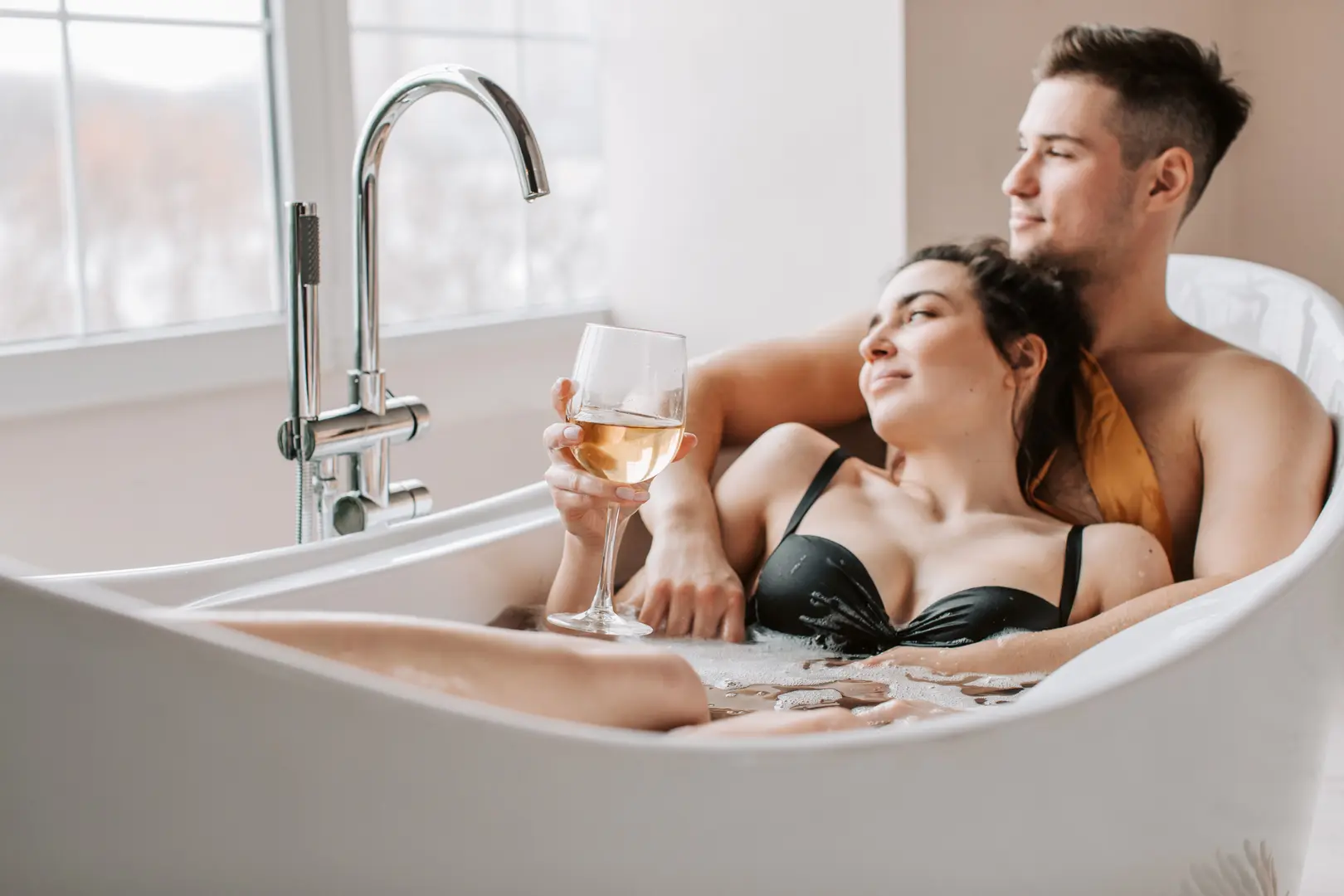
Choosing the best baths for sharing means balancing comfort, available space, style and budget. A bath for two should give both people a comfortable place to sit without taps, fittings or a restrictive shape getting in the way.
Double-ended, corner, freestanding and whirlpool baths can all work as shared bathing options. The right choice depends on your bathroom layout and whether you also want an integrated shower. This guide compares the main styles, their advantages and their limitations.
The Benefits of Bathing Together
A shared bath creates an opportunity to relax and spend uninterrupted time together. It can become a calming part of an evening routine, allowing couples to talk, reconnect or simply enjoy each other’s company away from everyday distractions.
Sharing may also reduce water and energy use when one filled bath replaces two separate baths. The actual saving will depend on how much water you use and whether the bath is filled more deeply to accommodate two people, but sharing one comfortably filled bath can be more efficient than running two.
Families can benefit too. A larger bath gives children more room to sit and play together, making the bathing routine more enjoyable. The shape should still allow an adult to reach both children easily and supervise them throughout.
Practical benefits include:
- More time together without adding another activity to the day
- A relaxing environment for conversation
- Potential water and energy savings
- Extra room for children to play
- Greater flexibility for bathing alone or with someone else
Enhancing Relationship Satisfaction in Shared Baths
A shared bath is most enjoyable when both people feel comfortable and appreciated. Before choosing a bath—or filling one—consider personal preferences such as water temperature, depth, seating position and how much space each person needs.
Boundaries matter as well. One partner may see bathing together as a chance to talk, while the other may want a quieter experience. Paying attention to these differences helps prevent an activity intended to be relaxing from becoming frustrating.
Small gestures can improve the experience. Recognise when your partner has prepared the bath, tidied the room or made time to be present. Appreciation should be genuine and consistent rather than reserved for special occasions. Listening closely, checking what the other person wants and avoiding assumptions can make shared bathing feel more thoughtful.
A bath cannot resolve wider relationship problems, but it can provide a comfortable setting for mutual attention. The key is to remain aware of your own needs while showing equal interest in your partner’s comfort.
Sharing a Double-Ended Bath Comfortably
A double-ended bath is one of the most practical options for two people. Instead of having one sloped end and one end occupied by taps, it normally allows bathers to sit facing each other.
Tap position is particularly important. Centrally positioned taps—usually fitted along the side of the bath—leave both ends free for reclining. Neither person has to sit against the fittings, and the available space is used more evenly.
By comparison, taps placed at the back or end of a bath can become uncomfortable during use. They may occupy the area where one person would naturally rest their shoulders or back. When comparing models, look beyond the overall shape and consider exactly where both people will sit.
Advantages of Double-Ended Baths
Double-ended baths are often among the more affordable choices for sharing. Their relatively simple form means they can suit a broad range of bathroom plans without requiring the budget associated with more elaborate luxury models.
Other advantages include:
- A choice of lengths: Different options make it easier to find a bath that suits the room and its users.
- Comfort at both ends: A symmetrical design gives each person a defined reclining position.
- Flexible styling: The straightforward shape can work with contemporary or traditional bathroom décor.
- Shower potential: Some double-ended models can also be configured as shower baths, providing two functions in one area.
A double-ended design is therefore a strong all-round option for households that want comfort and practicality without making the bath the most expensive feature in the room.
Drawbacks of Double-Ended Baths
The main limitation is appearance. Although clean and versatile, many standard double-ended baths have a relatively basic design. They may not provide the immediate visual impact of a sculptural freestanding bath or the indulgent feel of a whirlpool model.
Plumbing changes may also be necessary, especially when replacing a bath that has taps and waste connections at one end. Moving the taps to a central position could require alterations to the existing layout.
Before buying, check where the taps, waste and shower fittings will need to go. This makes it easier to understand whether installation will be straightforward or involve additional work.
Sharing a Space-Saving Corner Bath
A corner bath can make an awkward or restricted bathroom area more useful. Rather than following the long, straight shape of a standard bath, it occupies a corner and can help create a more open-feeling layout.
Corner baths are also a stylish choice. Their distinctive shape can become a focal point without requiring the open floor area needed for a centrally positioned freestanding model. For couples, the wider form of some designs can offer a sociable seating arrangement, although internal space varies.
Advantages of Corner Baths
The strongest advantage is their ability to fit spaces where a conventional rectangular bath may be difficult to accommodate. This can be useful in bathrooms with an unusual layout or where preserving circulation space is a priority.
Many corner baths also have curved outlines and a modern appearance. These softer shapes can break up a room dominated by straight lines while giving the bathing area a more distinctive identity.
Key benefits include:
- Effective use of difficult corners
- A space-conscious alternative to some full-length baths
- Curved and contemporary design choices
- A wider-looking bathing area
- Strong visual impact without central room placement
When assessing a corner bath, focus on the internal bathing area rather than the outside dimensions alone.
Limitations of Corner Baths
Although corner baths can use the room efficiently, their internal shape may limit how far bathers can stretch out. A broad-looking design does not always provide the same legroom as a longer, straight bath.
This can be a particular drawback for taller users. Sharing further reduces the available stretching space, so both people should consider their preferred sitting positions before making a decision.
A corner bath is best chosen for its fit within the room as well as its usable interior. If lying back with extended legs is a priority, a double-ended or larger freestanding model may be more suitable.
Sharing a Freestanding Bath
A freestanding bath brings a luxurious, furniture-like quality to a bathroom. Because it is designed to be seen from multiple sides, it can serve as the room’s main visual feature rather than simply fitting against a wall.
These baths are available in several materials and a wide variety of shapes. Depending on the bathroom layout, a freestanding bath may sit near a wall, beside a window or in the centre of the room. Central positioning can be especially dramatic, provided there is enough surrounding space.
Advantages of Freestanding Baths
Many freestanding models provide generous proportions suitable for two bathers. They can combine practical sharing space with a more indulgent appearance.
Their main advantages are:
- Generous sizes: Larger options can provide comfortable room for two.
- Varied designs: The category includes sleek contemporary forms and more decorative traditional styles.
- Material choice: Different materials provide a wider range of finishes and visual effects.
- Flexible positioning: The bath may be placed away from the wall when the room and plumbing allow.
- Visual impact: Central placement can turn the bath into the defining feature of the bathroom.
For homeowners designing a larger bathroom around a statement bath, freestanding models are among the most striking options.
Disadvantages of Freestanding Baths
Freestanding baths tend to be more expensive than standard fitted models. The bath itself may require a larger budget, particularly when choosing a distinctive design or finish.
They are also less suitable for small bathrooms. A freestanding model needs enough space to look intentional and remain practical. Squeezing one into a restricted area may undermine both its appearance and ease of use.
Consider the whole room rather than only whether the bath will physically fit. If central placement leaves little usable floor area, a fitted double-ended or corner bath may be the better solution.
Sharing a Whirlpool Bath
A whirlpool bath creates a spa-like experience at home by circulating water through multiple jets. For couples who want bathing to feel especially relaxing and luxurious, this can be an appealing upgrade from a standard bath.
Models are available in different configurations and sizes, so it is possible to look for a version designed with two bathers in mind. Pay attention to the position of the jets and seating areas, as both people should be able to use the bath comfortably.
Advantages of Whirlpool Baths
The main benefit is the enhanced bathing experience. Multiple jets add an active water feature that can make a shared bath feel more like a home spa session.
Whirlpool baths also offer configurable size choices. This allows buyers to compare models according to their bathroom layout and the amount of sharing space required.
For couples prioritising indulgence, a whirlpool bath can provide:
- A more luxurious shared experience
- Multiple water jets
- A choice of sizes and configurations
- A distinctive upgrade from a standard bath
It can be particularly appealing when the bath is intended as a regular place to unwind rather than simply a practical washing area.
Disadvantages of Whirlpool Baths
Whirlpool baths sit in a higher price range than many standard models. Buyers should account for this when comparing them with double-ended or corner alternatives.
They also require more maintenance. The jet system needs ongoing care, making ownership more involved than looking after a straightforward bath with no powered water features.
The additional cost and upkeep may be worthwhile for people who will use the whirlpool function regularly. If the jets are likely to be used only occasionally, a spacious conventional bath may offer better everyday value.
Choosing Between Modern and Traditional Baths
The best style depends on both personal taste and the rest of the bathroom. A contemporary bath usually works well in a clean, uncluttered setting, while a traditional design can complement a more decorative or classic interior.
Consider the following when comparing styles:
| Preference | Bath direction to consider |
|---|---|
| Simple, understated appearance | Standard double-ended bath |
| Curved, space-conscious design | Modern corner bath |
| Strong visual focal point | Contemporary freestanding bath |
| Classic character | Traditional freestanding design |
| At-home spa atmosphere | Whirlpool bath |
Style should not come at the expense of comfort. A beautiful bath will be disappointing if it is too short, places taps behind one bather or restricts movement. Start by identifying shapes that work for two people, then choose the design that best reflects the room.
What Is the Price of a Bath for Two?
The price of a sharing bath depends largely on its style, size and design. Standard fitted baths are generally the less expensive option, while freestanding and whirlpool baths usually require a higher budget.
Installation requirements can also influence the overall project cost. For example, changing from end-mounted to centrally positioned taps may require plumbing alterations. A new position for a freestanding bath could also affect how the room is planned.
When budgeting, compare:
- The purchase price of the bath
- Tap and waste positioning
- Any required plumbing changes
- Shower fittings, screens or related additions
- The level of ongoing maintenance
A standard double-ended model is often the most accessible starting point. More elaborate choices can offer greater visual impact or luxury, but they should suit both the room and the way the bath will be used.
Shower Options for Couples to Share
Couples who prefer showers are not limited to a conventional single enclosure. Larger showering areas, steam cabins and wet rooms can all create space for two people.
A steam cabin offers a more enclosed, spa-inspired experience, while a wet room provides an open and flexible showering area. The best choice depends on the bathroom layout, preferred style and available space.
Sharing a shower may save time, and it can reduce water use when it replaces two separate showers. However, the result depends on how long the shared shower lasts and how the water is used. Practical placement of shower controls and outlets will also help both people shower comfortably.
Combining a Shared Bath with a Shower
A combined bath and shower offers the flexibility to choose between a long soak and a quicker everyday shower. It is particularly useful when the bathroom does not have enough space for separate bathing and showering areas.
A double-ended bath can provide room for sharing while also supporting shower functionality, provided the chosen model and fittings are suitable. The arrangement should preserve comfortable seating at both ends and avoid placing controls where they interfere with reclining.
This dual-purpose approach can meet several household needs: couples can share the bath, children have room to play, and individual users still have access to a convenient shower. For many homes, it provides the most practical balance between comfort, choice and efficient use of space.
Ultimately, the best baths for sharing are those that fit both the people and the room. Prioritise usable internal space, comfortable tap placement and a shape that suits how you like to bathe. Once those essentials are settled, style and luxury features can help turn a practical shared bath into a relaxing bathroom centrepiece.