Best Paint for a High-Humidity Bathroom: What to Choose
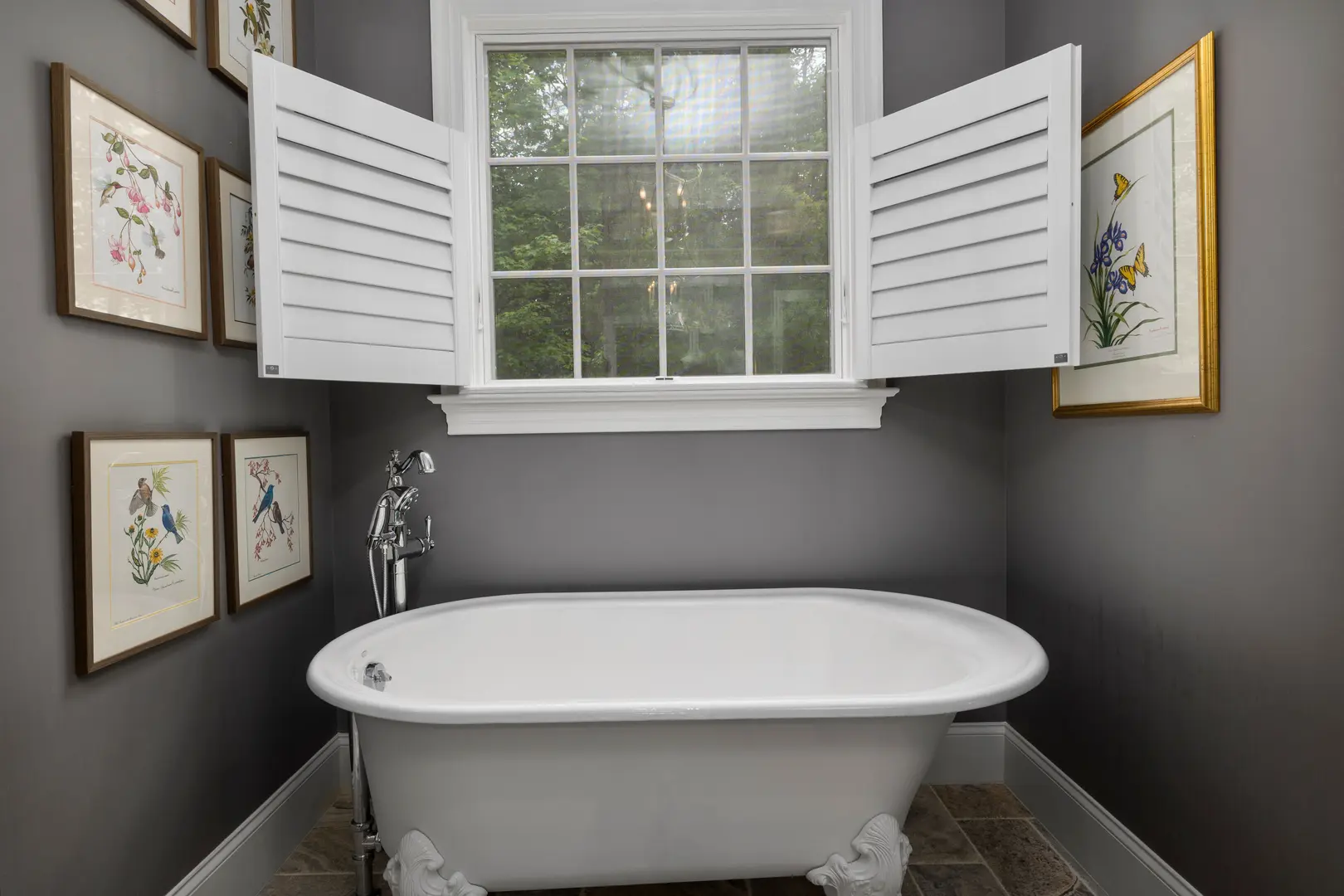
Choosing the best paint for a high humidity bathroom means looking beyond colour. Daily condensation, steam, and damp surfaces can cause ordinary paint to peel, flake, stain, or develop mould. A suitable bathroom coating should resist moisture, tolerate regular cleaning, and maintain good adhesion in humid conditions.
Paint alone is not the complete solution, however. Long-term performance also depends on ventilation, careful surface preparation, an appropriate primer, and fixing any existing moisture problems before work begins.
How Is Bathroom Paint Different from Standard Wall Paint?
Bathroom paint is formulated for rooms exposed to frequent humidity and condensation. Many products contain mould- and mildew-resistant ingredients that delay the growth of fungi on the painted surface. Standard interior wall paint may not offer this protection, making it less dependable in a regularly damp room.
The finish also makes a difference. Flat and ordinary matte paints tend to be more porous than satin, semi-gloss, or gloss finishes. Moisture can remain on a porous surface, while a smoother, less absorbent coating repels water more effectively. This helps protect the wall and makes condensation easier to wipe away.
Satin and glossier finishes also withstand cleaning better. Bathroom walls can collect water marks, soap residue, and everyday stains, so a washable surface is useful around sinks, baths, and showers.
That does not mean every matte coating will fail. Some specialist bathroom paints are designed to provide a low-sheen appearance while still handling humid conditions. The important point is to check that the paint is specifically approved for bathrooms rather than assuming any standard flat or matte wall paint will work. Using basic flat ceiling paint in a humid bathroom, for example, may leave the surface more vulnerable to mould and moisture damage.
Which Paint Types Are Suitable for High-Humidity Bathrooms?
Water-based acrylic and latex paints are generally the preferred choices for humid bathrooms. They are widely available in washable, moisture-resistant formulations and can include antimicrobial ingredients that help control mildew on the paint film.
The main options can be compared as follows:
| Paint type | Suitability for humid bathrooms | What to check |
|---|---|---|
| Acrylic paint | Well suited when formulated for bathrooms | Mould resistance, washability, and the recommended finish |
| Latex paint | A practical water-based option for walls and ceilings | Bathroom approval and compatibility with the existing surface |
| Oil-based paint | Less commonly favoured for general bathroom walls | Surface compatibility, application requirements, and manufacturer guidance |
| Specialist bathroom paint | Usually the most straightforward choice | Whether it is mould resistant and suitable for the intended wall or ceiling |
Oil-based coatings can form a hard finish, but they are less favoured than modern acrylic and latex bathroom paints for broad wall applications. A purpose-made water-based product is often the simpler option when moisture resistance and easy maintenance are priorities.
Do not rely only on labels such as “washable” or “durable.” Look for a paint that specifically mentions bathrooms, high humidity, mould resistance, or mildew resistance. Antimicrobial ingredients can reduce growth on the coating, although they cannot correct persistent condensation or poor ventilation.
Primer is equally important. Even high-quality paint may perform poorly when applied to a stained, uneven, glossy, or inadequately prepared surface. Use a primer that is compatible with both the wall and the selected topcoat. In a bathroom with a history of mould, a mould-resistant primer may provide additional protection.
What Should You Check Before Painting a Humid Bathroom?
Before buying paint, assess the room and the condition of its surfaces. Three factors have a major influence on the result:
- Ventilation: Check whether the bathroom has an effective extractor fan, an opening window, or another reliable way to release damp air.
- Surface condition: Look for mould, flaking paint, damaged areas, stains, and surfaces that may prevent proper adhesion.
- Paint specification: Choose a moisture-resistant bathroom coating, normally in satin or semi-gloss, unless using a specialist low-sheen bathroom formula.
If condensation regularly remains on the walls, paint will be placed under greater stress. Improving ventilation should therefore be part of the project rather than an issue left until after decorating.
The surface must also be sound. New paint cannot secure loose layers underneath it. Peeling or flaking coatings should be removed, and glossy areas may need sanding to help the next coat adhere. Clean away dirt and bathroom residue before applying primer or paint.
Finally, check that all parts of the system are compatible. The cleaning process, primer, and topcoat should be suitable for the wall material and existing coating. Follow the paint manufacturer’s instructions for application and drying between coats.
Best Practices for Preparing Bathroom Walls Before Painting
Good preparation is one of the most effective ways to improve adhesion and extend the life of bathroom paint. Rushing directly to the topcoat may trap contamination or leave weak paint underneath.
A practical preparation sequence is:
Identify the source of excess moisture. Check ventilation and look for ongoing dampness or persistent condensation. Painting should not be used to hide an unresolved moisture problem.
Remove existing mould. Clean affected areas with a suitable mould-cleaning product, following its instructions. The surface should be free from visible growth before any primer or paint is applied.
Wash the walls. Remove dust, soap residue, grime, and other deposits that could interfere with adhesion. Pay particular attention to areas around the shower, bath, and sink.
Remove loose paint. Scrape away peeling, blistered, or flaking sections. New paint needs a firm base and cannot make a failing layer stable.
Sand where necessary. Smooth rough edges and lightly prepare glossy surfaces so the primer or topcoat can bond more effectively. Remove sanding dust afterwards.
Allow the surface to dry. Do not seal residual moisture beneath primer or paint. Follow the product guidance and ensure the prepared wall is ready for coating.
Prime the wall. Apply a compatible primer, using a mould-resistant option where appropriate. Make sure repaired, bare, or previously affected areas are treated as recommended.
Apply bathroom paint. Use a humidity-resistant finish and follow the stated instructions for coverage, drying, and recoating.
Preparation may take longer than painting, but it directly affects durability. A premium topcoat applied over mould, dirt, or unstable old paint is unlikely to deliver its intended performance.
Is Ordinary Wall Paint Suitable for a Bathroom?
Ordinary wall paint is generally not the best choice for a humid bathroom. Standard formulas are intended for typical interior conditions and may not resist repeated exposure to steam and condensation. Over time, moisture can contribute to peeling, flaking, staining, and mildew.
A regular flat paint is particularly vulnerable because its more porous surface can retain moisture and may be harder to wipe clean. This is why using ordinary ceiling paint in a damp bathroom can lead to disappointing results, even if it performs well in bedrooms or living spaces.
Purpose-made bathroom paint provides a more dependable solution. It combines moisture resistance with improved washability and often includes protection against mould and mildew. If a specialist bathroom product is unavailable, select a high-quality interior paint whose manufacturer explicitly approves it for humid bathrooms.
Which Finish Performs Best in a Humid Bathroom?
Satin and semi-gloss are the most practical finishes for most high-humidity bathrooms. Both create a smoother, less porous surface than conventional flat paint, helping the coating resist condensation and stains.
Satin offers a softer sheen and is often preferred when you do not want highly reflective walls. It provides a useful balance between appearance, moisture resistance, and cleanability.
Semi-gloss has a more noticeable sheen. Its smooth finish is durable and easy to wipe down, making it especially useful in areas that need frequent cleaning. It can also make existing surface imperfections more visible, so thorough preparation matters.
Gloss can resist water effectively, but its stronger shine is not always desirable across large walls. Matte finishes are normally less suitable unless they are specialist bathroom products specifically formulated for humid conditions. The formulation matters as much as the sheen: a bathroom-rated low-sheen paint may outperform an ordinary matte coating that offers no moisture or mould resistance.
Should You Apply Primer Before Painting Bathroom Walls?
Primer is strongly recommended when the wall is bare, repaired, stained, unevenly porous, or covered with a finish that may be difficult to paint over. It creates a more consistent base and helps the topcoat adhere properly.
A mould-resistant primer can be useful in bathrooms with a history of mildew or recurring condensation. It adds another level of protection beneath the finish coat, but it should only be applied after existing mould has been cleaned away.
Primer does not replace preparation. Applying it over grime, loose paint, or active mould will not create a durable surface. It must also be compatible with the wall, the existing coating, and the new bathroom paint. Follow the topcoat manufacturer’s recommendations when selecting a primer.
Will Mould-Resistant Paint Prevent Mould Completely?
No paint can guarantee that a bathroom will remain mould-free. Mould-resistant paint can delay growth on the painted surface and is a sensible choice for humid rooms, but it cannot remove moisture from the air.
Ventilation remains essential. Run an extractor fan or open a window so humid air can escape, particularly after bathing or showering. If condensation is allowed to remain on walls and ceilings, mould may eventually appear even when resistant products have been used.
For the best result, combine:
- Mould-resistant primer where appropriate
- Humidity-resistant bathroom paint
- An effective extractor fan or opening window
- Regular removal of condensation
- Cleaning when early signs of mould or staining appear
Paint should be viewed as one part of moisture control, not a substitute for it.
How Many Years Should Quality Bathroom Paint Last?
Quality bathroom paint may last approximately 5 to 10 years, although the actual lifespan depends on the room and the quality of the work.
Preparation is a major factor. Paint applied to a clean, dry, stable, and properly primed wall is more likely to remain intact than paint placed over contamination or loose existing coatings. Ventilation also affects durability because persistent condensation places continuous pressure on the finish.
Other influences include how frequently the bathroom is used, how often the walls are cleaned, and whether moisture problems develop. Peeling or mould appearing much earlier may point to inadequate preparation, unsuitable paint, or ventilation that is not controlling humidity effectively.
Can You Apply New Paint Over Existing Mould?
Existing mould should always be cleaned before painting. Covering it with a new coating does not address the underlying growth or the moisture conditions that caused it.
Painting directly over mould can trap moisture and may result in staining, poor adhesion, or renewed growth through the finish. The correct approach is to clean the affected surface with a suitable mould treatment, remove any loose paint, allow the area to dry, and prepare it for primer.
A mould-resistant primer may then be appropriate before applying the bathroom topcoat. At the same time, check the room’s ventilation. Unless the source of persistent humidity is addressed, the mould may return despite the new paint.
How Does Kitchen Paint Compare with Bathroom Paint?
Some paints are marketed for both kitchens and bathrooms because both spaces benefit from durable, washable finishes. A suitable combined product can work well, provided it is approved for humid environments.
The main distinction is that bathroom paint should cope with frequent steam, condensation, and a greater risk of mould. When considering kitchen paint for a bathroom, check for:
- Explicit suitability for bathrooms or high-humidity rooms
- Mould- or mildew-resistant properties
- A washable, moisture-resistant finish
- Compatibility with the intended primer and surface
A durable kitchen coating is not automatically the best paint for a high humidity bathroom. If its label focuses only on stain resistance or cleaning, it may not provide the mould resistance needed in a damp space. Choose according to the product’s stated performance rather than its name alone.