Best Way to Clean Fiberglass Shower: Restore Its Shine
Fiberglass showers are a popular choice for many bathrooms because they are lightweight, durable, and budget-friendly. However, over time, even the best-maintained fiberglass shower can start to look dull, cloudy, or stained. Between soap scum, hard water deposits, and daily grime, the surface can lose its original luster. The good news is that you don’t need expensive commercial products or harsh chemicals to bring the shine back. Understanding the material and using the right techniques is the best way to clean a fiberglass shower and restore its brilliant, like-new appearance.
Understanding Fiberglass: What Makes Up Your Shower
To clean fiberglass effectively, you first need to understand what you are working with. Fiberglass is a composite material constructed from extremely fine glass fibers embedded within a resin matrix. This combination creates a material that is lightweight yet remarkably strong, and it is completely waterproof, which makes it ideal for use in wet environments like showers and bathtubs.
One of the primary reasons fiberglass is so common in bathroom fixtures is that it is relatively easy to maintain. Unlike natural stone or ceramic tile, which require regular sealing and careful cleaning to avoid grout damage, fiberglass has a smooth, non-porous surface that does not require the same level of upkeep. However, “easier to maintain” does not mean “maintenance-free.” The same smooth surface that makes it convenient also makes it prone to water spots and soap residue.
When you take a shower, the minerals in your water, combined with the oils and fats in soap, create a film known as soap scum. Over time, this film adheres to the fiberglass surface, dulling its shine and creating a dingy appearance. Hard water can also leave behind mineral deposits that bond to the surface, making them even more difficult to remove than ordinary soap scum. Understanding these vulnerabilities is the first step toward choosing the right cleaning method, since the best way to clean a fiberglass shower is to target these specific problems without causing any damage to the underlying material.
Cleaning Solutions That Work on Fiberglass
When it comes to cleaning fiberglass, the most important rule is to stick to nonabrasive, gentle cleaning agents. The resin matrix that gives fiberglass its strength can be scratched or dulled by harsh chemicals and rough scrubbing pads. Fortunately, a variety of effective cleaning solutions can easily tackle soap scum, hard water stains, and everyday grime without harming the surface.
A highly effective and popular homemade solution is a paste made from vinegar, baking soda, and water. The mild acidity of the vinegar helps to dissolve mineral deposits and break down soap scum, while the baking soda acts as a gentle abrasive to manually lift away grime without scratching the fiberglass. For those who prefer not to mix a paste, hydrogen peroxide and rubbing alcohol serve as excellent nonabrasive alternatives. These liquids are tough on bacteria and grime but gentle on the glossy surface of the shower.
If you are dealing with particularly stubborn stains or unpleasant odors, citrus mixed with baking soda can be a game-changer. The natural acids in citrus fruits help break down tough stains, while the baking soda provides scouring power and leaves behind a fresh, clean scent. For the most challenging situations involving rust stains or heavy hard-water marks, a small amount of bleach or hydrogen peroxide can be applied directly to the affected area. These powerful agents can break down the discoloration and mineral bonds, restoring the white or colored finish of the shower. However, it is crucial to remember what you should not use: abrasive cleaners and steel wool. These materials are far too harsh for fiberglass and will leave permanent micro-scratches that trap dirt and make the surface appear even duller.
Removing Well-Water Mineral Buildup from Fiberglass
While standard soap scum is easy enough to handle, mineral buildup from well water presents a unique and frustrating challenge. Many homeowners with well water notice a stubborn, chalky white or rust-colored film accumulating on their fiberglass shower walls. This is not ordinary soap scum; it is a buildup of calcium, magnesium, and sometimes iron that is present in the groundwater. A user struggling with this exact issue asked for a practical method to remove this well-water mineral buildup from a fiberglass shower, noting that standard cleaning sprays were not doing the trick.
This type of deposit requires a targeted approach. Because these minerals are alkaline in nature, they respond well to acidic cleaning agents. White vinegar is a particularly effective tool for this job. By soaking a cloth or paper towel in vinegar and applying it to the mineral deposits, or by spraying the surface thoroughly and allowing the vinegar to sit for a few minutes, you can begin to dissolve the bonds holding the minerals to the fiberglass. For thicker, more stubborn deposits, a paste made from vinegar and baking soda can be applied directly to the affected spots and worked in gently with a soft cloth or sponge.
If the well water contains high levels of iron, you may notice reddish-brown rust stains. In this case, the best way to clean a fiberglass shower with well-water buildup is to use a cleaner specifically designed to target rust, or to carefully apply hydrogen peroxide or bleach directly to the stain. Let the solution sit for a short time to break down the iron particles, then rinse thoroughly. This method directly addresses the unique chemical makeup of well-water residue, offering a practical solution for a problem that many general cleaning guides overlook.
DIY Cleaners: Vinegar Paste and Spray
For homeowners looking to avoid harsh commercial chemicals, do-it-yourself cleaners offer a safe, effective, and affordable way to clean fiberglass. One of the most trusted homemade recipes comes directly from users who have tested it in their own homes. A user recommends making a thick paste from white vinegar and baking soda and applying it directly to the fiberglass shower surface. This paste works brilliantly because it combines chemical and mechanical cleaning action: the vinegar breaks down the grime, while the baking soda lifts it away from the surface without scratching. Simply spread the paste over the affected areas and scrub gently with a soft sponge or cloth for a truly refreshed finish.
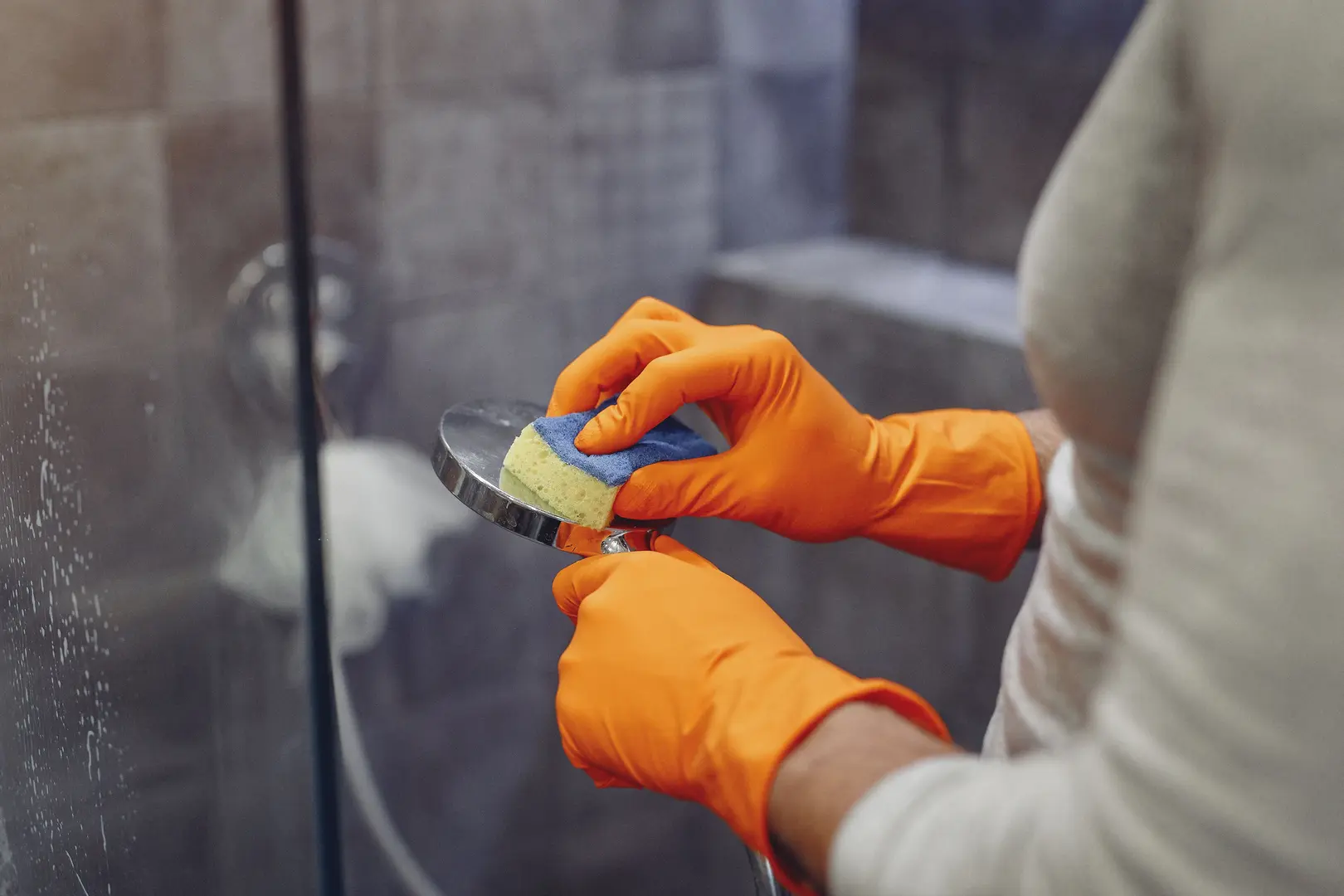
For a quicker, everyday alternative, the same user suggests spraying straight white vinegar directly onto the fiberglass area. Once the surface is thoroughly coated, dip a cleaning tool—such as a sponge or soft-bristled brush—into the vinegar and work the area in circular motions. This spray-and-scrub technique is perfect for tackling mild soap scum and water spots before they have a chance to harden. It is one of the simplest and best ways to clean a fiberglass shower between deeper cleanings.
These DIY methods are not only effective but also provide a sense of control over the chemicals you are introducing into your home environment. With just a few basic pantry staples, you can maintain a sparkling clean shower without the expense or harsh fumes of many commercial products. And for an extra boost of cleaning power, you can swap the vinegar for lemon juice or a citrus-based cleaner mixed with baking soda, which will lift stains just as effectively while leaving your bathroom smelling pleasantly bright.
Heavy-Duty Combo for a Very Dirty Shower
Sometimes, a fiberglass shower reaches a level of grime that simple sprays and pastes cannot conquer. A user reached out for help dealing with a heavily soiled, “nasty” shower stall that had been neglected for a long period. In this scenario, basic wiping and gentle cleaners were not going to cut it. The solution, as shared by another experienced user, involves a combination of commercial cleaning power and physical elbow grease.
The recommended approach is to start with a commercial cleanser, such as Soft Scrub, which is specifically formulated to break down thick soap scum, hard water stains, and general bathroom grime. Apply the cleanser liberally to the fiberglass surfaces, focusing on the areas with the heaviest buildup. Next, take a stiff-bristle brush and get to work. This brush provides the mechanical agitation needed to lift the deep-seated grime from the surface and suspend it in the cleanser so it can be rinsed away. The user describes this combination as the “best friend” for tackling such a tough situation.
To take the cleaning effort even further, the same user suggests introducing a melamine sponge—commonly known as a magic eraser—into the rotation. Using the melamine sponge alongside the commercial cleanser and stiff brush creates a potent “one-two punch.” The melamine sponge acts as a very fine abrasive, working into the microscopic pores of the fiberglass to remove the residue that standard scrubbing leaves behind. This heavy-duty combo is the best way to clean a fiberglass shower when it has been severely neglected. It requires a bit more time and effort, but the results are dramatic, revealing the clean, bright fiberglass underneath the layers of buildup.
How Often to Deep Clean a Fiberglass Shower
Knowing the right cleaning methods is only half the battle; understanding how often to apply them is crucial for maintaining a pristine shower. As a general rule of thumb, a deep clean of your fiberglass shower should be scheduled at least every six months. This biannual deep clean is sufficient for most households to remove the accumulated soap scum, body oils, and mineral deposits that regular wiping and spot-cleaning miss.
However, this six-month timeline is not a one-size-fits-all solution. If your home has hard water or a well-water supply, you may find that mineral buildup accumulates much more quickly. In these environments, the shower may require a deep cleaning every month or two to prevent the deposits from becoming permanently etched into the fiberglass finish. Pay attention to the condition of your shower; if you notice a film developing on the walls or a loss of shine shortly after cleaning, it is a sign that you need to increase the frequency of your deep cleaning sessions.
The most effective way to reduce the frequency of deep cleanings is to implement a quick maintenance routine. Taking a moment to wipe down the shower walls and floor with a squeegee or microfiber cloth after each use significantly reduces the amount of soap scum and hard water residue that has the chance to dry and harden. This simple daily habit, combined with a scheduled deep clean every six months, is the best way to clean a fiberglass shower and keep it looking its absolute best year-round. By managing the buildup on a daily and semi-annual basis, you protect the surface and minimize the need for intensive scrubbing sessions.
Restoring Shine and Maintaining a Like-New Bathroom
With consistent care and the right techniques, the best way to clean a fiberglass shower is also the best way to restore its original shine. Regular maintenance and periodic deep cleaning work together to remove the dulling film caused by soap and minerals, revealing the glossy surface underneath. When you take the time to use the appropriate nonabrasive cleaners and give the shower a thorough scrub at least every six months, you will notice a significant improvement in the brightness and clarity of the fiberglass.
There will occasionally be instances where a fiberglass shower is so old or has been so badly damaged by years of abrasive cleaning that home remedies cannot fully restore its luster. In these cases, cleaning may not be enough to bring back the original radiance. If you find your shower is still cloudy or dull after a proper deep clean, professional refinishing is a viable option. Refinishing specialists have the tools and expertise to restore a worn fiberglass surface to a like-new condition, effectively resolving the problem without the need for a costly full replacement.
Ultimately, the key to a beautiful bathroom lies in prevention. Preventive care is the most effective way to keep your fiberglass shower looking new and to avoid the need for major restoration work down the line. By wiping down the surfaces after each use, addressing hard water buildup early, and sticking to a regular schedule of gentle cleaning, you ensure that your shower remains a bright, inviting, and hygienic part of your home. Finding the best way to clean a fiberglass shower is not just about fixing a problem; it is about adopting a maintenance mindset that preserves the beauty and functionality of your bathroom for years to come.