Can You Use Shower Gel as Hand Soap?
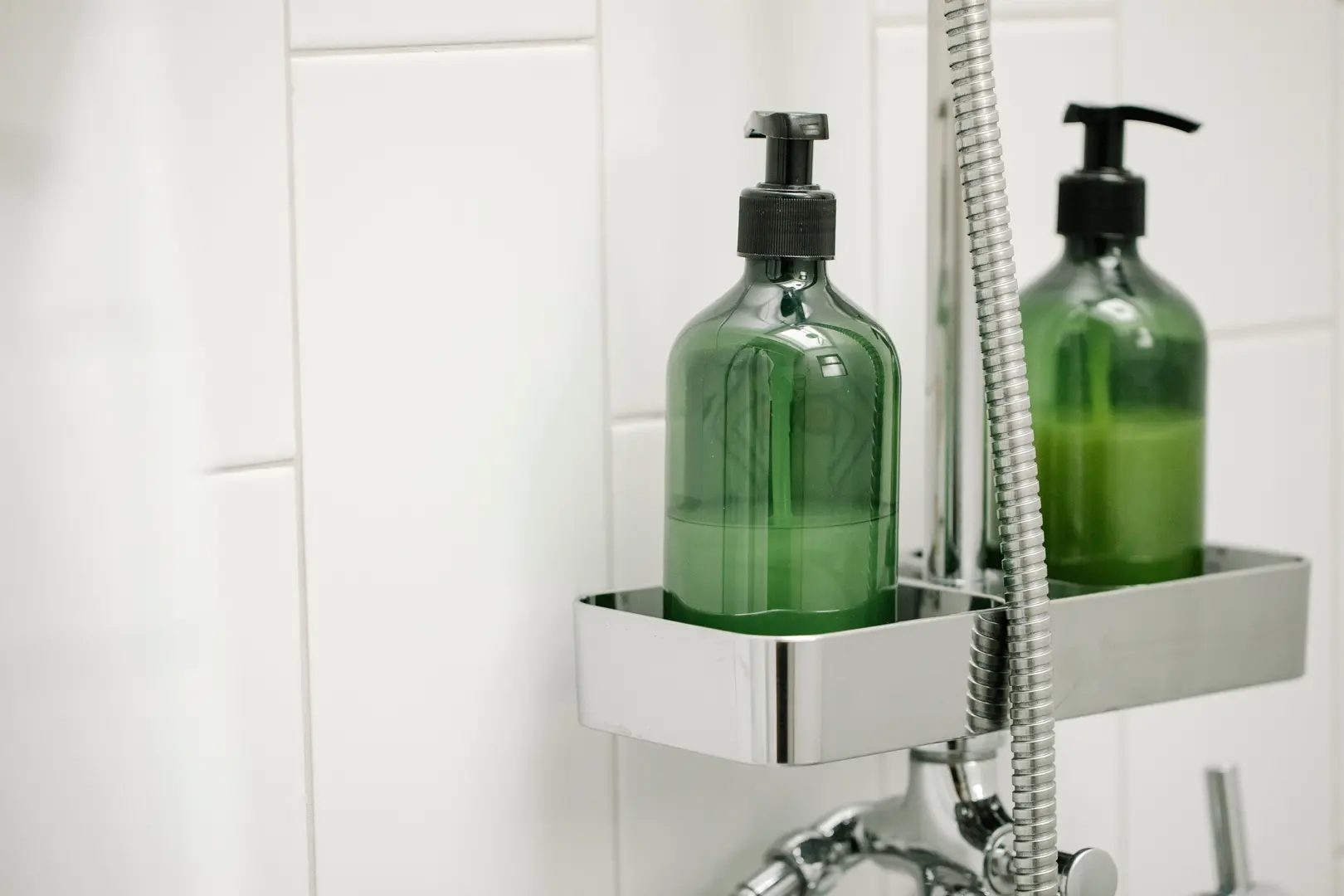
If you are wondering, “Can I use shower gel as hand soap?”, the short answer is yes. Shower gel can lift everyday dirt and microbes from your hands when used with water. However, its moisturizing ingredients, fragrance, texture, cost, and antibacterial labeling may differ from those of a dedicated hand soap.
Can Shower Gel Clean Your Hands Effectively?
Shower gel can clean your hands effectively because it contains cleansing and foaming ingredients designed to remove oils and soil from skin. When used with water, these ingredients help loosen unwanted material so it can be rinsed away.
For occasional hand washing, such as when the hand soap dispenser is empty, shower gel is a practical substitute. Many people also find it convenient to refill a hand-wash dispenser from a large bottle of shower gel.
Using it regularly requires a little more thought. Consider:
- Your skin’s response: A moisturizing shower gel may feel comfortable, but any cleanser can contribute to dryness when used frequently.
- The product’s fragrance: Shower gels often come in stronger or more varied scents, which may not suit sensitive skin or fragrance preferences.
- Its intended function: Some hand soaps are marketed with antibacterial ingredients, while shower gels generally focus on cleansing the body and supporting skin comfort.
- Texture and dispensing: A thin shower gel may dispense too much product from a pump designed for thicker hand soap.
- Cost: Shower gel can cost more than basic soap, especially compared with a bar.
A shower gel does not have to be labeled “antibacterial” to provide basic cleansing. Plain cleansing products and water can remove everyday soil and microbes. Nevertheless, if you want a product with specific antibacterial properties, read the label rather than assuming that a shower gel and an antibacterial hand wash have the same formula.
How Do Shower Gel and Hand Soap Differ?
Shower gel and hand soap serve similar broad purposes: both clean the skin. Their formulas and intended uses, however, are not always identical.
| Feature | Hand soap | Shower gel |
|---|---|---|
| Primary use | Repeated hand cleansing | Washing larger areas of the body |
| Common forms | Liquid, foam, or bar | Usually liquid or gel |
| Formula emphasis | Effective removal of hand soil; may include antibacterial ingredients | Cleansing with an emphasis on moisture and skin feel |
| Typical additions | Vary by formula | Often fragrances and moisturizers |
| Cost | Bar soap is often the least expensive option | Generally costs more than basic bar soap |
| Skin considerations | Some formulas may feel drying or irritating | Often designed with the body’s skin barrier in mind |
These are general distinctions rather than fixed rules. A mild hand wash may be more moisturizing than a strongly scented shower gel, for example. The label and ingredient list provide better guidance than the product category alone.
Their Intended Uses
Hand soap is designed for hands, which may be washed many times throughout the day. Its main purpose is to lift soil and microbes from the skin. Some hand soaps also contain ingredients specifically marketed for antibacterial cleansing.
Shower gel is made for use across the body. Because it may be spread over a larger skin area, its formula often places more emphasis on moisturization and a pleasant after-wash feel. It may include ingredients intended to reduce the tight or dry sensation that can follow bathing.
That does not mean shower gel cannot clean hands. Its cleansing ingredients still work on skin. The difference is in what the overall formula prioritizes. A hand soap may focus more directly on repeated hand cleansing, while a shower gel may balance cleansing with fragrance, foam, and moisture.
If antibacterial properties are important to you, do not rely on the product name or the amount of lather. Check whether the shower gel actually makes that claim and follow its label directions.
Common Product Forms
Hand soap is available in several familiar forms:
- Liquid soap, commonly used in pump dispensers
- Foaming soap, dispensed as ready-made foam
- Bar soap, a solid and often economical option
Shower gel usually comes as a liquid or gel. It commonly contains foaming agents that create lather as the product is rubbed over wet skin.
Its liquid format makes shower gel easy to use at a sink, but not every dispenser will handle it in the same way. A standard liquid-soap pump may work well, while a foaming dispenser may not because foaming dispensers are designed for products with a suitable consistency. A very thick gel may also pump less easily.
If using shower gel as hand soap, placing a small amount directly onto wet hands is the simplest approach. There is no need to use enough for a full-body wash.
Key Ingredient Differences
Traditional soap is made from alkali salts of fatty acids. These ingredients provide the cleansing action associated with many bars and some hand soaps.
Not every liquid product sold for hand or body washing has the same type of soap base. Shower washes commonly combine cleansing and foaming agents with ingredients chosen for the bathing experience. These may include:
- Moisturizers
- Fragrances
- Ingredients that affect texture
- Foaming agents
The fragrance and moisturizing components can make shower gel pleasant to use, but they also affect suitability. Someone who enjoys a scented body wash may like using it at the sink. Someone who dislikes lingering fragrance—or whose skin reacts poorly to fragranced products—may prefer a simpler hand cleanser.
Ingredient lists vary substantially. It is therefore more useful to assess a specific formula than to assume all shower gels are gentle or all hand soaps are harsh.
How Each Product Affects Skin
Some hand soaps can leave skin feeling dry or irritated, particularly with frequent washing. This may relate to the formula, its pH, fragrance, or how often it is used.
Body-focused washes are often formulated to cleanse while helping protect the skin barrier. Their moisturizing ingredients may make them feel gentler on hands than a more basic or strongly cleansing hand soap. For someone whose hands feel tight after washing, a mild shower gel may be a comfortable temporary alternative.
However, “made for the body” does not automatically mean suitable for every pair of hands. Fragrance and other added ingredients can be concerns for some users. Frequent exposure to any cleanser may also increase dryness.
Pay attention to how your skin responds. If a shower gel causes stinging, persistent dryness, redness, or discomfort, stop using it on your hands and choose a simpler product. A fragrance-free or less complex cleanser may be preferable when sensitivity is a concern.
Which Option Costs More?
Shower gel generally costs more than basic bar soap. Using it for frequent hand washing may therefore be less economical, especially if the bottle has a wide opening or the pump dispenses more than necessary.
A large shower gel bottle can still last a long time when only a small amount is used at the sink. Some users find this convenient, particularly if they already own a body wash they enjoy and would otherwise leave unused.
The exact value depends on the product and how it is dispensed. Compare:
- The purchase price
- The amount needed for each wash
- Whether the dispenser releases too much
- Whether you are replacing a low-cost bar or a more expensive liquid hand wash
If cost is the main concern, bar soap is usually the more economical choice. If convenience and skin feel matter more, using shower gel may be reasonable even if it costs a little more.
Understanding Shower Gel and Hand Soap Differences
The practical distinction is not that one product cleans and the other does not. Both can lift soil from skin. The differences involve formulation, intended use, product form, fragrance, moisturization, and any specific antibacterial properties.
For everyday use, shower gel may be a convenient hand-washing product. It is especially practical when:
- Hand soap is temporarily unavailable.
- You prefer the moisturizing feel of a body wash.
- You have a large bottle that works well in a sink-side dispenser.
- The formula does not irritate your hands.
- You do not need a separately labeled antibacterial product.
Antibacterial efficacy is a common concern. Some hand soaps include or advertise antibacterial ingredients, while many shower gels do not. This difference does not mean that shower gel cannot perform ordinary cleansing. It means you should not assume that two products have identical properties simply because both create lather.
Fragrance is another important distinction. Shower gels are available in a wide range of scents, and those fragrances may remain noticeable on the hands. This can be pleasant for some people but distracting or irritating for others. When in doubt, choose a mild formula with a scent you already know your skin tolerates.
Why Can Shower Gel Work as Hand Soap?
Shower gel can work as hand soap because basic cleansing does not depend on the words printed on the front of the bottle. A cleansing formula used with water can loosen oils, dirt, and microbes from the skin, allowing them to be rinsed away.
To use shower gel at the sink:
- Wet your hands with water.
- Apply a small amount of shower gel.
- Work it across the hands, including between the fingers and around the fingertips.
- Rinse the product away thoroughly.
- Dry your hands.
More foam does not necessarily mean that the hands are becoming cleaner, so adding an oversized amount is unnecessary. Use enough to spread over the skin and create a comfortable lather.
Simpler soap formulas may also feel gentler for some users, particularly when they avoid unnecessary fragrance or other additions. Yet “natural” or simple does not guarantee that a product will suit everyone. Skin comfort remains individual, so the best option is a cleanser that removes soil without causing dryness or irritation.
Shower gel is therefore a reasonable substitute, and it may also work as a regular hand wash if its formula, cost, and scent suit your needs.
Possible Drawbacks of Using Shower Gel as Hand Soap
Although shower gel can clean hands, it is not always the ideal replacement for a dedicated hand soap.
Dryness from frequent washing is one possible issue. Shower gels may contain moisturizers, but repeated cleansing can still remove oils from the skin. A formula that feels comfortable during one daily shower may feel different when applied to the hands many times throughout the day.
Irritation related to pH is another consideration. Cleansing products with a higher pH may be more irritating for some skin. This does not apply equally to every shower gel, so avoid assuming a product’s pH based only on its label category. If a formula leaves the skin tight, itchy, or uncomfortable, replace it with a milder option.
Fragrance can become more noticeable with repeated hand washing. A scent that is enjoyable in the shower may feel overpowering when reapplied throughout the day. Fragranced formulas may also be unsuitable for people whose skin is sensitive to those ingredients.
Texture may lead to waste. If the shower gel is thinner than your usual hand wash, a pump or open bottle may release more than you need. That can make the product run out faster and increase the cost of each wash. A controlled pump and a small amount per use can help.
Antibacterial properties may differ. Some dedicated hand soaps contain or advertise antibacterial ingredients, while a typical shower gel may not. If you need a product with a particular labeled function, verify that the shower gel provides it rather than judging by scent, foam, or thickness.
Overall, shower gel is a useful and generally practical alternative to hand soap for ordinary cleansing. For regular use, choose a formula that feels comfortable, rinses cleanly, has a tolerable fragrance, and works with your budget and dispenser.