Can You Steam Clean Bathroom Grout?
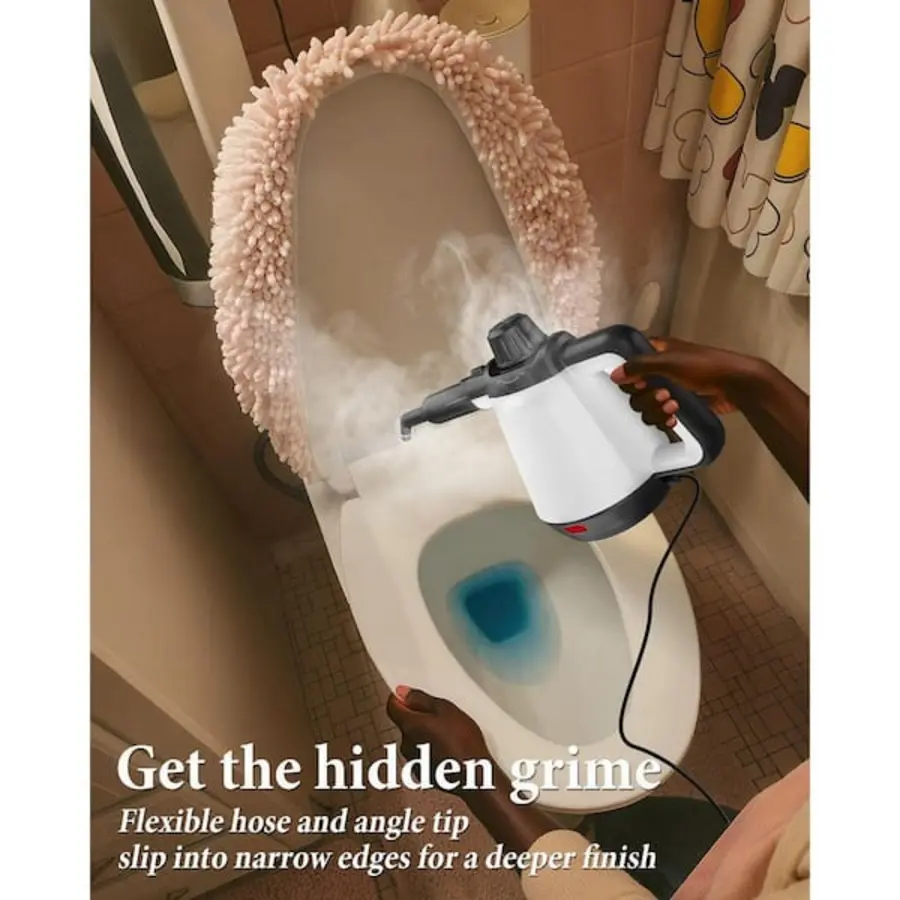
Can you steam clean bathroom grout? Usually, yes—steam can loosen surface grime, soap residue, and some discoloration on many conventional cement-based grout lines. It is not automatically safe for every grout, however. Some epoxy, premixed, or ready-to-use grouts can soften or become damaged by high heat, and steam can also affect sealers or deteriorated caulk.
Use the grout and tile manufacturer’s care instructions as the final authority. If you cannot identify the material, test a hidden area first and stop if the grout softens, smears, flakes, changes texture, or pulls away from the tile.
When steam cleaning grout makes sense
Steam is most useful when the problem is surface buildup rather than a structural or moisture problem. It can help loosen:
- Soap film and body-oil residue
- Dirt embedded in textured grout
- Some mildew staining on the surface
- Grime along shower corners and floor grout lines
Steam cleaning does not repair cracked grout, replace missing material, or solve water getting behind tile. It also may not remove deep staining that has penetrated the grout. In those cases, repeated steaming can add moisture without addressing the cause.
Steam does not always mean no physical cleaning. The heat may loosen the residue, but you will generally still need to wipe it away with a clean microfiber cloth or use a gentle grout brush for stubborn areas.

Source: images.thdstatic
Is steam cleaning safe for grout?
The answer depends mainly on the grout type, its condition, and the surrounding materials.
Cement-based grout
Many traditional cementitious grouts can tolerate careful steam cleaning. The grout should be intact, with no widespread cracking, crumbling, or missing sections. If it has been sealed, remember that heat and cleaning may reduce the effectiveness of an existing sealer. Plan to check the surface after it has dried completely.
Epoxy grout
Do not assume epoxy grout is steam-safe. Some epoxy products are sensitive to high temperatures, so steam can soften or damage them. Check the grout manufacturer’s instructions before using a steam cleaner. If the instructions are unavailable, a pH-neutral cleaner and a soft brush are the safer starting point.
Premixed or ready-to-use grout
Some premixed grout products can also react poorly to high heat. These products may contain materials that soften when heated. Avoid prolonged or concentrated steam unless the product documentation specifically allows it.
Silicone caulk and flexible joints
The lines where a wall meets a tub, shower pan, or corner are often silicone or another flexible sealant rather than grout. Do not treat these joints like ordinary grout. Long, direct blasts of steam can weaken or soften sealant, especially if it is already peeling, split, or pulling away.
If the sealant is damaged, cleaning is not the real fix. Remove and replace it according to the product instructions after the area has been properly dried.
How to steam clean shower grout safely
1. Identify the surfaces first
Look closely at the grout, tile, corners, and transitions. Do not steam over loose tiles, open cracks, crumbling grout, damaged caulk, or areas where water is already entering behind the surface.
Check the care instructions for the tile and grout. Porcelain and ceramic tile commonly tolerate steam better than some natural stone, painted surfaces, laminates, or other heat-sensitive materials. When in doubt, test an inconspicuous spot.
2. Remove loose dirt
Sweep or wipe away hair, dust, and loose grit. A cleaner surface lets you see whether the steam is actually improving the grout and reduces the chance of spreading dirty water around.
If the shower has visible soap buildup, wiping the area first can also make the steam treatment more effective.
3. Prepare the steam cleaner
Read the appliance manual before use. Attach the narrow nozzle or grout-focused accessory only if the manufacturer recommends it for the surface. Use clean water as directed by the manual, and keep the hot nozzle away from your skin, outlets, fixtures, and other heat-sensitive materials.
Open the bathroom door or run the exhaust fan if appropriate. Steam adds moisture to a small room, so ventilation helps the area dry afterward.
4. Test a hidden section
Choose a small grout line behind a fixture or in another inconspicuous location. Apply a brief pass, then wipe the area and inspect it after it cools.
Stop if the grout becomes soft, sticky, discolored in an unusual way, powdery, or visibly damaged. Also stop if the tile surface, finish, caulk, or surrounding material reacts poorly.
5. Work in short, controlled passes
Hold the nozzle near the grout line without dwelling in one place. Move steadily along a small section rather than holding concentrated steam against the joint. Avoid directing prolonged steam at silicone corners, damaged grout, tile edges, or holes around fixtures.
Work in manageable sections so loosened residue does not dry back onto the surface. You do not need to steam every part of the bathroom if only the shower floor or a few wall joints are dirty.
6. Wipe away the loosened residue
Use a clean, damp microfiber cloth to remove the dirty moisture from the tile and grout. Rinse the cloth frequently. For residue that remains in the joint, use a soft grout brush rather than increasing the heat or holding the nozzle in place longer.
Follow any manufacturer instructions about rinsing. Do not leave dirty water sitting on the grout or collecting along the shower edge.
7. Dry and inspect the area
Wipe the tile and grout dry, then allow the shower to dry fully before judging the result. Check for remaining discoloration, cracks, soft spots, missing grout, or gaps at corners and transitions.
Drying matters because a dark line may be surface dirt, staining, persistent moisture, or mold growth. Steam can clean the surface without correcting the condition that caused the discoloration.
When steam cleaning will not solve the problem
Steam is not the right first fix when:
- Grout is cracked, loose, crumbling, or missing
- The tile moves or sounds hollow
- Silicone caulk is split, peeling, or separated
- Discoloration returns quickly after cleaning
- There is a persistent damp smell or visible water damage
- Staining appears to be beneath the surface
- The grout or tile manufacturer warns against high heat
Mold-like growth may need more than surface cleaning, particularly if moisture remains behind the tile or under the shower base. Avoid assuming that a clean-looking surface means the underlying moisture issue is resolved.
Do you need to reseal grout after steaming?
Maybe. Steam cleaning can reduce the effectiveness of an existing grout sealer, especially if the sealer is old or the surface requires repeated cleaning. Do not apply a new sealer while the grout is still damp.
Once the area is completely dry, check the sealer manufacturer’s instructions and test whether resealing is appropriate. Use only a product intended for that grout and tile combination. Do not seal silicone joints, and do not use grout sealer to hide cracks or repair failed caulk.
If you are unsure whether the grout was previously sealed, ask the tile or grout manufacturer for care guidance rather than applying a random product.
Safer alternatives to steam
For grout that may be heat-sensitive, start with a pH-neutral tile or grout cleaner approved for the surface. Apply it according to the label, use a soft brush or microfiber cloth, rinse if directed, and dry the area.
This approach is also preferable when the main concern is protecting epoxy grout, premixed grout, natural stone, decorative tile finishes, or flexible sealant. A gentler method may take more wiping, but it reduces the risk of softening or damaging a material that was not designed for concentrated heat.
Bottom line
You can steam clean bathroom grout when the grout, tile, and surrounding sealants are compatible with heat and remain in good condition. Use short passes, keep the nozzle moving, wipe away loosened grime, and dry the area thoroughly.
Do not steam blindly over epoxy or premixed grout, damaged caulk, loose grout, or surfaces with unknown care requirements. When the discoloration points to mold, trapped moisture, or failing grout, cleaning is only one part of the solution.
References
- How to Clean Shower Tile and Grout. (n.d.). https://www.bissell.com/en-us/blog/how-to-clean-shower-tile-and-grout
- How to Clean Grout, According to Experts | NBC Select. (n.d.). https://www.nbcnews.com/select/shopping/how-to-clean-grout-rcna166880
- Can I use a steam cleaner on my tile and grout?. (n.d.). https://www.mapei.com/pr/en-us/faq/faq-detail/can-i-use-a-steam-cleaner-on-my-tile-and-grout
- Steam cleaning is damaging my shower wall grout. (n.d.). https://www.reddit.com/r/HomeImprovement/comments/t568e0/steam_cleaning_is_damaging_my_shower_wall_grout
- How To Clean Grout Without Scrubbing. (n.d.). https://ussteam.net/clean-grout-without-scrubbing
- How to Clean Grout. (n.d.). https://www.homedepot.com/c/ah/how-to-clean-grout/9ba683603be9fa5395fab906bc01146
- Cleaning Tile Grout with the 915e Steam Cleaner. (n.d.). https://www.facebook.com/WagnerPainting/videos/cleaning-tile-grout-with-the-915e-steam-cleaner/836961934020419
- How to Clean Tile Floors and Grout. (n.d.). https://www.bissell.com/en-us/blog/how-to-clean-tile-floors-and-grout