Can You Wash Bath Mats With Towels?
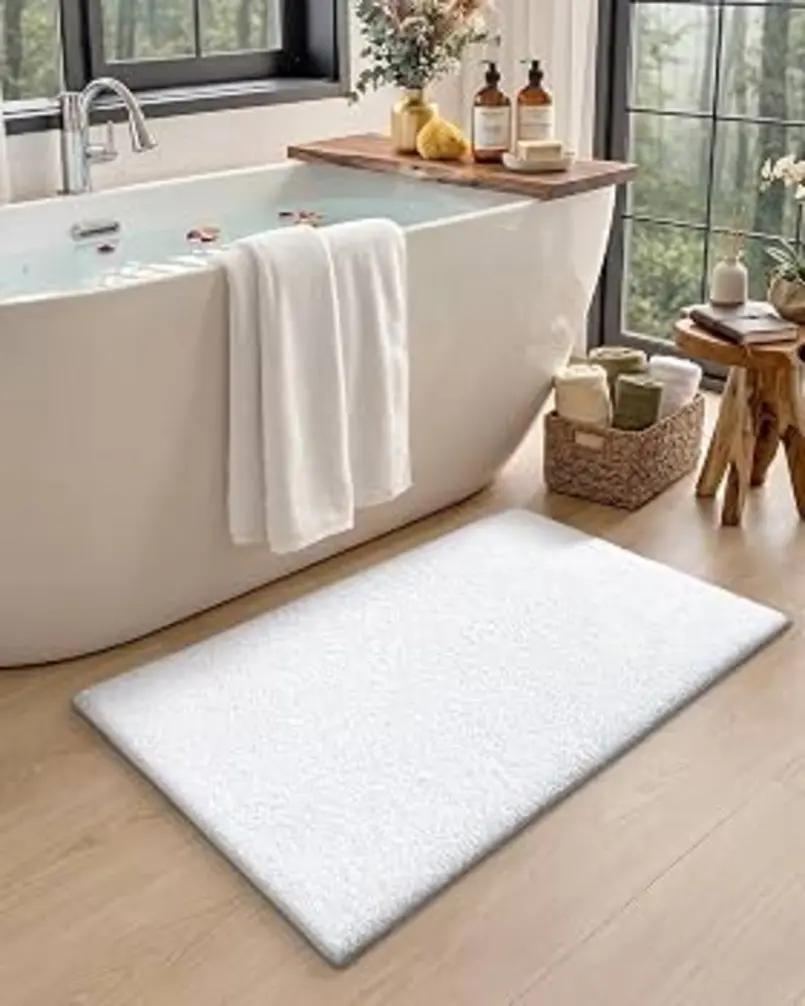
Can you wash bath mats with towels? Sometimes. A washable cotton or synthetic bath mat can usually share a load with sturdy towels when the care labels allow the same cycle, colors are compatible, and the washer is not overloaded. This is most practical for lightly soiled, non-shedding mats with no fragile backing.
Separate the bath mat from towels when it has rubber or latex backing, foam or memory-foam construction, heavy soil, loose fibers, a strong odor, or different care instructions. When in doubt, the label on the mat takes priority over convenience.
When bath mats and towels can share a load
Washing bath mats with towels is generally reasonable when these conditions line up:
- The mat is labeled machine washable.
- The mat and towels can use the same water temperature and cycle.
- Both are similar in color, or the load has already been sorted by color.
- The mat is made from a durable washable fabric such as cotton or a washable synthetic.
- The mat is not shedding heavily or breaking down.
- The load has enough room to move freely and rinse properly.
A small fabric mat and a few bath towels are a better pairing than a full load of thick mats and dense towels. Both items absorb a great deal of water, so adding too much can leave the washer struggling to clean, rinse, or spin the load evenly.
Towels are also a useful match because they are more similar to bath mats in weight and texture than lightweight clothing. Avoid adding delicate garments, thin fabrics, or items that could be damaged by lint and friction.
When to wash the mat separately
Some mats should not be treated like ordinary cotton laundry. Wash separately, or use another method, in these situations:
The care labels do not match
If the mat requires a delicate cycle, cold water, air drying, or hand washing while the towels need a different treatment, separate the load. Do not use the towel setting simply because the mat looks sturdy.
The mat has rubber or latex backing
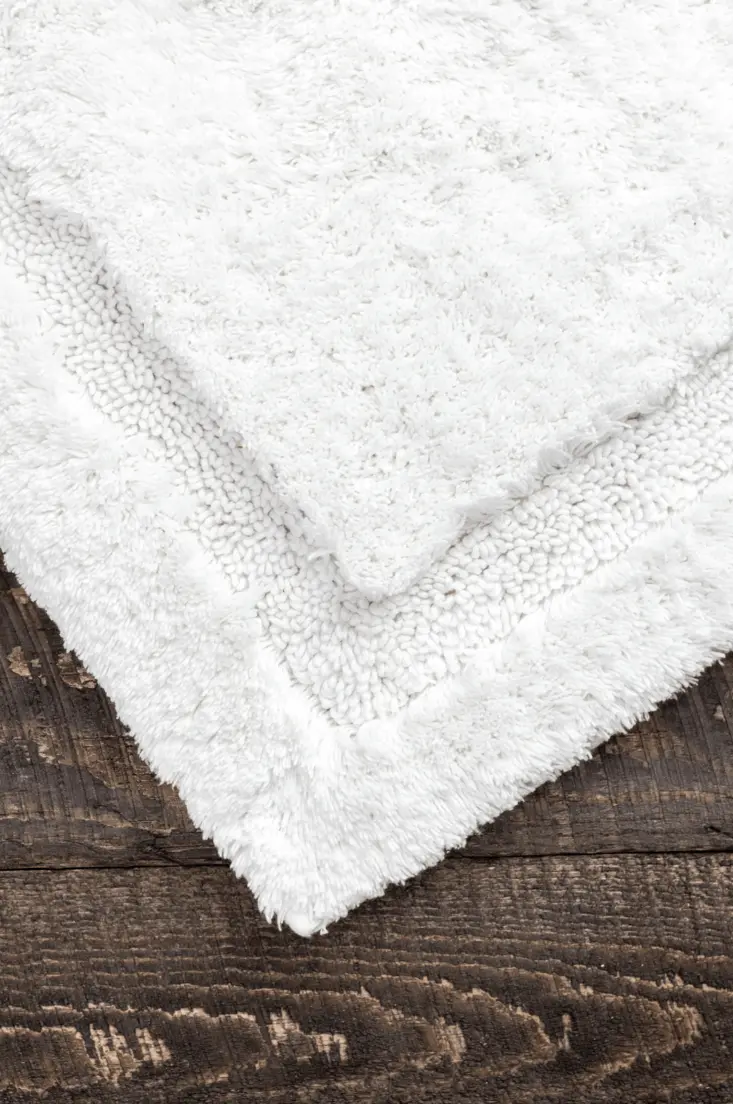
A rubber-backed bath mat may be machine washable, but only if its care label permits it and the backing is still intact. Heat and rough treatment can contribute to cracking, peeling, or loss of grip over time. Do not machine wash a mat with backing that is brittle, cracked, flaking, or coming loose.
Source: livegrund
The mat contains foam or memory foam
Foam mats can have different washing and drying limits from terry or cotton towels. Some should not be machine washed at all. Check the label rather than assuming that a soft mat is safe for a regular towel cycle.
The mat is heavily soiled or smells musty
A mat that has stayed damp, collected visible dirt, or developed an odor deserves a separate load. This prevents the soil and odor from being spread through otherwise clean towels and gives the mat more room for thorough washing and rinsing.
The mat sheds fibers
New, shaggy, or deteriorating mats can release lint and loose fibers. Washing one with towels may transfer that material to the towel pile, where it can be difficult to remove. Wash a shedding mat alone until you know how it behaves, and replace it if the backing or fibers are breaking down.
How to wash bath mats and towels together
If the mat passes the compatibility check, use this process:
- Read both care labels. Check the permitted temperature, cycle, detergent instructions, and drying method. The most restrictive item sets the limits for the load.
- Shake out the mat. Remove loose hair, dust, and surface debris before putting it in the washer. Do not wash a mat if its backing is visibly peeling or crumbling.
- Sort by color. Keep dark, bright, and light items in appropriate groups. Towels can release lint, especially when new, so avoid mixing them with fabrics that show every fiber.
- Load lightly. Add only enough towels to balance the mat without packing the drum. A crowded load reduces movement and makes rinsing less effective.
- Choose the label-approved cycle. A normal or cotton cycle may suit a durable cotton mat, while a delicate mat needs gentler treatment. Use the warmest temperature allowed by the mat and towel labels rather than choosing heat automatically.
- Use regular detergent as directed. More detergent does not make an overloaded or heavily soiled load cleaner. Excess residue can affect absorbency and leave fabrics feeling stiff.
- Check the mat after washing. Look for loose backing, damaged seams, clumps, or lingering odor before drying it.
- Dry according to the label. Cotton mats may tolerate dryer heat when labeled for it, but rubber-backed and foam mats often need lower heat or air drying. Never use high heat by default on a backed mat.
What temperature should you use?
There is no single best temperature for every bath mat and towel combination. Use the warmest temperature allowed by both care labels, while considering the material and color.
Durable cotton may tolerate a warmer cycle than a synthetic, foam, or rubber-backed mat. Colored towels and mats may also have different color-care instructions than white items. If the labels give different limits, use the cooler or gentler setting that is safe for both, or wash the items separately.
The goal is a complete wash without damaging the mat’s backing, shrinking the fabric, fading the color, or reducing towel absorbency. A hotter cycle is not automatically the right solution for a mat that is simply damp from normal bathroom use.
Drying matters as much as washing
Remove bath mats from the washer promptly. A damp mat left in a closed machine can develop an odor, and a thick mat may take longer to dry than the towels around it.
Follow the drying instructions closely:
- Fabric mats: Use the dryer only if the label allows it. Low or moderate heat may be appropriate for some materials.
- Rubber-backed mats: Avoid high heat unless the label specifically permits it. Air drying or a low-heat option may help protect the backing.
- Foam mats: Follow the label carefully; some cannot tolerate standard dryer heat.
- All mats: Make sure the mat is completely dry before placing it back on the bathroom floor.
If the mat still smells after correct washing and thorough drying, inspect the backing and the washer. Persistent odor can indicate trapped moisture, residue, or backing that is beginning to deteriorate.
A simple decision rule
Wash a bath mat with towels when it is a washable fabric mat, lightly soiled, label-compatible, and in good condition. Wash it separately when it has special construction, damaged backing, heavy soil, unusual odor, or a different care requirement.
For everyday laundry, the safest pairing is a sound cotton or synthetic mat with a small number of similar-color towels. When the mat is rubber-backed or questionable, saving one separate load is usually better than risking damaged backing, transferred lint, or towels that need to be washed again.
References
- Bath Mats and Towels: The Unexpected Laundry Pairing You Need to Know - HomeFixMagic. (n.d.). https://homefixmagic.com/can-bath-mats-be-washed-with-towels
- Ultimate Laundry Guide: Unveiling the Secrets of Washing Bath Mats and Towels - HomeFixMagic. (n.d.). https://homefixmagic.com/can-you-wash-bath-mats-and-towels-together
- Should bath mats be washed separately? - TowelHub.com | America’s #1 Wholesale Bulk Towel Provider. (n.d.). https://towelhub.com/blog/should-bath-mats-be-washed-separately
- How to Wash Bath Mats Safely – Mallo Towels. (n.d.). https://mallotowels.com/blogs/mallo-living/how-to-wash-bath-mats-safely
- Care instructions. (n.d.). https://christyhome.com/pages/care-instructions
- Can You Wash Bath Mats With Towels? The Answer May Surprise You! - HouseFixMaster. (n.d.). https://housefixmaster.com/can-bath-mats-be-washed-with-towels
- Washing a bath mat: this is how you do it safely and …. (n.d.). https://www.bath-living.com/en/blogs/blog-en/badmat-wassen-zo-doe-je-het-veilig-en-effectief
- How To Wash Bath Mats | Onsen Towel. (n.d.). https://onsentowel.com/blogs/education/how-to-wash-bath-mats