How to Choose the Right Bath Panel
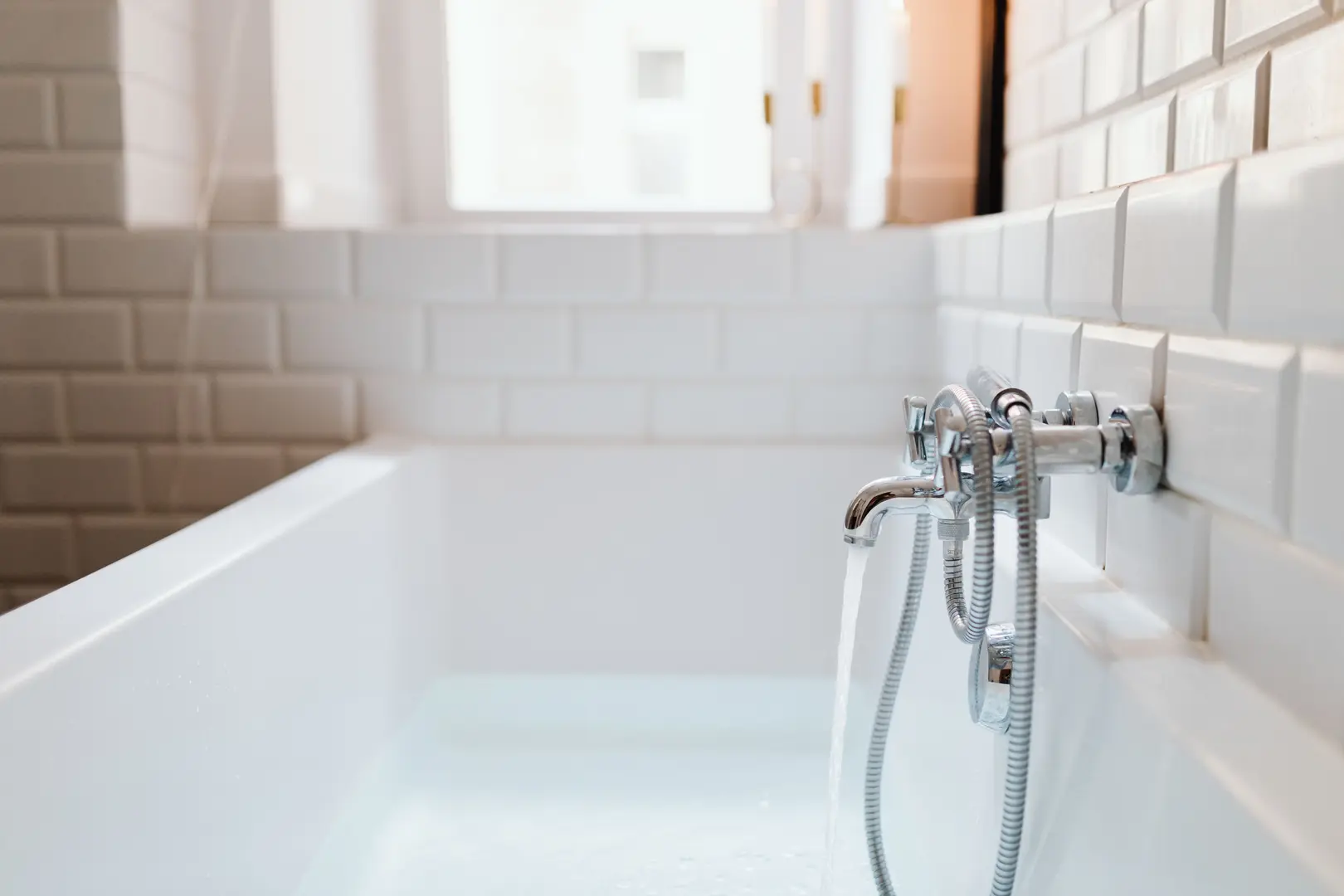
Choosing a bath panel may seem like a small finishing decision, but it affects both the appearance and practicality of your bathroom. The right panel conceals pipework, complements your décor, withstands regular exposure to moisture, and fits neatly around the bath.
If you are wondering how to choose a bath panel, start with three essentials: where the panel will sit, which material suits your needs, and whether its dimensions match the bath. This guide explains each consideration so you can make a confident choice.
Understanding the Purpose of a Bath Panel
A bath panel is a cover fitted around the exposed base of a bathtub. Its main purpose is to hide the plumbing, supports, and unfinished space underneath the bath. It creates a cleaner, more coordinated appearance while allowing the bathtub to blend into the surrounding bathroom design.
Panels are available in numerous colours, finishes, materials, and decorative styles. Some have a simple glossy surface suited to contemporary bathrooms, while others use painted, panelled, or wood-effect designs to create a more traditional or natural look.
The number and position of the panels you need depend on the bathtub layout. A bath installed between three walls may require only a long front panel. A bath in a corner could need both a side and an end panel. Understanding which parts of the bath remain visible is therefore the first step in choosing the correct product.
Main Bath Panel Types
Bath panels are usually classified according to their position around the bathtub. The two main options cover either the long side or the short end. In some bathroom layouts, you may need both.
Before buying, look at:
- The shape and orientation of the bath
- Which sides are exposed
- Whether the bath sits against one, two, or three walls
- The available space around the bath
- Whether the panel design is compatible with the bathtub
Standard rectangular baths are generally straightforward to panel. Shaped baths, including J-shaped designs, may require panels made to follow their specific contours.
Panels for the Long Side of a Bath
A side bath panel covers the longer front section of the bathtub. It is commonly used when a rectangular bath is positioned lengthways against a wall, leaving the opposite long side visible.
If the bath is enclosed by walls at both ends, a single side panel may be all that is required. Where one short end also remains exposed, the side panel can be paired with a matching end panel.
Long side panels come in a broad range of styles. Options include smooth glossy surfaces, matte finishes, wood effects, painted panels, and decorative designs. This variety makes the front panel an important visual feature, especially because it usually covers the largest visible area beneath the bath.
Check that the panel is suitable for the length, shape, and construction of your bathtub. A panel designed for a straight bath may not fit neatly around a curved or J-shaped model.
Panels for the Short End of a Bath
An end bath panel covers the shorter exposed end of the bathtub. It is often required for a bath installed in a corner, where one long side and one short side remain visible.
End panels can also be useful with more open or freestanding-style bathroom layouts, depending on the bath design and how much of its base needs to be concealed. As with side panels, they are available in varied materials, colours, and decorative finishes.
When buying side and end panels separately, make sure they coordinate. Even small differences in colour, sheen, detailing, or thickness may be noticeable where the two panels meet. Choosing matching panels from the same range can create a more consistent result.
Comparing Bath Panel Materials
Material affects how a bath panel looks, how well it handles moisture, and how much upkeep it requires. There is no single best material for every bathroom. The right option depends on your budget, preferred finish, and willingness to carry out maintenance.
| Material | Main advantages | Points to consider |
|---|---|---|
| Acrylic | Lightweight, durable, glossy, water-resistant | Can be scratched |
| MDF | Smooth, affordable, paintable, easy to customise | Must be properly sealed |
| Wood | Warm, natural appearance | More expensive and needs regular sealing |
| Plastic | Affordable, highly water-resistant, low maintenance | May look less refined |
Consider these practical differences alongside colour and style rather than choosing on appearance alone.
Acrylic Panels: Lightweight but Scratch-Prone
Acrylic bath panels are lightweight, durable, and easy to handle during fitting. Their smooth, glossy surface works particularly well in modern bathrooms and can coordinate with the finish of many acrylic baths.
Acrylic is also naturally resistant to water, making it a practical choice for an area that is regularly exposed to splashes. Its low weight can make DIY installation more manageable.
The main disadvantage is its susceptibility to scratches. Care is needed during fitting, cleaning, and everyday use. Avoid rough handling and abrasive cleaning methods that could mark the surface. Panel quality also matters: very thin acrylic can feel unstable, so assess sturdiness rather than selecting an option based only on price.
MDF Panels: Flexible and Ready to Paint
MDF, or medium-density fibreboard, has a smooth surface that can be painted or finished in different ways. It is a flexible design choice for anyone who wants to match the bath panel with bathroom furniture, wall colours, or a particular decorative scheme.
It is generally affordable and works well for panelled or traditional-looking designs. A paintable MDF panel also allows the bathroom colour scheme to be updated without necessarily replacing the entire panel.
However, MDF requires effective sealing to prevent moisture damage. Pay particular attention to cut edges, joins, and areas near the floor where water may collect. A visually appealing finish will not compensate for inadequate protection in a damp bathroom environment.
Wood Panels: Warm Appearance with Extra Upkeep
Wood provides a warm, natural look that can soften a bathroom dominated by hard, glossy surfaces. It may suit traditional interiors, nature-inspired schemes, or rooms with coordinating wooden furniture.
The material often has a more distinctive appearance than basic plastic or acrylic. However, wooden bath panels are typically more expensive and require greater care. Regular sealing is necessary to protect the material from moisture.
If you prefer wood, consider whether you are prepared to maintain the finish over time. Check the panel periodically, especially around its edges and joints, so that any deterioration in the seal can be addressed.
Plastic Panels: Practical and Water-Resistant
Plastic panels are an affordable, low-maintenance choice. They are highly resistant to water and can be cleaned easily, making them useful in busy bathrooms where practicality is the priority.
Their main drawback is appearance. Some plastic panels may look less refined, particularly when wet or viewed alongside higher-end bathroom finishes. A matte surface can help reduce an overly glossy or “plasticky” effect, although it will not improve the structural strength of a thin panel.
Look for a panel that feels sufficiently sturdy for the installation. A low price may be appealing, but an unstable panel can lead to a disappointing finish.
How to Select a Panel for Your Bathroom
Learning how to choose a bath panel involves balancing practical requirements with visual preferences. Begin by identifying the panel position and taking accurate measurements. You can then compare materials according to water resistance, maintenance, durability, and style.
A useful selection process is:
- Identify every exposed side of the bath.
- Determine whether you need a side panel, an end panel, or both.
- Measure the relevant sections carefully.
- Choose a material suited to moisture and your maintenance preferences.
- Coordinate the colour, texture, and detailing with the room.
- Check that the panel feels sturdy enough for a stable installation.
Avoid choosing purely by colour or price. A panel that looks attractive online may not be appropriate if it does not fit the bath or cannot cope with the bathroom environment.
Taking Accurate Bath Panel Measurements
Accurate measurements are essential for a tidy fit. Measure the exposed long side if you need a front panel and the exposed short section if you also require an end panel.
Take measurements at the bath rather than relying on an estimate. Double-check each figure before ordering or cutting anything. If the installation area has uneven gaps, record the dimensions at multiple points so you understand how the available space varies.
Also consider the relationship between the panel and the surrounding floor or wall. Inconsistent gaps can make fitting more difficult and may prevent the edges from sitting neatly. Do not assume that apparently straight walls, floors, or bath edges will produce identical measurements along the whole opening.
For a shaped bathtub, confirm that the panel is intended for that specific form. Length alone is not enough when the front includes a curve or J-shaped section.
Coordinating the Panel with Your Bathroom Style
A bath panel occupies a substantial visible area, so it should complement the wider bathroom rather than appear to be an afterthought.
For a modern bathroom, a smooth acrylic panel, simple plastic design, or clean matte finish can support a streamlined appearance. Neutral colours and minimal detailing generally work well with contemporary fittings.
In a traditional bathroom, painted MDF, decorative panelling, or wood may create a more suitable effect. These options can coordinate with classic cabinetry and warmer finishes.
Think about the visual character you want:
- Sleek and simple: Consider smooth acrylic or understated plastic.
- Customised and coordinated: Paintable MDF offers flexibility.
- Warm and natural: Wood can add texture and character.
- Practical and easy to maintain: Water-resistant plastic may be preferable.
- Less glossy: A matte surface can reduce the visibly plastic appearance of a wet panel.
The panel does not necessarily need to match every fixture exactly. It should, however, make sense alongside the room’s colours, furniture, surfaces, and overall level of detailing.
Checking Water Resistance and Long-Term Durability
Waterproofing and durability should be central to your decision. Bath panels are positioned where splashes and damp conditions are common, so the chosen material must either resist water naturally or be adequately protected.
Acrylic and plastic are naturally water-resistant, making them practical for bathrooms with frequent use. They still need appropriate fitting and care, but they do not rely on a painted or sealed fibre surface for protection.
MDF and wood need sealing. The exposed edges, joints, and any areas cut during installation require particular attention. Wooden panels also need ongoing maintenance to preserve their protection.
Durability is not only about material type. The thickness and overall quality of a panel affect how stable it feels. Thin, low-quality panels may flex or move after installation. Examine construction and sturdiness rather than assuming that all panels made from the same material will perform identically.
Also consider how the finish may age. Scratches, cracks, and yellowing can make a panel look worn. Choosing a suitable material, fitting it securely, and cleaning it carefully can help maintain its appearance.
Bath Panel Fitting and Care Advice
Fitting a bath panel can be a manageable DIY task if the panel is compatible with the bath and the installation area is straightforward. Always check the fitting method before starting, as designs and support requirements can differ.
Begin by confirming all measurements and positioning the panel without permanently fixing it. This allows you to identify uneven gaps or alignment problems. Make sure the result is stable and that joins between side and end panels look consistent.
Avoid creating a fixing arrangement that makes future access unnecessarily difficult. Plumbing beneath the bath may need to be reached later, so consider how the panel or any additional supports could be removed.
Regular cleaning will help keep the panel looking presentable. Use methods suitable for the material and avoid abrasive treatment on scratch-prone acrylic. Pay attention to edges and joints, where water can sit. Wooden panels require additional care, including periodic checks of the protective seal.
Troubleshooting Common Bath Panel Problems
Bath panel issues often involve poor stability, uneven gaps, surface damage, or an unsatisfactory finish. The following checks can help:
- An unstable or flexible panel: Check the panel quality and the security of its supports. Thin or inferior panels may not provide a satisfactory result, even when their appearance is initially acceptable.
- Uneven gaps: Recheck the opening at several points. Variations in the surrounding walls, floor, or bath position may require more careful alignment during fitting.
- An unstable J-shaped panel: Wood blocks and sealant can be used to add support in some installations. However, additional fixed supports may be cumbersome to remove if access beneath the bath is needed later.
- Cracks or yellowing: A damaged or discoloured panel may become increasingly noticeable. Handle panels carefully during installation and use cleaning methods appropriate for the surface.
- A wet panel looks too plastic: Consider a matte finish, which can reduce the glossy, plasticky effect. Remember that the finish changes appearance only; it does not solve instability or other structural concerns.
- Poor alignment between side and end panels: Check that both pieces are compatible and positioned correctly before fixing them in place. Matching products can help provide a more consistent join.
If a panel remains unstable after basic adjustments, reconsider its quality and compatibility rather than relying on excessive sealant or awkward supports. A well-chosen panel should combine a suitable fit, dependable water resistance, and a finish that complements the bathroom.