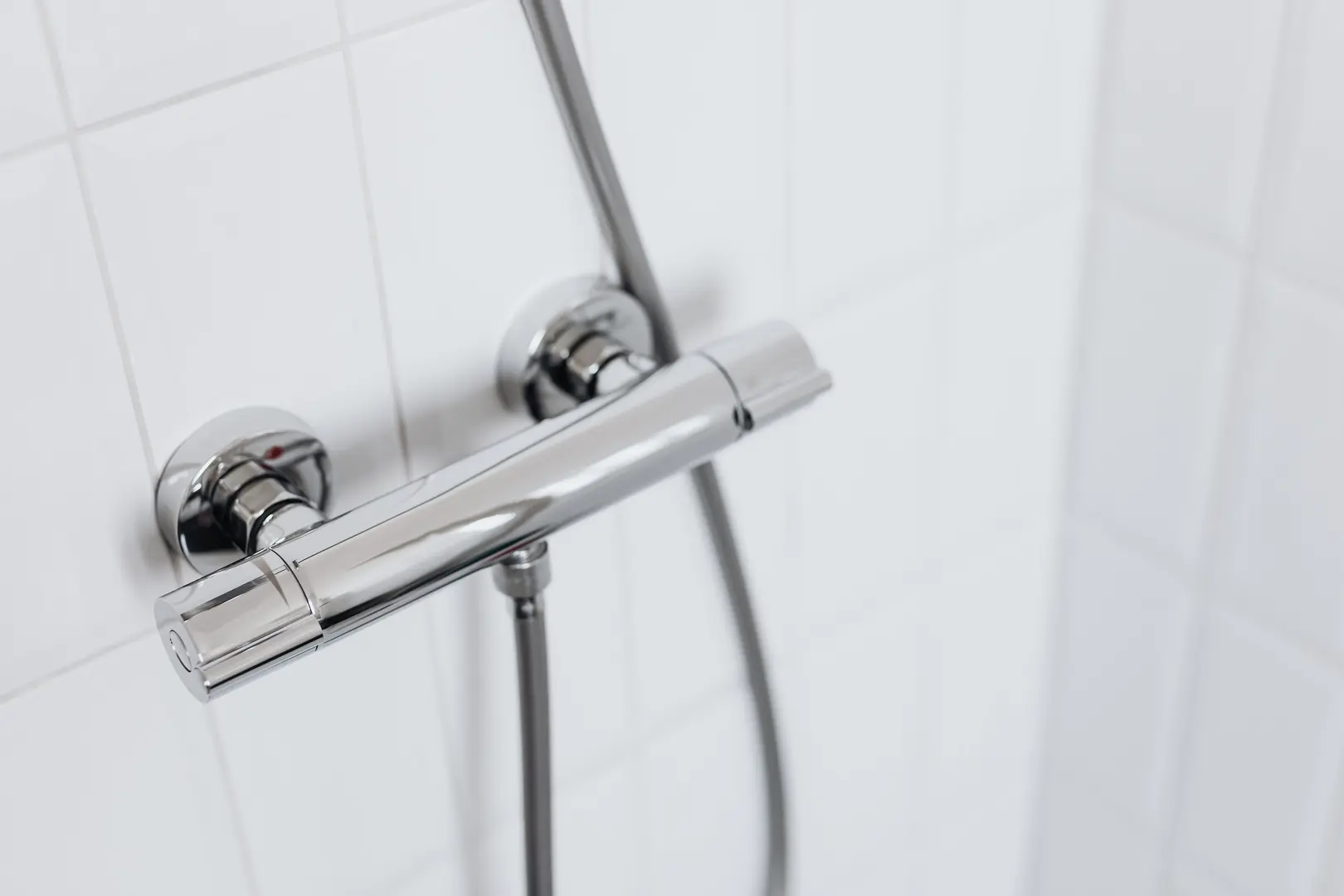
How to Choose the Best Shower Door Handle
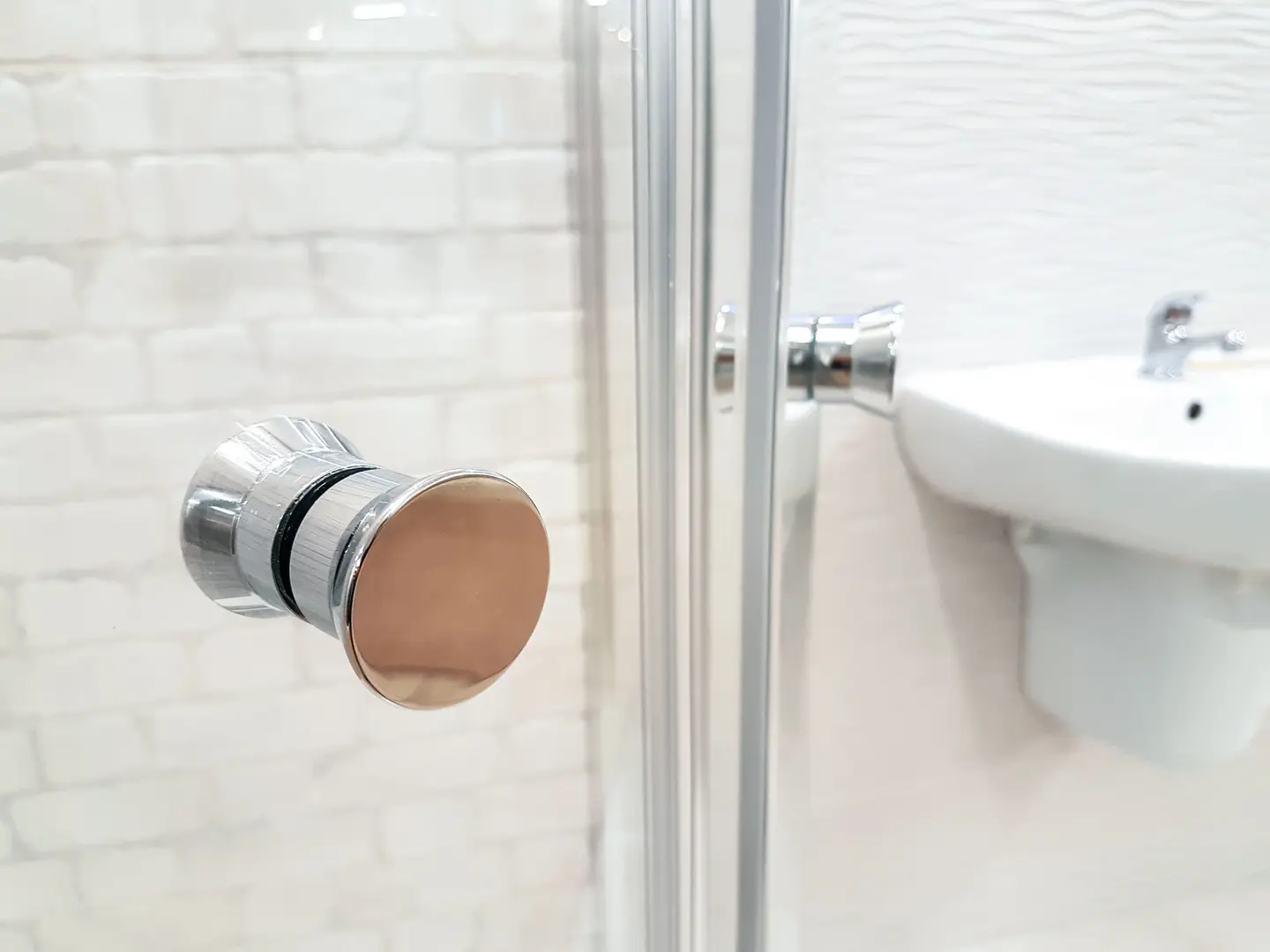
Choosing a shower door handle involves more than matching a finish. The handle must fit the door, feel comfortable in your hand, withstand a wet environment, and complement the rest of the bathroom. If you are learning how to choose shower door handle styles, start by comparing design, material, finish, measurements, safety, and long-term quality.
Why Your Shower Door Handle Is Important
A shower door handle is one of the most frequently touched fixtures in a bathroom. It should make the door easy to open and close while providing a secure, comfortable grip. An awkward shape, poor placement, or incorrect fit can make everyday use frustrating.
The handle also contributes to the bathroom’s overall appearance. Because it sits directly on a glass door, it is highly visible even when relatively small. A streamlined T-bar can reinforce a minimalist design, while a brass knob or pull can add warmth to a more traditional room.
The right choice should bring together three priorities:
- Function: The handle should suit the way the shower door opens.
- Comfort: Its shape and placement should support a reliable grip.
- Design: Its material and finish should coordinate with nearby fixtures.
Treating the handle as both hardware and a design feature helps create a bathroom that feels consistent and works well.
Explore the Main Shower Door Handle Types
Shower handles come in several forms, from compact knobs to long pulls. The best option depends on the type and size of the door, the available space, and the people who will use the shower.
Consider how the door operates before focusing on appearance. A handle that works well on a hinged glass door may not offer the same convenience on a sliding enclosure. You should also think about grip size, reach, and whether the handle projects too far into the room or shower.
Popular Handle Styles to Compare
The four common styles each offer a different combination of appearance and function:
| Handle style | Key characteristics | Often suited to |
|---|---|---|
| T-bar | Sleek, straight, and modern | Contemporary glass enclosures |
| Knob | Compact and visually discreet | Traditional designs or limited spaces |
| Pull | Large gripping area | Sliding doors and frequently used showers |
| Lever | Ergonomic shape and easy grip | Users who prioritize comfortable operation |
T-bar handles have clean lines that work especially well in modern bathrooms. Their simple profile complements frameless glass and uncluttered fixtures.
Knobs take up less visual and physical space. They can suit traditional bathrooms or compact areas, although the smaller gripping surface may not be comfortable for everyone.
Pull handles provide more room for the hand and are commonly associated with sliding shower doors. Their larger size can also make them a noticeable design element.
Lever handles are shaped for ergonomic operation. They may be helpful when a small knob is difficult to grasp, provided the lever is compatible with the door and its opening mechanism.
Compare these options by handling similar designs when possible. A style that looks appealing in a photograph may feel too narrow, bulky, or awkward in daily use.
Fixed or Adjustable: Which Handle Design Fits?
A fixed handle has a straightforward design with no intended movement beyond the shower door itself. Its simplicity can make it a practical choice when you want clean lines and predictable operation.
Movable or adjustable designs provide greater flexibility. Depending on the hardware, they may allow the gripping component to move or be positioned to suit a particular installation. This versatility can be useful, but it also makes compatibility and correct installation especially important.
Choose between them based on the door system rather than appearance alone. Verify that any adjustable or movable handle is designed for your shower door and that its hardware will not interfere with opening, closing, or nearby glass panels.
Compare Shower Door Handle Materials
Material affects how a handle looks, how it performs around water, and how well it coordinates with other bathroom hardware. A finish may create the visible color and texture, but the underlying material remains important to longevity.
Bathrooms regularly expose hardware to moisture. For that reason, prioritize a handle made for wet environments rather than choosing a decorative handle intended for general furniture or cabinetry.
Common Materials for Shower Handles
Several materials are widely used for shower door hardware:
- Chrome: Chrome has a bright, reflective appearance and resists rust. It is a natural match for modern bathrooms and other polished fixtures.
- Brushed nickel: This material has a softer, matte appearance. It tends to conceal fingerprints better than highly polished surfaces and works with a broad range of bathroom styles.
- Stainless steel: Known for durability and corrosion resistance, stainless steel is a practical choice for a frequently used shower.
- Brass: Brass offers a classic look and lasting durability. Its warmer character can make it particularly attractive in traditional or decorative bathrooms.
Do not choose based solely on the material name. Examine the listed finish, care instructions, and door compatibility as well. Two handles described as the same material may look different if their surface treatments vary.
Material Selection Factors to Check
Water resistance should be a central consideration. A suitable handle must tolerate repeated exposure to moisture without quickly losing its appearance or integrity. Chrome, stainless steel, brushed nickel, and brass can all be appropriate choices when the handle is manufactured for shower use.
Compatibility with existing fixtures matters too. Compare the handle with the showerhead, hinges, frame, faucet, towel bars, and cabinet hardware. Exact matching is not always necessary, but the materials and tones should look intentional together.
Also consider how the bathroom is used. A low-maintenance material or finish may be more convenient in a busy household, while a highly decorative option may suit a bathroom where appearance is the leading priority.
Select a Finish That Works for Your Bathroom
The finish is the visible surface of the handle. It determines whether the hardware looks bright or muted, warm or cool, and contemporary or traditional. It also influences how noticeable water spots and fingerprints will be.
Review finish samples in the bathroom when possible. Lighting, wall colors, tile, and surrounding fixtures can change how a finish appears compared with a product image.
Coordinate the Handle With Your Bathroom Style
For a modern bathroom, polished chrome can create a crisp, reflective accent. Matte black offers a bolder contemporary look and can provide strong contrast against clear glass or light-colored tile.
Traditional rooms often work well with brushed nickel or brass. Brushed nickel has a restrained appearance that blends easily with many neutral color schemes. Brass introduces warmth and can support classic or decorative details.
These are useful starting points rather than inflexible rules. A successful choice should relate to the room as a whole. For example, a brass handle may also become an effective accent in a modern bathroom when similar brass details appear elsewhere.
Balance Finish Durability and Maintenance
Polished finishes reflect light and can make shower hardware look clean and bright. However, they are also more likely to show fingerprints, water spots, and marks between cleanings.
Matte and brushed finishes conceal prints more effectively and are generally easier to keep looking consistent during everyday use. They may be preferable if minimizing visible smudges is important.
Before buying, consider how much maintenance you are willing to perform. Follow the handle manufacturer’s care guidance, as the appropriate cleaning method can depend on the material and finish. Appearance, durability, and upkeep should all influence the final choice.
Measure Your Shower Door for the Right Handle
Accurate measurements help ensure that the handle fits the door and sits in a practical location. Do not assume that handles are universally interchangeable. Glass thickness, mounting-hole arrangement, handle size, and door configuration can all affect compatibility.
If you are replacing an existing handle, matching the current mounting arrangement may be simpler than modifying the door. Glass alterations should not be treated as a routine do-it-yourself adjustment.
A Step-by-Step Measurement Checklist
Use this checklist before ordering a handle:
- Determine the intended placement height. Consider where the handle will be comfortable to reach for the people using the shower.
- Measure the handle dimensions. Check its overall length, projection from the glass, and gripping area.
- Measure the existing mounting arrangement. For a replacement, record the positions of the current holes and compare them with the new handle’s specifications.
- Verify door thickness compatibility. Confirm that the supplied mounting hardware is designed for the thickness of your glass.
- Check surrounding clearance. Make sure the handle will not interfere with another glass panel, wall, fixture, or the door’s normal movement.
- Confirm inside and outside requirements. Some configurations use paired handles, while others may combine an exterior pull with different interior hardware.
Measure carefully and compare every result with the product specifications. If the information is incomplete, ask the seller, manufacturer, or installer before purchasing.
Measurement Errors That Can Cause Problems
Choosing the wrong handle height can make the door uncomfortable to use. A handle placed too high or too low may require an awkward reach, especially for children, shorter adults, or anyone with limited mobility.
Another common mistake is overlooking glass thickness. Hardware that is not compatible with the door may fail to fit securely, even if the handle’s overall dimensions appear correct.
Other potential errors include measuring only the total handle length instead of the mounting arrangement, forgetting to account for projection, and failing to check clearance as the door opens or slides. Review all dimensions rather than relying on a single measurement.
Safety Considerations for Shower Door Handles
Handle placement deserves careful attention because poorly positioned hardware can contribute to bumps or other injuries. Avoid locating a projecting handle where users are likely to strike it when entering, leaving, or moving around the shower.
Some homeowners ask whether there is a universal industry-standard distance between a handle and the edge of the glass. Do not assume one unsupported measurement applies to every installation. Appropriate spacing may depend on the door system, glass design, handle, mounting holes, and manufacturer requirements.
Instead:
- Follow the shower door and handle manufacturers’ installation instructions.
- Check that there is enough room for a full grip without the hand being crowded against the glass edge.
- Confirm that the handle does not collide with fixed panels, walls, or fixtures.
- Consider the reach and movement of everyone who regularly uses the shower.
- Ask a qualified glass-door installer when placement instructions are unclear.
Safe placement should support comfortable operation without creating an unnecessary obstruction.
Extra Tips for Selecting a Shower Door Handle
Once you have narrowed down the type, material, finish, and measurements, compare the smaller details that affect daily satisfaction. Visual consistency, grip comfort, and construction quality can distinguish a suitable handle from one that merely fits.
Keep the Handle Consistent With Other Fixtures
Look at the bathroom as a coordinated space. Matching the shower handle with the door hinges and frame usually creates the most immediate sense of consistency. You can then compare it with faucets, the showerhead, towel bars, and other visible hardware.
If exact matches are unavailable, coordinate the color temperature and surface texture. Combining a warm brass handle with cool polished fixtures may look accidental unless that contrast is repeated intentionally. Likewise, mixing polished and brushed surfaces requires care.
Prioritize a Comfortable, Secure Grip
A handle should feel stable and easy to grasp, including when hands are wet. Consider the thickness of the gripping area, the amount of space available for fingers, and whether the shape has uncomfortable edges.
The ideal grip varies by user. A large pull or ergonomic lever may be easier for some people than a compact knob. If several household members use the shower, choose a design that works comfortably for everyone rather than selecting only by appearance.
Find the Right Balance Between Cost and Quality
A low-priced handle is not a good value if it does not fit correctly or hold up in a wet bathroom. Prioritize appropriate materials, secure mounting hardware, and compatibility with the door.
At the same time, the most expensive option is not automatically the best. Set a realistic budget, compare materials and finishes, and invest in the features that affect durability and use. A simple, well-made handle is often a better choice than an elaborate design that is uncomfortable or difficult to maintain.
How to Fix a Loose Shower Door Handle
A wobbling handle should be addressed before the movement worsens. The correct method depends on the handle design and, in particular, the type of set screw or fastener.
Use the following general process:
- Inspect the handle and mounting points. Identify where the movement occurs and look for an accessible set screw.
- Determine the fastener type. Do not force a tool into the opening. Some users report needing a hex key, while others encounter hardware requiring a hook wrench. Check the handle instructions or examine the screw before tightening or removing it.
- Support the handle. Keep both sides aligned so they do not shift unexpectedly while the fastener is adjusted.
- Tighten the appropriate fastener carefully. Work gradually and avoid using excessive force against the glass.
- Check protective components. Rubber grommets may reduce movement and help separate hardware from glass, but they will not correct every cause of wobbling.
- Test the handle gently. Confirm that it feels secure and that the door still operates normally.
If the handle remains loose, the hardware appears incompatible, or you notice damage around the mounting area, stop using force and consult the manufacturer or a qualified shower-door professional. Correct hardware and installation are essential when components attach directly through glass.