How to Clean Black Bathroom Fixtures Safely
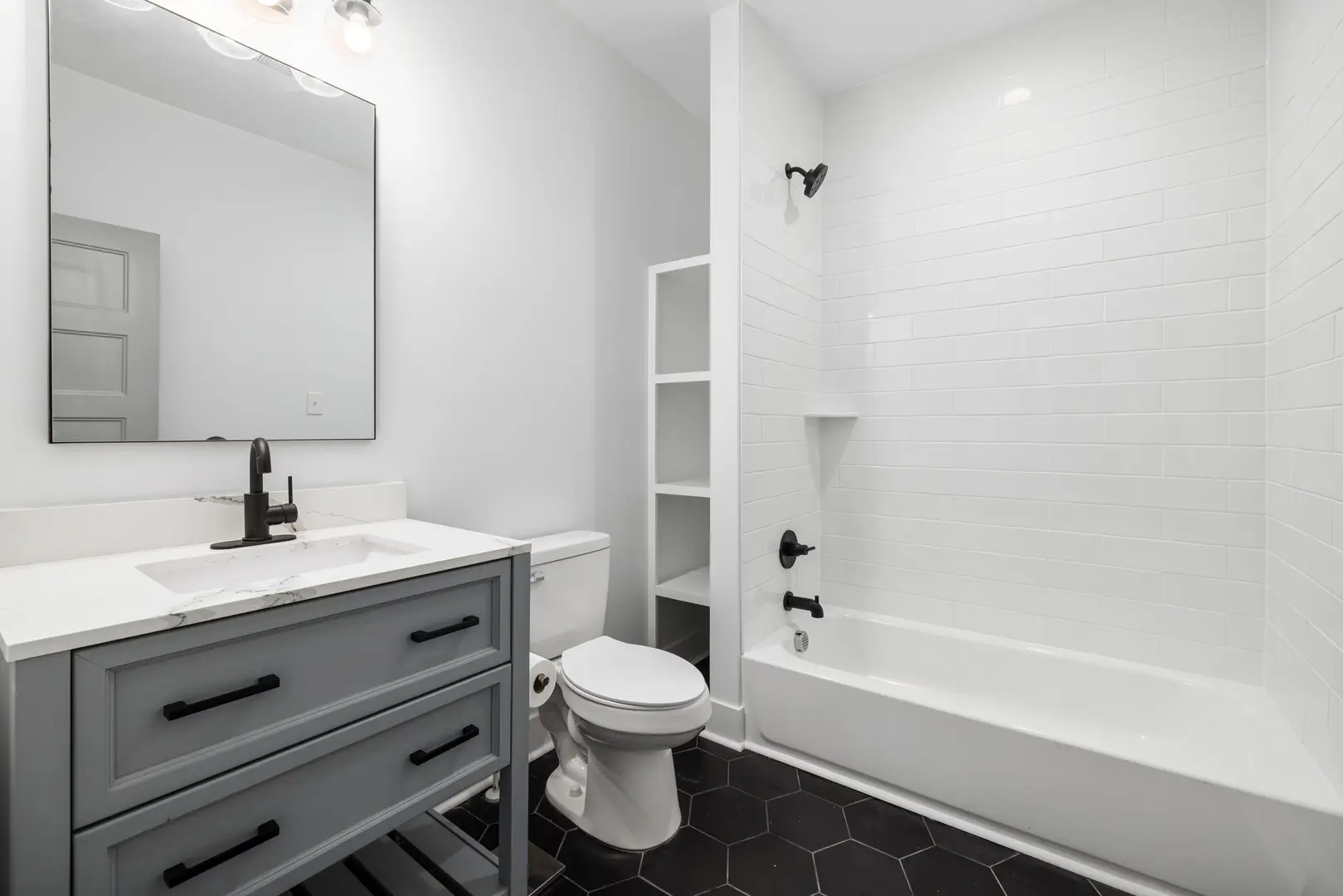
Black bathroom fixtures create a striking look, but watermarks, soap residue, and everyday splashes can make them appear untidy. If you are wondering how to clean black bathroom fixtures without affecting their finish, the safest starting point is usually simple: warm water, mild soap when needed, and a clean, soft cloth.
The correct approach can vary between taps, toilets, showers, and tiles. It may also depend on the fixture’s underlying material and surface finish, so gentle cleaning and regular wiping are preferable to aggressive scrubbing.
Why Black Bathrooms Remain Popular
Black bathrooms continue to appeal to homeowners because they look stylish, sleek, and modern. Black fittings can give an otherwise simple room a strong visual identity, whether they are used throughout the bathroom or added as accents.
Black taps, shower fittings, toilet details, and accessories work particularly well with contemporary interiors. They can complement pale tiles, darker decorative schemes, natural textures, and minimalist layouts. Because the finish is visually distinctive, even a small number of black fixtures can make a bathroom feel carefully coordinated.
The main concern is maintenance. Many people ask whether black bathroom fixtures are hard to keep clean. They are not necessarily difficult to care for, but marks can be noticeable on a dark surface. Dried water droplets, splashes, and residue around frequently handled areas may affect the clean, even appearance.
That does not mean black fixtures require constant deep cleaning. In many cases, a quick wipe with warm water and a soft cloth is enough. The key is to clean gently and regularly rather than allowing buildup to develop and then attempting to remove it with aggressive products.
A simple routine can help:
- Wipe wet fixtures after use when practical.
- Use warm water for light, everyday cleaning.
- Add a small amount of mild soap when water alone is not enough.
- Use only soft cloths on the visible black finish.
- Avoid abrasive tools and harsh cleaning chemicals.
- Remove any cleaning solution completely rather than leaving it to dry.
These habits help preserve the appearance of the fittings while reducing the need for more intensive cleaning.
Cleaning Approaches for Different Black Bathroom Fixtures
Although black bathroom fixtures may share a similar colour, they do not all need exactly the same treatment. A tap is handled frequently and exposed to splashing, while a shower fitting remains in a consistently moisture-prone area. A toilet exterior may collect watermarks and dust, and tiles can have different materials, textures, and finishes.
For that reason, it is helpful to clean each part according to its location and surface rather than treating every black feature in the room identically.
Warm water and a soft cloth are the common starting point for most fixtures. This uncomplicated method is suitable for regular wiping and reduces reliance on stronger products. If the surface needs additional cleaning, warm soapy water may be used where appropriate, followed by complete removal of the soap.
A practical cleaning sequence is:
- Remove loose dust or surface debris with a clean, soft cloth.
- Dampen the cloth with warm water.
- Wipe the fixture gently, paying attention to splash-prone areas.
- If necessary, use warm water with mild soap.
- Wipe again to remove all soap or cleaning residue.
- Finish with a clean, soft cloth so water is not left sitting on the surface.
Avoid assuming that a cleaner used elsewhere in the bathroom is automatically suitable for every black fixture. In particular, a product used on a chrome fitting may not be appropriate for a black surface. When the material or finish is uncertain, keep the method gentle and follow the fixture’s care guidance.
Regular light cleaning is generally more manageable than occasional forceful scrubbing. It also makes it easier to spot areas where water repeatedly gathers, such as around tap bases, shower controls, joints, and edges.
Cleaning Tips by Bathroom Fixture Material
The word “black” describes the fixture’s appearance, not necessarily what it is made from or how the colour has been applied. Two black taps may look similar while having different underlying materials or finishes. Tiles also vary significantly, and their finish can influence the most suitable cleaning method.
Material-specific care matters because an unsuitable cleaner or abrasive tool can contribute to premature wear and a loss of appearance. Before using anything beyond warm water and mild soap, check any available cleaning instructions for the fixture or surface.
The following guide provides a cautious starting point:
| Fixture or surface | Gentle starting method | Main precaution |
|---|---|---|
| Black taps | Soft cloth with warm soapy water | Avoid harsh chemicals and abrasive tools |
| Black toilet exterior | Soft cloth with warm water | Wipe regularly rather than scrubbing buildup |
| Black shower fixtures | Warm water and a soft cloth after use | Do not assume chrome cleaners are suitable |
| Black bathroom tiles | Method chosen for the tile material and finish | Remove all cleaning solution after cleaning |
| Unknown black finish | Warm water and a soft cloth | Confirm the proper care method before using other products |
Regardless of the fixture type, do not use a rough tool merely because a mark is stubborn. Abrasive materials may affect the visible surface rather than just the residue. Repeating a gentle wipe is a safer first response.
It is also sensible to keep cleaning cloths clean. A soft cloth can still drag dirt over a fixture if it already contains debris from another surface. Use a fresh section of the cloth and avoid transferring tile-cleaning mixtures onto taps, shower controls, or other fittings.
When selecting black fixtures for a bathroom, consider their care requirements as well as their appearance. A finish that suits your preferred maintenance routine will be easier to look after over time. Following the care instructions for the specific material can help prevent avoidable wear.
Cleaning a Black Toilet Without Damage
To clean the black exterior of a toilet, begin with warm water and a soft cloth. Wipe the surfaces gently, including areas where splashes and watermarks tend to appear. Regular exterior cleaning helps prevent visible marks and residue from accumulating.
A straightforward routine is:
- Dampen a clean, soft cloth with warm water.
- Wipe the toilet exterior gently from top to bottom.
- Pay attention to edges, joins, and other areas where moisture may remain.
- Rinse or change the cloth if it becomes dirty.
- Wipe away remaining moisture with a clean, soft cloth.
Avoid abrasive items and harsh chemicals on the black exterior. Forceful scrubbing is not the safest answer to dried marks, especially when the exact finish is unknown. Instead, wipe the area regularly so residue has less opportunity to build up.
The exterior should not be overlooked just because the toilet receives routine internal cleaning. These are separate surfaces with different cleaning needs. A product intended for the inside of a toilet should not automatically be used on its black exterior.
Frequent, gentle wiping can make maintenance easier. It takes less effort to remove fresh splashes than to deal with layers of residue later, and it reduces the temptation to reach for an abrasive pad or powerful chemical.
A Simple Way to Clean Black Bathroom Taps
Black taps are exposed to water whenever the basin or bath is used. They are also touched frequently, so regular wiping is one of the easiest ways to keep them looking neat.
Use a soft cloth with warm soapy water:
- Add a small amount of mild soap to warm water.
- Dampen a clean, soft cloth rather than soaking the tap.
- Wipe the tap body, handle, spout, and base gently.
- Go over the surface again with a cloth dampened with clean water.
- Remove remaining moisture with a clean, soft cloth.
The final wipe is important because it removes both water and traces of soap. Allowing either to remain on the surface can leave visible marks.
Do not use harsh chemicals or abrasive cleaning items on black taps. Even if a stronger product is part of your normal bathroom routine, it may not be suitable for the tap’s particular finish.
For convenience, keep a dedicated soft cloth somewhere close to the basin or bath. A quick wipe after splashing takes only a short time and can reduce watermarks before they become more noticeable. The cloth should be stored where it can dry between uses and replaced with a clean one when needed.
Pay particular attention to the base of the tap and the areas around handles. These are easy to miss during a quick basin clean, yet they are common places for water to remain. Gentle but consistent cleaning is preferable to waiting until visible buildup requires more attention.
Keeping Black Shower Fixtures Free of Buildup
Shower fixtures are especially exposed to moisture. Water can remain around controls, joints, edges, and fittings after the shower has been used, making regular wiping particularly useful.
After use, wipe black shower fixtures with warm water and a soft cloth. This can be incorporated into the normal post-shower routine:
- Wipe the shower control and handles.
- Clean around the edges and bases of fittings.
- Remove visible residue from the showerhead and connected parts.
- Use a clean, soft cloth to remove remaining moisture.
This routine focuses on preventing buildup rather than trying to remove it after it becomes established. It also helps maintain a more even-looking finish between full bathroom cleans.
Do not assume that chemicals suitable for chrome shower fittings are suitable for black ones. The two finishes may have different care needs, even when the fixtures have similar shapes or functions. If a product’s suitability is uncertain, use warm water and a soft cloth and consult the relevant care instructions before applying it.
Avoid scrubbing black shower fittings with rough pads or brushes. If warm water does not remove a mark during the first wipe, repeat the gentle process rather than immediately moving to an abrasive method.
It may help to keep a separate cloth specifically for shower fixtures. This prevents residues from tile-cleaning mixtures or other bathroom products from being transferred to the fittings. Rinse the cloth thoroughly and allow it to dry after use.
Cleaning Black Bathroom Tiles by Material and Finish
Black bathroom tiles should be cleaned according to their material and finish. A method that works for one tiled surface may not be appropriate for another, so check the tile care guidance before using a cleaning mixture.
For routine maintenance, begin with water and a soft cloth or another non-abrasive cleaning tool suitable for the tile. Wipe away splashes and surface dirt, then remove excess moisture. Regular cleaning can prevent marks from becoming more difficult to address.
A paste made with vinegar and bicarbonate of soda is one possible option for suitable black tiles. However, it should not be treated as a universal solution. Confirm that the tile material and finish can be cleaned this way before applying it.
Where the mixture is appropriate:
- Combine vinegar and bicarbonate of soda to form a paste.
- Apply it only to the area that needs cleaning.
- Wipe the area gently without using an abrasive tool.
- Remove the mixture thoroughly.
- Rinse or wipe the surface again until no cleaning residue remains.
- Finish by removing excess moisture.
Complete removal is essential. Do not leave traces of the paste sitting on the tile, in textured areas, or along edges. Use a clean cloth and repeat the rinse or wipe as necessary.
Keep tile-cleaning mixtures away from nearby taps, shower controls, and other black fittings unless their care guidance confirms compatibility. A product or homemade mixture that is acceptable for a tile is not automatically safe for a coated fixture.
Ultimately, the safest approach to cleaning black bathroom fixtures is consistent and uncomplicated: use warm water, choose soft cloths, clean according to the specific material, and avoid harsh or abrasive methods. Regular wiping helps control watermarks and buildup while preserving the sleek appearance that makes black bathrooms so popular.