How to Clean a Dirty Bathtub Without Scratching It
A dirty bathtub is safest to clean by softening the buildup first, then lifting it with a mild, non-abrasive cleaner and a soft cloth or sponge. Do not begin with a scouring pad, steel wool, powdered cleanser, or aggressive scraping. Those tools can dull or scratch acrylic, fiberglass, enamel, and refinished surfaces.
Before cleaning, identify the tub material if possible and check the manufacturer’s care instructions. Acrylic and fiberglass need especially gentle treatment. Porcelain enamel is harder, but its surface can still be chipped, dulled, or damaged by incorrect products. A refinished tub may have a coating that requires more specific care.
What you need
- Mild liquid soap or a cleaner labeled non-abrasive and suitable for your tub surface
- Warm water
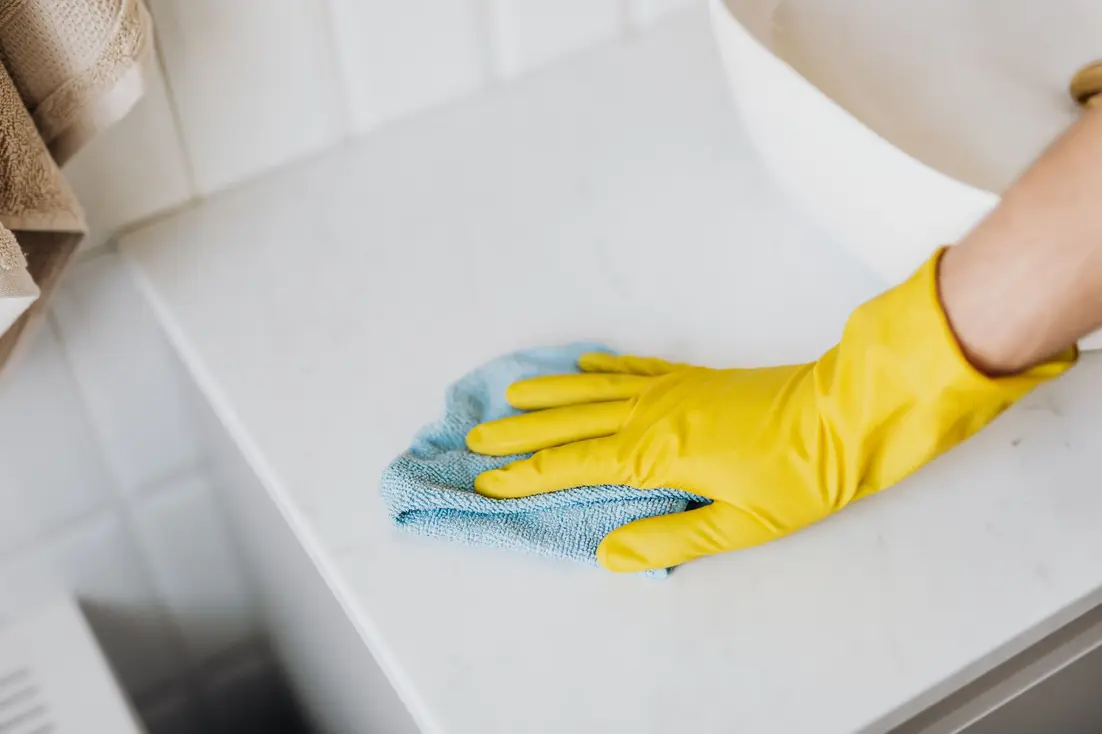
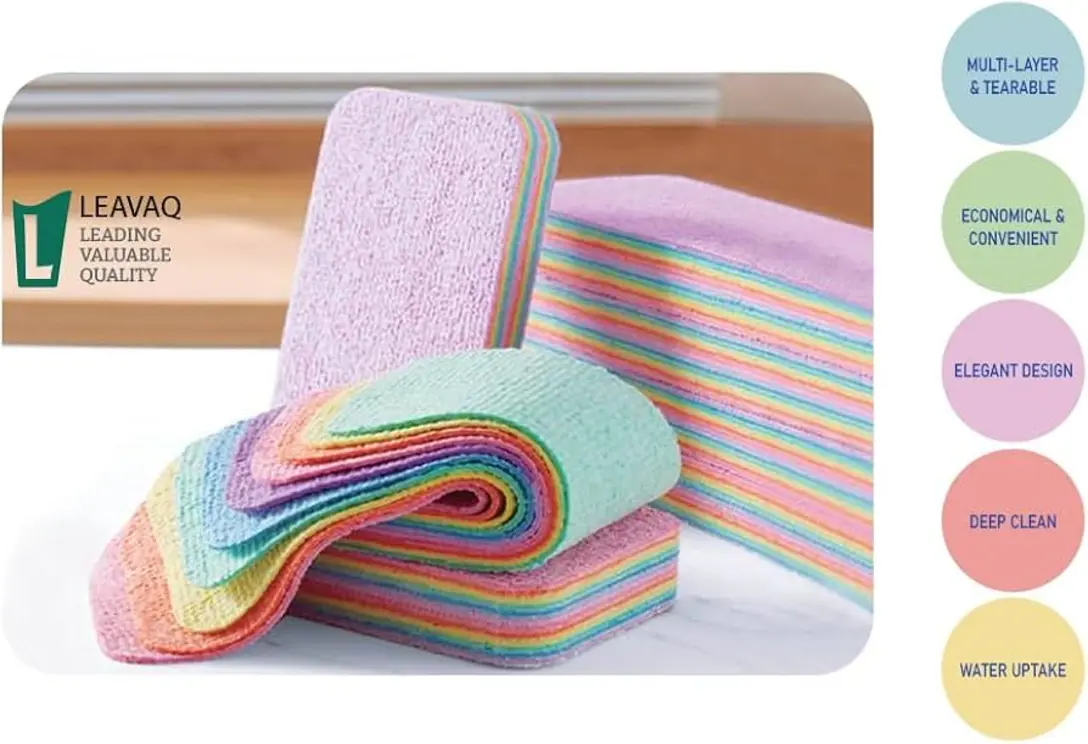
- A microfiber cloth or soft sponge
- A soft-bristle brush for seams and around fixtures
- Clean towels
- Gloves and ventilation if the cleaner’s label calls for them
Source: m.media-amazon
Use a fresh or clean tool. Grit trapped in an old sponge can scratch a surface even when the sponge itself feels soft.
How to clean a dirty bathtub without scratching it
1. Clear and rinse the tub
Remove bottles, bath mats, drain covers, and loose debris. Pull out hair from the drain rather than pushing it farther into the pipe. Rinse the tub with warm water to remove loose grit and soften surface residue.
Do not start dry scrubbing. Dry dirt and mineral particles can act like sand between the cleaning tool and the finish.
2. Identify the likely surface
Look for installation documents, care labels, or the tub manufacturer’s instructions. If those are unavailable, treat the surface as delicate until you know more.
- Acrylic: Smooth, lightweight, and often glossy. It can scratch or become dull from abrasive cleaners and rough pads.
- Fiberglass: Usually has a gel-coated surface and also needs a soft cloth, sponge, or soft brush.
- Porcelain enamel: Often feels hard and glass-like. It may tolerate products that are unsuitable for plastic surfaces, but avoid testing an unfamiliar cleaner in a visible area.
- Refinished or reglazed: The new coating may be more vulnerable than the original tub material. Follow the refinishing company’s instructions when available.
When in doubt, use the gentlest approach: warm water, a mild non-abrasive cleaner, and a soft tool.
3. Apply a mild cleaner and let it soften the grime
Spread a small amount of a suitable liquid cleaner over one manageable section. Follow the product label for use and rinsing instructions. Give the cleaner time to loosen soap film and body-oil residue instead of immediately applying force.
For a homemade approach, mild liquid soap diluted with water can be a conservative starting point. A cleaner recommended for acrylic, fiberglass, or your specific tub finish is usually easier to evaluate because its label states the surfaces it is intended for.
Avoid mixing cleaning products. In particular, do not combine bleach with other cleaners. If you change products, rinse the tub thoroughly first and follow the labels.
4. Work in small sections with light pressure
Use a microfiber cloth or a non-scratch sponge. Move in overlapping circles or short strokes, using only enough pressure to lift the softened residue. Rinse the cloth or sponge often so it does not spread loosened grime back across the tub.
For corners, around the drain, and along the edge of the tub, use a soft-bristle brush or an old soft toothbrush. Keep the brush away from caulk if the bristles begin to pull or damage it.
If a mark does not improve with light cleaning, do not automatically scrub harder. Apply another round of the mild cleaner after rinsing, or move to a product specifically approved for the surface.
5. Rinse completely
Rinse away all cleaner and loosened residue with clean water. Cleaner left on the surface can leave a film that looks like dullness or new buildup.
Pay attention to the corners, the overflow cover, the drain area, and the seam where the tub meets the wall. If the cleaner’s instructions require a particular rinsing method, follow those directions.
6. Dry the surface
Wipe the tub with a clean, dry towel. Drying removes remaining moisture and makes it easier to see whether the mark is still present. It also helps separate a remaining stain from a haze or residue left by the cleaning product.
Which bathtub cleaning products and tools should you avoid?
The safest rule is to avoid anything abrasive unless the tub manufacturer specifically says it is suitable. Common problem items include:
- Steel wool and metal scrubbers
- Rough scouring pads
- Pumice stones
- Scouring powders
- Abrasive cleaning pastes
- Razor blades and metal scrapers
- Hard-bristle brushes
- Strong solvents or harsh chemicals not approved for the surface
A product marketed for one tub material may be unsuitable for another. For example, a method that is acceptable for some porcelain enamel surfaces may scratch acrylic or fiberglass. Check the label for both the product’s warnings and the surfaces it is designed to clean.
Be cautious with baking soda, salt, and similar powders. They are often described as gentle, but they still provide physical abrasion. They may be inappropriate for a glossy acrylic, fiberglass, or refinished finish, particularly when rubbed with pressure. Use them only when the tub manufacturer or finish-care instructions permit them.
Vinegar is also not a universal bathtub cleaner. It may be unsuitable for some finishes, coatings, fixtures, or surrounding materials. Check the manufacturer’s instructions before using it, and never mix it with bleach or other cleaners.
How to handle stubborn soap scum and grime
Heavy buildup usually responds better to repeated gentle cleaning than to one forceful session. Try this sequence:
- Rinse away loose grit.
- Apply a compatible non-abrasive cleaner.
- Allow it to soften the residue according to the label.
- Wipe with a soft cloth or sponge.
- Rinse and inspect the area.
- Repeat only if the surface is not being damaged and the product instructions allow it.
For a thick ring around the waterline, work on a small test area first. If the surface becomes hazy, changes color, feels rough, or shows new marks, stop and rinse it.
Hard-water deposits may need a mineral-deposit product, but the product must be approved for the tub finish. Acidic cleaners can damage some materials and nearby metal, stone, grout, or refinished coatings. Do not assume that a product is safe because it removes mineral scale effectively.
When the remaining mark is not removable dirt
Stop scrubbing when cleaning no longer changes the mark or when the surface itself looks different. The remaining problem may be:
- A scratch or scuff
- Permanent discoloration
- A dull or etched area
- A damaged refinishing coat
- Rust or metal transfer
- A chip or crack in enamel
- A stain that has penetrated or altered the finish
Scratches can trap dirt, making the tub seem dirty even after it has been cleaned. More abrasive scrubbing may make the damage larger and more visible. Do not use an acrylic repair kit, polishing compound, or refinishing product unless it is intended for that exact surface and you understand the manufacturer’s directions. For significant coating damage, chips, cracks, or uncertainty about the material, ask the tub manufacturer or a qualified repair professional for the appropriate next step.
A simple maintenance routine
After bathing, rinse away soap and loose residue. When practical, wipe the wet surfaces with a soft cloth or squeegee that is safe for the finish. Keep bottles from sitting in puddles, and clean small areas before buildup becomes thick.
Regular light cleaning is easier on a bathtub than occasional aggressive scrubbing. The goal is not to make the strongest cleaner or roughest pad do the work. It is to soften the residue, lift it with a compatible product, rinse thoroughly, and stop before a removable cleaning problem becomes permanent surface damage.
References
- How to Clean an Acrylic Tub Without Scratching: Step-by-Step Guide – Aquatica Baths USA - Premium Bathtubs. (n.d.). https://aquaticausa.com/blogs/aquatica/how-to-clean-an-acrylic-tub-without-scratching-step-by-step-guide
- How To Clean An Acrylic Tub Without Scratching: Safe Methods – PlasticRanger. (n.d.). https://plasticranger.com/how-to-clean-an-acrylic-tub-without-scratching
- Cleaning an acrylic bathtub: Spalina’s tips. (n.d.). https://spalina.com/blogs/news/comment-nettoyer-une-baignoire-acrylique
- Cleaning an acrylic bathtub: Spalina’s tips. (n.d.). https://spalina.com/de/blogs/news/comment-nettoyer-une-baignoire-acrylique
- How to clean a bathtub | 21Oak. (n.d.). https://www.21oak.com/hacks-how-tos/how-to-clean-a-bathtub
- DIY Cleaning Methods for Bathtub – E-Cloth USA. (n.d.). https://us.e-cloth.com/blogs/diy-methods/bathtub
- Cleaning & Refinishing: How To Care For Every Type Of Bathtub. (n.d.). https://toddsbathtubs.com/cleaning-refinishing-different-types-tubs
- How to Clean a Bathtub. (n.d.). https://howcast.com/videos/315-how-to-clean-a-bathtub