How to Clean Sliding Shower Door Tracks
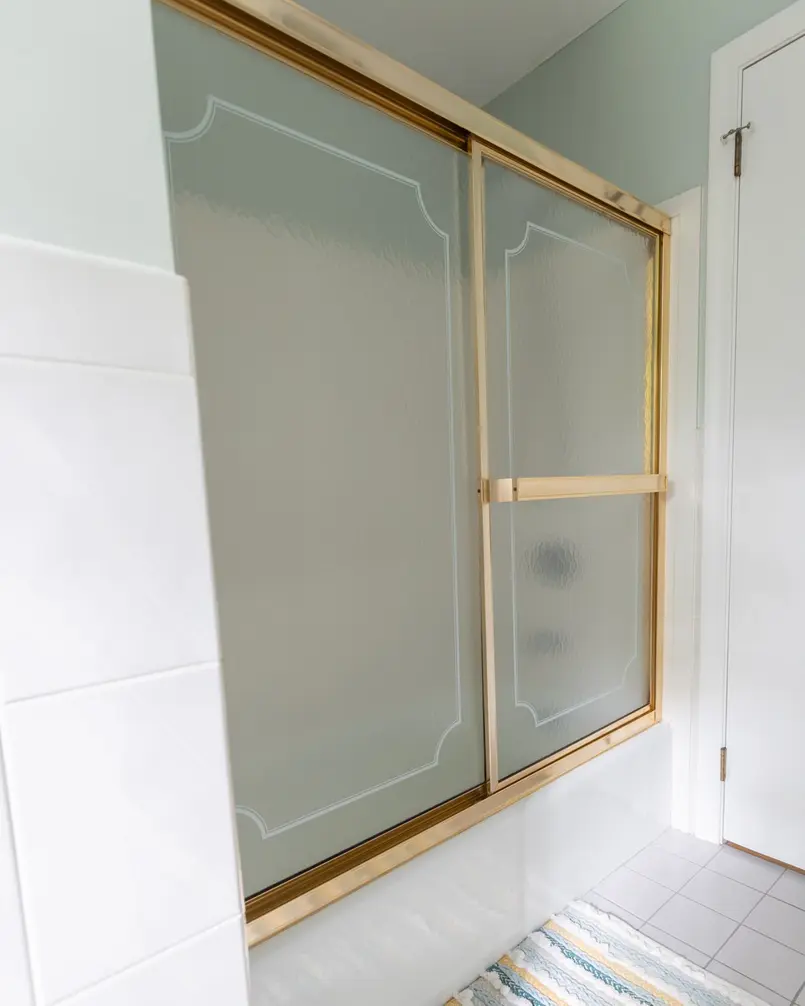
Sliding shower door tracks clean up best when you work in layers: remove dry hair and grit first, wash away soap residue, treat mineral crust only where needed, then rinse and dry the channel. Avoid flooding the track with cleaner or forcing sharp tools around rollers, seals, and drain openings.
If water sits in the bottom channel or the doors drag, clean the visible track and check its small drainage openings, often called weep holes. Clearing these holes lets water drain back into the shower instead of becoming a grimy, mildew-prone puddle.
What you need
Gather a few small, gentle tools rather than trying to reach everything with one large brush:
- Vacuum with a crevice tool, or a dry microfiber cloth
- Microfiber cloths or paper towels
- Warm water and a few drops of dish soap
- Small soft brush, old soft toothbrush, or narrow cleaning brush
- Cotton swabs or a folded corner of a cloth
- Spray bottle or squeeze bottle for controlled rinsing
- White vinegar for mineral buildup, if it is suitable for your door and track materials
- A wooden toothpick, plastic pick, or soft pipe cleaner for drain holes
- Gloves if you are cleaning visible mildew
Check the shower door maker’s care directions first if you have a coated glass door, a specialty metal finish, or an unfamiliar track material. Do not use steel wool, abrasive powder, razor blades, or aggressive scouring pads on the track. They can scratch metal, dull a finish, damage seals, or leave rough spots that collect more residue.
How to clean shower door tracks step by step
1. Start with a dry track
Slide the doors apart so you can reach as much of the channel as possible. If the doors can be safely lifted or removed according to the manufacturer’s instructions, that may improve access, but it is not necessary for routine cleaning.
Vacuum loose hair, dust, sand-like grit, and dried flakes from the track. If a vacuum does not fit, use a dry microfiber cloth, a soft brush, or a folded paper towel. Starting dry matters because wet grit can turn into a paste that is harder to wipe out and may scratch the track when scrubbed.
Pay attention to the corners, the area behind the door overlap, and the narrow grooves where the rollers travel.
2. Loosen soap scum with mild soapy water
Mix warm water with a small amount of dish soap. Dampen a cloth or small brush; it should be wet enough to clean but not dripping. Wipe the full length of each channel, then scrub the corners and raised edges with the soft brush.
For stubborn gray or brown grime, lay a damp soapy cloth along the affected area for several minutes before brushing. This gives residue time to soften and reduces the urge to scrub hard.
Wipe the loosened soil out with a clean cloth. Rinse the cloth frequently so you are lifting grime away rather than moving it from one end of the track to the other.
3. Treat mineral buildup separately
White, chalky, or crusty deposits are often mineral residue left behind as water evaporates. Soap alone may not remove them.
If vinegar is appropriate for your shower door materials, dampen a cloth with a mixture of equal parts white vinegar and water. Press it onto the mineral spots for a short time, then gently scrub with a soft brush. Use a small amount and keep it inside the track rather than spraying the entire door assembly.
Wipe away the dissolved residue and rinse with a cloth dampened in plain water. Dry the track afterward. Do not mix vinegar with bleach or any other cleaner.
Skip vinegar if your door manufacturer advises against acidic cleaners, or if it could contact natural stone surrounding the shower. In that case, use a cleaner specifically labeled safe for the nearby surfaces and the shower door finish, following its directions.
4. Clean mold or mildew from the shower door tracks
Dark specks, pink film, or a musty-smelling buildup usually develops where moisture and body-care residue stay trapped. For light surface growth on a hard, nonporous track, scrub thoroughly with warm water and detergent, then wipe and dry the area completely.
Wear gloves if the buildup is unpleasant to handle, and keep the bathroom ventilated. Use a separate cloth for the dirty work rather than returning the same cloth to your regular bathroom-cleaning supplies.
Do not assume a stronger chemical is automatically the better answer. A cleaner will not prevent regrowth if water remains trapped in the track. The essential follow-up is to clear drainage, remove residue, and dry the channel.
If the affected area is extensive, keeps returning quickly, appears to be behind inaccessible seals or wall materials, or is connected to an ongoing leak, cleaning the visible track may not solve the underlying moisture problem. Address the moisture source or seek qualified help as appropriate.
5. Unclog shower door track drain holes
Bottom tracks often have small drainage holes that direct water from the channel back toward the shower. When hair, soap residue, or mineral scale blocks them, water can stand in the track and spill toward the bathroom side.
Look along the inner side and bottom of the track for small openings. Their placement varies by door design, so inspect both ends and the center sections. Use a wooden toothpick, plastic pick, or soft pipe cleaner to gently loosen visible debris. Avoid metal picks, drill bits, or forceful poking, which can enlarge an opening, damage a finish, or disturb parts inside the frame.
After loosening debris, wipe it away and test the opening with a small trickle of clean water. Use a squeeze bottle or a damp cloth rather than dumping a cup of water into the channel. The water should move through the opening and return to the shower side.
If the hole remains blocked, repeat with warm soapy water and a soft tool. Do not dismantle the frame or remove screws unless the door manufacturer provides instructions for that task. Track assemblies can support glass panels, rollers, guides, and seals that need to be reinstalled correctly.
6. Rinse lightly and dry thoroughly
Wipe the track with a clean cloth dampened in plain water to remove cleaner residue. Then use a dry microfiber cloth or paper towel to absorb water from every groove, corner, and drain area.
Move the doors back and forth gently after cleaning. They should glide without grit or sticky residue. If they still catch, look for a missed clump of debris in the roller path, a bent track, worn roller hardware, or a damaged guide. Cleaning can improve movement when dirt is the cause, but it will not correct worn or misaligned hardware.
What not to do when cleaning a sliding door track
A few common shortcuts can create more work or damage parts that are difficult to replace:
- Do not pour large amounts of water into the track. It can overflow onto the bathroom floor if drain holes are blocked.
- Do not scrape crust with a knife, razor, screwdriver, or other metal edge.
- Do not use abrasive pads or gritty cleaners on metal frames, coated glass, or plastic guides.
- Do not spray cleaner directly into roller housings or under seals where it is difficult to rinse and dry.
- Do not combine cleaning products. In particular, never mix bleach with vinegar, ammonia, or other cleaners.
- Do not force a dragging door. Stop and inspect for obstruction or damaged hardware.
A simple routine to keep tracks cleaner
The most useful prevention habit is removing standing water before it dries into residue. After showering, run a small towel, microfiber cloth, or squeegee along the bottom track and door edge. This takes only a moment and reduces the water that can feed mildew or leave minerals behind.
Once a week, wipe the track with a damp cloth to collect hair and soap film before it compacts in the corners. Once a month, inspect the drain holes and clear visible debris. If you have hard water, wipe the track dry more often and spot-treat mineral buildup before it turns into a thick crust.
Also make sure the shower curtain, bath mat, or towels near the enclosure are not blocking water flow or keeping the area damp. Good bathroom ventilation helps the track dry between uses.
When cleaning is not enough
A clean track should not hold water for long after a shower, leak repeatedly onto the bathroom floor, or make the doors grind or jump. If it does, the issue may be more than grime.
Look for damaged seals, a warped or corroded track, loose guides, worn rollers, or a door that no longer sits squarely in the frame. Recurrent water outside the shower can also point to a door alignment or sealing problem. Clean the track first so the parts are easier to inspect, then follow the door manufacturer’s service guidance or arrange a repair if hardware appears damaged.
References
- How To Easily Clean And Maintain Shower Door Tracks. (n.d.). https://cascademaids.com/how-to-clean-shower-door-tracks
- How to Clean Shower Door Tracks Without Making a Bigger …. (n.d.). https://www.eco-cln.com/2026/08/27/how-to-clean-shower-door-tracks-without-making-bigger-mess
- How to Clean Shower Door Bottom Tracks. (n.d.). https://sunnyshowerusainc.com/blogs/sunny-shower/how-to-clean-shower-door-bottom-tracks
- How to clean shower door tracks?. (n.d.). https://www.facebook.com/groups/951126225499216/posts/1811131649498665
- Best way to clean neglected shower tracks with mildew. (n.d.). https://www.reddit.com/r/CleaningTips/comments/16680wv/best_way_to_clean_neglected_shower_tracks_with
- Cleaning under sliding shower door tracks? - iRV2 Forums. (n.d.). https://www.irv2.com/threads/cleaning-under-sliding-shower-door-tracks.1858043
- Cleaning Moldy Non-Porous and Semi-Porous Materials. (n.d.). https://epi.dph.ncdhhs.gov/oee/mold/nonporous.html
- EPA Mold Guidelines, in Plain English | Mold Eliminators. (n.d.). https://lasvegasmold.com/epa-mold-guidelines