Design Inspiration for Country and Cottage Style Bathrooms
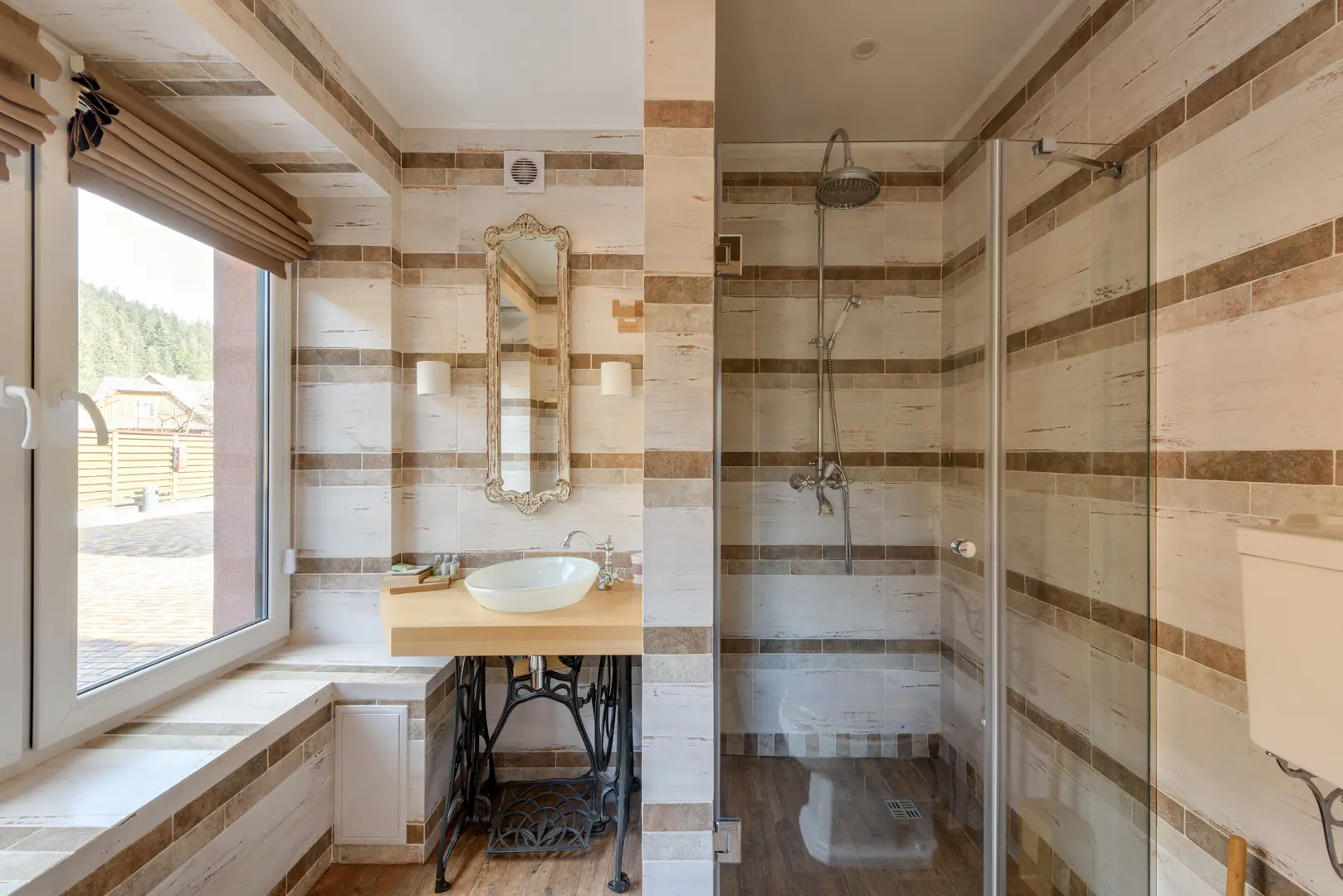
Country and cottage style bathrooms combine traditional forms, natural-looking materials, and practical modern features. The result should feel warm, relaxed, and collected rather than overly coordinated. Whether you are renovating a period property or bringing rustic character to a newer home, the walls, flooring, fittings, and furniture all contribute to the finished look.
Country-Inspired Wall Ideas
Walls establish the atmosphere of a cottage bathroom. Timber effects, painted finishes, rustic panels, and carefully chosen wallpaper can all work, depending on how much pattern and texture you want.
For a restrained scheme, use a light wall color and introduce character through wooden furniture or traditional fittings. For a more rustic result, make panelling or a wood-inspired feature wall the focal point. Combining finishes can also be effective: painted walls above panelling, for example, create interest without making the room feel busy.
Using Wood for Traditional Character
Wood brings natural warmth and traditional character to a bathroom. Its grain, knots, and variation complement pedestal basins, classic taps, and freestanding baths particularly well.
Real timber is not the only route to this appearance. Wood-effect panels and imitation finishes can create a similar impression with simpler installation and care. They are useful when you want the visual depth of timber without covering every wall in natural wood.
Keep the finish consistent with the wider room. Pale or gently weathered effects suit light cottage interiors, while richer wood tones create a more established country-house feel. A small bathroom may only need one wood-inspired surface to gain warmth and texture.
Add Rustic Appeal with Wall Panels
Wall panels are an accessible way to introduce a wood effect. They can define the lower half of a wall, frame the bath, or form a full-height feature behind a vanity unit. This makes it possible to add rustic detail without allowing it to dominate the entire bathroom.
An oak-effect finish is suitable for strengthening a country theme. Pair it with warm white paint, ceramic tap details, and wooden storage for a coordinated interior. Alternatively, balance stronger oak tones with simple flooring and understated accessories.
When planning panel placement, consider the room as a whole. Repeating the same effect on too many surfaces may feel heavy. One or two thoughtfully selected areas provide enough country character.
Keep the Walls Simple with Paint
Paint creates a clean, minimalistic finish and provides a calm background for more decorative fittings. Light tones suit cottage styling because they keep the room fresh while allowing wood grain, metal finishes, and traditional shapes to stand out.
Suitable color directions include:
- Soft white for a simple, timeless backdrop
- Warm cream for a cosy country appearance
- Pale grey for a slightly more contemporary cottage scheme
- Gentle green or blue for subtle natural color
Paint can also be combined with wall panels. A light painted upper wall placed above oak-effect or painted panelling offers a balanced look with enough detail to feel traditional. Before decorating, select a paint intended for bathrooms and follow its application guidance.
Choosing the Right Wallpaper for Your Cottage Bathroom
Wallpaper can introduce florals, botanical motifs, checks, or small repeating patterns, but an unsuitable design may cause visual and practical frustration. A pattern that looks charming on a sample can become overpowering across a whole wall, while a product not intended for bathroom conditions may be difficult to maintain.
To avoid common mistakes:
- Choose wallpaper suitable for bathroom use. Read the product information.
- Consider its position. Wallpaper is better reserved for areas away from direct splashes unless specifically suitable for that setting.
- Test the scale of the pattern. View a large sample in the room.
- Check colors in the bathroom light. Warm and cool lighting can change how the pattern appears.
- Avoid competing features. If the wallpaper is detailed, keep nearby tiles, panels, and accessories simple.
- Plan pattern placement. Think about where prominent motifs will fall around mirrors, windows, and fittings.
For an understated cottage look, use wallpaper on one wall or above half-height panelling. This adds personality while preserving a relaxed, welcoming atmosphere.
Flooring Choices for Cottage Bathrooms
Cottage flooring should support the room’s rustic character while remaining practical. Wood is visually associated with country interiors, but wood-look vinyl and wood-effect tiles provide alternative ways to achieve this.
Consider how the floor will relate to walls and furniture. A pronounced grain can anchor a pale room, while a softer design works well where wallpaper or panelling already provides detail.
Choose Wood-Look Vinyl Flooring
Wood-look vinyl recreates the color and grain of timber without requiring a genuine wooden floor. It is available in many designs, making it easier to find an effect that suits a light cottage bathroom or a deeper, traditional scheme.
Pale designs can make a compact room appear calmer. Mid-tone oak effects create warmth without feeling too formal, while darker finishes provide stronger contrast with painted furniture and light walls.
Compare samples in the bathroom before deciding. The apparent tone can change beside wall paint, tiles, and wooden units, so assess all the finishes together.
Consider Wood-Effect Floor Tiles
Wood-effect tiles combine a timber-inspired appearance with the practicality of tiled flooring. Designs can reproduce plank shapes and varied tones, suggesting wood while remaining visually consistent with the room.
They are also compatible with many underfloor heating systems, combining country styling with modern comfort. Always check that the chosen tile, installation materials, and heating system are suitable for use together.
For a convincing result, choose a design that does not compete with nearby wood furniture. Similar undertones can create harmony, but an exact match is unnecessary. Slight variation often helps a cottage bathroom feel naturally assembled.
Traditional Tap Designs
Taps may be small elements, but their handles, spouts, and finishes influence the room’s character. Elegant designs with traditional proportions are available for basins, baths, and freestanding installations, so tap style can remain consistent throughout the bathroom.
Chrome offers a familiar and versatile appearance, while other finishes can create a stronger decorative statement. Whatever finish you choose, repeating it across taps and fittings helps the design feel intentional.
Basin Tap Styles for a Period Look
Cross-head and lever handles are effective choices for a period-inspired basin. Cross-head taps have a traditional form and work well with pedestal basins. Lever handles offer a simpler profile while still complementing a country scheme.
Ceramic details can strengthen the period styling. White ceramic indices or handles echo the basin and introduce a refined finishing touch.
The basin configuration will guide tap selection. Separate hot and cold taps suit a basin with two tap holes, while a single mixer is for a one-hole arrangement. Confirm the basin format before choosing fittings.
Elegant Taps for Freestanding Baths
Freestanding bath taps create an opulent focal point, reinforcing the sense that the bath is special. Their height and form make them prominent, so design should coordinate closely with basin taps.
Traditional shapes, curved spouts, and ceramic handle details work well in country and cottage bathrooms. A hand shower can also be part of the design, provided its shape and finish support the same theme.
Because freestanding taps are visually exposed, consider their position from different viewpoints. They should look balanced with the bath rather than appearing disconnected.
Basin Designs for a Country Bathroom
Country bathrooms can accommodate several basin styles. Wall-hung basins offer a simple, open appearance, pedestal models provide classic familiarity, and vanity units combine a basin with storage.
The right choice depends on the desired balance between visual character and organization. A compact wall-hung design may keep a small room open, while a substantial vanity can bring warmth and hide everyday items.
Classic Pedestal Basin Options
The pedestal basin is a popular classical design because of its shape and appearance. It works well with traditional taps and can suit bathrooms ranging from simple cottages to formal country interiors.
Models are available with single- and double-tap-hole configurations. A single tap hole supports a mixer, while two holes allow separate hot and cold taps. Choose the format as part of the overall design rather than treating taps as an afterthought.
To complete the look, place a traditionally styled mirror or wall light above the basin. Keep surrounding accessories limited so the elegant outline of the pedestal remains visible.
Bring Warmth with a Vanity Unit
A wood vanity unit introduces warmth, storage and a rustic feature. Depending on the finish, it can resemble a traditional cabinet, a painted country cupboard or a simple timber console.
Traditional vanity styles range from compact units to larger designs with drawers, doors, and generous worktop space. Details such as framed fronts, classic handles and visible wood grain help support the cottage theme.
The unit does not need to match the floor exactly. Instead, coordinate their undertones and use the wall color to create separation. For example, a warm wood vanity stands out attractively against soft white or muted green walls.
Furniture with Rustic Traditional Detail
Wooden furniture helps create the layered, welcoming atmosphere of rustic bathrooms. Vanity units, tall cupboards, wall cabinets, and small storage pieces can all contribute, particularly when they include traditional detailing.
Look for features such as framed doors, simple metal handles, turned elements, or painted finishes. Avoid mixing too many unrelated furniture styles. A few pieces sharing similar proportions or finishes will create a coherent room.
Furniture should also earn its place by providing storage. Cottage character is easier to appreciate when practical items are organized rather than spread across the basin, bath edge, and windowsill.
Top Tips for Decluttering Cottage Style Bathrooms
Cottage decoration can feel cluttered if every surface holds toiletries or accessories. Good storage allows decorative details to remain visible and makes the bathroom more welcoming.
- Give daily items a dedicated place. Keep frequently used products in the top drawer, a cabinet, or a small container.
- Group similar products together. Separate hair care, bathing supplies, and cleaning items.
- Use closed storage for visual calm. Vanity cupboards and cabinets conceal packaging that does not suit the room.
- Reserve open shelves for attractive pieces. Folded towels, a small plant, or a simple container will have more impact than a crowded display.
- Remove duplicates and empty containers regularly. This prevents storage areas from becoming difficult to use.
- Keep the basin and bath edges mostly clear. Limiting items on these surfaces makes the room feel orderly.
- Choose storage with traditional detail. Wooden boxes, painted cabinets, and woven-style containers can organize essentials while contributing to the cottage look.
Aim for comfort rather than minimalism. A cottage bathroom can include personal and decorative objects, but each should have space to be appreciated.
Bath Styles with Cottage Character
A range of bath designs can work in a country setting, from compact fitted models to freestanding centrepieces. The best choice will reflect the room’s size, layout, and desired level of traditional detail.
Freestanding baths offer the most obvious character, while single-ended fitted baths can be integrated into a cottage scheme through a customized panel and selected taps.
Make a Statement with a Freestanding Bath
A freestanding bath is a center of attention that immediately gives the bathroom a sense of occasion. Position permitting, leaving space around it emphasizes its shape and separates it from fitted furniture.
Double-ended designs are particularly effective for a country-inspired feel. Their balanced profile creates an elegant focal point and pairs well with freestanding or centrally positioned taps.
Use the surrounding finishes to frame the bath. Painted walls create a clean backdrop, while panelling or wallpaper adds texture. Avoid placing too many decorative objects nearby, as the bath itself should remain the main feature.
Style a Single-Ended Bath
A single-ended bath provides an adaptable alternative, especially where the layout calls for installation against a wall. Its panel offers an opportunity to connect the bath with the rest of the cottage-inspired decor.
Possible approaches include:
- A painted panel coordinated with walls or vanity
- A panel with framed traditional detailing
- A wood-effect finish echoing nearby furniture
- A simple light-colored panel for a quieter scheme
The panel, taps, and surrounding wall treatment should look like parts of the same design. If the bathroom already includes strong wood grain or patterned wallpaper, a plain panel can provide balance. In a simpler room, traditional detailing can give the bath more presence.
Heating That Blends Warmth and Tradition
Traditional radiators provide both physical warmth and visual character. Column-inspired shapes and classic detailing complement pedestal basins, freestanding baths, and wooden furniture, helping functional heating become part of the room’s design.
Classic styling does not require outdated performance. Modern heating technology is available in traditionally influenced forms, allowing the bathroom to combine contemporary comfort with a period appearance. Select a design and finish that relate to the taps and furniture, then ensure the heating specification is appropriate for the room and installation.
By coordinating the radiator with the wider palette, it can blend quietly into painted walls or become a deliberate feature. This layer of warmth helps country and cottage style bathrooms feel comfortable, cohesive, and inviting.