Dark Tiles vs Light Tiles: Choosing the Right Option for Your Bathroom
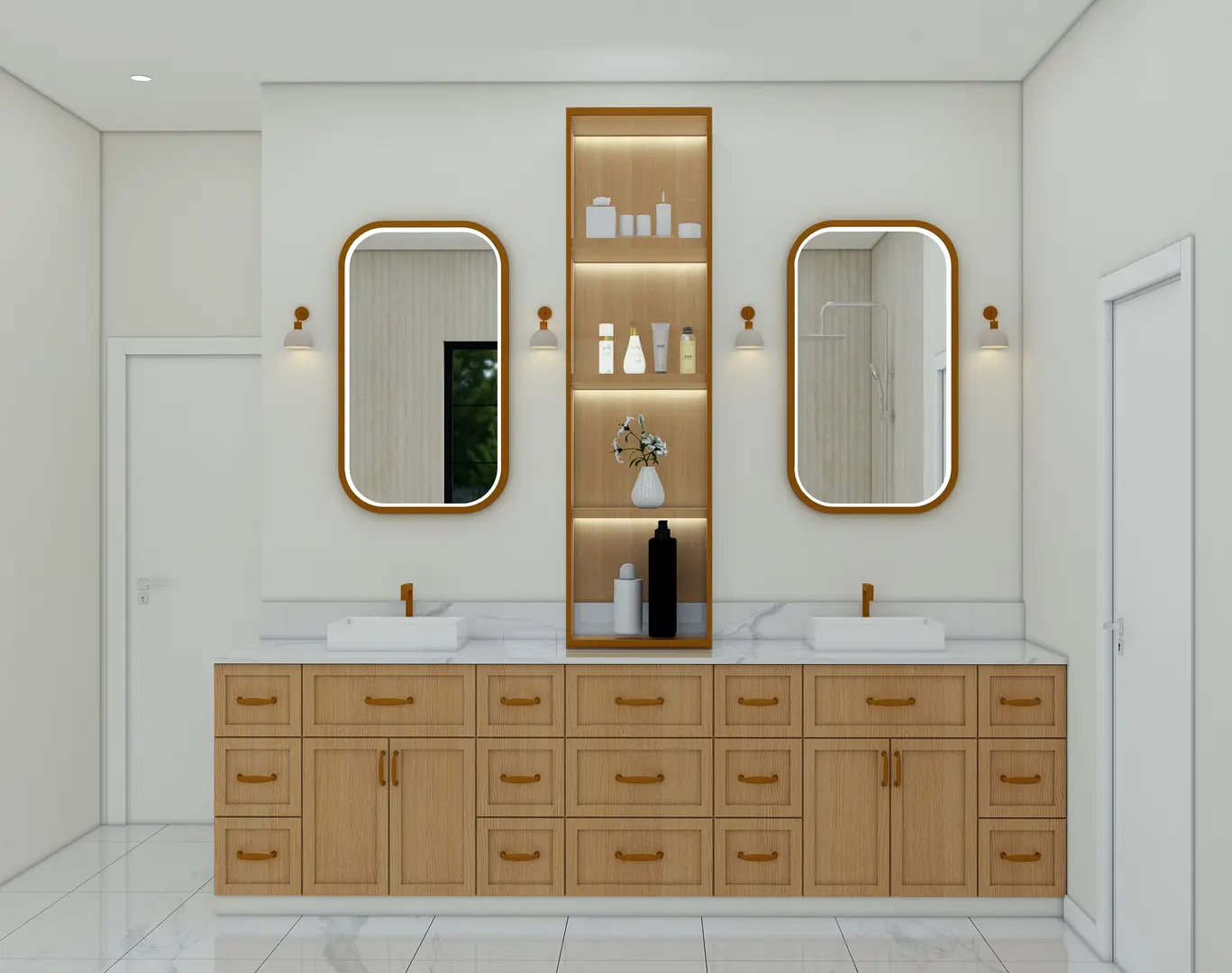
Choosing dark tiles vs light tiles is about more than following a design trend. Tile colour affects how large a bathroom appears, how it responds to light and how much day-to-day maintenance it may require. The right choice should suit the room’s dimensions, lighting, layout and connection with the rest of your home.
Dark and light tiles can also work together. Rather than committing to one colour throughout, a balanced scheme can provide brightness, depth and a clear focal point.
How Bathroom Tile Colour Shapes the Room
Tile colour has a strong influence on the perceived size of a bathroom. Light tiles reflect more available light, helping walls and floors feel more open. This makes them a popular option for compact bathrooms, narrow layouts and rooms without windows.
Dark colours absorb more light. They can make surfaces appear closer and give the room a more enclosed feeling. However, this is not necessarily a disadvantage. In the right setting, that visual weight creates an intimate, calming or dramatic atmosphere.
Colour also establishes the mood:
- White, cream and pale grey tiles tend to feel clean, bright and relaxed.
- Charcoal, black and deep grey tiles can appear sophisticated and luxurious.
- Warm neutrals create a softer, more inviting effect than stark white.
- Tonal combinations add depth without introducing competing colours.
Lighting can significantly change how a tile looks. A charcoal tile may appear softer in strong daylight but almost black under limited artificial lighting. Likewise, white tiles can look crisp in cool light or warmer under softer illumination. Before making a final decision, view tile samples in the bathroom at different times of day.
The Advantages and Drawbacks of Dark Bathroom Tiles
Dark bathroom tiles have become increasingly popular in modern interiors. They can turn a practical room into a distinctive design feature, especially when paired with considered lighting, simple fittings and contrasting surfaces.
However, their visual impact should be weighed against the bathroom’s size and maintenance demands. Dark tiles may hide some types of dirt while making water-related marks more obvious.
Builds a Dramatic and Luxurious Look
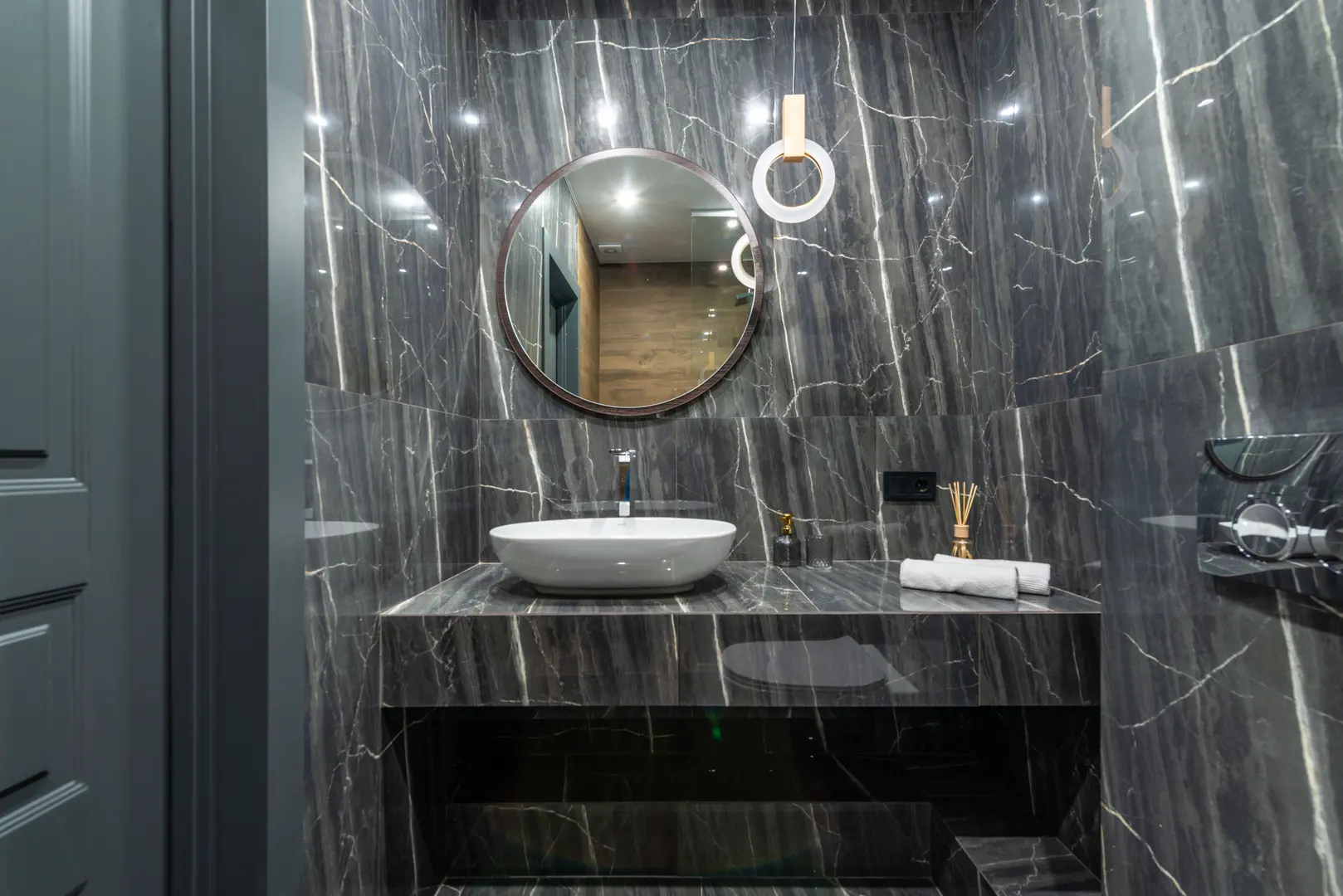
Deep grey, charcoal and black tiles bring depth and character to an otherwise ordinary bathroom. They create a strong backdrop for baths, basins, mirrors and metallic fittings, allowing those elements to stand out.
A dark scheme can feel particularly effective in contemporary, industrial or hotel-inspired bathrooms. The tiles give the room visual weight, making the design appear intentional rather than purely functional.
Texture can make the effect more interesting. A dark tile with subtle surface variation may feel layered and sophisticated, while a more uniform finish creates a clean, minimal appearance. Dark tiles do not have to cover every surface, either. A floor, shower enclosure or feature wall may provide enough drama.
Better at Concealing Everyday Dirt and Marks
Dark surfaces can disguise some routine dirt, dust and small marks better than very pale tiles. This can be useful on floors in busy households, where the bathroom receives frequent foot traffic.
A darker floor may continue to look presentable between regular cleans, particularly when combined with mid-toned grout. It can therefore be a practical foundation for a family bathroom or frequently used ensuite.
However, dark does not mean maintenance-free. The precise shade, finish and lighting all affect what remains visible. Dust may still show on very dark, uniform tiles, and water residue can be particularly noticeable.
May Make a Bathroom Seem More Compact
Because dark colours absorb light, extensive dark tiling can make a bathroom appear smaller or more enclosed. This matters most in compact rooms, narrow floor plans and bathrooms with limited natural light.
Before using dark tiles across both the walls and floor, assess how the room already feels. A small bathroom that is poorly lit may become visually heavy when every surface is charcoal or black.
There are several ways to soften this effect. Dark floor tiles can be paired with pale walls, or a single dark wall can be used as a focal point. Mirrors and effective lighting can also prevent the scheme from feeling flat, although they will not completely change how the tile colour influences the space.
Can Highlight Water Spots and Limescale
Dark tiles may conceal everyday dirt, but they often make dried water spots and pale mineral residue easier to see. Marks can be particularly obvious around showers, baths and basins.
This is an important maintenance consideration in hard-water areas, where limescale may build up more visibly on dark surfaces. Regular wiping can help preserve the appearance, but it adds another task to the cleaning routine.
Tile finish matters as well. Before selecting a dark tile for a wet area, inspect a sample and consider whether you are comfortable with how easily water marks may show under the bathroom lighting.
The Benefits and Limitations of Light Bathroom Tiles
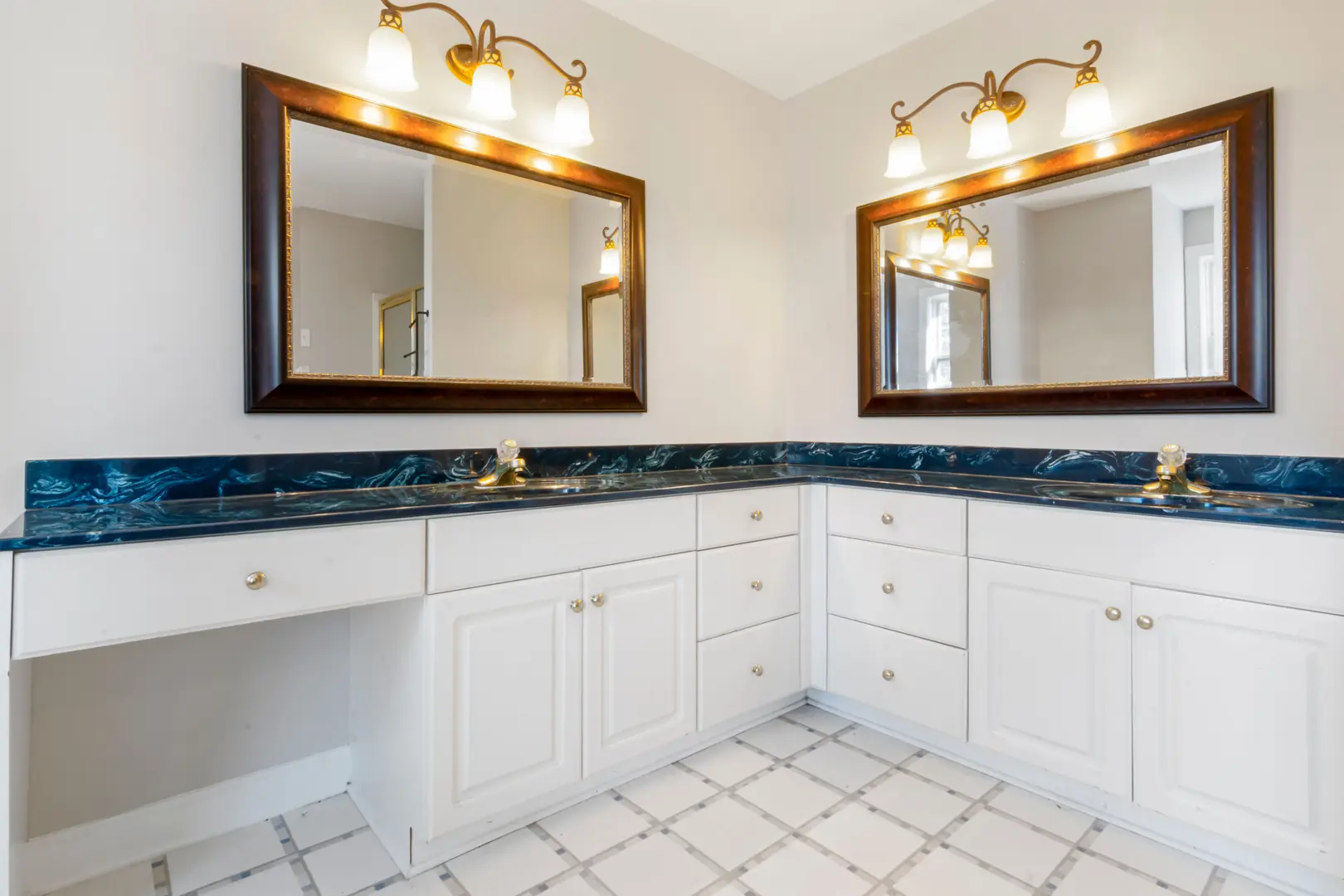
Light bathroom tiles have lasting appeal because they create a fresh, versatile background. White, ivory, beige and pale grey can suit many interior styles and are especially useful when brightness and a feeling of space are priorities.
The main trade-off is visibility of dirt. Pale surfaces may make grime and marks easier to spot, requiring a more regular cleaning schedule.
Creates a Bright and Welcoming Atmosphere
Light tiles make effective use of both daylight and artificial light. By reflecting more available light around the bathroom, they help create a bright, airy atmosphere.
This can make the room feel more comfortable and inviting, particularly in the morning or in bathrooms that would otherwise appear dim. Light tiles also provide a neutral backdrop for towels, accessories, timber details and decorative finishes.
A light bathroom does not need to feel cold or plain. Warm whites, soft beige tones and gentle surface variation can introduce warmth while retaining the benefits of a pale colour palette.
Gives Small Bathrooms a More Spacious Feel
Light tiles are particularly helpful in small bathrooms because they make walls feel less visually restrictive. The boundaries of the room appear softer, creating the impression of a wider, more open area.
Using a similar pale tone across several surfaces can strengthen this effect. A consistent wall colour avoids abrupt visual breaks, while a coordinated floor keeps the overall scheme calm.
Tile dimensions and layout also influence the result. Larger-format tiles are often considered for compact bathrooms because a more continuous field can look less visually busy. Regardless of tile size, grout placement and colour should be planned as part of the complete design rather than treated as an afterthought.
Makes Dirt and Grime Easier to Notice
The cleanliness associated with pale bathrooms comes with a practical drawback: dirt, hair and grime may be easier to see. Light floor tiles can reveal marks quickly in a busy household, while pale shower tiles may show discolouration around grout lines if they are not cleaned regularly.
This visibility can be helpful for anyone who wants to identify areas that need attention immediately. However, it may frustrate those who prefer surfaces to remain presentable between cleans.
Consider where pale tiles will be installed. Light walls with a darker floor can maintain a bright atmosphere while making routine floor marks less prominent.
Offers a Long-Lasting, Classic Style
Light tiles rarely depend on a short-lived colour trend. White, cream and pale neutral schemes have remained popular because they are adaptable and easy to update through accessories.
This makes light tiling suitable for a bathroom intended to stay visually current over the long term. Towels, mirrors, tapware and storage can change without requiring the main tiled surfaces to be replaced.
A classic scheme does not have to be generic. Texture, shape, layout and grout colour can give pale tiles an individual character while preserving their versatility.
What to Weigh When Selecting Dark or Light Tiles
The choice between dark and light tiles should account for the realities of the room. Dimensions, daylight, cleaning habits, grout and the surrounding interior all influence whether a colour will work in practice.
Bathroom Dimensions and Floor Plan
Begin with the bathroom’s physical proportions. A large, open room can usually accommodate more dark tiling without feeling confined. A compact or narrow bathroom may benefit from light walls that visually expand the space.
The floor plan also determines where colour will have the greatest impact. A dark tile at the far end of a long bathroom may draw attention towards that area, while dark tiles across every wall can bring the visual boundaries inward.
A reliable balanced approach is to use pale wall tiles with a dark floor. The walls retain a sense of openness, while the floor anchors the design and introduces contrast.
How Much Natural Light the Room Receives
A naturally bright bathroom provides more freedom to use dark colours. Rooms receiving generous daylight can support charcoal or black tiles without automatically feeling gloomy.
In contrast, a windowless bathroom depends entirely on artificial light. Pale tiles are often the more practical choice in this situation because they help distribute the available brightness.
Do not judge a sample only in a showroom. Place it in the intended room and look at it during the day and at night. Its colour may change noticeably depending on the direction, strength and tone of the light.
Cleaning Routines and Maintenance Expectations
Be realistic about how often you want to clean the bathroom and which marks bother you most. Pale floors may expose everyday dirt, while dark shower tiles may reveal dried water and limescale.
A mixed scheme can reduce these concerns. Darker floor tiles can disguise some routine marks, while lighter walls preserve brightness. In wet zones, choose a colour based on how water residue is likely to appear rather than assuming the darkest surface will always look cleaner.
No tile colour eliminates maintenance. The aim is to choose surfaces whose visible marks align with your cleaning habits and expectations.
Tile Colour and Grout Maintenance
Grout changes both the design and upkeep of tiled surfaces. Matching grout creates a more continuous appearance, while contrasting grout emphasises the shape and layout of each tile.
Dark tiles with light grout can produce a striking geometric effect. However, pale grout may become visibly discoloured over time, particularly in frequently used wet or floor areas. It still needs occasional cleaning to preserve the intended contrast.
A mid-toned or colour-matched grout can make maintenance less visually demanding. Before deciding, consider:
- How many grout lines the layout will create
- Whether the tiles are going on a wall or floor
- How exposed the area is to water and grime
- Whether you want the grout lines to stand out or recede
Grout should be selected alongside the tile, not after installation decisions have already been made.
Fit with the Style of the Rest of Your Home
The bathroom does not have to match every other room, but it should feel connected to the overall home. A sharply modern black bathroom may seem out of place beside soft, traditional interiors unless there are shared materials or colours.
Dark tiles often complement contemporary, industrial and dramatic design schemes. Light tiles work easily with classic, coastal, minimal and Scandinavian-inspired interiors, although the tile shape and finish will also influence the final style.
Look at nearby hallways, bedrooms and flooring when planning the bathroom. Repeating a neutral tone, timber finish or accent colour can create a smoother transition. At Shower Decor, the most successful schemes are considered as part of the wider interior rather than as isolated colour choices.
Design Approaches for Combining Tile Colours
The dark tiles vs light tiles decision does not have to result in a single-colour bathroom. Combining the two can preserve brightness while adding contrast, depth and personality.
Pair Pale Walls with a Dark Floor
Light walls and a dark floor provide a practical balance. The pale vertical surfaces help the bathroom feel open, while the floor gives the room definition and visual stability.
This combination is particularly useful in smaller bathrooms where a fully dark scheme may feel heavy. It can also make floor-level marks less conspicuous than a completely pale design, depending on the precise tile finish.
Connect the two colours through grout, accessories or a vanity finish so that the contrast feels deliberate.
Use a Dark Tile Feature Wall
A dark feature wall concentrates visual drama in one area. It can frame a freestanding bath, define a shower or create a strong background behind a vanity and mirror.
The remaining walls can stay light, preventing the entire bathroom from feeling enclosed. This approach works well when you like dark tiles but are unsure about using them across the whole room.
Choose the feature wall carefully. It should draw attention to an attractive element rather than highlight a visually cluttered area.
Create Depth with Monochromatic Tones
A monochromatic scheme uses several shades from the same colour family. For example, pale grey walls can transition to medium-grey details and a charcoal floor.
This tonal progression creates depth without relying on a sharp black-and-white contrast. It also allows different textures and tile shapes to stand out while the overall palette remains cohesive.
Repeat tones in towels, cabinetry or accessories to strengthen the layered effect without making the room feel overly coordinated.
Experiment with Mixed Tile Patterns
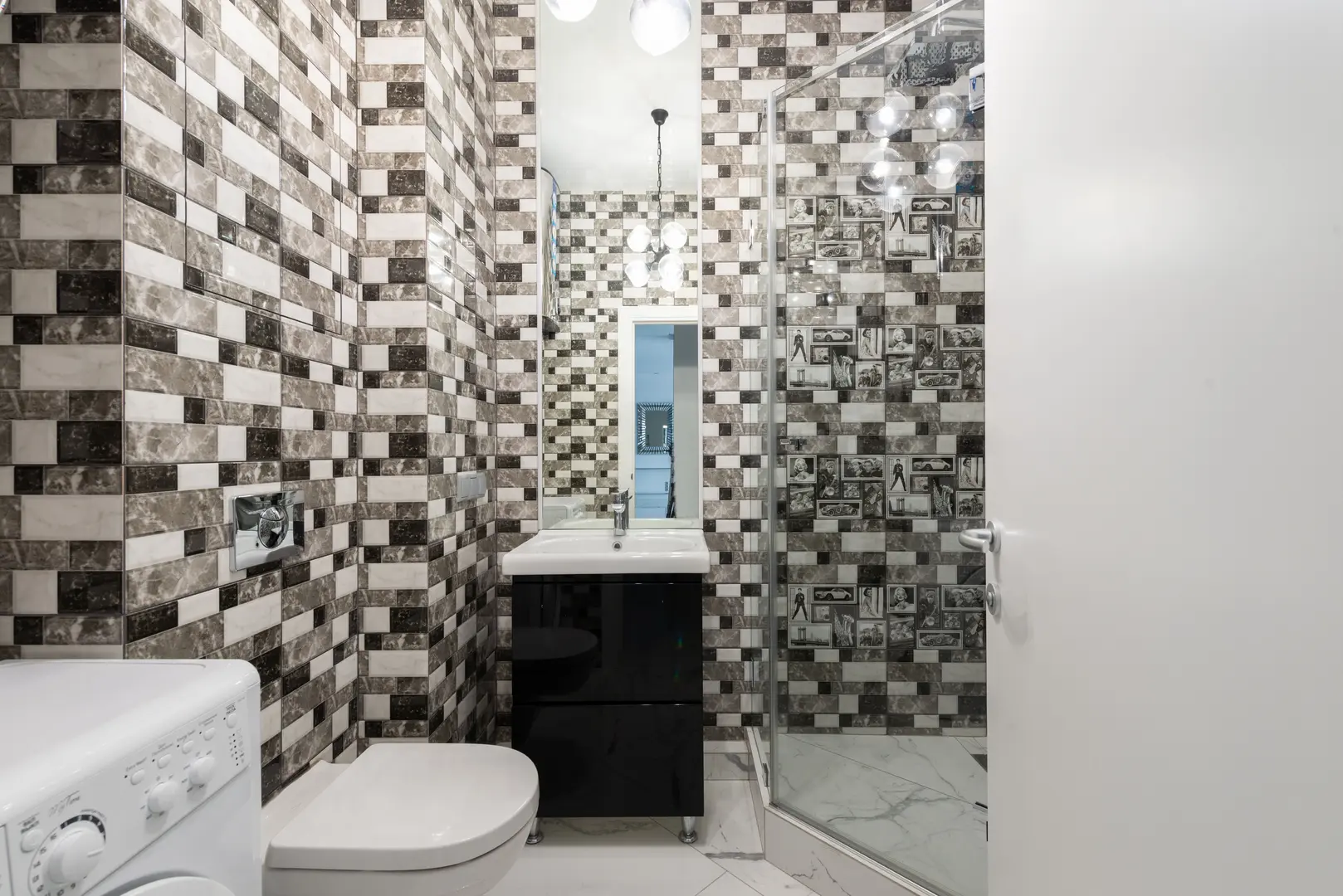
Dark and light tiles can be arranged in geometric or repeating patterns for a more distinctive result. Checkerboard floors, contrasting borders and patterned shower zones can all introduce movement.
Use pattern selectively so it does not compete with every other feature. A bold floor often works best with quieter walls, while a patterned wall can be balanced by simple flooring.
Also consider how the grout affects the pattern. Contrasting grout will sharpen each line, whereas a closer match can soften the layout. By treating tile colour, placement and grout as one design decision, you can create a bathroom that feels bright, balanced and full of character.