How to Decorate Bathroom Shelves With Professional Style
Learning how to decorate bathroom shelves is less about filling every open surface and more about creating a thoughtful balance between storage and style. The best arrangements keep daily essentials accessible, conceal visual clutter, and introduce decorative details that make the bathroom feel finished.
Begin by identifying what the shelves must hold, then build the display around those practical needs. With coordinated containers, balanced groupings, varied heights, and a few personal accents, even limited bathroom storage can look polished and intentional.
Why Bathroom Shelf Styling Matters
Bathroom shelves often need to serve two roles at once. They provide essential storage while occupying a highly visible part of the room. If they are overloaded, the bathroom can feel disorganized. If they contain only decorative objects, valuable storage space may be wasted.
Professional-looking shelf styling brings these roles together. Frequently used toiletries stay close at hand, less attractive items are contained, and decorative accents soften the utilitarian nature of the room. This is particularly important in compact bathrooms, where every shelf contributes to both the function and appearance of the space.
A successful arrangement should:
- Make everyday products easy to find
- Use wall space efficiently
- Reduce visible packaging and clutter
- Support the bathroom’s overall color palette
- Include enough open space to prevent a crowded look
- Add personality without interfering with storage
Rather than treating organization and decoration as separate projects, approach the shelves as a single functional display.
Keep Everyday Storage Organized
Start with the products used most often. Hand towels, washcloths, skincare items, soap, and other daily necessities should be placed where they can be reached without moving several decorative objects.
Group similar items so the arrangement is easy to understand. Rolled or folded towels can occupy one shelf, while personal-care products can sit together in a tray or container. This reduces the need to search through drawers and cabinets during a busy routine.
Accessibility does not require every item to be visible. Put smaller products in an open basket, decorative box, or coordinated container. Choose storage that can be lifted or moved as one unit rather than arranging numerous loose items individually.
Reserve the easiest-to-reach shelf for daily necessities. Higher or less convenient shelves can hold spare supplies, occasional-use products, or primarily decorative pieces.
Improve the Shelf’s Visual Character
Once the practical items are organized, add details that make the shelves feel designed rather than merely filled. Plants, framed artwork, small vessels, folded textiles, and attractive containers can introduce color, shape, and texture.
Mixing materials gives a display greater depth. For example, a woven basket can soften the appearance of a hard shelf, while glass containers create contrast beside folded cotton towels. Ceramic, wood-look finishes, metal accents, and textiles can also be combined, provided they share a consistent visual direction.
In a small bathroom, use color carefully. A large concentration of dark objects may make the shelves appear heavier and the room feel more enclosed. Lighter containers, pale textiles, clear glass, and a restrained selection of darker accents usually preserve a more open feeling.
Cohesion matters more than making every piece match. Repeat one or two colors or materials throughout the arrangement so the display feels connected.
Build an Eye-Catching Shelf Focal Point
Bathroom shelves can become a focal point when objects are arranged at different heights. A row of similarly sized containers may be orderly, but it can also look flat. Varying the scale creates a visual path that naturally draws attention across the display.
Begin with a taller anchor, such as a plant, framed print, bottle, or narrow vase. Position a medium-height object nearby, then complete the arrangement with a lower item such as a candle, small bowl, or neatly folded washcloth. The resulting change in height creates movement without requiring many pieces.
Avoid placing every tall object on one side. Distribute visual weight across the shelves so no area feels noticeably heavier than the rest. A tall item on an upper shelf can be balanced by a basket or stack of towels on the opposite side below.
The focal point should still fit the room. One strong arrangement is often more effective than covering every shelf with decorative accents.
Make Better Use of Available Wall Space
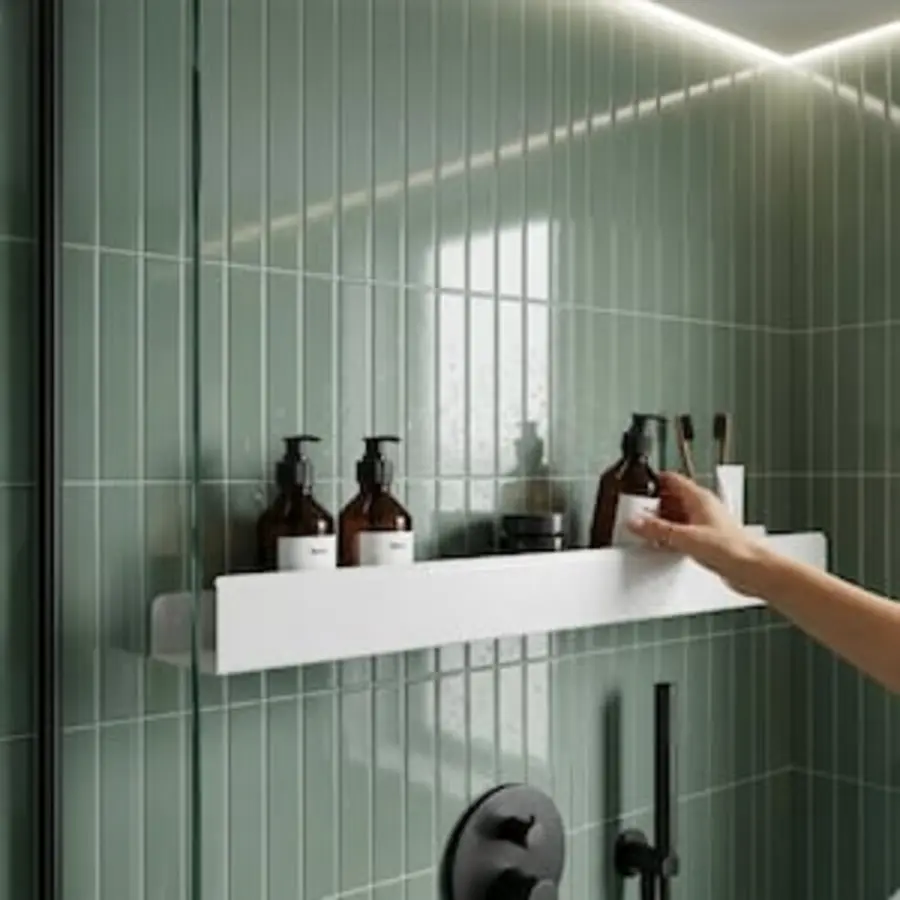
When floor and cabinet storage are limited, wall space becomes especially valuable. Built-in and floating shelves allow supplies to be stored vertically without adding bulky furniture to the bathroom.
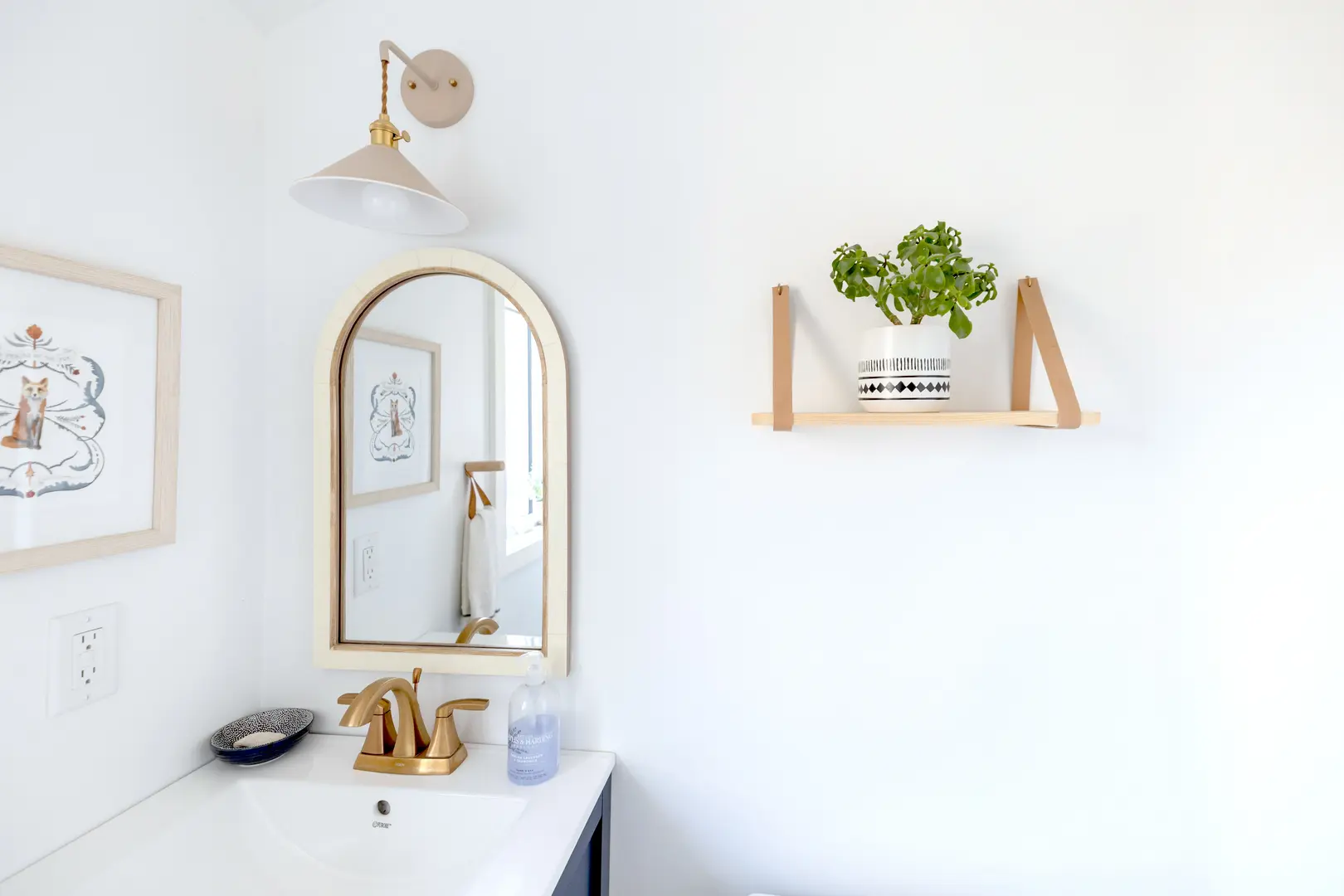
Floating shelves work well when an open, streamlined appearance is preferred. They can occupy otherwise unused wall areas, such as space above a toilet or beside a vanity. Built-in shelves create a more integrated look and can make use of wall recesses or existing architectural features.
Vertical storage does not mean every available area must be filled. Maintain some separation between objects and group supplies deliberately. Leaving visible space around containers helps the shelves feel lighter and makes individual items easier to access.
Use lower shelves for frequently needed products and upper levels for spare towels, backup supplies, or decoration. This keeps wall storage practical instead of turning it into a display that is difficult to use.
Reflect Your Personal Decorating Style
Bathroom shelves offer an easy place to express personal taste without changing major fixtures or finishes. The chosen details can make the space feel calm, modern, natural, traditional, playful, or minimal.
Select a few accents that reflect the atmosphere you want. Possibilities include:
- A small piece of artwork
- A favorite decorative vessel
- Coordinated jars or bottles
- A plant or botanical accent
- Textured baskets
- Towels in a preferred color
- A meaningful but bathroom-appropriate object
Edit personal pieces carefully. Too many unrelated items can make a small shelf look accidental rather than expressive. Repeating a color, shape, or material connects individual choices to the rest of the room.
Personal style can also appear through practical storage. A streamlined tray supports a minimalist look, while a woven basket introduces a softer, more relaxed quality.
Evaluate What Your Shelves Need to Hold
Before buying containers or rearranging the display, make a list of everything that genuinely needs to live on the shelves. Include daily toiletries, towels, spare supplies, grooming tools, and any decorative pieces you want to feature.
Divide the list into three groups:
- Daily-use items: Products that should remain within easy reach
- Backup or occasional items: Supplies that can go on higher shelves or in closed containers
- Decorative items: Pieces included primarily for atmosphere and visual interest
This inventory helps determine how many shelves are necessary and what type of storage each one needs. A collection of small toiletries may require trays or divided containers, while towels need wider open areas. Spare products may be better suited to baskets that conceal mixed packaging.
If the list exceeds the available shelf space, edit before decorating. Relocate items that belong elsewhere rather than forcing everything into a crowded arrangement.
Select Shelves That Suit the Bathroom
The right shelf type depends on the room’s size, available wall area, and changing storage needs.
| Shelf type | Best suited to | Styling approach |
|---|---|---|
| Built-in shelves | Bathrooms with existing recesses or integrated storage | Keep the arrangement simple so the architecture remains visible |
| Floating shelves | Open wall space and a clean, light appearance | Use a mix of compact storage and a few decorative objects |
| Adjustable shelves | Storage needs that may change over time | Alter shelf spacing to accommodate towels, baskets, or taller products |
In a small bathroom, shelves should provide useful storage without visually overwhelming the walls. Slim floating shelves can preserve an open effect, while built-ins make storage feel like part of the room.
Consider what the shelves will hold before choosing them. Decorative objects need less depth than folded towels or storage baskets. Adjustable shelving offers flexibility when the mix of items changes frequently.
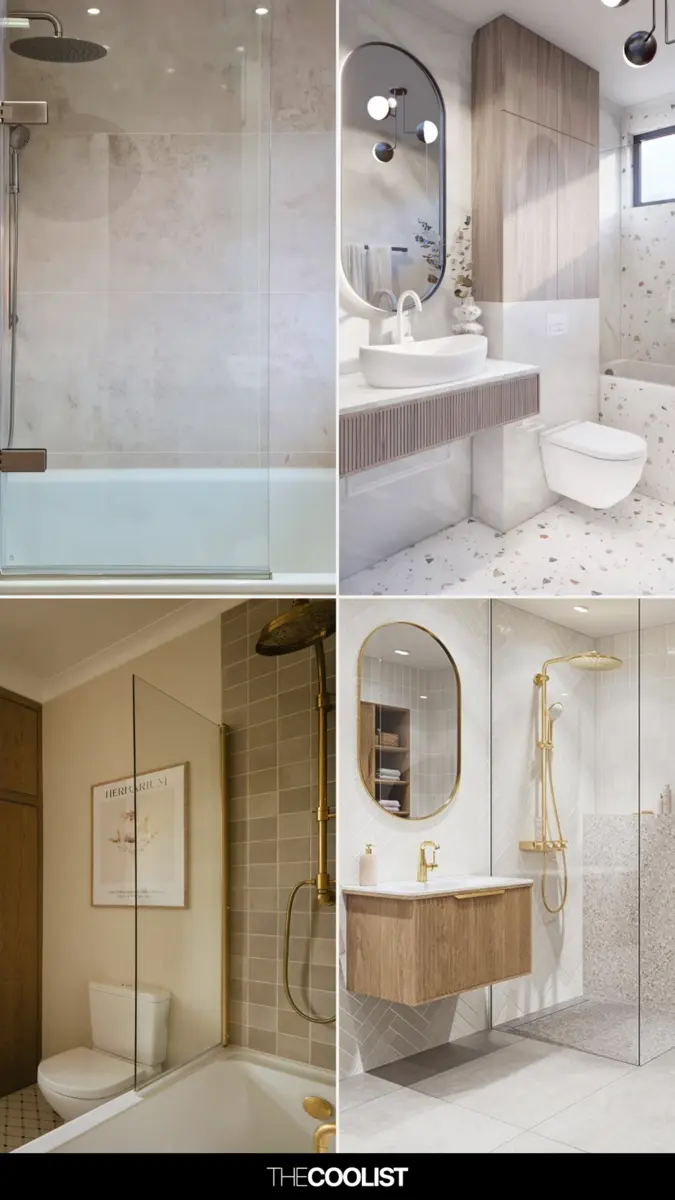
Whatever style you choose, connect the shelf finish to an existing element in the bathroom, such as the vanity, mirror frame, hardware, or overall color palette.
Start With a Fresh, Uncluttered Surface
Remove everything from the shelves before restyling them. Working around the existing arrangement makes it harder to identify unnecessary products and repeated items.
As you clear the area, sort the contents. Discard empty packaging and remove anything that is no longer needed. Relocate objects that do not have to be stored in the bathroom. Products used only occasionally can be moved to a less prominent storage area if one is available.
Wipe the shelves and containers before returning anything. Then add items back in order of importance:
- Daily essentials
- Storage containers
- Towels and backup supplies
- Decorative accents
Stop periodically and assess the open space. You do not need to return every object simply because it was previously stored there. A cleaner starting point makes intentional styling much easier.
Arrange Objects in Balanced Groups
Grouping similar items creates order and prevents products from appearing scattered. Place matching bottles together, keep folded textiles in one stack, and gather small grooming items in a single tray.
Odd-numbered groupings can help a display feel natural and balanced. A group of three might include a tall plant, a medium container, and a low dish. The pieces do not need to match, but they should relate through color, material, or purpose.
Balance should extend across the full shelving unit. If one shelf contains a large basket, avoid placing another visually heavy object directly above it. Instead, distribute larger items across different sides and levels.
You can also create balance through repetition. Similar baskets on separate shelves, repeated glass containers, or the same towel color in two locations can unify the arrangement. Keep enough space between groups to show that each cluster is intentional.
Combine Practical Storage With Attractive Design
The most effective shelf displays do not hide every functional object. Instead, they make practical storage part of the design.
Use baskets to collect products with mismatched packaging. Place bottles on trays so they appear as one organized group. Transfer suitable small necessities into coordinated containers when doing so makes them easier to identify and use. Fold or roll towels consistently for a cleaner presentation.
Try dividing each shelf into functional zones. One shelf might hold daily toiletries in a tray, while another contains towels and a decorative plant. A higher shelf could combine a basket of backup products with framed artwork.
Do not add decoration at the expense of convenience. If a plant must be moved every time you reach for a towel, the arrangement is not working. Decorative pieces should occupy genuinely available space rather than block essential items.
Integrating Storage With Decor
Decorative storage is especially helpful when the bathroom has few cabinets or drawers. Instead of adding ornaments alongside visible clutter, choose storage pieces that contribute to the room’s style.
Useful options include:
- Woven baskets: Add texture while containing towels or extra supplies
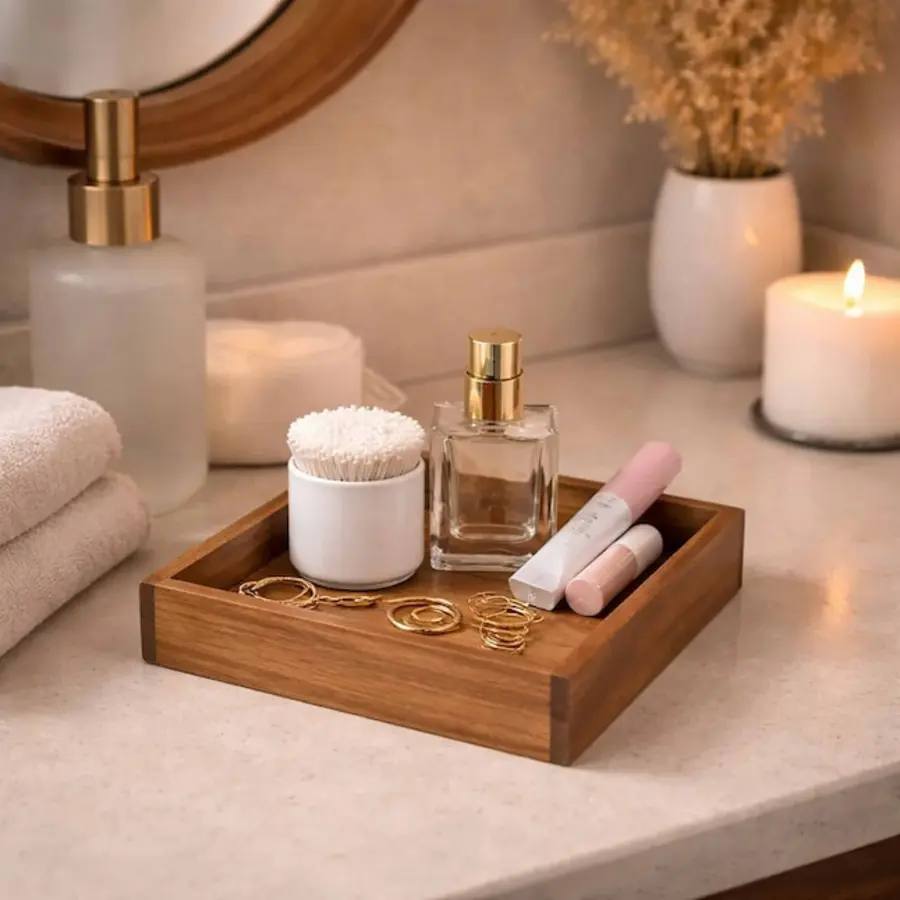
- Decorative trays: Keep bottles, soap, and skincare products visually connected
- Lidded containers: Conceal small or less attractive necessities
- Glass jars: Display suitable items while maintaining an orderly look
- Small bowls or dishes: Hold compact everyday accessories
- Coordinated boxes: Create a uniform appearance for mixed products
Choose a limited family of finishes. For example, light baskets, clear containers, and pale ceramic pieces can produce an airy arrangement. Metal trays and simple glass vessels can support a more contemporary look.
Containers should also match their contents. Frequently used items belong in open, accessible storage, while backup supplies can sit in lidded baskets or boxes. Labeling less obvious containers can make the system easier to maintain without affecting the overall design.
Finish the Look With Decorative Details
After the storage is in place, add a restrained selection of finishing touches. Artwork introduces color and personality, while plants bring shape and a natural element to hard bathroom surfaces. Small vessels, candles, and folded textiles can fill minor gaps without dominating the shelves.
Layer contrasting textures for interest. Pair a smooth ceramic container with a woven basket, or place a glass vessel near soft towels. The goal is variation within a cohesive palette, not a collection of unrelated finishes.
Lean a small framed print against the wall for a relaxed layered effect, provided it does not interfere with access. A plant can soften the end of a shelf, while a low decorative object can complete a group without blocking items behind it.
Edit the final display from the doorway as well as up close. Remove any accent that makes a shelf feel crowded. The empty areas around objects are part of the composition and help the decorative details stand out.
Add Soft, Warm Shelf Lighting
Small LED lights can highlight the shelf arrangement and create a warmer, more inviting atmosphere. Lighting is particularly effective on built-in shelves or beneath floating shelves, where it can define each level and illuminate decorative details.
Use light selectively rather than making every shelf equally bright. A gentle glow behind a plant, below a shelf, or near a piece of artwork can emphasize depth and texture. Keep the lighting visually subtle so the shelves remain the focus.
Warm shelf lighting works best as a finishing layer. It should complement the bathroom’s main lighting rather than replace it. When paired with organized storage, coordinated materials, and carefully chosen accents, it gives the completed display a polished and welcoming character.