How to Design a Hotel-Inspired Bathroom at Home
A hotel bathroom feels calm, polished and effortless because every element has a clear purpose. The palette is controlled, clutter is hidden, lighting is flexible, and even practical details contribute to comfort. If you are wondering how to design hotel style bathroom at home, focus less on filling the room with decorative features and more on coordinating a few high-quality choices.
The result does not depend on having an enormous bathroom. With thoughtful planning, refined materials and disciplined styling, even a compact or awkward space can feel like a private retreat.
Build the Look Around a Refined Neutral Palette
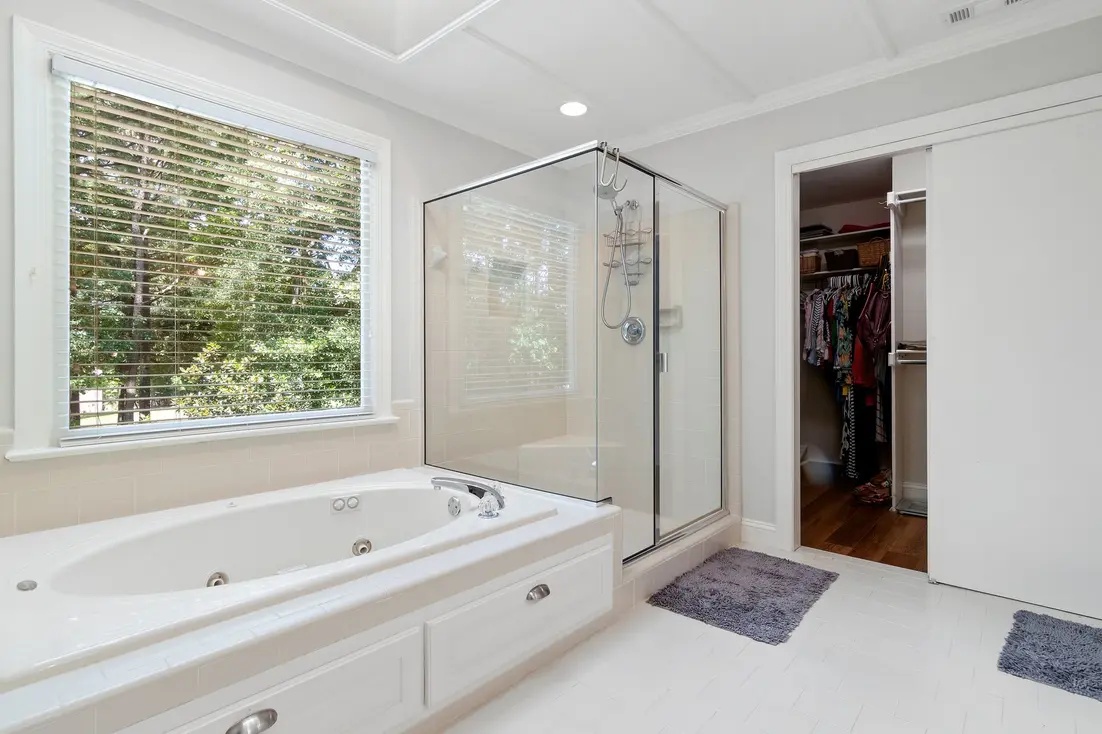
Begin with a restrained palette that creates a quiet, luxurious backdrop. Warm white, cream, taupe, soft grey and muted stone tones all work well because they allow fixtures, lighting and textures to stand out without making the room feel busy.
Limit the design to two or three principal tones. One might cover the walls and larger surfaces, another can define cabinetry or flooring, and a third can appear in smaller accents. Keeping the colour scheme controlled makes it easier to introduce different textures without losing visual harmony.
Natural materials add depth to an otherwise simple palette. Stone, timber details and tactile surfaces can soften the harder elements found in a bathroom. If natural materials are not suitable for every surface, use them selectively and coordinate their colour and character with the wider scheme.
A mixture of matte and glossy finishes also helps create a sophisticated foundation. For example, matte cabinetry can sit alongside polished fixtures, while glossy tiles can reflect light against a more subdued floor. The contrast should be subtle rather than dramatic.
Flooring has a major effect on how clean and polished the room appears. Large floor tiles can reduce visual interruption and convey a sense of quality. Darker grout is often more forgiving than very light grout, which may show everyday dirt sooner. Light-coloured floor tiles can also require more visible upkeep, so consider whether a mid-tone floor would better support the consistently clean appearance associated with hotels.
Make a Statement with Carefully Chosen Fixtures
Hotel-inspired bathrooms often have one memorable focal point rather than several competing features. A freestanding bath is a classic option when space and layout permit. Its sculptural form can make the bathing area feel intentional, even when the rest of the room remains understated.
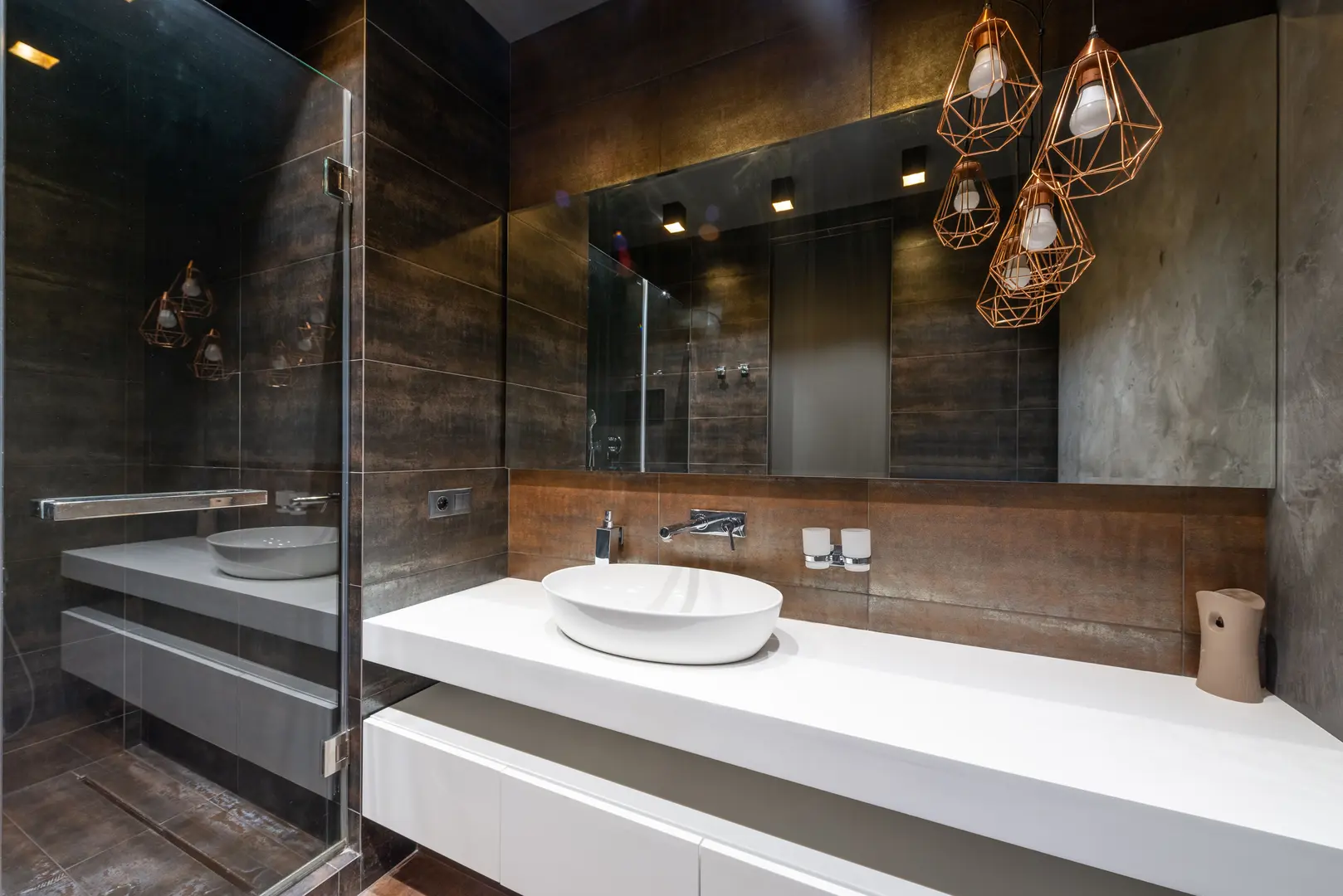
A distinctive basin can create a similar effect in a smaller bathroom. Look for a shape that complements the room’s design language, whether softly rounded, crisp and architectural, or organically curved. Pair it with restrained taps so that the basin remains the main feature.
Before selecting any statement fixture, consider:
- How it will look from the bathroom entrance
- Whether it leaves comfortable space around nearby fittings
- How it relates to the vanity, shower and storage
- Whether it complicates cleaning
- How its finish connects with other hardware
An awkward layout may require a different approach. Rather than forcing a freestanding bath into an unsuitable position, choose one focal feature that works with the room. This could be a sculptural basin, a carefully framed shower area or a visually strong vanity.
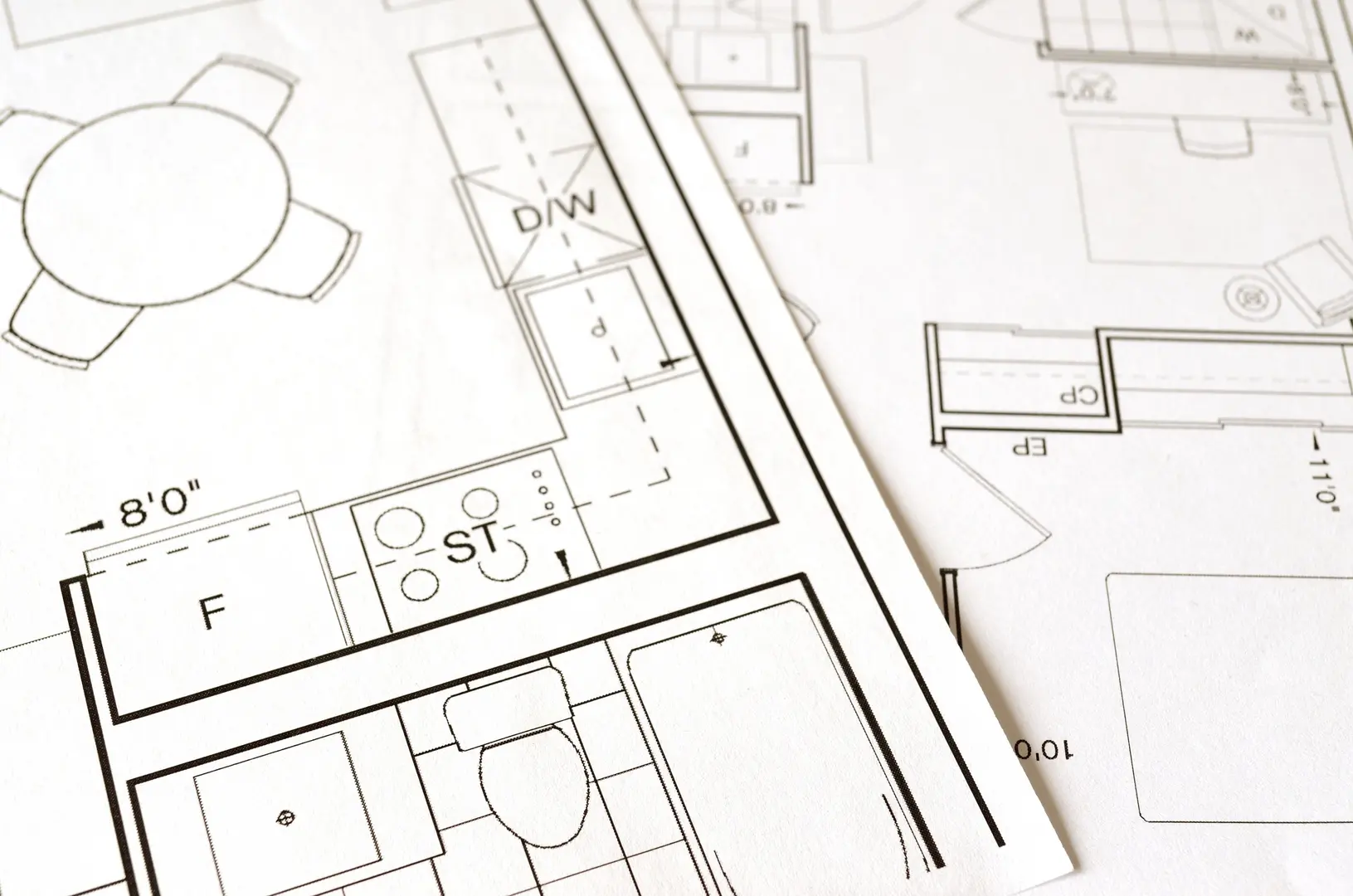
Plan placement around the existing shape of the bathroom. Recesses may suit storage or a vanity, while the clearest sightline can be reserved for the most attractive fixture. A layout feels more hotel-like when movement is straightforward and each element appears deliberately positioned.
Hide Clutter with Streamlined Storage
Minimalism only works when everyday items have somewhere to go. Concealed storage allows the room to look composed without making it impractical.
A wall-mounted vanity is particularly useful because it provides storage while maintaining an open appearance. Its clean lines can reinforce the contemporary hotel aesthetic, and the visible floor below helps the cabinetry feel less bulky.
Use drawers and internal compartments to separate toiletries, grooming items and cleaning supplies. Frequently used products should remain easy to reach, but they do not all need to stay on display. Keep visible surfaces for a small number of coordinated objects rather than a collection of mismatched containers.
Other streamlined options include:
- Mirrored cabinets that combine storage and function
- Recessed shelving within suitable wall areas
- Tall, narrow cabinetry for compact layouts
- Closed storage beneath a basin
- Simple trays for containing the few products left out
Cleanliness is central to a convincing hotel-style finish. Choose surfaces and fixture arrangements that are easy to wipe, and avoid creating unnecessary ledges where products and dust can gather. Establishing storage for every item makes daily tidying faster and helps preserve the polished effect.
Use Several Layers of Atmospheric Lighting
A single bright ceiling light rarely creates the atmosphere associated with a luxury hotel. Instead, combine several types of lighting so the bathroom can adapt to practical routines and relaxing moments.
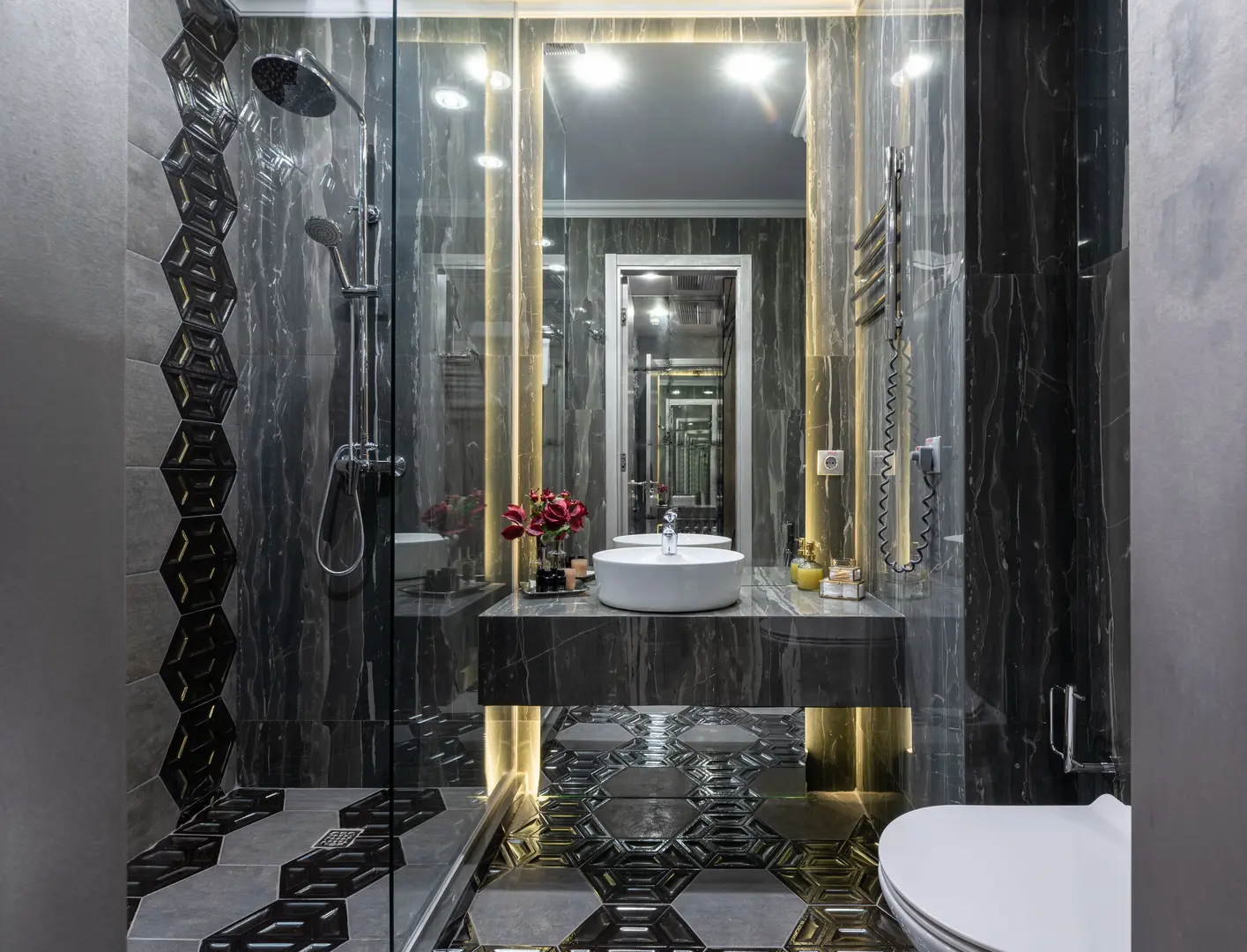
Ambient lighting provides general illumination across the room. Task lighting supports activities at the mirror and vanity, where clear, even light is useful. Integrated or accent lighting can highlight a mirror, vanity or architectural feature without becoming a visual distraction.
Dimmers give the lighting greater flexibility. Brighter settings can support morning routines and cleaning, while lower levels create a softer mood for an evening bath or shower. If different lights can be controlled separately, it becomes easier to adjust the atmosphere without illuminating the entire room.
Keep the fittings consistent with the design. Discreet lighting suits a minimalist bathroom, while a decorative fixture may work when it is the room’s chosen focal point. Avoid using several attention-grabbing lights alongside statement sanitaryware, as the overall effect can become crowded.
Select Materials That Feel Luxurious
Luxury comes as much from touch and finish as it does from appearance. Prioritise materials that feel substantial, comfortable and refined in daily use. A vanity surface, basin, bath surround or piece of hardware should contribute to the sensory quality of the room rather than simply adding decoration.
Coordinate colours and finishes across the main surfaces. Materials do not need to match exactly, but they should share an undertone or visual character. A warm stone surface, for example, will feel more cohesive when it is supported by similarly warm wall colours and timber accents.
Refinement is more effective than excess. Instead of introducing a premium finish everywhere, use it where it will have the greatest visual or tactile effect. A beautifully finished vanity, carefully selected taps or a tactile wall surface can establish the room’s character while quieter materials support them.
Pay attention to transitions between materials. A hotel-inspired scheme should feel deliberate where the floor meets the wall, where cabinetry meets the basin, and where hardware appears throughout the room. Neat visual relationships contribute to the sense that the space has been carefully designed.
Bring Comfort Through Layered Texture
A neutral bathroom can feel cold if every surface is hard, flat and glossy. Layered texture introduces warmth while preserving the calm palette.
Plush towels are one of the simplest additions. Select towels in a colour drawn from the main scheme and present them neatly on rails, hooks or open shelving. A soft bath mat can add comfort underfoot and create contrast with tiled flooring.
Texture can also come from:
- Timber cabinetry or small wooden details
- Ribbed, fluted or subtly patterned surfaces
- Woven storage containers
- Soft window treatments where appropriate
- Coordinated robes and linens
Plants can make the room feel more welcoming and bring a natural element into a highly finished scheme. Choose their placement carefully so they enhance the composition rather than adding clutter. One well-positioned plant is often more effective than several small pots spread across the vanity.
The aim is to balance softness with order. Textiles and natural elements should warm the room, but their colours and placement should remain consistent with the disciplined hotel aesthetic.
Elevate the Room with Thoughtful Finishing Touches
Small details influence how the bathroom looks and how pleasant it is to use. Towel rails, hooks, dispensers, trays and bins should feel like part of the design rather than afterthoughts.
Choose a hardware finish and repeat it consistently. Taps, shower fittings, handles and visible accessories do not always have to be identical, but they should relate to one another. Too many unrelated finishes can weaken an otherwise controlled scheme.
Comfort-focused features can also make the room feel more indulgent. A heated towel rail combines practical warmth with a neat place to display towels. Good-quality linens, comfortable robes and an uncluttered place to set personal items can create a similar sense of care.
Accessorizing for a Hotel-Style Bathroom
Accessories should reinforce the room’s palette while helping it stay organised. Begin by removing unnecessary items, then add back only what serves a practical or decorative purpose.
Useful choices include:
- Matching soap and lotion dispensers
- A simple tray for a limited group of daily products
- Coordinated towels and face cloths
- A discreet waste bin
- Lidded containers for small essentials
- A neatly positioned robe hook
- Minimal artwork that suits the colour scheme
Decanting products into coordinated containers can reduce visual noise, but avoid turning the vanity into a display. Leave open space around accessories so the surface remains easy to clean.
Group related items rather than spreading them across the room. A tray can contain hand-care products, while folded towels can occupy a dedicated shelf. This gives everything a defined place and makes it easier to restore the orderly look after the bathroom has been used.
Maintain a Consistent Overall Design
Visual continuity is what turns individual upgrades into a convincing hotel-style bathroom. Repeat materials, colours and shapes so each part of the space appears connected.
Keep the main palette to two or three tones, then use texture to create variation. If the vanity has rounded corners, for example, a curved mirror or basin can repeat that softness. If the scheme is more architectural, straight lines and simple rectangular forms can establish a clear rhythm.
Bold accents should be balanced by quieter surroundings. A dark vanity may become the room’s anchor when paired with pale walls and soft textiles. A strongly veined surface can look elegant when other finishes remain simple.
Before adding an item, ask whether it supports the established palette and character. A beautiful accessory can still feel wrong if it introduces an unrelated colour, finish or style. Consistency does not require every element to match; it means each choice contributes to the same overall mood.
Add Technology Without Disrupting the Style
Technology can improve convenience, but it should remain visually discreet. Smart mirrors and integrated lighting are well suited to hotel-inspired bathrooms because they can provide useful functions without adding bulky equipment.
Choose features that fit naturally into fixtures already required by the room. Lighting integrated into a mirror, for instance, combines task illumination with a clean, streamlined appearance. Controls should be positioned logically and kept as unobtrusive as possible.
Avoid adding technology simply for novelty. The best features make the space easier or more comfortable to use while preserving its calm appearance. Concealed integration, minimal controls and finishes that coordinate with the rest of the bathroom will keep the design refined.
Design a Relaxing, Spa-Inspired Atmosphere
A hotel-style bathroom should offer more than an attractive appearance. It should encourage you to slow down and feel comfortable.
Fragrance can help establish that atmosphere. Select one subtle scent and use it consistently through a diffuser, candle or bath product rather than mixing several competing fragrances. Keep the vessel aligned with the room’s colour scheme and store backups out of sight.
Gentle lighting is equally important. Use dimmers or separate light sources to move from bright practical illumination to a softer evening setting. Warm materials, plush towels and natural textures can prevent the low-light space from feeling stark.
Create a simple bathing ritual by keeping a few favourite products accessible, placing a fresh towel within reach and clearing unnecessary objects from view. The sense of calm comes from comfort, order and deliberate restraint rather than an abundance of spa-themed decorations.
Pull the Hotel-Style Bathroom Look Together
Learning how to design hotel style bathroom at home is ultimately about making intentional choices. Begin with a refined neutral palette, choose one or two focal fixtures, conceal clutter and layer lighting for different moods. Add premium-feeling materials, soft textures and carefully coordinated accessories to make the room both polished and welcoming.
Work with the bathroom’s layout rather than against it. A compact or awkward room can still feel luxurious when circulation is clear, storage is effective and every visible detail belongs to the same design story.
Most importantly, plan for daily upkeep. Easy-to-clean surfaces, practical storage and a controlled number of accessories help the bathroom maintain the clean appearance that defines the hotel experience. By favouring quality, consistency and comfort over excess, you can turn an ordinary bathroom into a calm personal retreat.