Double Bathroom Vanities: Benefits, Drawbacks, and Design Trade-Offs
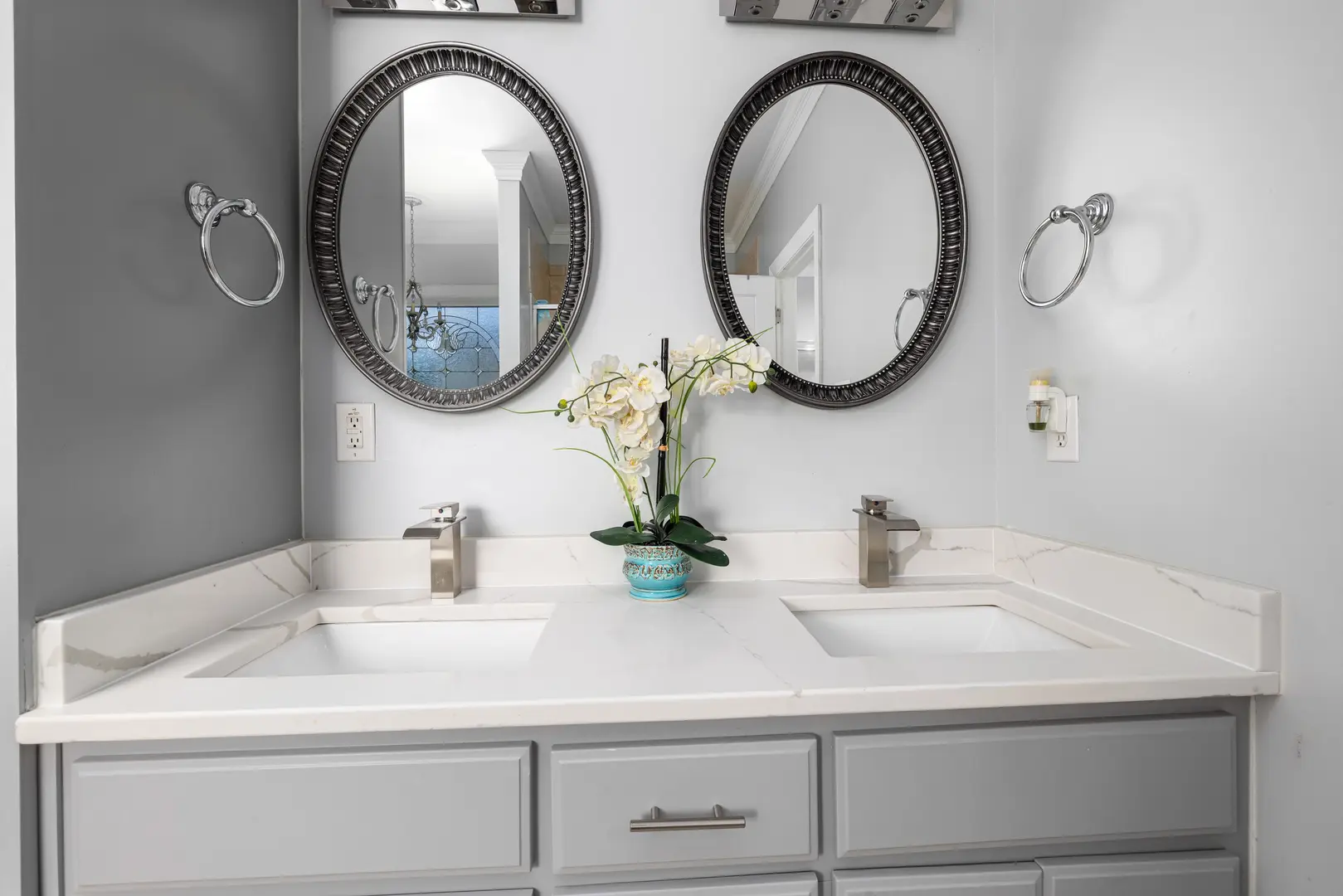
A double vanity can turn a shared bathroom into a more convenient, polished space. With two sinks, separate grooming areas, and a strong visual presence, it often feels like a practical luxury. However, the extra basin also takes up room, raises costs, and changes how storage, lighting, plumbing, and movement must be planned.
Understanding the pros and cons of double bathroom vanities helps you decide whether two sinks will improve daily life or simply make the room feel crowded.
Why Double Vanities Appeal to Homeowners
The main advantage of a double vanity is convenience. In a shared bathroom, two people can brush their teeth, wash their faces, or get ready at the same time. This can reduce waiting during busy mornings and evening routines.
Separate sinks also create a stronger sense of personal space. Each user can have a dedicated basin, mirror area, and set of nearby toiletries. Although the bathroom remains shared, the arrangement can make it feel more organised and less intrusive.
A double vanity also has visual appeal. Its width gives it the presence of a major design feature, particularly when paired with coordinated mirrors, lighting, hardware, and countertops. Depending on the room’s style, it can create the look of a luxury hotel, a modern retreat, or a traditionally balanced bathroom.
Potential benefits include:
- Less waiting when two people need the bathroom
- Separate grooming and washing areas
- A more symmetrical, substantial design
- Greater perceived luxury
- Possible appeal to future buyers looking for a shared primary bathroom
The resale benefit should not be treated as automatic. A well-proportioned double vanity may make a bathroom more attractive, but one that overwhelms the room could have the opposite effect. The quality of the overall layout matters more than the number of sinks alone.
The Drawbacks That Come With a Larger Vanity
The most obvious disadvantage is the amount of room required. A double vanity is wider than most single-sink designs, and its countertop, cabinet, and surrounding clearance can dominate a compact bathroom.
A vanity that technically fits may still make the room uncomfortable. Cabinet doors and drawers need space to open, while users need enough room to stand at the sinks without blocking the toilet, shower, bath, or entrance.
Cost is another consideration. Compared with a single vanity, a double design generally involves:
- A larger cabinet and countertop
- A second sink and faucet
- Additional drain and water connections
- More mirror and lighting coverage
- Potential plumbing alterations
Costs may rise further when the existing bathroom was designed for only one sink. Moving or extending plumbing can make the installation more complex, so plumbing readiness should be checked before choosing the vanity.
Storage can also become a trade-off. A wide cabinet may appear to offer more capacity, but two sink bowls and their plumbing occupy internal space. If the cabinet is poorly organised, the second basin can leave less usable storage than expected. Homeowners should therefore examine the inside of the vanity rather than judging capacity by its exterior width.
Balancing Everyday Function With Luxury
Double vanities sit between practical fixture and luxury feature. For households that regularly have two people getting ready together, the second sink can serve a clear purpose. For a bathroom mostly used by one person at a time, it may be more decorative than necessary.
It is worth observing existing habits before making a decision. Even when two sinks are available, one may become the preferred basin because it is closer to the door, has better lighting, or offers more convenient storage. The other can gradually become a place for toiletries rather than an actively used sink.
Cleaning demands also increase. Two basins, two faucets, and a larger countertop create more surfaces that require attention. A broad vanity may look luxurious when clear and coordinated, but it can quickly feel cluttered if both users leave grooming products on display.
The choice therefore depends on what luxury means to the household. Some people value the visual balance and personal stations of a double vanity. Others would rather have one large sink, a longer clear countertop, or additional cabinetry. The most luxurious option is often the one that best supports everyday habits.
Making Storage Work for Two Users
Storage efficiency depends on the internal layout, not just the overall size of the vanity. Two sinks can interrupt the cabinet space beneath the countertop, so the design must work around separate plumbing connections.
Built-in drawers are especially useful because they keep smaller essentials accessible. Instead of placing everything in a large cabinet cavity, drawers can divide toiletries, grooming tools, cosmetics, and cleaning supplies into defined areas.
A practical organisation plan might include:
- A set of drawers assigned to each user
- Shared storage for towels and replacement toiletries
- Shallow drawers for frequently used items
- Deeper compartments for larger bottles or appliances
- Under-sink areas reserved for plumbing-compatible storage
Before purchasing a vanity, inspect where the pipes will sit and how the drawers are shaped around them. Some designs use divided or cut-out drawers to retain accessible storage near a sink. Others rely heavily on open cabinet compartments, which may be less convenient for small items.
Consider the countertop as part of the storage strategy as well. A double vanity does not automatically provide generous open surface area. Sink size and spacing can leave only narrow sections between and beside the basins. If both users keep daily products out, the design may need trays, recessed cabinets, or other nearby storage to control clutter.
Planning the Space for Comfort and Function
Room dimensions should guide the decision before style preferences do. Begin by looking at the full bathroom layout, including the vanity, toilet, shower or bath, entry door, and any internal doors or screens.
The important question is not simply whether the vanity fits against a wall. It must also allow comfortable movement and access to other fixtures. Two people should be able to use the area without constantly stepping around open drawers, doors, or each other.
Plumbing readiness is equally important. If water and drain connections are already arranged for two basins, installation may be more straightforward. If the room has only one set of connections, determine what changes would be needed before committing to a cabinet or countertop.
Mirrors and lighting should be planned at the same time as the sinks. Common approaches include one wide mirror spanning both basins or two separate mirrors that reinforce individual stations. Lighting should support both users rather than leaving one side brighter than the other.
Check the arrangement as a complete composition:
- Confirm where each basin will sit.
- Align mirrors with the sink layout.
- Position lighting to serve both grooming areas.
- Check access to drawers and cabinet doors.
- Review how the vanity affects nearby fixtures and walking paths.
- Confirm that plumbing can support the final configuration.
This process helps prevent a visually attractive vanity from creating practical problems after installation.
Maximizing Space in Bathrooms With Double Vanities
A small bathroom does not always rule out a double vanity, but the layout must be carefully controlled. A streamlined cabinet, compact basins, and an uncluttered countertop can reduce visual heaviness. Wall-mounted designs may also expose more flooring and make the room appear less confined.
Vanity placement should account for how every fixture is used. Avoid positioning open drawers in the path to the toilet or shower. Make sure one person standing at the sink does not prevent another from entering or leaving the room. The position of the bathroom door is particularly important because its swing can consume space that the vanity needs.
Several door styles may help, but each involves trade-offs:
| Door type | Space benefit | Points to consider |
|---|---|---|
| Sliding door | Does not need the same swing area as a hinged door | Privacy and sealing depend on the design; wall-mounted versions remain visible when open |
| Bifold door | Uses a smaller opening arc than a full hinged door | Folded panels still occupy part of the doorway and may not suit every style |
| Pocket door | Slides into the wall and leaves floor space clear | Requires a suitable wall cavity and may not work where plumbing, wiring, or structural elements interfere |
| Hinged door | Familiar operation and potentially straightforward privacy | The swing can conflict with the vanity, drawers, or standing space |
Some homeowners consider barn-style sliding doors for their space-saving operation, but others find that the gaps around them do not provide the level of bathroom privacy they want. Door choice should account for both movement and personal comfort, not floor space alone.
Other ways to make a compact arrangement work include:
- Keeping the vanity away from the entrance path where possible
- Selecting drawers that do not collide with nearby fixtures
- Using separate mirrors to reduce the visual weight of one oversized feature
- Limiting countertop clutter so the unit appears less crowded
- Coordinating finishes to create a consistent, calmer look
- Checking that both sink positions remain usable when the room is occupied
If these adjustments still leave narrow circulation paths or fixture conflicts, a single vanity may be the better design. Two functional sinks are not an improvement if the room becomes difficult to navigate.
How Double Vanities Compare With Other Designs
A conventional floor-standing double vanity typically has a strong, substantial presence. It may provide cabinet storage down to the floor, but it can also make a tight bathroom feel more enclosed.
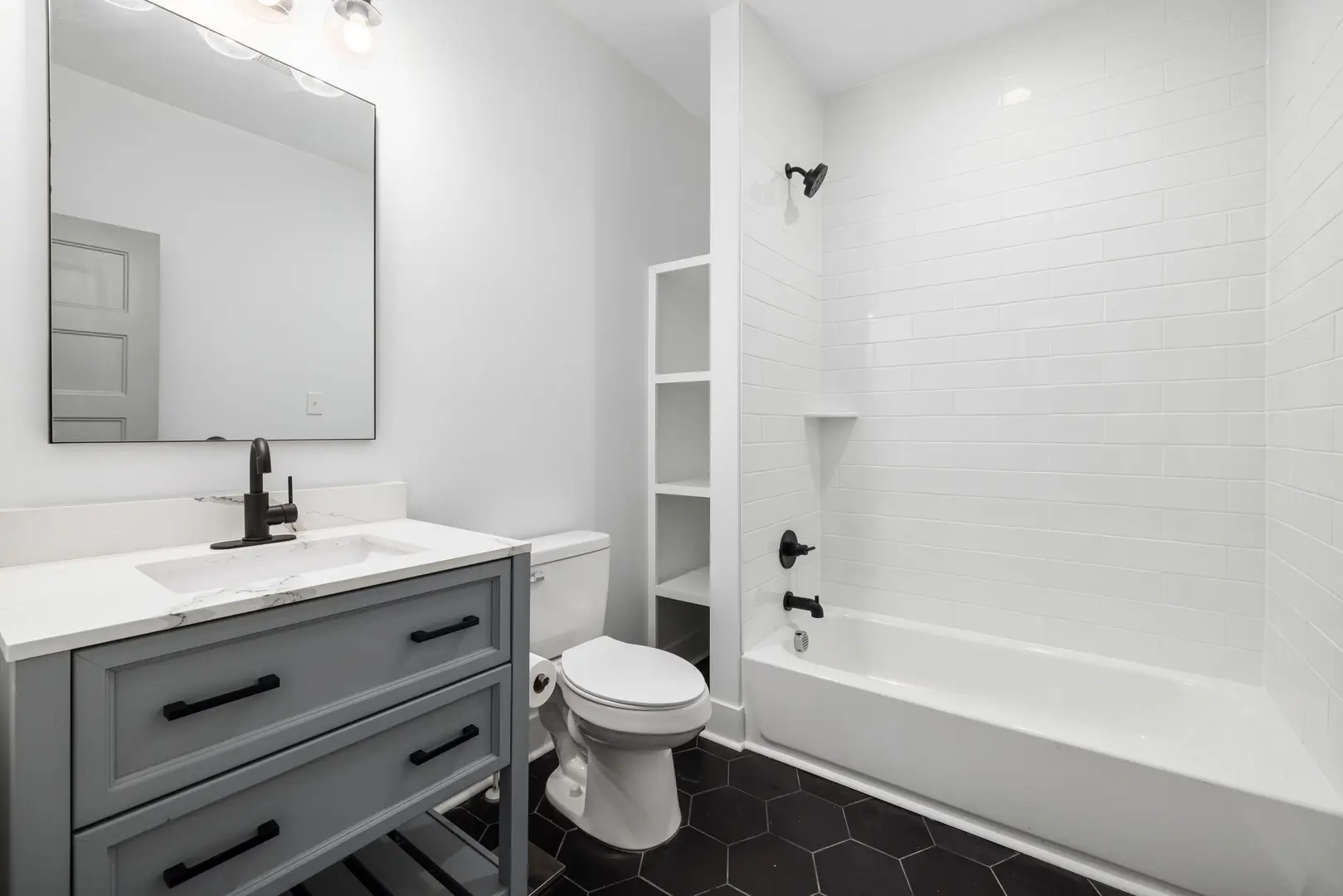
A floating vanity is mounted above the floor. By leaving flooring visible underneath, it can create a greater sense of openness. This makes it appealing where homeowners want two sinks without the visual weight of a full-height cabinet.
The two options involve several design differences:
- Storage: Floor-standing cabinets may offer more enclosed volume, while floating units can sacrifice some capacity to maintain an open appearance.
- Visual balance: Both can create symmetry, although a floating vanity often produces a lighter, more contemporary look.
- Lighting: The vanity height, mirrors, and open areas affect how light is perceived around the unit.
- Ventilation and openness: Exposed space beneath a floating vanity may make the area feel less enclosed, but the bathroom’s wider ventilation plan still matters.
- Cleaning access: Visible flooring under a floating unit changes how the floor is reached and maintained.
A single vanity is another important alternative. It can provide more uninterrupted countertop space and may allow room for wider drawers or tall storage. In many compact bathrooms, one sink with efficient organisation is more useful than two sinks with limited surrounding space.
The Shared-Bathroom Experience
Separate sinks can reduce small but recurring conflicts. Two users do not have to negotiate who brushes their teeth first or who moves their toiletries away from the basin. Dedicated drawers and mirror areas can further strengthen that sense of personal territory.
However, two basins do not guarantee that two people can comfortably use the room. If the vanity fills most of the available width or leaves little standing room, users may still bump into each other. One person might also block the doorway, shower, or toilet while using a sink.
The shared experience depends on the whole layout. A double vanity works best when the bathroom supports simultaneous use through adequate movement space, accessible storage, and balanced lighting. Where the room cannot provide that, a well-planned single vanity may create a calmer and more cooperative environment.
Final Thoughts
The pros and cons of double bathroom vanities extend beyond the convenience of having two sinks. They affect storage, plumbing, cleaning, lighting, door clearance, movement, cost, and the overall visual character of the room.
A double vanity can be a valuable addition for a household in which two people regularly get ready together. It can provide personal space, reduce waiting, and establish a luxurious focal point. On the other hand, it may be unnecessary for one primary user, and it can compromise comfort in a small or awkwardly arranged bathroom.
Before choosing, evaluate the available space, installation requirements, storage layout, budget, and daily routines. Whether the final design feels spacious and refined or crowded and impractical depends on how well the vanity fits the room and the people who use it.