Dual Shower Heads Benefits: Why Choose Two Shower Heads
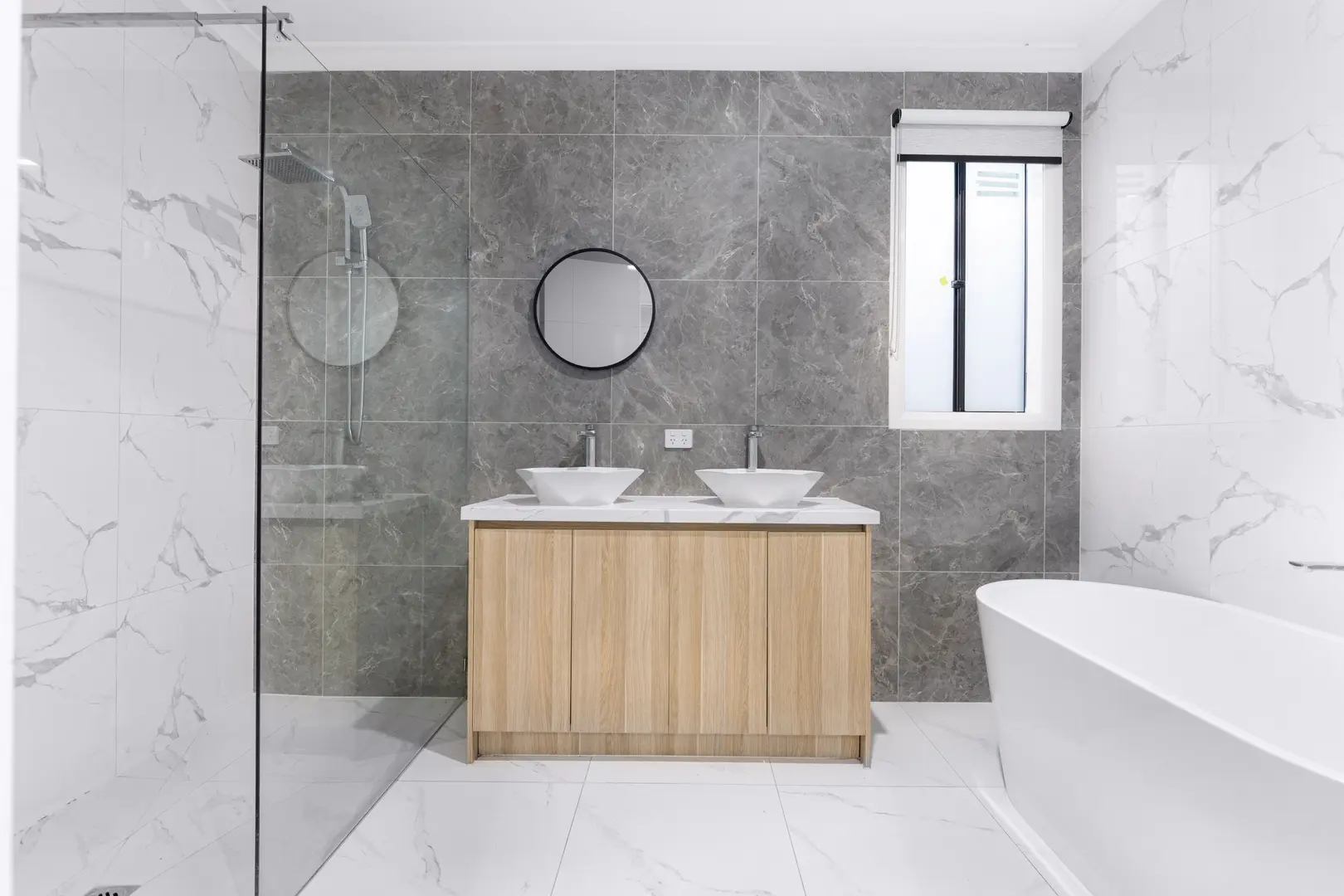
A dual-head shower brings greater flexibility to an everyday routine. Instead of relying on one fixed spray, you can combine two shower heads with different positions or spray styles. For example, an overhead drencher can provide broad coverage while a handset offers more focused control.
The most important dual shower heads benefits include convenience, versatility, and the ability to create a shower experience that works for different people. However, not every shower type supports two outlets—or allows both to run together—so choosing the right configuration is essential.
What Is a Dual-Head Shower System?
A dual-head shower system is a setup featuring two shower heads. These may be installed in different positions and designed to deliver distinct spray experiences.
One common combination includes:
- A large overhead or wall-mounted drencher for broad coverage
- A handheld shower head for flexible, targeted rinsing
This arrangement allows users to switch between a relaxing all-over spray and a more controlled stream. Depending on the shower system, it may also be possible to operate both heads at the same time.
The flexibility to combine different shower head styles is one of the main dual shower heads benefits. A person who enjoys an overhead rainfall effect can use the drencher, while someone who prefers a closer, more direct spray can use the handset. This versatility is particularly helpful in a shared bathroom, where family members may have different preferences.
A second head can also make everyday tasks more convenient. A movable handset can direct water where it is needed without requiring the user to stand directly beneath an overhead spray. Meanwhile, the fixed head remains available for a more immersive shower.
A dual-head setup does not have to mean two identical outlets. In many cases, its value comes from combining heads that perform different roles. Before choosing a system, consider how each head will be used and whether simultaneous operation matters to you.
Choosing Shower Head Types for Your Needs
The right shower heads depend on how you like the water to feel and how much freedom of movement you want. Spray pattern, mounting position, and adjustability all influence the overall experience.
Common choices include overhead drenchers, fixed wall-mounted heads, adjustable heads, and handsets. Each option serves a slightly different purpose:
| Shower head type | Best suited to |
|---|---|
| Overhead drencher | Broad, rainfall-style coverage |
| Fixed wall-mounted head | A consistent spray from a set position |
| Adjustable wall-mounted head | Users who want to change the height or angle |
| Handset | Flexible and targeted rinsing |
Combining two contrasting heads often provides more value than selecting two with similar functions. For example, an overhead drencher and a handset offer both full-body coverage and precise control. A fixed head paired with an adjustable one may also work well in a bathroom used by several people.
Spray patterns should be considered carefully. Some users prefer a broad, gentle flow, while others want a more concentrated sensation. A dual system allows those preferences to coexist without asking every user to accept the same shower style.
Another practical benefit is improved coverage. With only one spray source, parts of the body may feel cooler when they are outside the flow. Two heads can help reduce that chilled sensation by directing water across a wider area. This can make the shower feel more consistent and comfortable, particularly when both outlets are designed to operate together.
When comparing options, ask:
- Do you prefer broad coverage or focused rinsing?
- Would an adjustable handset make the shower easier to use?
- Will people of different heights share the space?
- Do you want to use the shower heads separately, together, or both?
- Is the chosen spray range appropriate for the size of the enclosure?
These questions help identify which combination will provide meaningful everyday benefits rather than simply adding another fitting.
How Nozzle Design Affects Dual Shower Heads
Nozzle design plays an important role in how satisfying a dual-head shower feels. Even an attractive system may seem disappointing if its nozzles do not distribute water in a way the user enjoys.
The quality and arrangement of the nozzles influence the character of the spray. An effective design can create more consistent coverage, while an innovative nozzle layout may help distinguish between the experience offered by the two heads. For example, one head may be intended to produce a wide, enveloping spray while the second provides a more focused pattern.
Nozzle performance also affects perceived value. A dual system is not beneficial merely because it has two outlets. The water from each head needs to serve a useful purpose and suit the user’s preferences. If both heads produce an unsatisfying or nearly identical experience, the additional fitting may not feel worthwhile.
When viewing a dual-head system, look beyond the number and size of its nozzles. Consider:
- The shape and coverage of the spray
- Whether the two heads offer meaningfully different experiences
- How well the nozzle design suits the intended mounting position
- Whether each spray pattern matches your preferences
Good nozzle design supports the central advantages of a dual shower: useful coverage, choice, and a more satisfying experience. It should therefore be considered alongside appearance, head type, and installation style.
Ceiling-Mounted Dual Shower Heads
A ceiling-mounted shower head is installed directly into the ceiling, positioning the spray above the user. This arrangement is commonly chosen to create an overhead rainfall experience.
In a dual-head system, the ceiling-mounted head is often paired with a handset or a wall-mounted outlet. The ceiling head provides broad coverage, while the second head offers greater control. Users can enjoy the overhead spray for general showering and select the handset when they want to direct water more precisely.
The main appeal of a ceiling installation is the sensation of water falling from above. It can create an immersive experience without requiring the user to face a wall-mounted spray. When combined with another head, it also provides a clear contrast between full-body coverage and targeted rinsing.
Spray range is an important consideration, especially in a smaller shower enclosure. A broad overhead pattern needs to suit the available showering area. Before selecting a ceiling-mounted head, consider where the water will fall and whether its coverage matches the space.
Placement also affects how well the two heads complement each other. The overhead fitting should provide the desired coverage, while the second outlet should remain easy to reach and direct. The objective is a practical combination rather than two heads competing for the same role.
Wall-Mounted Dual Shower Heads
Wall-mounted dual shower heads are a versatile choice, particularly when one of the fittings offers height adjustment. Rather than fixing every user to a single spray position, an adjustable wall-mounted head can be raised or lowered to suit individual needs.
This makes wall-mounted arrangements useful for households with family members of different heights. Each person can position the shower head at a comfortable level instead of adapting to a fixed outlet that may be too high or too low.
A wall-mounted setup may combine:
- A fixed drencher with an adjustable handset
- Two heads positioned at different heights
- A larger main head with a smaller movable outlet
The handset can remain attached to an adjustable holder for regular showering and be removed when targeted rinsing is preferred. This combination provides a balance of stability and flexibility.
Wall-mounted fittings may also be easier for some users to reach than a head installed only in the ceiling. However, the ideal arrangement depends on the layout of the enclosure and the needs of the household.
When planning the positions, consider who will use the shower and how often the height needs to change. An adjustable fitting provides the greatest benefit when its controls and holder are accessible to everyone who shares the bathroom.
Which Shower Systems Support Dual Shower Heads?
Dual-head installations are available with several types of shower, but compatibility should never be assumed. A shower may include two outlets without supporting every mode of operation a buyer expects.
In particular, establish whether the system allows:
- Either shower head to be selected individually
- Both heads to operate at the same time
- Different head types to be combined
- The intended ceiling-mounted or wall-mounted arrangement
Simultaneous use is an important distinction. Some systems provide two heads but require the user to switch between them. Others may support both at once. Neither arrangement is automatically better; the right choice depends on how you plan to shower.
If you mainly want to alternate between a drencher and a handset, individual outlet selection may be enough. If your priority is wider coverage and reducing the sensation of exposed areas becoming chilled, a setup that supports both heads together may be more suitable.
Research the exact shower configuration rather than relying only on the phrase “dual head.” Check what the controls allow and how the available outlets are intended to work. A clear understanding of these points will help ensure that the installation delivers the convenience and flexibility you expect.
It is also useful to choose the two shower heads as one coordinated system. Their spray styles, mounting positions, and intended uses should complement each other. Compatibility is not just about connecting two fittings—it is about ensuring that the complete arrangement works as desired.
Digital and Mixer Shower Configurations
Digital and mixer showers are available in a variety of configurations, including options designed for more than one shower head. Depending on the specific system, users may be able to choose between an overhead head and a handset or operate both outlets simultaneously.
A digital configuration can form part of a flexible dual-head arrangement, but available functions vary. Do not assume that every digital shower supports two active outlets simply because it offers advanced controls. Confirm the number of supported outlets and how those outlets can be selected.
Mixer shower configurations also vary. Some are designed around a single head, while others accommodate an overhead drencher and a secondary handset. Where simultaneous operation is offered, both heads may provide broader coverage and a more enveloping shower experience.
When comparing digital and mixer choices, focus on practical use:
- Identify which two shower head types you want.
- Decide whether you need separate or simultaneous operation.
- Check that the chosen shower configuration supports those functions.
- Confirm that the mounting positions work within your shower space.
- Consider whether the spray patterns provide enough contrast to justify two heads.
The wide range of configurations can be beneficial because it allows buyers to select a setup that matches their preferences. However, product capabilities should be verified before making a final decision.
Electric Shower Compatibility
Electric showers may be available in multiple configurations, including some arrangements involving more than one shower head. Compatibility depends on the particular shower and the way its outlets are designed to operate.
Research is therefore essential before pairing an electric shower with a dual-head setup. Check whether the selected model is intended to support two heads and whether it permits users to switch between them or run both together.
The presence of a main head and a handset does not necessarily confirm simultaneous operation. In some configurations, the second outlet provides an alternative spray choice rather than an additional flow used at the same time.
Begin by deciding which dual shower heads benefits matter most. If your priority is the ability to switch between an overhead spray and a handset, a compatible alternative-outlet configuration may meet your needs. If you want both heads to run together for wider coverage, that capability must be explicitly confirmed.
Avoid selecting shower heads first and assuming that any electric shower can support them. Treat the shower unit, controls, and two outlets as a complete system. This makes it easier to find a compatible arrangement and avoid expecting features that are not available.
Are Power Showers Suitable for Dual Heads?
Power showers generally offer limited options for dual-head arrangements. They are not typically suitable for a standard dual shower head setup, particularly when the aim is to choose freely between two outlets or operate both at once.
For that reason, a power shower should not be the default choice if two shower heads are a key requirement. Although available configurations may vary, dual-head flexibility is more commonly associated with compatible digital, mixer, or certain electric shower systems.
Before making a decision, compare the shower types based on the functions you actually need. If you want a drencher and handset combination, adjustable positioning, or simultaneous use, verify that the complete system is specifically designed to provide those features.
The strongest dual shower heads benefits come from choosing two complementary heads and a shower system that can operate them as intended. With the right combination, users gain broader coverage, different spray options, greater convenience, and a shower that can adapt to varying preferences throughout the household.