Eco-Friendly Bathroom Suites: What to Consider
Choosing a bathroom suite is about more than coordinating a toilet, basin, bath, shower, and vanity. It is also an opportunity to reduce water and energy use, select responsible materials, and create a room that remains practical for years.
When researching eco friendly bathroom suites what to look for should include both environmental credentials and everyday suitability. The most sustainable choice is not necessarily the product with the strongest “green” language. It is the suite that conserves resources, works for your household, fits the space, and will not need replacing prematurely.
Why Choose a Greener Bathroom?
Bathrooms can account for significant household energy and water use. Water is required for showers, baths, taps, and toilet flushing, while energy is used for hot water, lighting, ventilation, and heating. If efficiency is overlooked during a renovation, the result may be higher running costs and a larger long-term environmental impact.
A greener bathroom addresses these issues through carefully selected fixtures, materials, and lighting. Low-flow taps and efficient toilets help limit unnecessary water use. Energy-efficient lighting reduces electricity demand, while durable materials can reduce the need for frequent replacement.
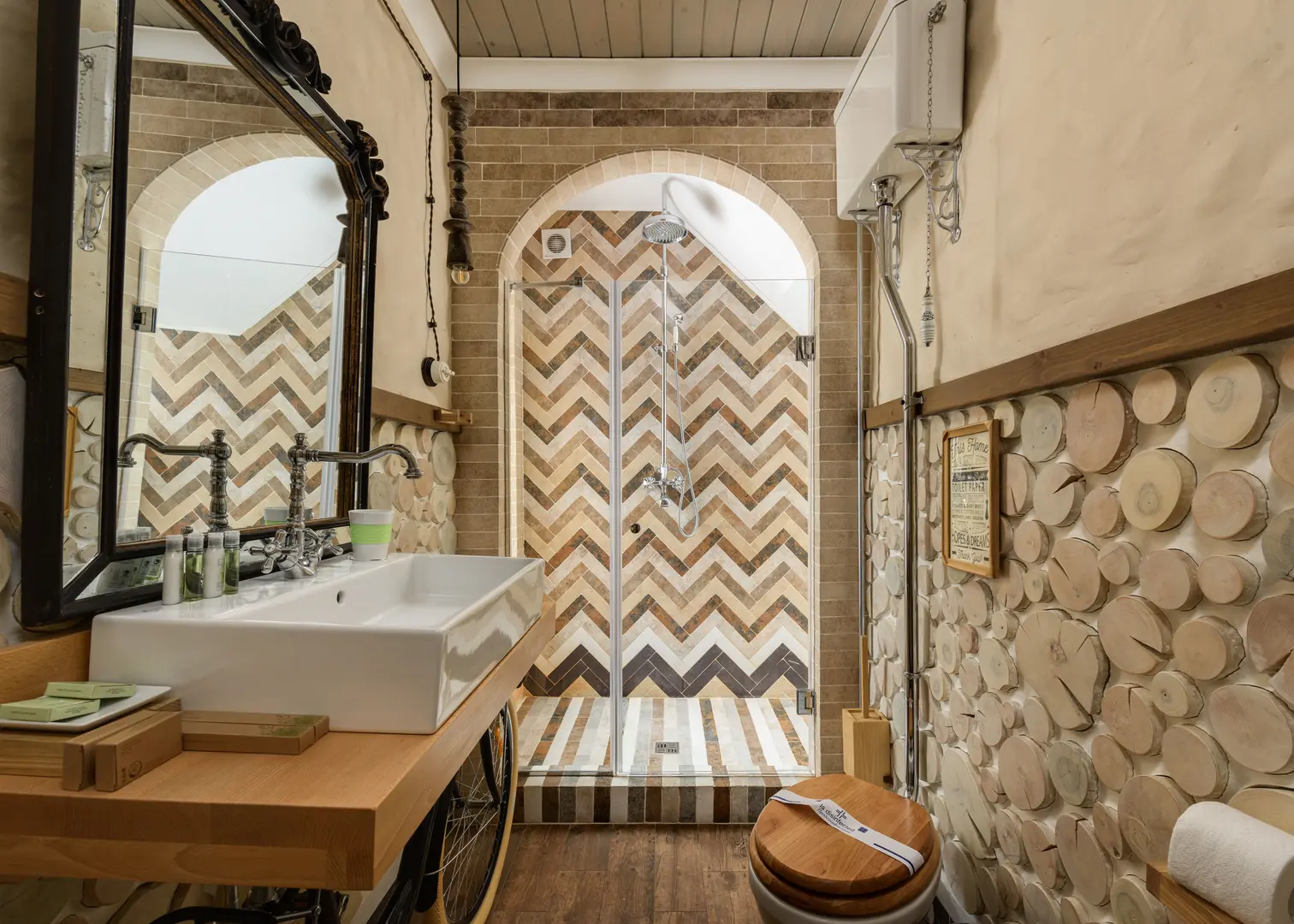
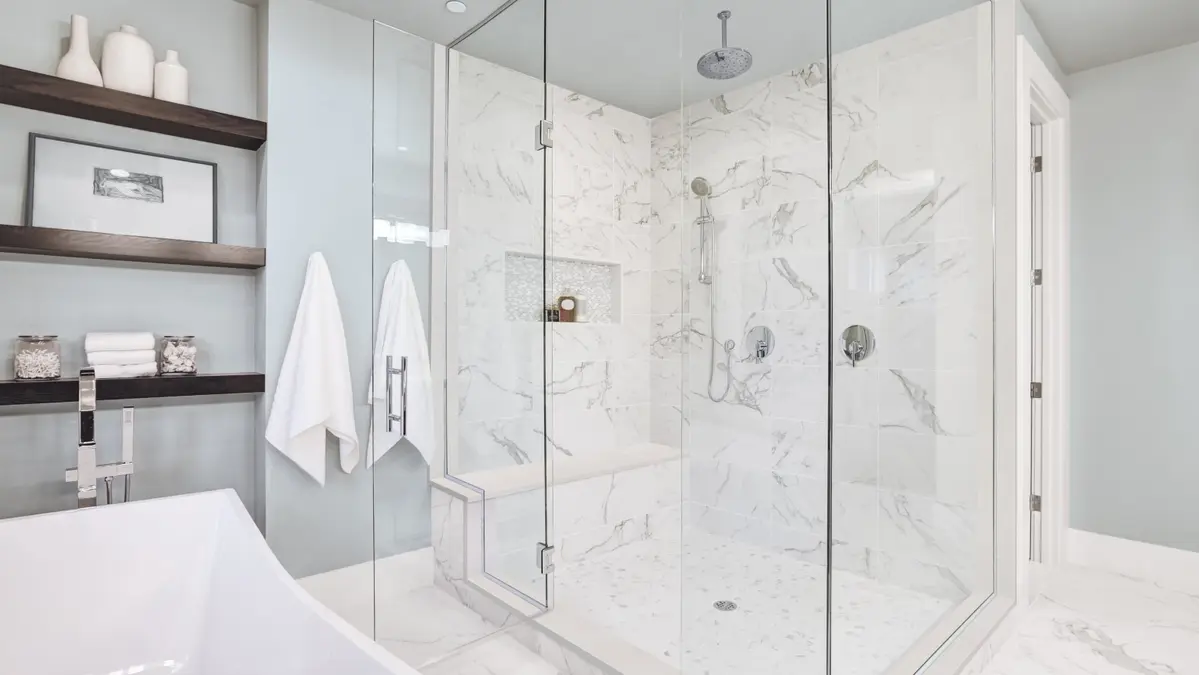
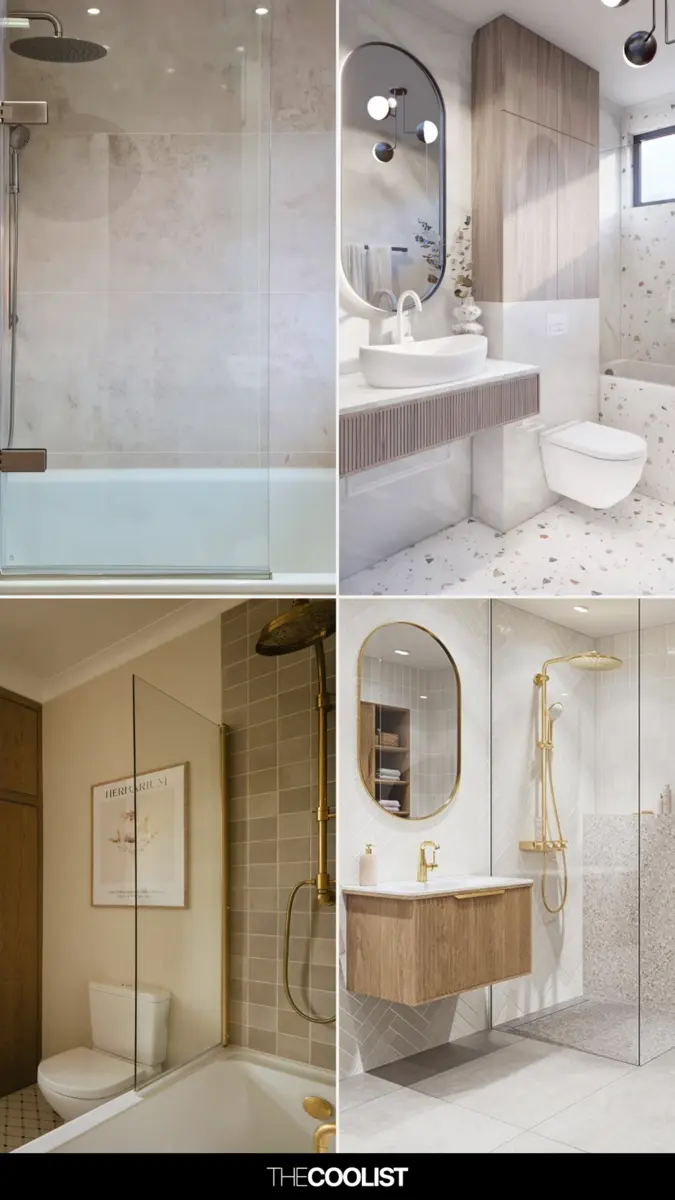
Sustainability does not have to mean compromising on appearance. Modern eco-conscious products are available in clean, contemporary styles as well as more traditional designs. Concealed plumbing, streamlined basins, wall-mounted furniture, and coordinated finishes can all support a polished look while improving efficiency.
The best approach is to treat environmental performance as part of the overall design rather than as an optional extra. Considering it early gives you more control over the layout, product selection, installation requirements, and budget.
Key Features of an Eco-Friendly Bathroom Suite
An eco-friendly suite should combine resource efficiency, responsible material choices, and lasting functionality. Focus on features that provide a clear benefit rather than relying solely on broad environmental marketing.
Key features include:
- Dual-flush toilets: These provide different flush options depending on the level of water required. Using the lower-volume setting when appropriate can reduce unnecessary water consumption.
- Water-saving taps: Flow-limiting designs reduce the amount of water released without requiring users to change their routines significantly. Check whether any flow-control features are built in or supplied separately.
- Efficient shower fittings: A water-conscious shower can help limit flow while maintaining a comfortable experience. It should still suit the home’s water system and the preferences of the people using it.
- Sustainable materials: Look for responsibly sourced, recycled, recyclable, or durable materials where suitable. Consider the suite as a whole, including the vanity, worktop, handles, panels, and finishes.
- Energy-efficient lighting: Efficient fittings support lower electricity use and can provide effective task, ambient, and mirror lighting when planned correctly.
- Long-lasting design: A well-made product that remains useful and visually appealing is less likely to be removed simply because trends change.
Material selection requires some care. A product made with recycled content may sound appealing, but durability, repairability, and maintenance also matter. Likewise, a natural material is not automatically the most practical option if it requires intensive upkeep or is poorly suited to a wet environment.
Ask suppliers for specific information about materials, manufacturing, certifications, and care requirements. Clear documentation is more useful than vague terms such as “natural,” “green,” or “environmentally friendly.”
The Main Advantages of an Eco-Friendly Bathroom Suite
The environmental case for an eco-friendly bathroom is straightforward: efficient fixtures can reduce demand for water and energy, while thoughtful material choices can limit unnecessary resource use. However, the advantages also extend to daily comfort, household costs, and the bathroom’s long-term usability.
A coordinated eco-friendly suite may offer:
- Lower water consumption through efficient taps, showers, and toilets
- Reduced energy demand from hot-water use and lighting
- A more comfortable interior when low-emission materials are combined with suitable ventilation
- Less pressure to replace products when the design and construction are durable
- A coherent appearance across the toilet, basin, storage, and bathing area
- Greater appeal to future buyers who value efficient home features
There can be trade-offs. Certain sustainably produced products may have a higher initial price, and some specialised fittings can be more complicated to install. Availability may also vary by material, finish, or location. These issues do not make eco-friendly products impractical, but they reinforce the need to compare total value rather than looking only at the purchase price.
How Going Green Can Benefit Your Home and Budget
Low-flow fixtures can reduce the volume of water a household uses, which may help lower utility bills. Fixtures that reduce hot-water demand can also limit the energy needed to heat that water. The actual saving will depend on household habits, local charges, product performance, and the existing bathroom.
Efficient lighting provides another opportunity to reduce ongoing energy use. A layered lighting plan can keep the room functional without relying on excessive or inefficient illumination.
Environmental improvements can also contribute to a smaller household carbon footprint. Using less energy and choosing longer-lasting products reduces the resources associated with operating and repeatedly renovating the room.
Indoor air quality deserves attention too. When choosing furniture, paint, adhesives, sealants, and finishes, look for options with credible low-emission information. Pair suitable materials with effective ventilation, particularly in a room exposed to regular moisture. Product selection alone cannot replace ventilation, but both can form part of a healthier interior strategy.
An efficient, well-designed bathroom may also support property value. Buyers often appreciate practical features that suggest lower running costs and a renovation that will not immediately need updating. However, value is more likely to come from a complete, usable design than from eco credentials alone. Good installation, adequate storage, reliable fixtures, and timeless styling remain important.
Eco-Friendly Bathroom Fixtures Worth Considering
Not every component needs to be replaced at once. If a complete suite is outside the budget, prioritise fixtures that are used frequently or responsible for substantial water and energy demand.
Suitable options include:
| Fixture | Eco-conscious feature to consider | Practical check |
|---|---|---|
| Toilet | Dual-flush operation | Make sure controls are easy for everyone to use |
| Basin tap | Flow-limiting or water-saving design | Confirm compatibility with the water system |
| Shower | Water-conscious shower fitting | Check that the expected performance suits the household |
| Bath | Appropriately sized, durable design | Consider whether regular bathing justifies a larger model |
| Vanity | Durable or responsibly sourced materials | Review moisture resistance and storage capacity |
| Lighting | Energy-efficient fittings | Plan task lighting around mirrors and grooming areas |
| Ventilation | Efficient operation and suitable controls | Ensure it is appropriate for the room and installation |
| Accessories | Reusable, refillable, or long-lasting products | Avoid buying items that add clutter without real use |
A bath-versus-shower decision should reflect real habits. Removing a bath in favour of a shower may work for some households, but it may be inconvenient for families, people with specific accessibility needs, or future buyers. Similarly, installing both is not automatically sustainable if one will rarely be used.
Repairability should influence fixture selection as well. Ask whether common components can be accessed and replaced without removing major sections of the bathroom. A fixture that can be maintained may have greater long-term value than one that must be discarded after a minor failure.
Choosing an Eco Suite for Your Available Space
Begin with accurate measurements and a realistic assessment of how the bathroom is used. Note the positions of doors, windows, pipework, electrical points, ventilation, and fixed architectural features. Then consider how much clearance is needed around each fixture.
In a compact bathroom, an oversized suite can make movement and cleaning difficult. Space-saving basins, appropriately scaled toilets, shower enclosures, and furniture with integrated storage may create a more practical layout without adding unnecessary products.
Wall-mounted vanities are particularly useful where floor space is limited. By keeping the floor visible, they can make the room feel less crowded and simplify access underneath. They also allow the installation height to be adjusted to suit users. However, the wall must be suitable for the load, and pipework may need to be repositioned. Professional installation may therefore be necessary.
Lifestyle should guide the layout as much as room size. Consider:
- How many people use the bathroom
- Whether it becomes busy at particular times
- The amount and type of storage required
- Whether children, older people, or users with limited mobility need specific features
- Whether a bath, shower, or combination is most practical
- How easy surfaces and fixtures will be to clean
- Whether maintenance points remain accessible
Avoid rushing from inspiration to purchase. Inadequate planning is a common route to design problems and budget blowouts. A fixture may fit on a floor plan but still interfere with a door, reduce comfortable movement, or require expensive plumbing alterations.
Before ordering, map the complete layout and confirm installation requirements with relevant professionals. This helps identify hidden costs and prevents an apparently efficient product from creating avoidable waste during fitting.
Practical Checks Before You Buy
The right suite must support your household’s needs. A low-flow fitting that users find frustrating may be replaced early, while an impractical layout can undermine an otherwise sustainable renovation. Balance environmental performance with comfort, accessibility, maintenance, and reliability.
Use this checklist before committing:
- Confirm compatibility. Check that taps, showers, toilets, and other fittings suit the property’s plumbing and water system.
- Examine environmental claims. Look for recognised certifications, clear manufacturer documentation, and specific material or performance information.
- Choose lasting styles. Timeless shapes and finishes are less likely to feel dated than highly trend-led alternatives.
- Check construction and care needs. A product should be durable enough for a wet, frequently used room and manageable to maintain.
- Review installation complexity. Bespoke supports, relocated pipes, concealed components, or electrical changes can increase cost and disruption.
- Consider replacement parts. Ask whether key components are available and whether they can be accessed for maintenance.
- Calculate the wider budget. Include installation, preparation, disposal, finishing work, and any required professional services—not just the suite price.
- Buy for actual use. Avoid extra fixtures or features that consume materials and space without serving a clear purpose.
Eco-friendly products sometimes cost more upfront because of materials, production methods, or specialised design. That does not automatically make them a poor-value choice. Compare durability, expected resource use, maintenance, installation, and suitability alongside the initial price. Equally, do not assume the most expensive option is the most sustainable.
Budget-Friendly Eco-Friendly Cleaning Solutions
Cleaning choices can support the bathroom’s environmental goals without requiring a cupboard full of specialist products. Start by buying only what is needed and following the care instructions for each fixture or surface.
Cost-conscious options include:
- Using washable cloths instead of repeatedly buying disposable wipes
- Choosing refillable or concentrated cleaners where practical
- Using a mild multipurpose cleaner on compatible surfaces
- Cleaning regularly so heavy product use is less likely to be needed
- Keeping a squeegee available for shower screens and wet surfaces
- Reusing suitable spray bottles only when it is safe to do so and labels remain clear
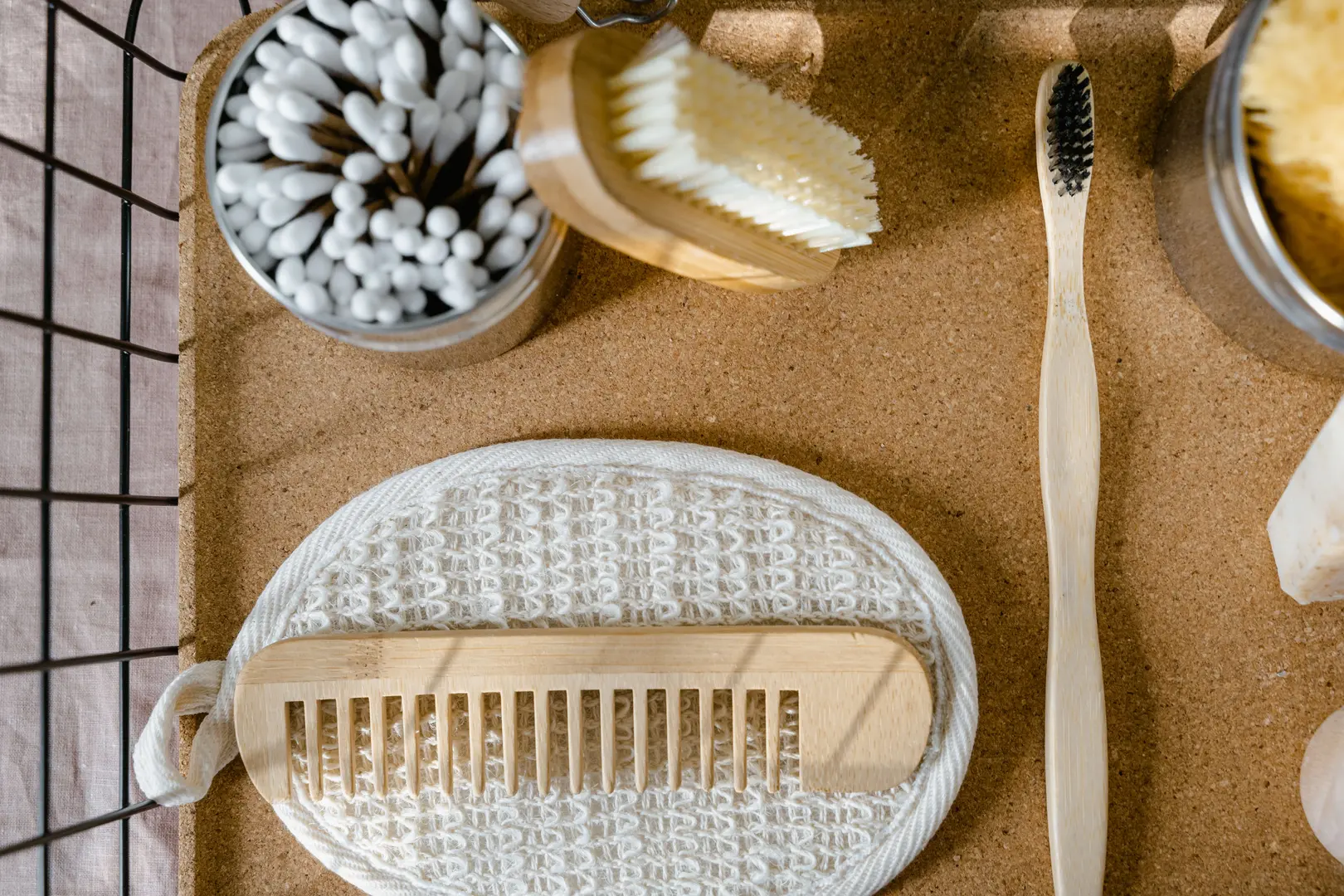
- Selecting simple tools that are durable and replace disposable alternatives
Common household cleaning ingredients are not suitable for every finish. Acidic solutions, abrasive powders, and rough tools can damage natural stone, coatings, grout, seals, or polished surfaces. Check manufacturer guidance before trying a homemade cleaner, and never mix cleaning products unless the instructions explicitly say it is safe.
Preventive care is often the most economical approach. Wiping up standing water, maintaining ventilation, and addressing small leaks or worn seals promptly can help fixtures and finishes remain serviceable for longer.
Small Sustainable Choices Can Make a Big Difference
A greener bathroom does not need to look basic or clinical. Sustainable design can enhance the space by encouraging a cleaner layout, carefully chosen materials, efficient lighting, and fixtures that serve a clear purpose. The result can feel considered rather than crowded.
It is also unnecessary to pursue perfection. If a full renovation is not practical, replace inefficient or worn components as the need arises. A dual-flush toilet, water-saving tap, efficient light fitting, refillable soap container, or reusable cleaning cloth is a relatively small choice, but each can help reduce resource use.
Focus first on the changes that fit your space, budget, and daily routine. Verify environmental claims, plan installation carefully, and favour products that can remain useful beyond short-lived trends. A bathroom becomes more sustainable not through a single label, but through a series of practical decisions that combine efficiency, durability, comfort, and style.