Electric Shower Buying Guide for Choosing the Right Model
Choosing a shower involves more than comparing finishes and spray patterns. The right model must suit your water supply, electrical installation, household demand, and bathroom plans. This electric shower buying guide explains how electric showers work, where they make sense, how kilowatt ratings affect performance, and what to check before installation.
Electric showers are energy-efficient because they heat the water used for each shower rather than drawing from a stored hot water supply. They are also compatible with many domestic systems, but the model must match the property’s available mains pressure, wiring, pipework, and protective fuse.
How Electric Showers Heat Your Water
An electric shower takes water directly from the cold mains supply. Inside the unit, water passes over an electric heating element, which raises its temperature before it reaches the showerhead.
This operating method has several practical advantages:
- Only a cold water connection is required.
- Hot water does not need to be stored in a cylinder or tank.
- The shower can provide hot water independently of the main boiler.
- Water is heated when the shower is running rather than stored in advance.
- Installation is possible across a wide range of domestic heating systems.
The temperature of the shower depends on the balance between the heating element’s output and the amount of water flowing through the unit. If water moves through too quickly for the element to heat it sufficiently, the shower must reduce the flow to maintain the selected temperature. This is why electric shower performance can feel different between models with different kilowatt ratings.
Although only a cold water pipe is needed, installation is not simply a matter of attaching the shower to an existing bathroom cable. The electrical supply must be suitable for the model’s power rating, and the water connection must meet the manufacturer’s requirements.
An electric shower can be particularly useful when creating a shower in a part of the home that does not have convenient access to stored hot water. Its independence from the central hot water system gives homeowners more flexibility when planning bathrooms, en suites, or replacement installations.
Which Homes and Households Suit Electric Showers?
Electric showers can work in most types of property, but they are especially useful where stored hot water is limited or where an independent source of hot water would be convenient.
They are worth considering in the following situations:
- Homes with small hot water tanks: An electric shower does not use the stored supply, so showering will not empty a small cylinder.
- New bathroom projects: Because the unit requires a cold water connection rather than both hot and cold supplies, it can offer greater flexibility when planning a new bathroom or en suite.
- Properties with combi boilers: Electric showers can operate separately from the boiler, providing an alternative way to obtain hot water for showering.
- Households that want instant hot water: There is no need to wait for a tank of water to heat before using the shower.
- Homes where hot water demand overlaps: Someone can use the electric shower without drawing hot water from the household’s stored supply.
This independence can also be helpful if the main hot water system is unavailable. However, an electric shower still relies on electricity and adequate cold mains pressure, so it should not be viewed as entirely independent of household services.
Before choosing one, consider how the shower will be used. A lightly used guest bathroom may have different requirements from a main family bathroom used several times each morning. Higher-powered models may provide a more satisfying flow, but only if the property’s electrical installation can support them.
You should also assess the incoming cold water supply. An electric shower relies on mains pressure and does not include a pump to increase it. If cold-water performance is poor elsewhere in the property, ask an installer to check whether the available supply is appropriate before buying a unit.
For a replacement project, note the power rating of the existing shower and have the cable and fuse checked. Do not assume that a more powerful replacement can use the same electrical arrangement.
Electric and Power Showers Compared
Electric showers and power showers are sometimes confused, but they use different water supplies and solve different problems.
| Feature | Electric shower | Power shower |
|---|---|---|
| Water supply | Cold mains water only | Separate hot and cold supplies |
| Water heating | Internal electric element | Uses water already heated by the home |
| Pump | No built-in pump for increasing mains pressure | Includes a pump |
| Main dependency | Electricity and cold mains pressure | Available stored hot water and suitable supplies |
| Typical reason to choose | Instant hot water independent of the boiler or tank | Stronger flow from a suitable hot and cold water system |
An electric shower relies on the pressure of the incoming mains water. Its electrical rating determines how quickly it can heat that water, but the unit does not pump the supply to create higher mains pressure.
A power shower mixes water from the home’s hot and cold supplies. Its built-in pump is designed to increase the flow delivered through the shower. This makes it fundamentally different from a high-kilowatt electric shower.
The right choice therefore depends on the property:
- Choose an electric shower when you want water heated within the shower and only have—or prefer to use—a cold mains connection.
- Consider a power shower when suitable hot and cold supplies are available and the purpose is to improve flow using a pump.
A power shower is not necessarily a substitute for an electric model in a home with limited stored hot water. Because it uses the household’s existing hot supply, its performance and operating time remain connected to the amount of hot water available.
Similarly, selecting a more powerful electric shower will not correct every water-pressure problem. It can heat water faster and may deliver a stronger usable flow at a comfortable temperature, but it still depends on the incoming mains supply.
Understanding Electric Shower Power
Electric shower power is shown as a kilowatt rating, usually written as “kW.” This rating indicates the output of the internal heating element and is one of the most important points to compare.
In general, a higher kW rating allows the shower to heat water more quickly. This means it can usually pass more water through the unit while maintaining a comfortable temperature, leading to a stronger and more consistent shower experience.
Models rated at 10.5kW are generally at the top end of common electric shower options. However, the highest rating is not automatically the correct choice. A more powerful unit places greater demands on the electrical installation, so the existing cable and fuse may limit which models can be fitted safely.
When comparing models, consider these questions:
- What is the rating of the existing shower?
- Has the current cable been checked for the proposed replacement?
- Is the protective fuse suitable for that model?
- Does the cold mains supply meet the unit’s requirements?
- Is stronger flow important enough to justify any necessary electrical work?
A lower-powered shower may be adequate for occasional use or where the existing electrical installation limits the available options. For a frequently used main bathroom, a higher rating may be preferable if the property can support it.
Avoid choosing by kW alone. Controls, layout, installation compatibility, and the condition of the household services should also influence the decision.
What Different kW Ratings Mean
The practical difference between kW ratings is heating speed. A higher-powered element can transfer heat to the incoming cold water faster than a lower-powered one.
This affects the shower in several ways:
- Usable flow: More water can generally be heated to the desired temperature within the same period.
- Temperature consistency: Additional heating capacity can help maintain a comfortable temperature without reducing the flow as much.
- Seasonal performance: When incoming cold water requires more heating, the unit’s available power has a greater influence on the flow needed to reach the selected temperature.
- Overall experience: Better consistency in flow and temperature can make the shower feel more powerful and comfortable.
It is useful to distinguish between pressure and heated flow. A high-kW shower does not increase the pressure supplied by the cold mains. Instead, its greater heating ability can allow a stronger flow while still producing warm water. If the incoming mains supply itself is inadequate, increasing the shower’s kW rating may not resolve the underlying issue.
For replacement installations, matching the new rating to the existing electrical setup can simplify model selection. Moving to a higher rating may require changes to the cable or protective device. These requirements should be assessed before purchasing, not after the new shower has arrived.
Required Cable and Pipe Specifications
An electric shower requires a 15mm water pipe for its cold supply. The pipework should be planned so that it suits the selected unit and its connection position. This is particularly important when changing brands or redesigning the shower area, as connection layouts can vary.
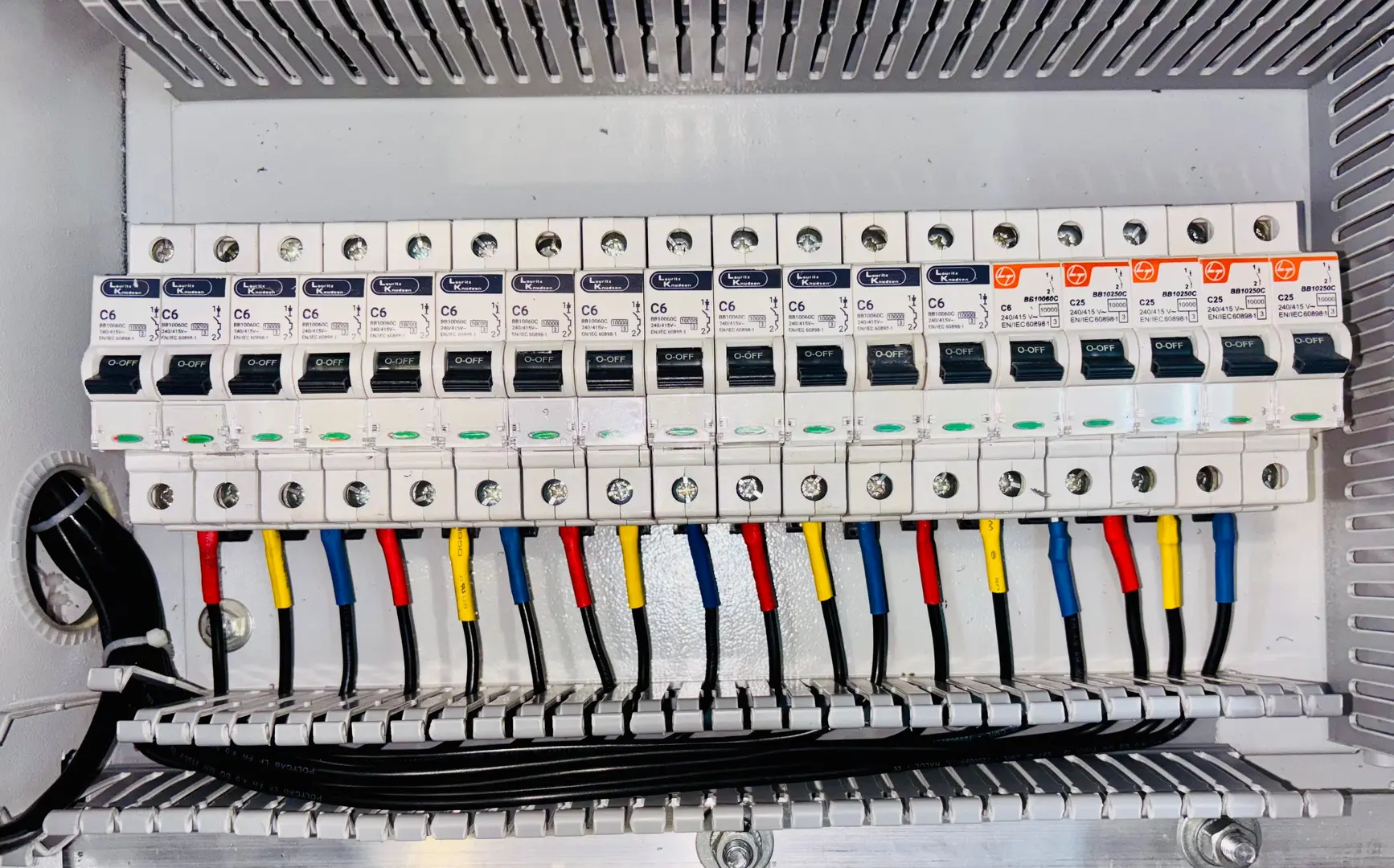
The electrical cable is equally important. Cable size affects which shower rating can be installed. A cable suitable for one model should not automatically be assumed to support a higher-kW replacement.
The correct arrangement depends on the shower manufacturer’s instructions and the property’s electrical installation. Cable and fuse guidance must be considered together:
- The cable must be suitable for the selected shower load.
- The protective fuse or circuit device must match the required installation specification.
- The existing setup should be inspected rather than judged only by the rating of the old shower.
- A higher-kW model may require electrical alterations.
- Installation must follow applicable electrical requirements and the manufacturer’s guidance.
Have the cable, fuse, water pipe, and mains supply assessed before finalising your purchase. This prevents you from selecting a model that cannot be supported without unplanned work.
If replacing a shower, provide the installer with the proposed model and kW rating. If planning a new bathroom, arrange the electrical and plumbing assessment early enough for the results to inform the layout and product choice.
Common Plumbing Mistakes and How to Avoid Them
The shower itself is only one part of the bathroom plumbing system. Existing drainage or supply problems should be addressed before installation, particularly during a larger renovation.
Common mistakes include:
- Flushing unsuitable items: Toilets and drains can become blocked when used to dispose of items that do not belong in the waste system. Dispose of household and hygiene products appropriately rather than flushing them.
- Ignoring slow drains: A drain that empties slowly may indicate a developing obstruction. Delaying attention can allow the problem to become more disruptive.
- Overlooking unusual smells: Persistent drain odours should not be treated as normal. Arrange an inspection to identify the source.
- Attempting complicated repairs without expertise: Unsuccessful work can worsen a plumbing problem and increase the eventual repair cost. Bring in an experienced professional when the cause or solution is unclear.
- Skipping a pre-purchase inspection: When buying a property, checking the plumbing before completion can reveal issues that might otherwise result in unexpected work after moving in.
Where non-urgent repairs are needed, compare multiple quotes. This can help you understand the proposed work and judge whether the price is reasonable. Obtaining several quotes takes time, however, and may not be practical when an active leak or another urgent problem requires immediate attention.
The best buying decision combines product choice with preparation. Confirm the 15mm water supply, check the mains performance, and have the cable and fuse assessed against the intended kW rating. With those details established, you can select an electric shower that fits both your preferred shower experience and the practical limits of your home.