9 Fiberglass Shower Benefits for Your Bathroom
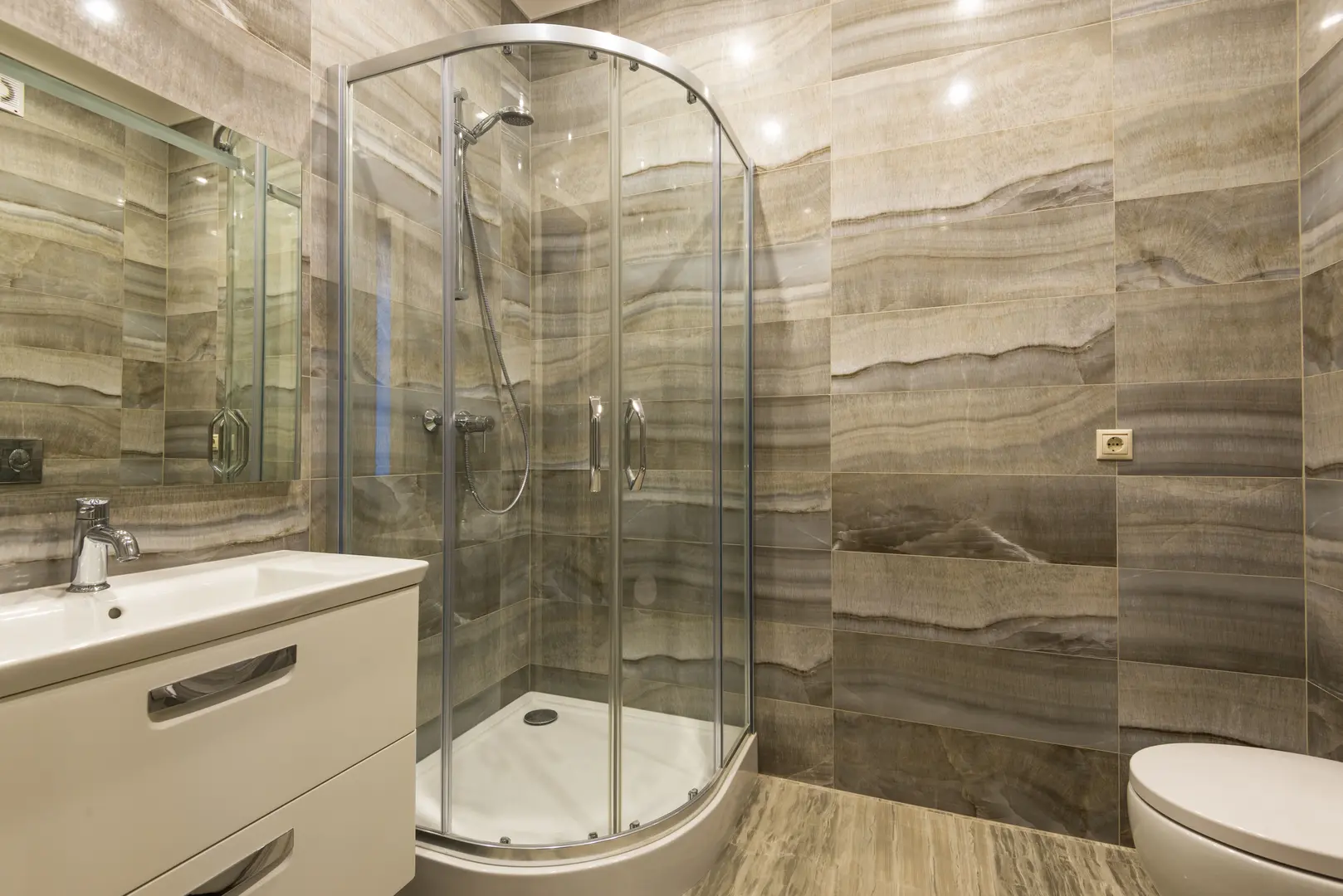
Fiberglass showers combine practical performance, flexible design, and manageable costs. Made from reinforced plastic, these shower units are especially appealing to homeowners who want a water-resistant enclosure without the expense or maintenance associated with tile or natural stone.
The following guide explains nine key fiberglass showers benefits, along with maintenance advice and comparisons with other common shower materials.
Understanding Fiberglass Shower Construction
A fiberglass shower is made from plastic reinforced with fine glass fibres. This combination creates a strong but relatively lightweight structure that can be moulded into shower bases, wall panels, or complete enclosures.
Many fiberglass showers are manufactured as prefabricated units. Depending on the design, the enclosure may arrive as a single piece or as several coordinated sections. Single-piece models minimise the number of seams, while sectional units may be easier to move into an existing bathroom.
The finished surface is designed to resist water and provide a smooth, easy-to-clean shower interior. Manufacturers can also shape and colour fiberglass in different ways, allowing units to feature:
- Smooth, minimalist walls
- Moulded shelves and storage areas
- Textures resembling tile or stone
- A range of neutral or decorative colours
- Different base and enclosure configurations
Because much of the structure is prepared before it reaches the bathroom, installation is generally simpler than constructing a tiled or stone shower from individual materials.
Why Fiberglass Is a Popular Shower Choice
Fiberglass appeals to homeowners because it offers a balance of affordability, convenience, and everyday performance. It is generally less expensive than natural stone or custom tile, and prefabrication can reduce the amount of labour required on site.
Its water-resistant surface also requires relatively little maintenance. Unlike tiled walls, which contain numerous grout lines, a fiberglass enclosure has few joints where dirt and moisture can collect. This makes routine cleaning more straightforward.
Design flexibility is another reason for its popularity. Fiberglass showers are available in numerous colours, textures, sizes, and layouts. Homeowners can choose a simple enclosure for a small bathroom or select a more decorative finish intended to imitate traditional tile or stone.
Key Advantages of Fiberglass Showers
The main fiberglass showers benefits extend beyond their initial price. They can make installation easier, simplify bathroom upkeep, provide a comfortable shower surface, and offer enough design variety for many renovation styles.
A Cost-Effective Shower Solution
Fiberglass is typically a budget-friendly alternative to tile and natural stone. Stone shower enclosures require premium materials, careful handling, and specialised installation. Tiled showers involve multiple components, including the tiles, backing materials, grout, and waterproofing system, as well as the labour needed to install each section.
By contrast, a fiberglass shower is usually prefabricated. Much of the cutting, shaping, and finishing is completed during manufacturing rather than in the bathroom. Installers can position the enclosure or assemble its prepared panels without having to build the entire finished surface piece by piece.
This streamlined process can reduce labour expenses as well as material costs. It may be particularly useful for rental properties, guest bathrooms, and renovations where controlling the overall budget is a priority.
The final cost will still depend on the shower’s size, style, plumbing requirements, and installation conditions. Nevertheless, fiberglass usually offers a more accessible route to a complete shower enclosure than custom tile or stone.
Fast and Straightforward Installation
Single-piece fiberglass showers simplify installation because the walls and base can be formed as one integrated unit. Once the bathroom and plumbing connections are ready, the enclosure can be placed and secured without the repeated setting, grouting, and finishing steps required for tile.
A faster installation process can provide several advantages:
- Fewer individual surface materials need to be fitted.
- There is no extensive tile layout or grout application.
- The shower may be ready sooner than a custom-built enclosure.
- Reduced labour time can help control renovation costs.
- The limited number of seams simplifies waterproof finishing.
Sectional fiberglass systems also offer installation convenience. Their separate pieces can be assembled in the bathroom while still providing a coordinated enclosure.
Proper fitting remains essential. The base must be adequately supported, the unit must be level, and all plumbing connections and seams must be completed according to the manufacturer’s directions.
Simple Cleaning and Minimal Upkeep
Fiberglass has a smooth, non-porous finished surface that helps limit the buildup of soap residue and everyday bathroom grime. It does not have the many grout lines found in a typical tiled shower, so there are fewer narrow areas requiring detailed scrubbing.
For routine care, homeowners can generally wipe the shower with a soft cloth or non-abrasive sponge and a mild cleaner approved for fiberglass. Regular rinsing and drying can further reduce residue.
This low-maintenance quality is especially useful for busy households. Rather than periodically sealing stone or cleaning discoloured grout, homeowners can focus on simple, consistent surface care.
Fiberglass is not maintenance-free, however. Abrasive tools and aggressive chemicals may dull or scratch the finish. Gentle cleaning is the best way to preserve its appearance.
Reliable Durability Over Time
Although fiberglass is lightweight, its reinforced construction provides dependable strength for normal bathroom use. A properly installed and maintained unit can offer lasting service without the weight or complexity of masonry-based materials.
One useful feature is its repairability. Minor chips, cracks, or worn areas can often be addressed using a fiberglass repair kit intended for shower surfaces. These kits allow compatible material to be applied to the damaged section instead of requiring immediate replacement of the entire enclosure.
Repairs should be completed promptly and according to the product and shower manufacturer’s instructions. More extensive cracks, movement, or damage around the drain may indicate an installation or support issue and should be assessed by a qualified professional.
Lightweight Design with Solid Construction
Fiberglass shower components are easier to handle than heavy stone slabs or assemblies made from tile and mortar. Their lower weight can make transportation and positioning more manageable during a bathroom renovation.
This can be particularly valuable in an older home. Bringing heavy materials into an existing property may complicate the project, especially when access is limited or the building’s structure must be considered. A lightweight fiberglass enclosure places less material weight in the shower area while still providing a sturdy, reinforced surface.
Lower weight does not eliminate the need for proper support. The shower base and surrounding structure must be prepared correctly so the enclosure remains stable and does not flex excessively during use.
Protection Against Water and Mould
Fiberglass is naturally suited to wet environments because its finished surface repels water rather than absorbing it. Single-piece enclosures offer an additional advantage: their seamless or nearly seamless interiors leave fewer joints through which moisture can travel.
This water resistance also helps limit conditions that allow mould and mildew to develop on the shower surface. Fewer seams and no extensive grout network mean fewer places for moisture and residue to remain trapped.
Good bathroom practices are still important. Ventilation, routine cleaning, and attention to seals around fixtures and drains all contribute to controlling dampness. Fiberglass can simplify moisture management, but leaks or poor airflow should not be ignored.
Flexible Styles, Colours, and Textures
A practical material does not have to limit design choices. Fiberglass can be formed in different shapes and produced with a wide variety of finishes. Options range from plain white walls to coloured or textured surfaces designed to complement a broader bathroom scheme.
Some units reproduce the visual character of tile or stone through moulded patterns and surface detailing. These finishes can provide a decorative appearance without the weight, cost, grout, or upkeep associated with the original material.
Fiberglass enclosures may also include integrated features such as shelves, ledges, or seating, depending on the model. This makes it possible to combine storage and comfort features within the moulded shower structure.
Although it may not provide the exact depth and individuality of genuine stone or handmade tile, fiberglass offers enough variety to suit many traditional and contemporary bathrooms.
A Warmer, More Comfortable Surface
Tile and natural stone can feel cold when first touched, especially during colder months. Fiberglass tends to retain warmth better and generally feels less chilly underfoot or against the skin.
This can make the shower more comfortable at the start of use, before warm water has had time to heat the surrounding surfaces. The benefit may be especially noticeable in bathrooms that are naturally cool or in homes located in colder climates.
Comfort will also depend on room temperature, ventilation, and the shower’s design, but fiberglass provides a comparatively warm-touch alternative to harder mineral surfaces.
A More Environmentally Considerate Option
Some fiberglass products are made using more sustainable manufacturing processes, and the material may be recyclable at the end of the shower’s useful life. Its lightweight construction can also simplify handling compared with heavier alternatives.
Environmental performance varies among manufacturers, products, and local recycling systems. Fiberglass is not accepted by every recycling facility, so homeowners should confirm whether suitable collection or specialist processing is available in their area.
For a more environmentally considerate purchase, buyers can ask manufacturers about production practices, recycled content, product longevity, and end-of-life options. Choosing a durable unit and maintaining it properly can also delay replacement and reduce unnecessary material use.
Proper Maintenance for Fiberglass Showers
Consistent care protects the shower’s finish and helps prevent minor damage from developing into a costly repair. A practical maintenance routine should include the following steps:
- Rinse the surface regularly. Remove soap and product residue before it dries onto the enclosure.
- Use gentle cleaning products. Select a mild, non-abrasive cleaner that the shower manufacturer identifies as safe for fiberglass.
- Choose soft cleaning tools. Use a cloth, soft sponge, or similar non-scratching tool rather than abrasive pads.
- Avoid forceful scrubbing. Heavy abrasion can wear down the finish and make future staining or buildup more noticeable.
- Inspect seams and seals. Check joints, fixture openings, and the area around the drain for deterioration or signs of leaking.
- Address damage promptly. Small chips or cracks may be repairable with a compatible fiberglass repair kit. Seek professional guidance for extensive damage.
- Keep the bathroom ventilated. Use available ventilation and allow the enclosure to dry to discourage persistent dampness.
- Follow product-specific instructions. The shower manufacturer’s cleaning, sealing, and repair guidance should take priority over general advice.
Plumbing areas require particular attention. Do not force, overtighten, or casually modify fittings passing through the fiberglass surface, as improper work may damage the enclosure or its seals. If a faucet, shower control, drain, or supply connection is loose or leaking, have it inspected before moisture spreads behind or beneath the unit.
Movement around the base or drain should also be investigated. Applying a surface patch without correcting an underlying plumbing or support problem may only conceal the issue temporarily.
How Fiberglass Compares with Other Shower Materials
Material selection depends on budget, desired appearance, maintenance expectations, and installation conditions. Fiberglass is generally strongest where affordability, low weight, and convenience are the priorities, while other materials may offer a more premium finish or greater resistance to wear.
Fiberglass or Acrylic: Which Is Better?
Acrylic showers are generally more durable and may retain their appearance better under demanding use. Homeowners prioritising long-term surface strength may therefore prefer acrylic.
Fiberglass, however, is often less expensive and easier to install. Its lightweight, prefabricated construction makes it an accessible choice for straightforward renovations and budget-conscious projects.
Neither material is automatically right for every bathroom. Acrylic may justify its higher cost when durability is the main concern, while fiberglass offers practical value when easy handling and lower installation costs matter more.
Fiberglass Compared with Tiled Showers
Tile offers a luxurious, highly customisable appearance. Homeowners can combine colours, patterns, shapes, and layouts to create a shower that feels unique to the room.
That flexibility comes with greater installation and maintenance demands. Tiled showers require careful waterproofing and contain grout lines that need more cleaning and attention. Installation is also more labour-intensive because each section must be positioned and finished.
Fiberglass provides less customisation but greater convenience. Its smooth surface is easier to clean, and prefabricated construction simplifies installation. It is a practical choice for homeowners who value low maintenance over the individual character of tile.
Fiberglass Versus Stone Shower Enclosures
Natural stone creates a premium, substantial appearance and can become a major visual feature in a bathroom. However, it is expensive, heavy, and more demanding to handle and install. Some stone surfaces also require specialised ongoing care.
Fiberglass is much lighter and more budget-friendly. Textured finishes can suggest the look of stone without reproducing its cost, weight, or maintenance requirements.
For a high-end custom bathroom, genuine stone may provide the desired finish. For an efficient renovation focused on affordability, water resistance, and everyday ease, fiberglass is often the more practical option.