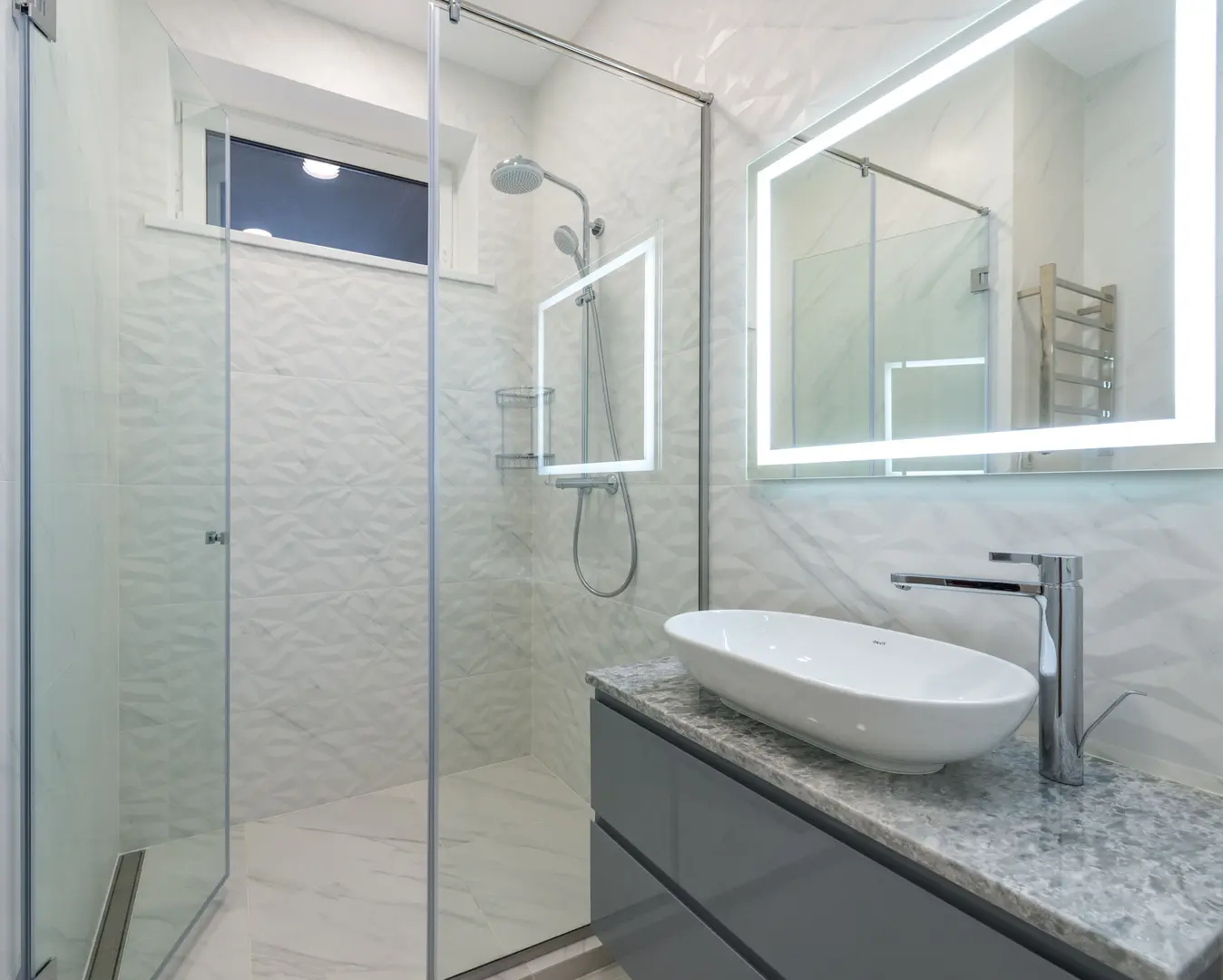
Floating Vanity Pros and Cons: What to Consider
A bathroom vanity has to balance appearance with everyday practicality. A wall-mounted model can make the room feel lighter and more modern, but it may also require a larger budget, careful installation, and a different approach to storage.
Understanding the main floating vanity pros and cons can help you decide whether this streamlined design suits your space, household, and renovation plans.
Understanding Wall-Mounted Vanity Units
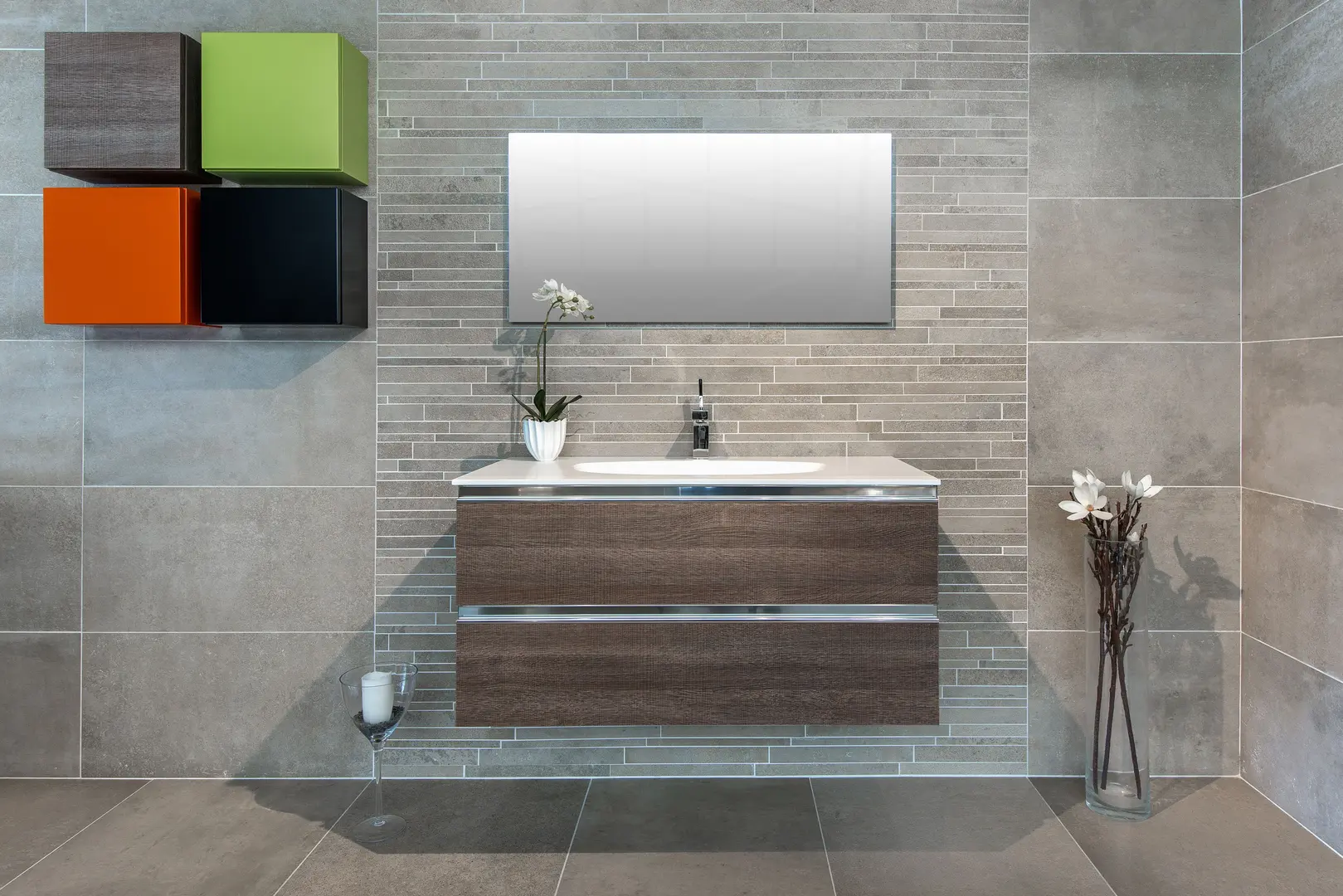
A floating vanity, also called a wall-mounted vanity, attaches directly to the wall instead of resting on legs or a cabinet base that reaches the floor. The space beneath the unit remains open, leaving part of the bathroom floor visible.
This construction gives the vanity its distinctive “floating” appearance. The uninterrupted view of the floor helps create a clean, minimal look, which is why these units are often associated with contemporary bathrooms. Their visual simplicity can also place more emphasis on surrounding finishes, such as flooring, wall surfaces, mirrors, and decorative textures.
Floating vanities are available in a range of designs, so choosing one does not necessarily mean creating a stark or ultra-minimal bathroom. Different colors, materials, textures, and drawer styles can support anything from a warm, understated space to a bold modern design.
However, the difference is more than cosmetic. Because the vanity does not stand on the floor, the wall must support it. The raised design also affects cleaning, installation height, available storage, and the total cost of the project. These practical considerations should be weighed alongside the open, luxurious appearance.
Advantages of Choosing a Floating Vanity
The main advantages of a floating vanity relate to visual space, convenience, flexibility, and style. Raising the cabinet off the floor can make a compact room appear less crowded, simplify routine cleaning, and allow the installation height to be selected with the users in mind.
These benefits can be particularly valuable when you want the bathroom to feel streamlined without removing an essential fixture.
A More Spacious-Looking Bathroom
One of the strongest reasons to choose a floating vanity is the sense of openness it can create. A traditional floor-standing cabinet forms a solid visual block between the counter and the floor. A wall-mounted model removes that block, allowing the eye to continue beneath the cabinet.
The vanity does not physically increase the bathroom’s dimensions, but seeing more of the floor can make the room appear larger and less enclosed. This visual effect can be useful in smaller bathrooms, where bulky furniture may make the layout feel crowded.
The open space can also give the bathroom a more luxurious character. Floating furniture often appears carefully integrated into the room rather than simply placed against a wall. When coordinated with uncluttered surfaces and complementary finishes, the result can feel calm, deliberate, and spacious.
The effect depends on the wider design as well. A floating vanity cannot compensate for every source of visual clutter. Towels, toiletries, and other essentials still need designated storage if you want to preserve the open appearance. It is therefore helpful to think of the visible floor and organized surfaces as parts of the same design strategy.
Simpler Sweeping and Mopping
Floor-standing vanities can create narrow edges and corners where dust and debris collect. These areas may be difficult to reach with a broom, mop, or cleaning cloth, especially when the cabinet base sits close to surrounding surfaces.
A floating vanity eliminates the base at floor level. With no legs or cabinet toe-kick to work around, you can sweep or mop beneath the unit as part of the rest of the bathroom floor. This makes it easier to cover the full area during a regular cleaning routine.
The benefit is straightforward but practical:
- There are fewer awkward floor-level corners around the vanity.
- Dust beneath the cabinet is easier to see and reach.
- Sweeping can continue underneath without navigating around legs.
- Mopping the floor can become a more continuous task.
The amount of clearance and the size of the vanity will still affect access, but the open design generally reduces the number of hard-to-reach areas. For households looking to simplify weekly bathroom upkeep, this can be one of the most useful advantages.
Keeping the visible floor clean also supports the vanity’s design appeal. Because the area underneath is exposed, it becomes part of the room rather than a concealed space. Easy access makes maintaining that polished appearance more manageable.
A Sleek, Contemporary Look
Floating furniture has a naturally streamlined profile. Without a base connecting it to the floor, the vanity appears lighter and less bulky than many traditional cabinets. Clean horizontal lines can reinforce a contemporary aesthetic, particularly when the design uses flat-front drawers or simple hardware.
However, modern does not have to mean cold or plain. A floating vanity can work with a variety of finishes and textures. A subtle finish may blend into the wall for a quiet, minimal effect, while a contrasting color or pronounced texture can turn the vanity into a focal point.
The exposed floor also gives you an opportunity to make more of the bathroom’s other materials. Instead of disappearing beneath a full cabinet, the floor remains visible and contributes to the overall composition. Wall finishes, mirrors, lighting, and decorative details can likewise be coordinated with the vanity’s shape and surface.
This flexibility allows the same basic format to support different looks. Depending on the finish, a wall-mounted vanity may feel warm and inviting, crisp and understated, or dramatic and architectural. Its defining characteristic is not a particular color or material, but the clean visual separation between the cabinet and the floor.
Set the Vanity at a Comfortable Height
A floor-standing vanity is largely restricted by the height of its cabinet and base. A floating unit offers more control because its position is determined during wall installation.
This allows the vanity height to be selected according to the needs of the people who will use it. A position that feels comfortable for one household may be inconvenient for another, so this flexibility can improve everyday usability.
Height planning may be useful when:
- The primary users are noticeably taller or shorter than average.
- The vanity is intended mainly for adults or mainly for children.
- Members of the household have different comfort requirements.
- The bathroom is being planned around specific usability needs.
Customization should be considered before installation rather than treated as an easy adjustment afterward. The vanity, basin, mirror, and surrounding features need to work together as one arrangement. A cabinet set too high or too low may look stylish while remaining inconvenient in daily use.
It is also worth considering future users. A highly customized position may be ideal for the current household, but a more broadly comfortable height could make sense in a shared bathroom. The goal is to use the installation flexibility thoughtfully, not simply to mount the unit as high as possible for visual effect.
Drawbacks of Floating Vanity Units
The floating format introduces several trade-offs. The wall must carry the unit, installation may be more involved, and the combination of materials and professional work can increase project costs. Some models also provide less enclosed storage than larger floor-standing alternatives.
These disadvantages do not automatically make a floating vanity impractical. They do mean that the decision should be based on the room’s structure and everyday requirements rather than appearance alone.
Installation Requires More Planning
A floor-standing vanity transfers much of its load to the floor. A floating vanity relies on the wall, so the supporting surface must be sufficiently strong and suitable for the installation.
Not every existing wall will be ready for a wall-mounted unit without additional work. Reinforcement may be necessary, particularly when the current structure does not provide adequate support. This possibility should be investigated before purchasing or finalizing the bathroom layout.
A professional assessment may be appropriate if you are uncertain about the wall. This can clarify whether the planned location is suitable and whether preparatory work is required. Discovering the need for reinforcement early is preferable to treating the vanity as a simple decorative cabinet and addressing support issues late in the renovation.
Before committing to the design, consider:
- Whether the chosen wall can support a mounted vanity
- Whether reinforcement may be required
- How installation work fits into the wider renovation plan
- Whether professional assessment and installation should be budgeted
The custom height also adds another decision. The installer needs a clearly planned position that works with the rest of the bathroom. Careful preparation is therefore essential to achieving both a secure installation and a comfortable finished layout.
The Overall Cost May Be Higher
A floating vanity can cost more than expected when the full project is considered. The vanity itself is only one part of the expense. Materials, wall preparation, reinforcement, assessment, and installation may all affect the final amount.
This makes it important to compare complete project costs rather than looking only at cabinet prices. A wall-mounted model that initially seems affordable may become more expensive if the installation area requires additional work. Conversely, a suitable supporting wall may help keep the process more straightforward.
The vanity should also be evaluated within the total bathroom renovation budget. Spending more on the unit and its installation could leave less for other finishes or fixtures. Before making a decision, identify which benefits matter most. The floating design may justify the added expense if openness, easy floor cleaning, and adjustable height are priorities. If the main goal is simply to add practical storage, a floor-standing option may provide better value.
Allowing room in the budget for installation uncertainties can also reduce pressure later. The exact requirements depend on the bathroom and wall, so it is sensible to establish those conditions before treating the initial vanity price as the complete cost.
Less Room for Under-Sink Storage
The open area that makes a floating vanity feel spacious also reduces the amount of cabinet volume extending toward the floor. As a result, some wall-mounted units offer less under-sink storage than full-height, floor-standing designs.
This can be a significant drawback in a busy household. Toiletries, spare towels, cleaning supplies, and personal care items all require space. If the vanity cannot hold them, they may end up on the counter, undermining the clean and uncluttered look that made the floating design attractive in the first place.
Before choosing a model, review what you actually keep in the bathroom. Sort items into three groups:
- Essentials that should remain within immediate reach
- Supplies that can be stored elsewhere in the room
- Infrequently used items that could be kept outside the bathroom
This simple review can show whether a smaller cabinet will be sufficient. Drawer organization may help make better use of the available space, but it cannot replace capacity that is not there.
Additional shelving or another storage unit may be necessary. Wall shelves can hold selected supplies, while separate cabinets can accommodate items that do not need to be stored beneath the sink. These additions should be planned from the beginning so that the room does not feel pieced together afterward.
Is a Floating Vanity the Right Choice?
The answer depends on your bathroom, budget, design preferences, and storage habits. A floating vanity can be an excellent choice when you want a lighter visual footprint, easier access to the floor, a contemporary appearance, and control over the installation height. It can make a smaller bathroom feel more open while giving a larger room a polished, streamlined character.
The design may be less suitable when maximum cabinet capacity is the top priority or when wall preparation would push the renovation beyond budget. A floor-standing vanity may offer more straightforward installation and greater storage, even if it does not produce the same floating effect.
Before deciding, confirm four points:
- Wall suitability: Establish whether the intended wall can support the unit and whether reinforcement is needed.
- Total budget: Include potential preparation and installation costs, not just the vanity price.
- Storage requirements: Check that the cabinet can hold everyday essentials or plan additional shelving.
- Preferred appearance and height: Decide whether the open design and customizable position provide meaningful benefits for your household.
Ultimately, evaluating the floating vanity pros and cons is about balancing visual openness with practical planning. If the wall is suitable, the budget allows for proper installation, and the reduced storage will not cause clutter, a floating vanity can combine modern style with easier cleaning and personalized comfort. If those conditions are not met, a traditional floor-standing unit may be the more practical choice.