Floor-Standing vs Wall-Mounted Vanity Units: How to Choose the Right Option
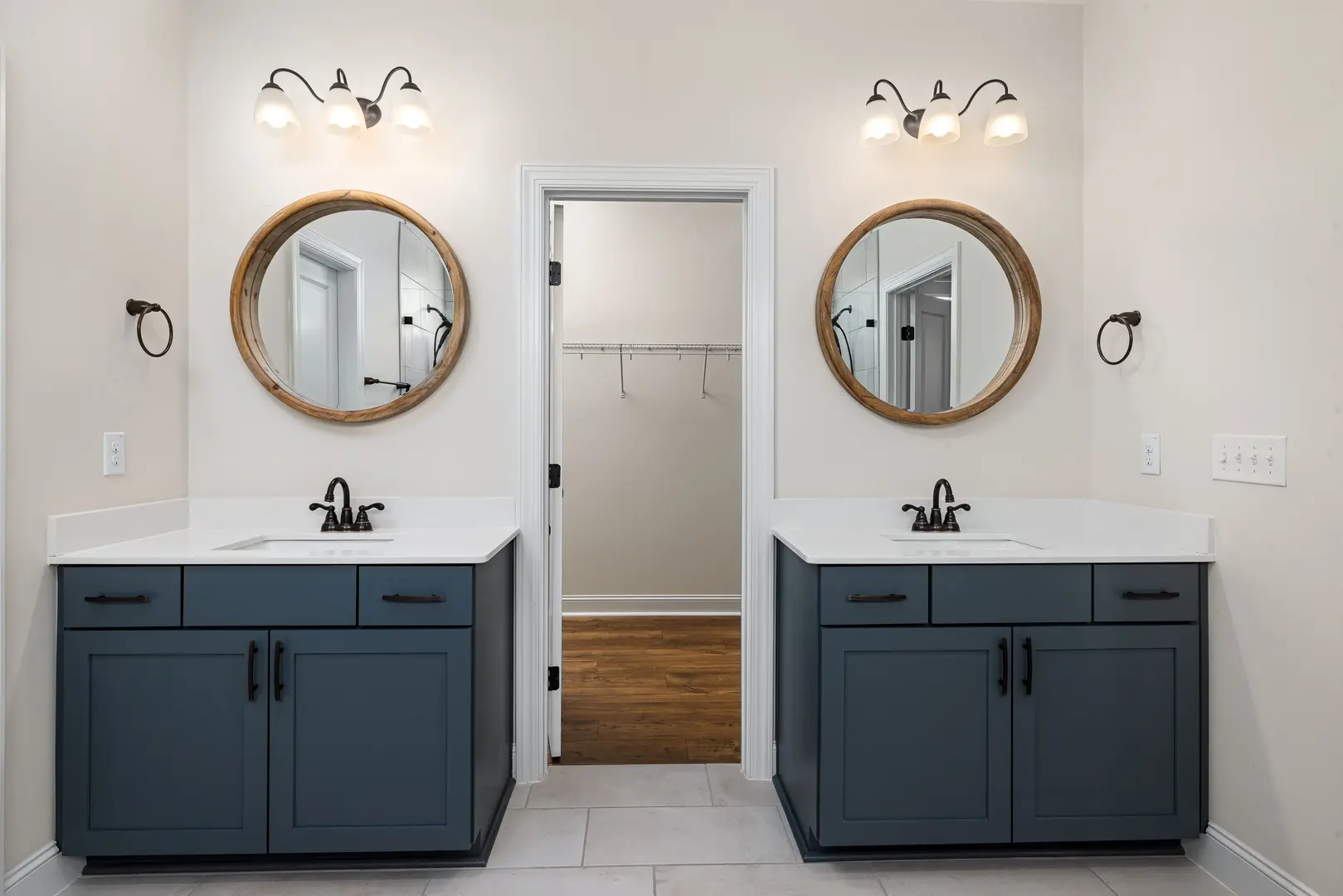
Choosing between floor standing vs wall mounted vanity units affects much more than the appearance of a bathroom. The right format can improve storage, simplify cleaning and help the room feel better proportioned. Installation requirements, wall strength and budget also need to be considered.
Both styles combine a basin area with practical bathroom storage, but they suit different layouts and design preferences. This guide compares their advantages, limitations and everyday practicality to help you choose confidently.
Understanding Floor-Standing Vanity Units
A floor-standing vanity unit is a freestanding piece of bathroom furniture supported by a stable base or legs. It usually incorporates cupboards, drawers or a combination of both beneath the basin.
Because the unit transfers its weight to the floor, it generally feels solid and dependable. Although it may still need to be secured to the wall for safety and correct alignment, the wall does not usually support the entire unit.
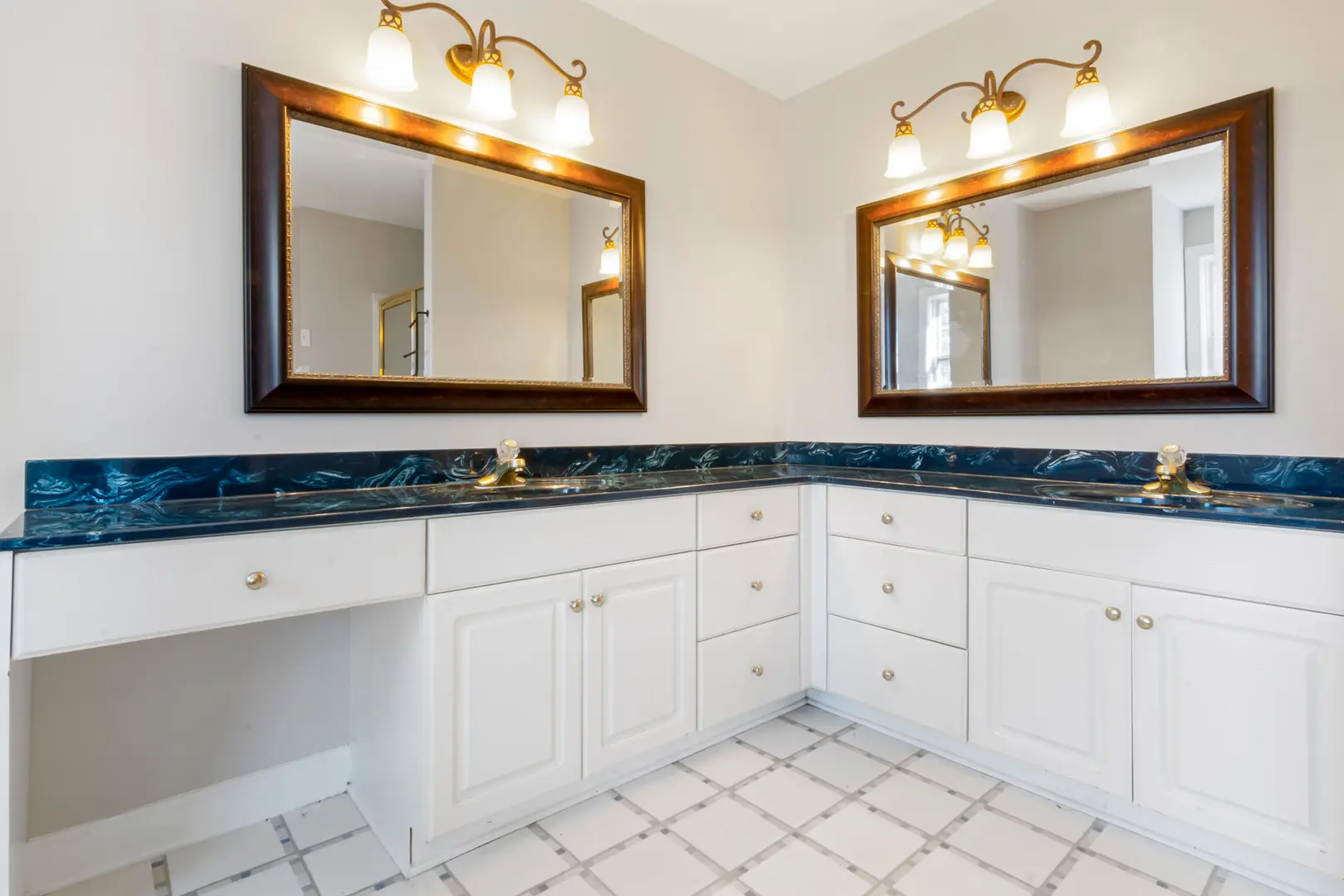
Floor-standing vanities are available in a wide variety of designs. Traditional furniture-inspired models can complement classic bathrooms, while streamlined units with simple doors and handles work well in contemporary interiors. Their full-height construction also makes good use of the area beneath the basin, which can provide generous storage for toiletries, towels and cleaning products.
This style is particularly suitable for medium-sized and larger bathrooms where preserving visible floor space is less important than maximising storage.
Understanding Wall-Mounted Vanity Units
A wall-mounted vanity unit is attached directly to the wall and raised above the floor. It is sometimes described as a floating vanity because the open space beneath it creates the impression that the furniture is suspended.
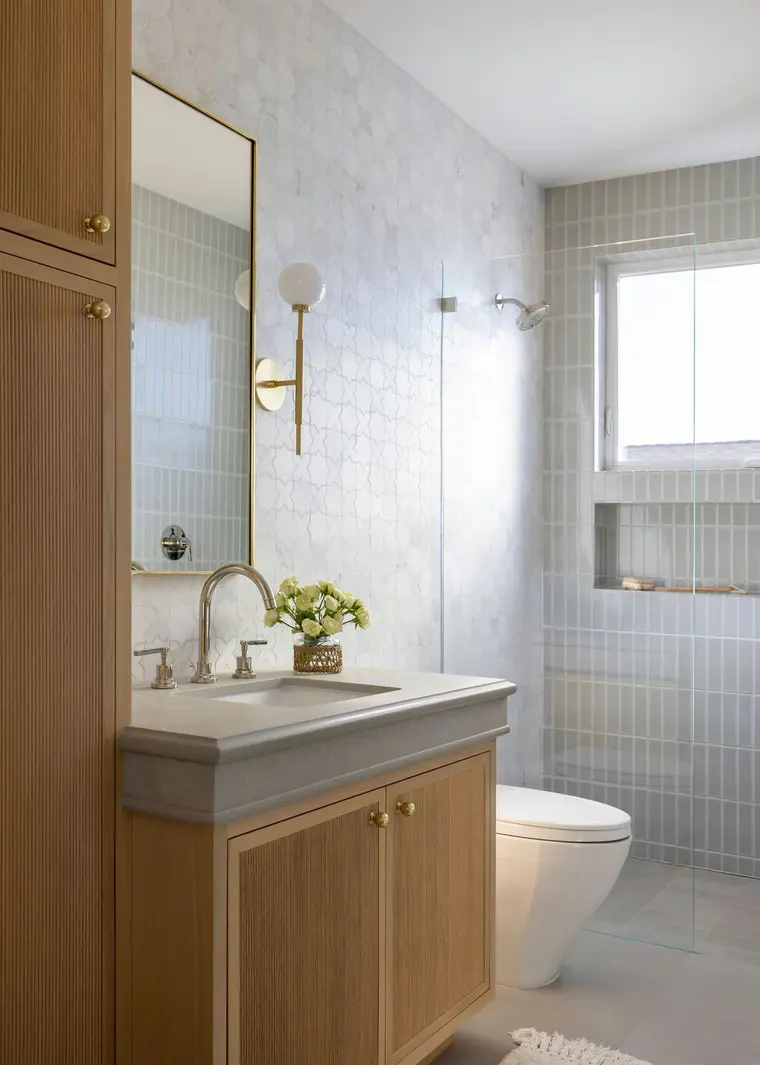
Removing contact with the floor gives the unit a minimalist, streamlined appearance. More of the floor remains visible, which can make a compact bathroom feel lighter and less crowded. This quality makes wall-mounted furniture particularly popular in small bathrooms, en suites and other layouts where visual space matters.
The fitting height can also be adjusted during installation. However, the wall and fixings must be suitable for supporting the unit, basin and items stored inside. Professional assessment or installation may therefore be necessary, particularly when the condition or construction of the wall is uncertain.
How Floor-Standing and Wall-Mounted Vanities Differ
The main distinction is how each vanity is supported, but this influences several other considerations:
| Consideration | Floor-standing vanity | Wall-mounted vanity |
|---|---|---|
| Use of space | Occupies floor area | Keeps the floor visible |
| Storage | Usually offers greater capacity | Often provides less internal room |
| Appearance | Suitable for varied design styles | Typically modern and minimalist |
| Installation | Generally more straightforward | Requires secure wall fixing |
| Cleaning | Base can be harder to reach | Floor beneath is easily accessible |
| Stability | Supported directly by the floor | Dependent on the wall and installation |
| Cost | Often more budget-friendly | May cost more to install |
These differences provide a useful starting point, but the best choice depends on how the bathroom will be used.
Comparing Space Requirements and Bathroom Layouts
Wall-mounted units can create a stronger sense of space because the floor continues underneath them. The open area reduces visual interruption, helping a narrow or compact bathroom appear less enclosed. It can also prevent the vanity from dominating the layout.
A floor-standing unit occupies more visible floor area. In a very small room, a deep or wide model may feel bulky and restrict the sense of movement. However, this is less likely to be a concern in a spacious family bathroom. Where sufficient room is available, the larger footprint can be worthwhile for the additional storage it provides.
Before choosing either style, consider the position of doors, showers, toilets and other furniture. The vanity should not obstruct circulation or make nearby fittings awkward to use.
Storage Space and Internal Organisation
Floor-standing vanities generally offer the greatest storage capacity. Their cabinets can extend close to the floor, allowing more of the available height to be used. Depending on the internal design, they may provide deep drawers, cupboards or separate compartments for organising everyday items.
Wall-mounted units tend to have a more compact profile. This contributes to their streamlined appearance but can reduce the amount of storage inside. Some still offer practical drawers or cabinets, although careful organisation may be required.
The best choice depends on the household. A busy shared bathroom may benefit from the capacity of a floor-standing model, while a cloakroom or minimalist en suite may only need space for a few essentials.
Visual Style and Design Flexibility
Wall-mounted vanity units are closely associated with modern bathroom design. Clean lines, visible floor space and the floating effect help create a simple, uncluttered interior. They pair especially well with contemporary sanitaryware and understated finishes.
Floor-standing units provide greater stylistic flexibility. Sleek models can still look modern, but furniture with framed doors, decorative handles or a more substantial silhouette can also support traditional and transitional schemes.
Consider the vanity alongside the room’s wider design rather than as an isolated piece. Its colour, shape and proportions should complement the basin, taps, flooring and other furniture.
Installation Requirements and Cleaning Access
Floor-standing units are usually simpler to fit because their weight is supported by the floor. They must still be level, aligned with the plumbing and secured where required, but installation is generally less dependent on the structural strength of the wall.
Wall-mounted vanities require accurate positioning and strong, suitable fixings. The wall must be capable of carrying the load, and plumbing may need to be arranged so that it does not detract from the floating appearance. These factors can make installation more complex.
Once fitted, however, a wall-mounted vanity simplifies floor cleaning. A mop or cloth can reach underneath without a plinth or legs getting in the way. With a floor-standing model, dust and moisture may collect around the base, particularly where access is restricted.
Strength, Stability, and Expected Lifespan
Floor-standing units are generally robust because the floor provides continuous support. This stable construction makes them a practical choice for frequently used bathrooms and for households that prioritise durability.
A correctly fitted wall-mounted unit can also provide dependable everyday service. Its performance, however, relies more heavily on the wall, fixings and quality of installation. If the wall is unsuitable or the unit is installed incorrectly, stability and longevity may be affected.
This does not mean wall-mounted furniture is inherently weak. It means that installation requirements should not be treated as an afterthought. If there is any uncertainty about the supporting wall, seek qualified advice before fitting the unit.
Comparing Purchase and Installation Costs
Floor-standing vanity units are often the more budget-friendly option. There are models available across varied styles, and the more straightforward installation may help keep fitting expenses under control.
Wall-mounted designs can involve higher overall costs. In addition to the unit itself, the installation may require more labour, specialist fixings or work to make the wall suitable. Plumbing also needs to be positioned neatly because the area beneath the vanity remains visible.
When comparing prices, consider the complete project cost rather than only the purchase price. Include installation, plumbing adjustments and any necessary wall preparation in the budget.
Advantages and Drawbacks of Floor-Standing Vanity Units
Floor-standing furniture is a practical option when storage, stability and straightforward installation are priorities. Its main limitation is that the solid base can take up visual and physical space.
Why Choose a Floor-Standing Vanity?
The principal benefits include:
- Generous storage: Full-height cabinets and drawers make efficient use of the area beneath the basin.
- Straightforward installation: Floor support generally makes fitting less complex than installing a floating unit.
- Broad design choice: Floor-standing vanities can suit modern, classic and transitional bathrooms.
- Stable construction: The base provides strong support, contributing to a solid and durable feel.
- Practical family use: Greater capacity helps keep shared toiletries and bathroom supplies organised.
This format works especially well when the room has enough space to accommodate a substantial piece of furniture without feeling crowded.
Potential Disadvantages of Floor-Standing Designs
The same solid construction can create a heavier visual effect. In a compact bathroom, the unit may make the floor plan appear tighter or more cluttered.
Cleaning can also be less convenient. Dirt and moisture may gather where the base meets the floor, while narrow gaps around legs or side panels can be difficult to reach. A larger floor-standing model may also look bulky if its proportions are not balanced with the room.
Careful sizing is therefore essential. A floor-standing vanity should provide useful storage without overwhelming nearby fittings or restricting comfortable movement.
Advantages and Drawbacks of Wall-Mounted Vanity Units
Wall-mounted vanities combine a contemporary appearance with valuable practical benefits, especially in smaller rooms. Their installation requirements and reduced capacity are the main trade-offs.
Why Choose a Wall-Mounted Vanity?
A wall-mounted model may be the better choice for several reasons:
- A more spacious appearance: Exposed flooring can make the bathroom seem larger and more open.
- Easy cleaning: The unobstructed space underneath is simple to sweep or mop.
- Contemporary styling: The floating form creates a clean, minimalist finish.
- Flexible fitting height: The vanity can be positioned at a suitable height during installation.
- Reduced visual bulk: A compact wall-mounted unit can provide storage without dominating the room.
These qualities make floating furniture particularly effective in small bathrooms and modern design schemes.
Potential Disadvantages of Wall-Mounted Designs
Wall-mounted units commonly offer less storage than comparable floor-standing furniture. Their shallow or compact construction may require users to limit what they keep in the bathroom or introduce storage elsewhere.
They also need a strong, suitable wall. Because the unit does not receive support from the floor, secure installation is essential. Fitting can be more complicated and potentially more expensive, especially if the wall requires preparation or the plumbing needs to be adjusted.
The minimalist result depends on careful workmanship. Visible pipes, poor alignment or inappropriate fixings can undermine both the appearance and performance of the unit.
Choosing the Right Vanity: Important Factors
The choice between floor standing vs wall mounted vanity units should be based on the bathroom’s dimensions, storage needs, preferred design and installation conditions. Avoid selecting furniture on appearance alone. A vanity must also work with the room and support everyday routines.
Match the Vanity to Your Bathroom’s Size and Layout
Wall-mounted furniture is often the most effective option for a small bathroom. Keeping the floor visible reduces visual crowding and can help the room feel more open. It is also useful where a full-height unit would appear too dominant.
Floor-standing furniture is well suited to larger bathrooms with enough circulation space. In these settings, its size is less likely to overwhelm the layout, and its greater storage capacity becomes a clear advantage.
Measure the available area and consider how the vanity will relate to doors and adjacent fittings. A compact floor-standing model may work in some small rooms, just as a wide wall-mounted unit can suit a spacious bathroom. The room’s proportions matter as much as the category of furniture.
Assess Storage Requirements and Everyday Use
Think about what needs to be stored and who will use the vanity. If several people share the bathroom or you need room for towels, toiletries and cleaning supplies, a floor-standing model will generally be more practical.
If only basic products need to be kept close to the basin, the smaller capacity of a wall-mounted vanity may be sufficient. Its streamlined form can also encourage a simpler, less cluttered arrangement.
Review the internal layout as well as the external dimensions. Useful drawers or organised compartments may matter more than an apparently large cabinet that is difficult to use efficiently.
Let Your Preferred Bathroom Style Guide the Choice
For a modern, minimalist bathroom, a wall-mounted vanity is a natural fit. Its floating appearance, clean shape and open floor area support a light and contemporary scheme.
A floor-standing vanity can work with a wider range of aesthetics. Simple designs suit modern rooms, while more decorative furniture can reinforce a classic or traditional look. It can also create a stronger visual focal point in a larger bathroom.
Whichever format you choose, coordinate its finish and proportions with the rest of the space. A vanity should feel integrated with the overall design rather than added as an afterthought.
Balance Your Budget with Installation Practicalities
A floor-standing vanity is generally the more cost-effective route, particularly when the existing plumbing is suitable and minimal adjustment is needed. Its floor-supported design can also make installation more straightforward.
A wall-mounted vanity may require a larger fitting budget. Before buying, establish whether the wall can support it and whether plumbing changes or wall preparation will be necessary.
The final decision should balance purchase cost with long-term practicality. Choose a floor-standing unit when storage, stability and value are the priorities. Choose a wall-mounted unit when an open appearance, easy floor cleaning and contemporary styling are more important—and when the wall and installation budget can support it.