Four Natural Bathroom Cleaning Methods for a Fresh, Eco-Friendly Bathroom
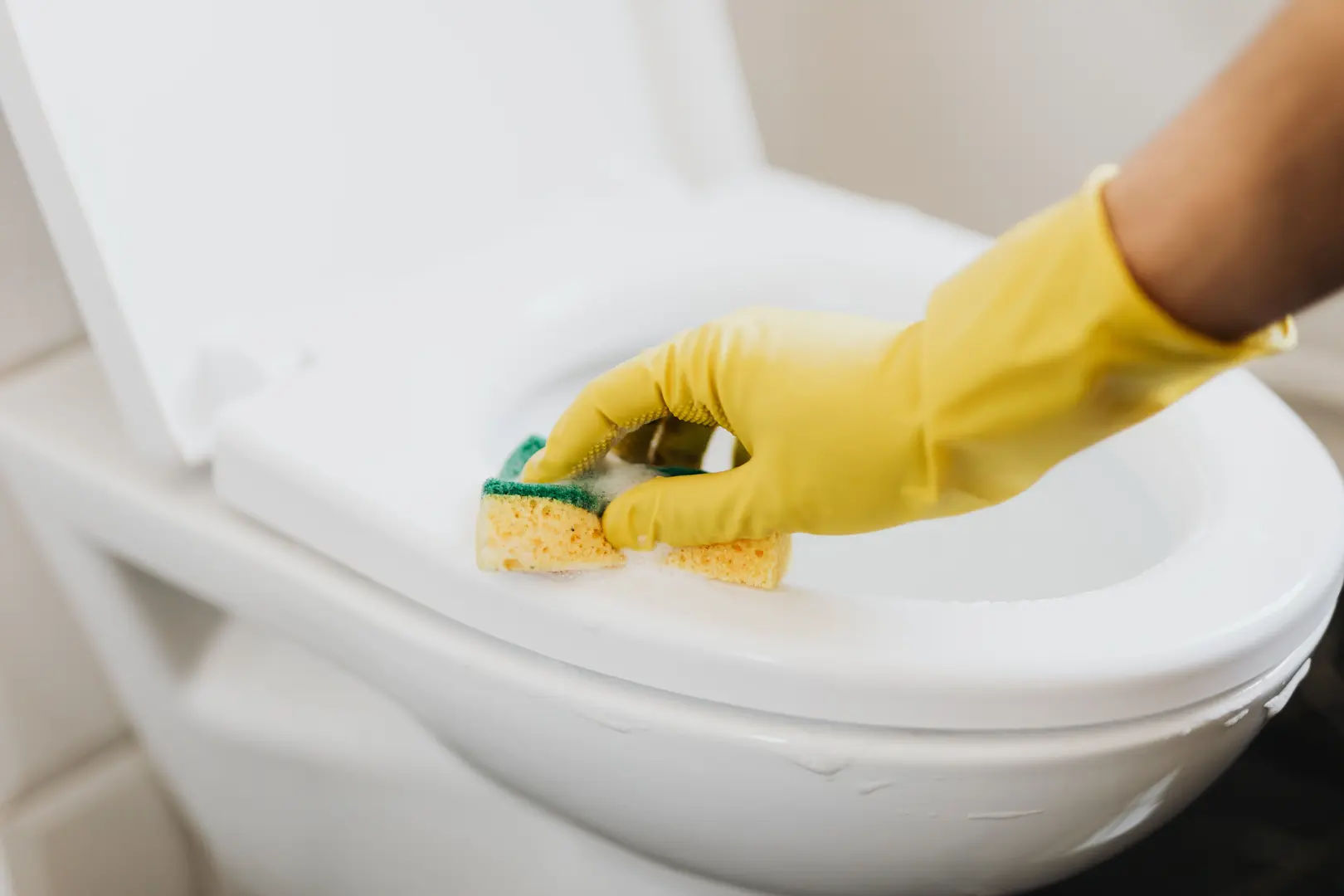
A clean bathroom does not have to depend on conventional bleach or a cabinet full of harsh chemicals. Several familiar ingredients can absorb odors, loosen stains, remove limescale, and cut through grease. These four natural bathroom cleaning methods offer practical ways to maintain a fresh space while making more environmentally conscious cleaning choices.
Navigating Unexpected Costs in Bathroom Remodeling
Before thinking about day-to-day cleaning, it is worth considering how planning affects the bathroom as a whole. Remodeling projects can become significantly more expensive than expected, with unplanned extras sometimes reaching tens of thousands of dollars. These surprises may also delay the project and create stressful, time-consuming fixes.
The best defense is careful planning and research before work begins. Start by defining what you want to change, what you would prefer to keep, and which features are most important. Separating essential work from optional upgrades makes it easier to respond if additional expenses arise.
Practical preparation can include:
- Creating a detailed remodeling plan rather than making major decisions during construction
- Researching bathroom products, finishes, and design choices in advance
- Requesting clear information about what each estimate includes
- Keeping written records of selections, quotes, and agreed work
- Setting priorities so that optional items can be reconsidered if costs increase
- Reserving part of the budget for expenses that were not obvious at the beginning
- Asking questions before approving changes to the original plan
Insufficient research is one of the most common remodeling mistakes. A choice that looks simple at first may lead to more work, added expense, or the need to redo something later. Taking time to compare options can feel slow, but it is generally less frustrating than correcting an unsuitable decision after installation.
A certified interior designer or bath specialist may help simplify the process. An experienced professional can assist with planning, product decisions, and coordination, potentially saving time and money while reducing stress. Their guidance may also help you identify questions that you might not have considered on your own.
However, hiring a professional does not guarantee that every surprise will disappear. No designer or specialist can eliminate all unexpected costs. Their value lies in helping you prepare, make informed decisions, and reduce avoidable mistakes.
Cleaning should also be considered when planning a bathroom. A space that can be maintained with simple ingredients supports a practical routine after the remodeling work is complete. Baking soda, white vinegar, lemon, and eco bleach can provide a natural cleaning toolkit without requiring an overly complicated collection of products.
Eco-Friendly Bleach as a Gentler Cleaning Option
Eco bleach offers an alternative for people who want the cleaning role associated with bleach but prefer to avoid conventional chemical formulas. Made from naturally derived ingredients, it is presented as a non-toxic option that can be gentler for the home and less harmful to the environment.
This makes eco bleach a useful starting point when switching to more sustainable bathroom care. Rather than replacing an entire cleaning routine at once, you can introduce it where you would otherwise reach for standard bleach. It can become part of a simpler approach based on fewer, more thoughtfully selected cleaning ingredients.
When choosing an eco bleach, read its label so that you understand what the product contains and how it is intended to be used. “Eco-friendly” can be a broad description, so the product instructions are the best source for its recommended applications. Use it only as directed rather than assuming that every naturally derived formula works in the same way.
Eco bleach may appeal to households seeking:
- A non-toxic alternative to traditional bleach
- A cleaner made from natural ingredients
- A more environmentally considerate bathroom routine
- A straightforward option for regular cleaning
It is still important to treat eco bleach as a distinct cleaning method. Do not casually mix cleaning agents in the hope of making them stronger. More ingredients do not necessarily produce better results. A focused routine—using the appropriate cleaner for each task—is easier to manage and prevents unnecessary waste.
Eco bleach is only one of the four natural bathroom cleaning methods. For common concerns such as odors, surface stains, grout, limescale, and grease, basic pantry ingredients can also be effective.
Freshen and Scrub with Baking Soda
Baking soda is especially useful in the bathroom because it serves two common purposes: absorbing unpleasant odors and helping to remove stains. It is easy to apply where targeted scrubbing is needed, making it a practical choice for routine cleaning.
For odor control, place or apply baking soda in the area that needs freshening, allow it time to absorb the smell, and then remove it as appropriate for that area. This addresses the odor itself instead of simply covering it with a strong fragrance.
For stains, baking soda can be turned into a simple cleaning paste:
- Put a small amount of baking soda in a suitable container.
- Add a little liquid gradually to create a spreadable paste.
- Apply the paste to the stained area.
- Scrub carefully until the residue begins to lift.
- Remove the mixture and wipe the area clean.
Lemon can be added when extra cleaning power is needed. Combining baking soda with lemon brings together the scrubbing usefulness of baking soda and the cleaning action of the lemon’s citric acid. The lemon also contributes a naturally fresh scent, helping the bathroom feel cleaner without relying on a heavily perfumed product.
Baking soda is particularly valuable for grout. Grout lines can require more focused attention than broad, smooth surfaces, and a paste keeps the cleaner where it is needed while you scrub. Apply the baking soda mixture along the grout, work through the lines methodically, and remove the loosened residue afterward. Cleaning one manageable section at a time can make the task less overwhelming.
A simple grout process is:
- Clear loose surface debris.
- Apply a baking soda paste directly to the grout.
- Scrub each section rather than spreading the mixture across the entire room.
- Wipe away the used paste.
- Check the grout and repeat targeted cleaning where necessary.
Using a modest amount first helps avoid wasting baking soda or lemon. Add more only when the size or condition of the area requires it. Natural cleaning is not about using large quantities; it is about selecting an ingredient with the right properties for the job.
Although baking soda works well with lemon, it should not be combined with white vinegar as part of this cleaning routine. Keep the baking soda and vinegar methods separate. Use baking soda when odor absorption, stain removal, or grout scrubbing is the main goal, and reserve vinegar for the limescale and surface-cleaning tasks described below.
Use White Vinegar to Tackle Limescale and Germs
White vinegar is a versatile natural bathroom cleaner. It acts as a natural disinfectant and is particularly effective at tackling limescale, making it useful in areas regularly exposed to water.
Taps are one of the most obvious applications. White vinegar can help loosen the dull limescale that collects around them, restoring a cleaner appearance without making conventional chemical cleaners the default choice. Apply it to the affected area, allow it to work on the buildup, and then wipe away the loosened residue. Stubborn areas may need another focused application rather than a larger amount used everywhere.
White vinegar can also be used to clean bathroom mirrors. Apply it in a controlled way and wipe the mirror thoroughly. Using only what is necessary makes the surface easier to finish and reduces leftover moisture.
A basic vinegar routine can cover several needs:
| Cleaning task | How white vinegar helps |
|---|---|
| Taps | Loosens and removes limescale buildup |
| Mirrors | Cleans the surface as part of a simple natural routine |
| Frequently cleaned bathroom areas | Provides natural disinfecting action |
| Water-exposed areas | Helps address mineral deposits and dull residue |
Use white vinegar purposefully rather than treating it as an ingredient that must be added to every homemade cleaner. In particular, do not combine white vinegar with baking soda. Keep them as two separate methods and choose between them according to the task.
That distinction makes the routine easier to remember:
- Choose baking soda for absorbing odors.
- Choose baking soda paste for stains and grout.
- Choose white vinegar for limescale.
- Use white vinegar for mirrors and taps.
- Do not mix white vinegar and baking soda.
A planned sequence can help if several parts of the bathroom need cleaning. For example, complete the baking soda jobs first, remove the mixture, and clean the area before moving to a separate vinegar task. There is no need to layer the two ingredients.
Lemon, however, can be used effectively with white vinegar. Both fit naturally into an eco-conscious routine, particularly when grease or general grime calls for more cleaning power. This combination is different from the baking soda approach and should remain a separate part of the routine.
Clean with the Grease-Cutting Power of Lemons
Lemons are more than a source of fresh fragrance. Their citric acid helps cut through grease, while their antibacterial properties help destroy germs. These qualities make lemons a useful natural cleaner for bathroom areas where greasy residue or grime has accumulated.
Lemon can be used on its own for targeted cleaning. Apply the juice to the area that needs attention, give it an opportunity to work on the residue, and wipe the surface thoroughly. This focused approach makes the most of the fruit without using more than necessary.
It also works well as a partner to other natural cleaners. With baking soda, lemon adds cleaning power to a paste intended for stains or grout. With white vinegar, it supports a grease-cutting, naturally based cleaning method. Choose the pairing based on the problem you are trying to solve rather than combining every ingredient at once.
For a straightforward lemon routine:
- Identify areas with greasy or stubborn residue.
- Apply lemon in a controlled amount.
- Work on one section at a time.
- Wipe away the loosened grime.
- Check the area and repeat only where needed.
For a lemon-and-vinegar method, combine the ingredients for an appropriate cleaning task and apply the mixture carefully. The citric acid in lemon helps break through grease, while white vinegar contributes its disinfecting and limescale-removing qualities. This pairing can be useful when a bathroom area has more than one type of residue.
Lemon also makes it easier to build a flexible cleaning routine from a small group of familiar ingredients. Rather than buying a different cleaner for every part of the room, match each natural option to its strongest use:
- Eco bleach provides a naturally derived, non-toxic alternative to conventional bleach.
- Baking soda absorbs odors and helps scrub stains and grout.
- White vinegar disinfects and tackles limescale on areas such as taps and mirrors.
- Lemon cuts grease, contributes antibacterial action, and works with either baking soda or white vinegar in separate cleaning applications.
These four natural bathroom cleaning methods show that an effective routine can also be simple and environmentally considerate. Careful remodeling plans can reduce avoidable expenses before the bathroom is finished, while thoughtful ingredient choices can make ongoing care more manageable. By using each cleaner for the task it handles best—and keeping baking soda separate from white vinegar—you can maintain a fresh bathroom without making harsh conventional chemicals the center of your routine.