Freestanding vs Built-in Baths: Advantages, Drawbacks and Key Differences
Choosing the right bath affects both the appearance and everyday practicality of your bathroom. In the freestanding vs built in baths debate, neither option is universally better: freestanding designs offer statement-making luxury, while built-in baths provide efficient use of space and family-friendly functionality.
Understanding how each type differs will help you select a bath that works with your room, budget, plumbing and preferred style.
Understanding Freestanding Baths
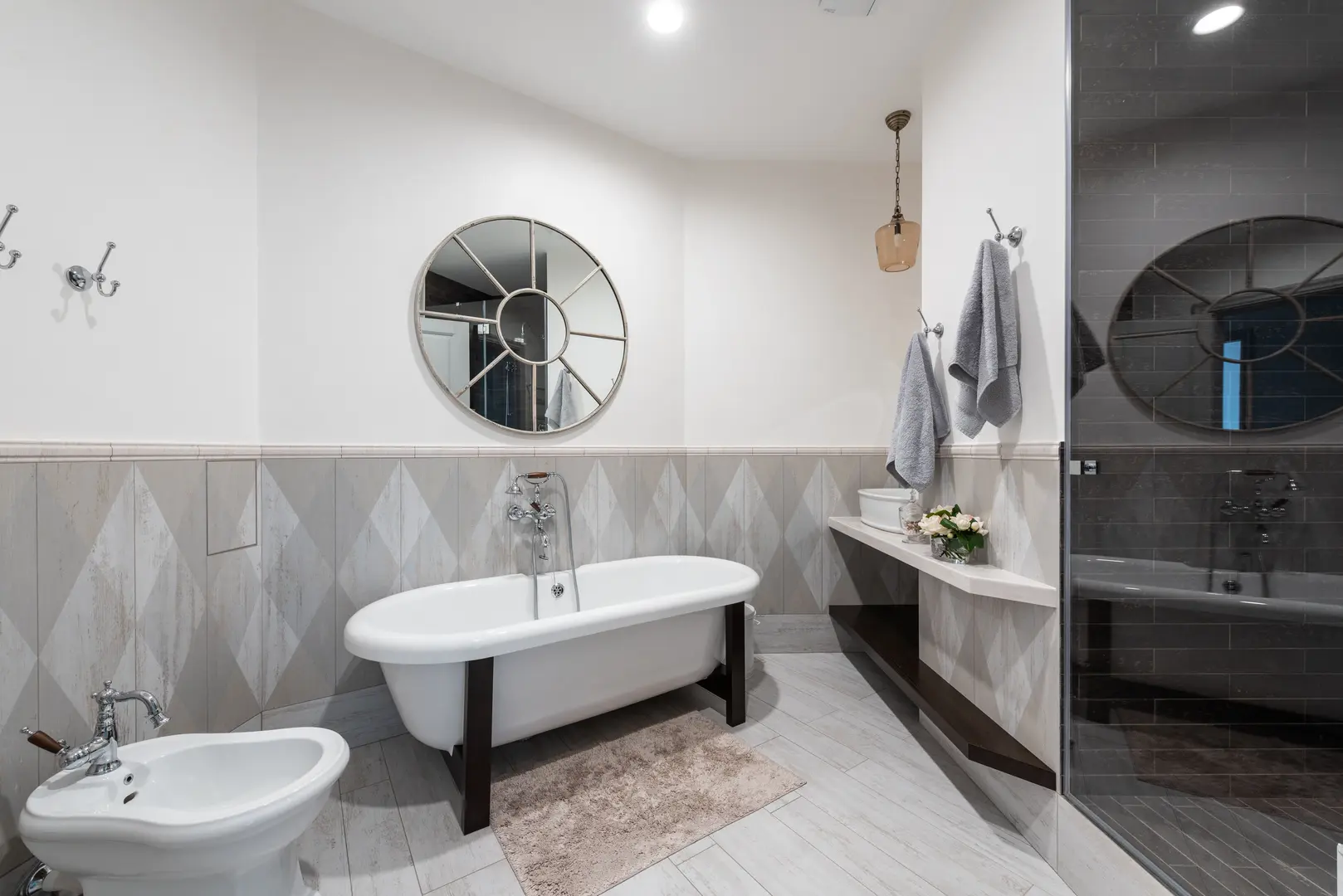
A freestanding bath stands independently rather than being fitted directly against a wall. Although it may be positioned near a wall, it remains visually separate from the surrounding surfaces. This gives the bath a sculptural quality and allows it to become a central feature of the room.
Freestanding baths are often associated with luxury bathrooms. Their exposed shape can create an elegant focal point, particularly when paired with carefully chosen taps and a spacious layout. They are available in numerous styles, from traditional designs with curved silhouettes to simple contemporary forms.
The range of shapes and materials also makes it easier to find a freestanding bath that complements a specific interior. Depending on the design, the bath can introduce softness, symmetry or a bold architectural element.
However, these baths generally work best in larger rooms. Space is needed not only for the bath itself but also around it, so that the design does not look crowded and the surrounding area remains usable. The position of existing plumbing also needs to be considered before choosing this option.
Understanding Built-in Baths
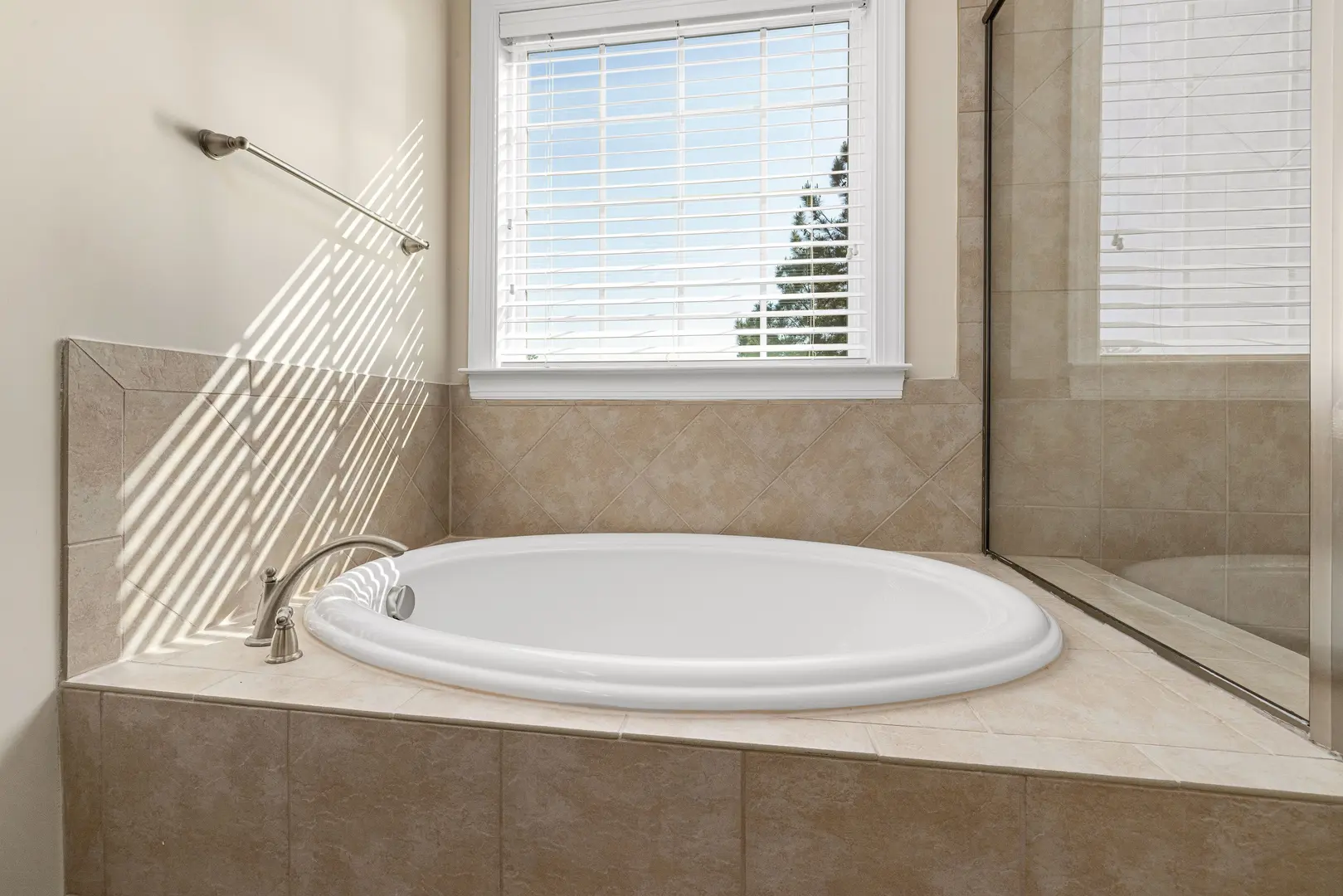
A built-in bath is installed against one or more walls and enclosed or finished around its exposed sides. This conventional layout uses the room’s perimeter efficiently, making it a popular choice for family bathrooms and compact spaces.
Built-in baths are available in many shapes and styles. Although rectangular versions are common, the finished appearance can be personalised through the bath panel, surrounding wall treatment, taps and shower fittings. As a result, a built-in bath can suit anything from a simple modern bathroom to a more decorative interior.
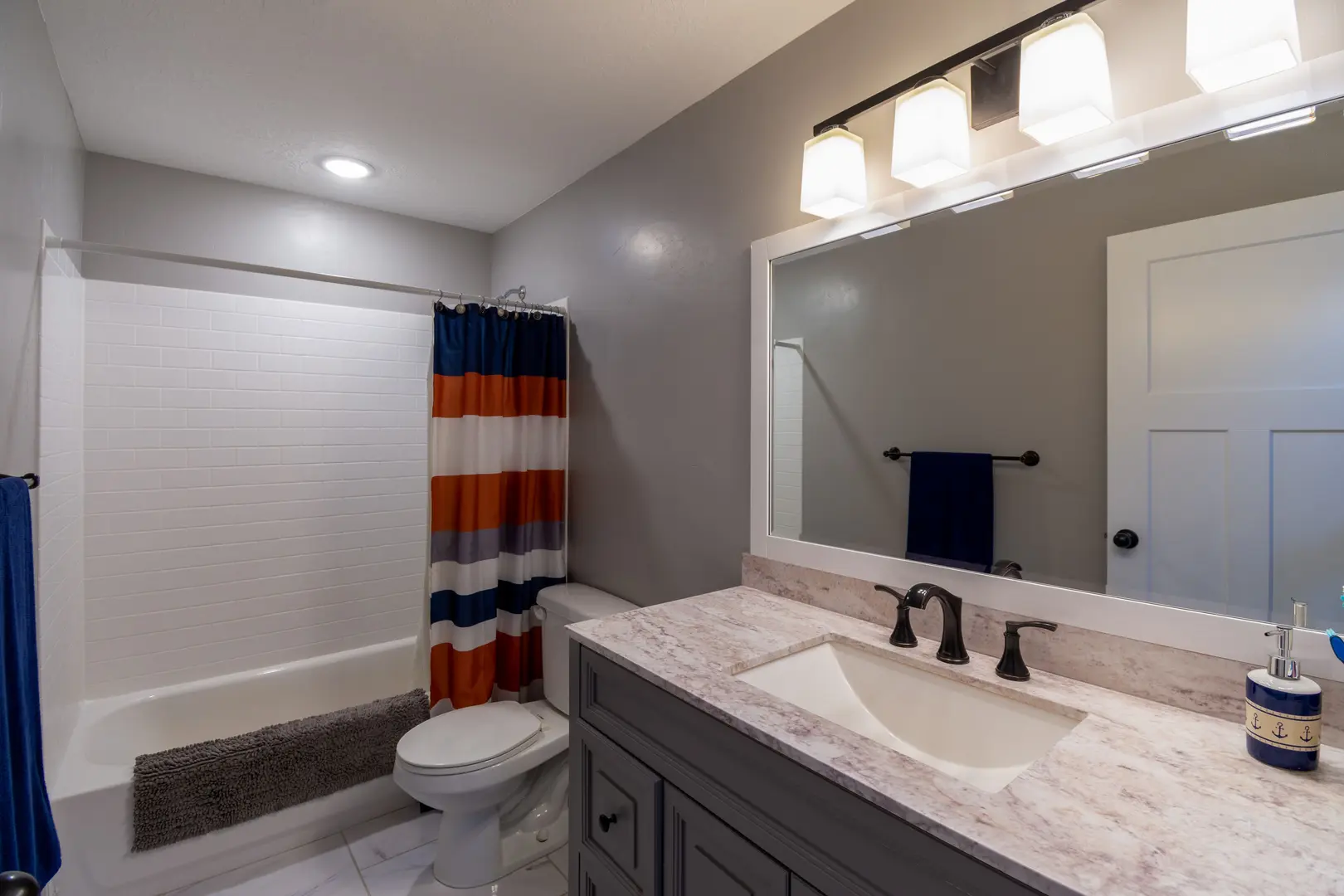
One of its main advantages is space efficiency. Positioning the bath beside a wall preserves more open floor area and can make an awkward or narrow bathroom easier to plan. It also allows the bath to be incorporated into a practical shower-over-bath arrangement.
These qualities make built-in baths particularly useful where several functions must fit into one room. They may not have the immediate visual impact of a freestanding model, but they offer a straightforward balance of comfort, cost and functionality.
Comparing the Strengths and Limitations of Each Bath Type
The key differences between freestanding and built-in baths relate to placement, appearance, cost and daily use. A quick comparison can help clarify their respective roles:
| Consideration | Freestanding bath | Built-in bath |
|---|---|---|
| Visual effect | A prominent, luxurious statement | Integrated and understated |
| Best suited to | Larger bathrooms | Compact and family bathrooms |
| Placement | More flexible, subject to plumbing | Usually fixed beside a wall |
| Typical cost | Generally higher | Usually more budget-friendly |
| Shower compatibility | Less straightforward | Easy to combine with a shower |
| Style options | Wide variety of shapes and materials | Various styles with customisable surrounds |
| Plumbing | May require rerouting | Often easier to align with existing services |
The right choice depends on which of these qualities matters most in your bathroom.
Why Choose a Freestanding Bath?
The main reason to select a freestanding bath is its visual appeal. Because the complete shape remains visible, it can serve as the centrepiece of the bathroom rather than blending into the room’s boundaries. This can help create the atmosphere of a luxurious retreat.
Placement flexibility is another attraction. A freestanding bath does not have to follow the same wall-based arrangement as a built-in model. In a sufficiently large bathroom, it may be positioned to enhance symmetry, make use of an open area or become the focus when entering the room.
This flexibility should still be considered alongside plumbing requirements. Nevertheless, where the layout permits, it opens up creative design possibilities that may not be available with a fixed built-in bath.
Freestanding models also offer substantial design variety. Curved, angular, traditional and minimalist shapes allow the bath to support different decorative themes. The choice of materials and finishes adds another opportunity to coordinate the bath with the rest of the space.
A freestanding bath may be the right choice if you want:
- A strong focal point
- A more luxurious bathroom atmosphere
- Greater visual flexibility in a large room
- A distinctive shape or material
- A bath that feels separate from surrounding furniture and walls
Potential Drawbacks of Freestanding Baths
A freestanding bath needs adequate space to look and function as intended. Although placing one close to a wall is possible, a cramped arrangement can reduce its visual impact and make the surrounding area feel restricted. This is why the style is generally better suited to a generous floor plan.
Cost is another consideration. Freestanding baths are typically more expensive than built-in options, and the bath itself may not be the only additional expense. Installation requirements, compatible taps and plumbing alterations can all affect the overall budget.
Because the bath is not necessarily positioned next to existing wall connections, plumbing may need to be rerouted. This is especially relevant when adding a freestanding model to a bathroom originally designed for a built-in bath. The preferred location should therefore be reviewed before the final selection is made.
A freestanding model can also be less convenient if you need a combined bath and shower. While the room can still include a separate shower, the bath itself is not as naturally suited to an over-bath shower arrangement.
Benefits of Choosing a Built-in Bath
Built-in baths make efficient use of limited space. Installing the bath beside a wall keeps the main floor area open and allows other bathroom essentials to be arranged more easily. In a small or narrow room, this can be the most practical way to include a full bath.
They are also generally more cost-effective. Both the bath and its installation are often simpler from a budgeting perspective, particularly when the new model follows the existing bathroom layout. This makes built-in designs appealing for straightforward renovations as well as family bathrooms.
Another important advantage is shower compatibility. The surrounding walls can support a shower fitting and screen, creating a combined bathing and showering area without requiring a separate enclosure. This arrangement is valuable when the room must serve people with different routines and preferences.
Built-in baths also offer decorative flexibility. A bath panel can coordinate with bathroom furniture or provide a contrasting feature, while the wall area can be finished to match the overall scheme. The result can be clean and minimalist or more detailed, depending on the chosen materials and fittings.
Limitations of Built-in Baths
A built-in bath usually has a less distinctive appearance than a freestanding one. Because much of its exterior is concealed, the bath tends to become part of the room’s structure rather than an independent visual feature.
Its placement is also relatively fixed. The bath generally needs to follow a wall, which limits the freedom to position it as a central or sculptural element. Although this restriction supports efficient planning, it offers fewer opportunities to create an unconventional layout.
For some homeowners, built-in baths can feel more ordinary because they are widely used in standard and family bathrooms. Thoughtful panels, wall finishes and fittings can improve their appearance, but the overall effect is usually more integrated than dramatic.
These limitations are largely aesthetic rather than functional. A built-in bath may be conventional, but that familiarity is also part of what makes it practical and versatile.
Choosing Between a Freestanding and Built-in Bath
When comparing freestanding vs built in baths, begin with the realities of your room rather than appearance alone. The bathroom’s dimensions, existing layout, intended users and plumbing will help determine which type is genuinely suitable.
Think about how the room needs to work each day. A freestanding bath may deliver the luxurious effect you want, but a built-in model could be the stronger choice if you need to save space or include an over-bath shower. Equally, choosing a built-in bath purely for convenience may feel like a missed opportunity if you have a large room and want a striking focal point.
The goal is to balance design ambitions with practical requirements.
Important Questions to Consider Before Buying
Before committing to a bath, ask:
- Does the room have enough space for the bath and a comfortable layout?
- Will the bathroom be used mainly by adults, children or the whole household?
- Is a combined bath and shower needed?
- Does the preferred position work with the existing plumbing?
- What is the complete budget for the bath and installation?
- Should the bath stand out or blend into a minimalist scheme?
- Are accessibility and future resale appeal important?
Answering these questions can help you move beyond surface-level style preferences and make a more informed selection.
1. Assess Your Bathroom’s Size and Layout
Start by considering how much room is available and where the bath can be positioned.
Freestanding baths are generally most successful in larger bathrooms. A generous layout allows the full shape to remain visible and gives the bath enough visual space to function as a feature. It also provides more freedom to explore placements away from the walls, provided the plumbing can support them.
Built-in baths are usually better for compact layouts. By following the room’s perimeter, they leave more central floor space available and can fit naturally alongside other fixtures. This makes them a sensible option for small bathrooms where every part of the layout must have a clear purpose.
Do not consider the bath in isolation. Account for how its location will relate to the basin, toilet, shower and bathroom entrance.
2. Consider Who Will Use the Bath
A family bathroom must usually prioritise convenience and flexibility. Built-in baths work well in this setting because they make efficient use of space and can be combined easily with a shower. Their familiar layout also suits bathrooms that need to support several different users.
A freestanding bath is more appropriate when the aim is to create a relaxing, luxurious bathing experience. It can work especially well in a larger principal bathroom where appearance and atmosphere are major design priorities.
This does not mean that freestanding baths cannot be used in family homes. Instead, consider whether the style matches the way the particular bathroom will be used. A practical shared bathroom may have different requirements from a private space intended primarily for relaxation.
3. Review Your Budget and Plumbing Requirements
Built-in baths are generally the more affordable option. They can be especially cost-effective when installed in an existing bath position, as this may allow the new layout to work with established plumbing.
Freestanding baths tend to cost more and may require additional plumbing work. If the chosen position is away from current connections, services may need to be rerouted. This should be investigated before purchasing the bath, not after it arrives.
Compare the total project cost rather than the bath prices alone. The final budget should account for installation and any necessary plumbing changes, as well as the fittings required for the chosen design.
4. Match the Bath to Your Preferred Style
Choose a freestanding bath when you want the bath itself to be a statement. Its complete form remains visible, making it a natural focal point. With styles ranging from traditional curves to clean contemporary shapes, it can establish the direction of the entire bathroom design.
A built-in bath is well suited to minimalist interiors. Its concealed sides and wall-based position help it blend into the architecture, creating a streamlined effect. Coordinated panels and restrained finishes can make the room feel consistent and uncluttered.
Neither design is restricted to one aesthetic. The distinction is mainly about emphasis: a freestanding bath asks to be noticed, while a built-in bath can sit quietly within the wider scheme.
5. Think About Resale Appeal and Accessibility
A well-chosen freestanding bath may enhance the perceived appeal of a bathroom by creating a memorable, high-end feature. This could support resale appeal, particularly where the bath suits the proportions and style of the property. However, it should still function effectively within the room rather than being selected for appearance alone.
Built-in baths are generally the stronger option where accessibility is a priority. Their wall-based, conventional arrangement can be easier to incorporate into a practical bathroom layout. They also offer the versatility of a shower-over-bath configuration when both functions are required.
Future needs matter as much as current preferences. Consider whether the bathroom may need to serve different household members over time and whether a practical, familiar arrangement would offer greater long-term value.
Making Your Final Bath Selection
The choice between freestanding and built-in baths comes down to personal priorities and spatial needs. A freestanding bath delivers luxury, placement flexibility and visual impact, but it usually requires more room, a larger budget and careful plumbing planning. A built-in bath saves space, costs less in many cases and works naturally with a shower, although it offers a more conventional appearance and fixed placement.
Choose a freestanding model if you have a generous bathroom and want the bath to become a defining feature. Select a built-in bath if efficient use of space, family practicality or budget control is more important.
By considering the available space, intended users, installation requirements and overall design goals together, you can choose a bath that looks right and supports the way your bathroom needs to work.