8 Good Plants for a Bathroom
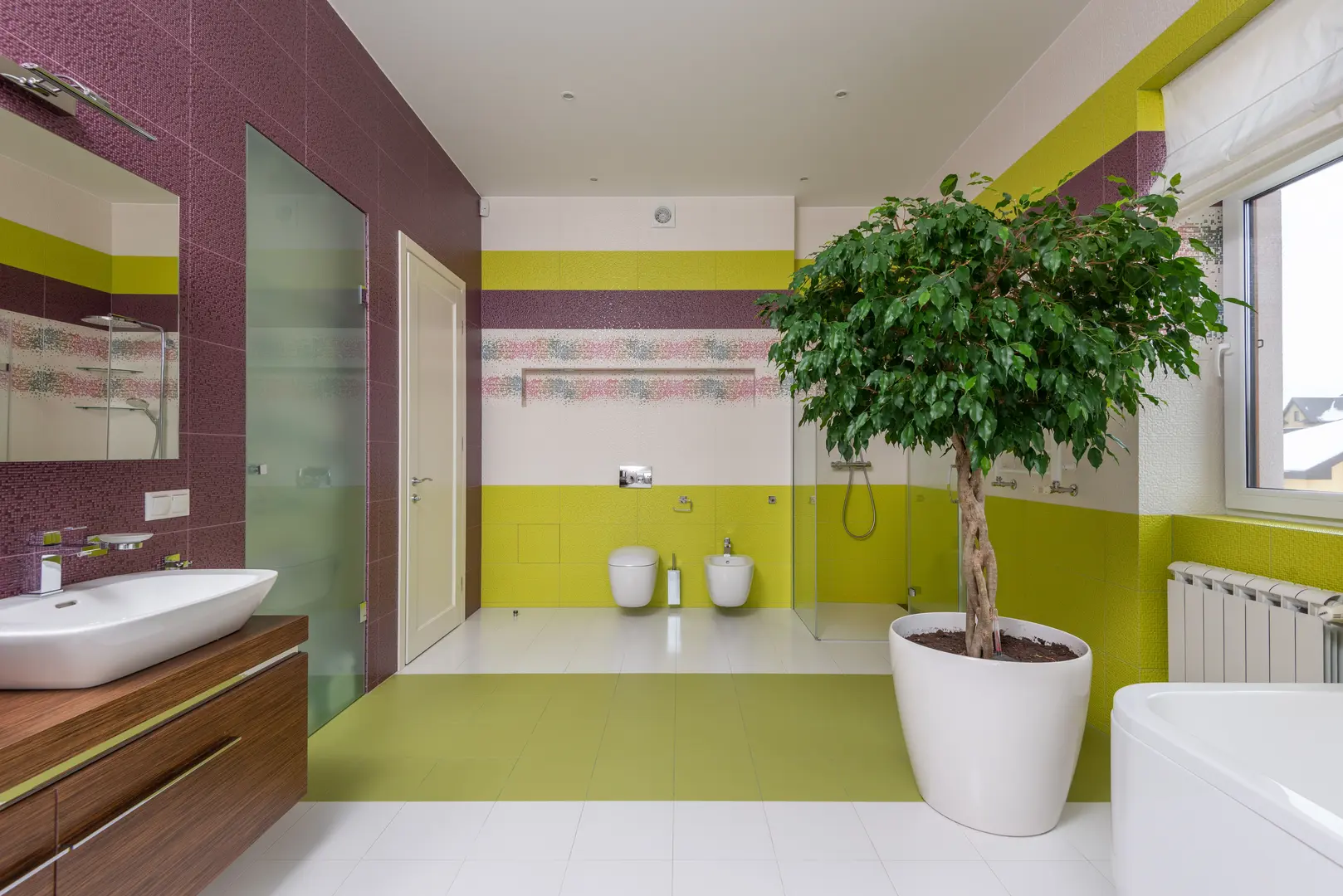
A bathroom does not need a full renovation to feel calmer, fresher, and more inviting. Adding greenery is a simple, cost-effective update that can soften hard surfaces, introduce natural color, and create a spa-like atmosphere without moving fixtures or altering the layout.
The best plants for bathroom spaces are those suited to the room’s available light and changing moisture levels. Some thrive in warm, steamy conditions, while others adapt well when the bathroom dries between showers. Here are eight reliable options, along with practical guidance for choosing, placing, and caring for them.
Reasons to Bring Plants Into Your Bathroom
Bathrooms often contain hard, practical materials such as tile, glass, metal, and porcelain. Plants balance those surfaces with softer shapes, natural textures, and lively color. Even one small plant can make the room feel less clinical, while several coordinated plants can help create a relaxing sanctuary.
Humidity is another reason certain plants work well in bathrooms. Tropical varieties often appreciate the moisture from showers and baths, particularly when the room stays warm. Their foliage typically responds well to this environment compared to the dry air found elsewhere in a home.
Plants can absorb some moisture through their leaves and growing medium. However, they should not replace proper ventilation methods. A bathroom still needs airflow to manage condensation and protect walls, ceilings, and furnishings.
From a decorating perspective, plants offer flexibility. Trailing vines can cascade from a shelf, a fern can fill an empty corner, and an orchid can provide an elegant focal point near a bright window. This makes greenery useful for a noticeable bathroom update without the cost and disruption of remodeling.
The Main Benefits of Keeping Plants in the Bathroom
Many popular houseplants are valued for their ability to filter certain airborne substances and release oxygen as part of their natural processes. Spider plants, peace lilies, snake plants, and pothos are commonly selected for these qualities.
The actual effect in a bathroom depends on the number and size of plants, room dimensions, airflow, and plant health. While plants can contribute to a fresher environment, they do not replace ventilation or routine cleaning.
Bathroom plants may also help with moisture management. By using some of the surrounding moisture, humidity-loving plants can support a balanced environment. This may complement other steps used to discourage mold and mildew, including:
- Running an extractor fan during and after showers
- Opening a window when possible
- Wiping up standing water
- Cleaning damp surfaces regularly
- Repairing leaks promptly
The emotional benefits can be just as important. Natural greenery can make a bathroom feel peaceful and restorative. Seeing and caring for plants may lift your mood, reduce stress, and make routines more relaxing.
Color is another benefit. Bathrooms with neutral tile or white fixtures can gain depth from dark green snake plant leaves, delicate fern fronds, or a flowering orchid. Plants provide this visual improvement without a permanent design commitment.
Top Plant Choices for Bathrooms
Not every bathroom has the same conditions. A room with a large, bright window may suit aloe vera or orchids, while a dimmer space may be better for ferns, bamboo, pothos, or snake plants. Consider humidity, available surfaces, and how often you want to water.
The following eight plants cover a range of light levels, care needs, and display styles.
Ferns for Steamy, Low-Light Bathrooms
Ferns are classic choices for warm, humid bathrooms. Their fine, arching fronds bring softness to a room and pair naturally with steamy conditions.
Many ferns tolerate lower light than sun-loving plants, making them suitable for bathrooms with small windows or indirect natural light. However, they do need some usable light to remain healthy.
Keep fern soil slightly damp rather than allowing it to dry out completely. Bathroom humidity can slow water loss, so check soil moisture before adding water. The pot should drain freely to prevent root saturation.
A fern can work well:
- In a hanging planter
- On a stool or plant stand
- On a shelf
- Near a frosted window
Spider Plants for Natural Air Cleaning
Spider plants are approachable choices for a low-maintenance routine. Their long, striped leaves add movement and contrast, and mature plants can develop hanging plantlets for a cascading display.
They are commonly known for filtering airborne toxins like formaldehyde. As with any houseplant, this should supplement good ventilation rather than replace it.
Spider plants can adapt to a range of light conditions, performing best with indirect light. This makes them useful in bathrooms where sunlight changes throughout the day.
Place a spider plant in a hanging basket, on a high shelf, or near a window away from harsh direct rays. Check soil rather than following a rigid watering schedule, as humidity may keep pots moist longer than expected.
Peace Lilies for Flowers and Cleaner Air
Peace lilies offer both foliage and flowers. Their glossy green leaves provide interest, while elegant white blooms can brighten a bathroom and create a polished, spa-inspired look.
Preferring humid surroundings and indirect light, peace lilies suit positions near bright but screened windows. They can fit in bathrooms with moderate natural light, although flowering may be influenced by overall conditions.
Valued for air-purifying qualities, peace lilies contribute to a fresher room while adding a decorative element.
Monitor soil carefully. Humidity does not mean the soil is wet, but it can reduce watering frequency. Test the surface and avoid leaving pots in standing water.
Snake Plants for Humid or Dry Bathroom Conditions
Snake plants are forgiving choices for a bathroom. Their tall, upright leaves offer a clean architectural appearance, suitable for modern or minimalist interiors.
Unlike plants needing consistently steamy conditions, snake plants tolerate both humid and dry environments. This adaptability is useful in guest bathrooms or rooms with varying shower use.
They cope with lower light, although indirect natural light is beneficial. Snake plants offer visual impact without taking up much space. A narrow pot can fit beside a vanity, in a corner, or near a bath.
Snake plants are linked with filtering airborne toxins and require little attention. The main care concern is excess water. Let the soil guide watering, especially in humid rooms where dryness is slow.
Aloe Vera for Brightly Lit Bathrooms
Aloe vera suits bathrooms with bright windows. Preferring bright, indirect light, position it for ample illumination without intense sun exposure.
Its thick, sculptural leaves suit contemporary bathrooms and small spaces. Aloe grows neatly in pots, easily placed on windowsills, vanity corners, or shelves.
Low maintenance, aloe vera doesn’t need consistently moist soil. Allow the growing medium to dry between waterings.
The gel inside aloe leaves is often used for skin-soothing remedies, but confirm appropriate use, and it should not replace professional care for serious skin issues.
Orchids for an Elegant, Humid Bathroom Display
Orchids transform a bathroom into a luxurious space with their delicate flowers creating a refined focal point. Compact form makes them suitable for vanities, window ledges, and narrow shelves.
Appreciating humidity, orchids have a natural advantage in frequently used bathrooms. They need indirect light, so bright rooms with filtered sunlight are preferable.
Humidity should not equate to constant wetness. Allow excess water to drain, and avoid letting orchids sit in water.
For a strong decorative effect, place orchids where flowers are visible without direct heat or harsh sunlight. Near a mirror can amplify their display.
Bamboo for a Low-Light, Easy-Care Accent
Bamboo offers a simple, upright accent often linked with good fortune. Its clean lines work well in spa, minimalist, or nature-inspired bathrooms.
Decorative bamboo can grow in water without potting soil, avoiding loose soil on shelves. A clear container can enhance the display.
Requiring little light compared to sun-loving plants, bamboo suits modestly lit spaces. Ensure it receives some light rather than being in total darkness.
Keep containers stable and clean, monitoring water condition. Positioning stems on a shelf or beside a basin creates greenery without crowding.
Pothos for Hardy Trailing Bathroom Greenery
Pothos is a hardy trailing plant ideal for limited horizontal space. Vines can hang from shelves, wall-mounted planters, or trail along cabinets.
Tolerating low light, pothos’ growth depends on usable light. In bathrooms with no window, periodic repositioning to brighter locations or plant light may be needed.
Known for filtering toxins, pothos suits those wanting greenery with an easy-going routine.
Ensure vines grow without blocking mirrors, doors, or storage. Check pots regularly, as dryness or water may be overlooked on high shelves.
Caring for Plants in a Bathroom Environment
Bathroom plants need attentive care, even in seemingly ideal growing conditions. Light, water, drainage, temperature, and placement all affect plant performance.
Observe the room over several days. Note when sunlight enters, humidity patterns after a shower, and areas that become hot or drafty. These observations help choose plants based on actual conditions instead of appearance alone.
Choosing Plants Based on Available Light
Align plant choices with available light before considering decor. Bright windows can support aloe vera and orchids, which prefer strong but indirect light. Spider plants and peace lilies thrive with filtered illumination.
For lower-light bathrooms, consider:
- Ferns
- Snake plants
- Bamboo
- Pothos
Even low-light plants need some illumination. Leaving plants in darkness hinders growth. Rotating plants between the bathroom and brighter rooms may help if they tolerate relocation. A suitable plant light is another option.
Monitor plant responses. Weak growth or leaning may indicate unsuitable conditions.
Managing Watering and Bathroom Humidity
Humidity may reduce how quickly soil dries, requiring less frequent watering than similar plants elsewhere. Avoid fixed schedules without soil checks.
Basic steps:
- Inspect soil for moisture.
- Consider plant needs—ferns like damp soil, aloe and snake plants tolerate dry conditions.
- Water only as needed.
- Ensure full drainage.
- Empty water from saucers or containers.
Avoid assuming steam provides enough moisture. Humid air and moist soil differ. Balance root-level water needs with atmospheric conditions.
Good airflow is essential. If condensation or mold appears, enhance ventilation rather than adding more plants.
Smart Placement Ideas for Bathroom Plants
Position plants for suitable light without interfering with routines. Hanging planters use vertical space, ideal for spider plants, ferns, and pothos.
Small pots fit on:
- Shelves
- Windowsills
- Vanity corners
- Wall ledges
- Bath-side stands
Floor plants like snake plants fill corners without spreading. Orchids and peace lilies serve as focal points near mirrors. Aloe vera benefits from bright windows.
Keep plants away from direct heat sources, avoiding locations near repeated shower spray or where they could be knocked over. Pots should drain, be stable, and accessible for checks.
With balanced light, humidity, and watering, these bathroom plants provide lasting color and create a more welcoming space.