Hinged vs Sliding Shower Doors: How to Choose
Choosing the right shower door affects more than the look of an enclosure. It influences how easily people can enter, how much floor space remains usable, where water may collect and how much cleaning the enclosure requires.
The hinged vs sliding shower doors decision therefore needs to account for the bathroom layout, installation conditions and everyday use. Both styles can work well, but their practical differences make each better suited to particular spaces and priorities.
How Shower Doors Shape Bathroom Design
A shower door is one of the largest visible features in many bathrooms. Its glass, frame and hardware can support a minimal, contemporary design or create a more structured enclosure.
Hinged doors often contribute to an open, high-end appearance. With fewer overlapping components, they can make the shower and the wider room feel less visually divided. This effect is particularly noticeable with frameless or lightly framed designs.
Sliding doors have a more compact operating footprint. Because the panels move along the enclosure rather than into the room, they preserve usable floor space. That can be valuable when the shower is close to a toilet, vanity, towel rail or doorway.
Function should remain as important as appearance. A visually appealing door that obstructs a fixture, provides an awkward entry or demands more maintenance than expected may become frustrating. The best design balances:
- Available bathroom and shower space
- Comfortable entry and exit
- Water control
- Cleaning requirements
- Hardware durability
- Compatibility with the overall bathroom style
Understanding Hinged and Sliding Shower Doors
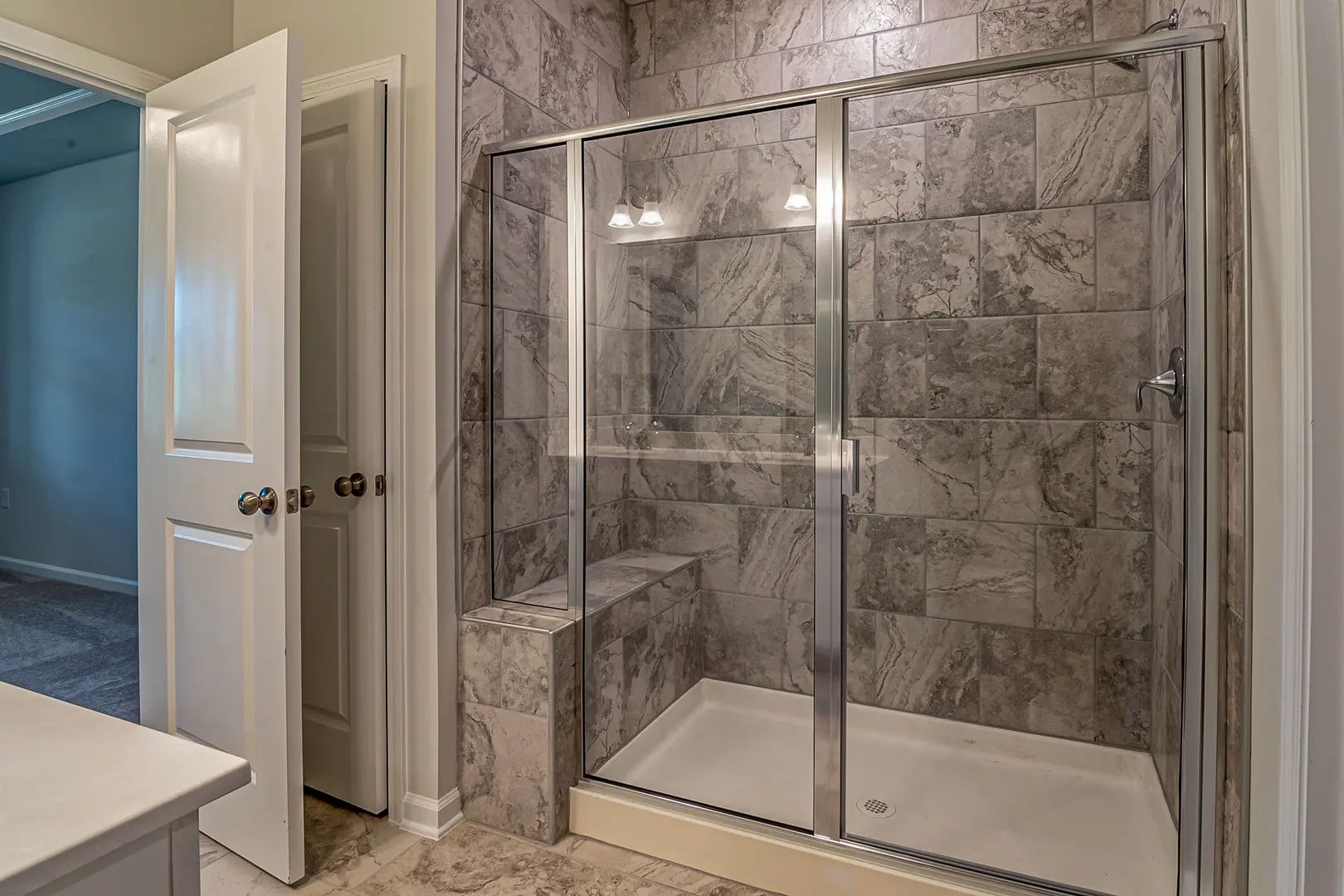
A hinged shower door is attached to a wall or fixed glass panel with hinges. It opens by swinging, much like a standard interior door. Depending on the enclosure and hardware, it may open outwards or have a degree of movement in both directions.
This style is generally suited to bathrooms with enough clear floor area for the full door movement. It can work well for shower enclosures with a generous entrance and for designs intended to feel open and refined.
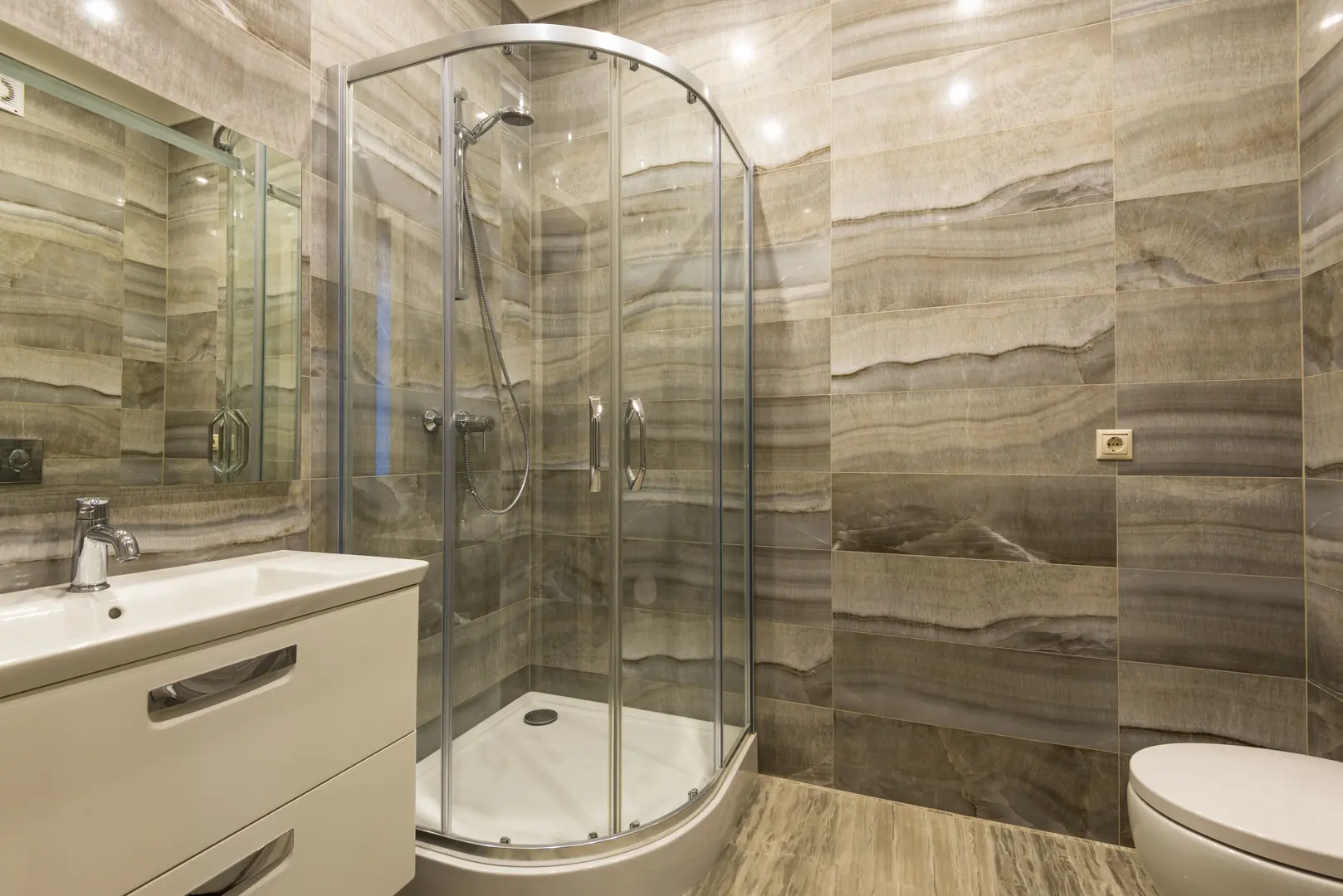
A sliding shower door uses two or more panels positioned along a track or guide system. One panel slides past another to provide access without projecting into the bathroom. Sliding doors are commonly used with showers over baths and wider shower enclosures where overlapping panels are practical.
They are especially useful in compact rooms because no swing zone is required. However, compatibility should not be assumed simply because a design is described as sliding or frameless. The opening dimensions, supporting surfaces, threshold and chosen hardware must all suit the system. A frameless sliding door is not automatically suitable for every shower space.
Hinged or Sliding: Comparing the Main Advantages and Drawbacks
The main differences can be summarised as follows:
| Consideration | Hinged doors | Sliding doors |
|---|---|---|
| Space outside the shower | Require swing clearance | No swing clearance required |
| Entry opening | Often provides a more open entrance | Usually restricted by overlapping panels |
| Cleaning | Relatively simple glass and hardware access | Tracks and guides need extra attention |
| Appearance | Open, elegant and often high-end | Practical but may look more visually structured |
| Installation | Requires accurate alignment and secure support | Prefabricated systems may be more straightforward |
| Ongoing concerns | Hinge condition and water dripping when opened | Track debris and wheel corrosion |
Neither style is universally better. The right choice depends on which strengths matter most in the specific bathroom.
Advantages of Hinged Shower Doors
Hinged doors are often selected for their elegant appearance. Their straightforward movement and relatively uncluttered construction can complement a spacious, contemporary bathroom. They also avoid the visual overlap created by sliding glass panels.
Cleaning is another advantage. With no long lower track collecting soap residue and moisture, there are fewer narrow channels to scrub. The glass edges and much of the hinge hardware are generally easy to reach.
A hinged design may also make the shower feel more open. When the door is opened, it can expose most or all of the entrance rather than leaving one panel overlapping another. This can improve the sense of space and make entry more comfortable.
For homeowners who value a refined look, a broad entrance and uncomplicated routine cleaning, a hinged door can be an appealing option.
Limitations of Hinged Shower Doors
The principal limitation is the swing space. The bathroom must provide enough clearance for the door to open without hitting a basin, toilet, wall, storage unit or another door. A bathmat and other movable items should also be considered when evaluating the opening path.
Installation must be precise. The supporting wall or fixed panel has to suit the hardware, and the door needs correct alignment so that it opens and closes as intended. Inaccurate fitting can affect movement and water control.
Water dripping is another practical concern reported by users. When a wet hinged panel swings into the bathroom, water on the glass may drip onto the floor. The extent of this issue depends on the enclosure, the opening direction and user habits, but it should be considered during planning. A hinged door can also allow splashing if its seals and positioning do not suit the shower layout.
Benefits of Sliding Shower Doors
Sliding doors are highly space-efficient. Their panels remain within the footprint of the enclosure, so there is no need to reserve floor area for a swinging door. This makes them a strong choice for small bathrooms and layouts where fixtures are close to the shower.
The absence of an outward-moving panel may also be convenient for someone who would find it difficult to step around or control a swinging door. Opening the shower does not create a temporary obstruction in the room.
Sliding units are available as prefabricated systems, which can make them a practical and potentially cost-effective option for suitable standard openings. They are also well suited to wider enclosures where one panel can move behind another.
Because the wet panel does not swing out over the bathroom floor, some households prefer sliding doors as a way to reduce water dripping outside the enclosure.
Drawbacks of Sliding Shower Doors
Sliding doors may offer less visual simplicity than hinged designs. Overlapping panels, guides, tracks and rollers can make the enclosure appear busier. Frameless sliding systems can reduce some of this visual weight, but they still require compatible hardware and installation conditions.
Maintenance is the main practical disadvantage. Lower tracks and guides can collect residue, and their corners may be harder to reach than a flat glass surface. Regular cleaning is needed to prevent the mechanism from becoming difficult to operate.
Wheels and rollers also need monitoring. Users sometimes report that corroded wheels affect smooth movement over time. Components that become worn, dirty or corroded may need attention or replacement.
Finally, the overlapping-panel design limits the entry opening. Even if the overall enclosure is wide, only part of it may be available for access at one time. This can be an important drawback for anyone who needs a broad, unobstructed entrance.
Important Considerations for Selecting a Shower Door
Before choosing between the two styles, assess how the door will work in everyday conditions—not just how it looks in a showroom or photograph. Space, access, cleaning, installation and long-term maintenance all affect the suitability of a design.
Assessing the Bathroom’s Available Space
Begin by measuring the shower opening and the surrounding floor area. Identify every nearby obstruction, including sanitaryware, cabinets, walls and other doors.
For a hinged door, consider the full opening arc rather than only the width of the glass. The door must move freely, and the user needs enough room to stand and enter safely. Also think about where water will fall when the wet panel opens.
A sliding door is usually the more practical solution when the bathroom is compact or fixtures sit close to the enclosure. It keeps its movement within the shower footprint. However, confirm that the opening is wide enough to accommodate overlapping panels while still providing a usable entrance.
Where ample clearance exists, a hinged design can provide a wider-feeling entry and a more open visual result.
Cleaning and Ongoing Maintenance Requirements
Hinged doors usually offer the simpler cleaning routine. Large glass surfaces can be wiped directly, and there is no full-length sliding track in which residue can accumulate. Hinges still need routine inspection to ensure that they remain secure, clean and operating correctly.
Sliding doors require more attention around tracks, guides and overlapping sections. Cleaning these areas regularly helps preserve smooth movement. Rollers or wheels should also be checked for wear and corrosion, particularly if the door begins to feel rough or difficult to move.
Before purchasing, look at the actual hardware arrangement. Consider whether the tracks and glass overlap are easy to reach. A design that is difficult to access may be less appealing if low-maintenance cleaning is a priority.
Accessibility and Safe Everyday Use
Accessibility depends on both the door action and the resulting entrance width.
A sliding door does not swing towards the user, which may simplify operation in a confined room. It also avoids creating an obstacle across the floor area. However, overlapping panels often produce a narrower opening, which may not suit everyone with mobility needs.
A hinged door can provide a more generous entrance when fully open. On the other hand, the user must have room to manage the door’s movement, and the bathroom must accommodate its swing.
Consider who will use the shower now and in the future. The door should:
- Be easy for the intended users to open and close
- Provide sufficient entry space
- Move smoothly without requiring awkward positioning
- Avoid conflicts with nearby fixtures
- Remain secure and correctly aligned
If accessibility is a major concern, assess the complete entrance rather than choosing solely on the general reputation of either door type.
Installation Requirements and Initial Cost
Sliding doors are often available at lower initial prices, particularly as prefabricated units designed for common enclosure sizes. These systems can offer a cost-effective solution when the existing opening is compatible.
Some homeowners consider installing a sliding unit themselves. Whether this is appropriate depends on the system, the installation surface and the person’s ability to follow the manufacturer’s requirements. Accurate levelling, alignment and water control remain important. When the opening is irregular or the hardware requires specialist fixing, professional installation may be the safer option.
Hinged doors generally demand precise fitting. The hinges must support the glass correctly, and the door must align with seals and adjoining surfaces. Custom glass, frameless hardware or unsuitable supporting surfaces can make installation more involved.
Prices vary with the size, glass configuration, framing, hardware and level of customisation. A basic sliding unit may cost less than a custom hinged enclosure, but door style alone does not determine the final price.
Comparing Total Costs Over Time
Initial purchase and installation costs provide only part of the comparison. Ongoing cleaning, adjustments and replacement hardware can also affect value.
A sliding door may be affordable at the outset, but its tracks, rollers and wheels require continued care. If these components corrode or wear, servicing or replacement may be necessary to restore smooth operation.
A hinged door has fewer track-related maintenance demands, but its hinges should still be inspected. Loose, worn or misaligned hardware may require professional adjustment.
When comparing quotations, consider:
- Door and hardware cost
- Professional installation, if required
- Cleaning effort and suitable access to components
- Likely maintenance of rollers, tracks or hinges
- Availability of replacement parts
- The suitability of the door for the existing opening
The lowest purchase price is not always the lowest total cost if the system is poorly matched to the bathroom or difficult to maintain.
Mistakes to Avoid When Choosing a Shower Door
Many disappointing shower-door choices result from planning errors rather than an inherent problem with either style. Careful measurements and realistic expectations can prevent most issues.
Failing to Account for Bathroom Layout Limits
Do not select a hinged door without mapping its complete swing path. A doorway may appear large enough while the opened panel still collides with a toilet, basin or cabinet. The user also needs space to stand and move around the door.
For sliding systems, do not focus only on the overall enclosure width. Check the actual entry space left when the panels overlap. Confirm that the track and hardware are compatible with the shower base, walls and opening.
Measurements should reflect the finished bathroom surfaces, not rough assumptions made before the surrounding work is complete.
Underestimating Door Maintenance
Sliding tracks are easy to overlook during selection. Examine their shape, accessibility and cleaning requirements before buying. Plan to remove residue and inspect wheels or rollers for corrosion and wear.
Hinged doors are typically easier to clean, but they are not maintenance-free. Hinges, seals and alignment should be checked routinely, especially if the door starts to move differently or no longer closes as expected.
Choosing a door with a maintenance routine that suits the household is more practical than assuming every glass enclosure will require the same level of care.
Putting Appearance Ahead of Practical Function
An elegant hinged door may not be suitable if it blocks a fixture or leaves too little room to enter. Likewise, a streamlined sliding enclosure may disappoint if its opening is too narrow or its tracks are difficult to clean.
Balance visual preferences against:
- Available swing or sliding space
- Entrance width
- Ease of operation
- Water dripping and splash control
- Installation complexity
- Cleaning and hardware maintenance
- Initial and long-term costs
In the hinged vs sliding shower doors comparison, the best choice is the one that performs reliably in the actual room. Hinged doors suit bathrooms with adequate clearance and homeowners seeking an open, refined look. Sliding doors are often better for compact layouts where conserving floor space is the main priority.