Hot Bathroom Tap on the Left or Right? Understanding the Standard
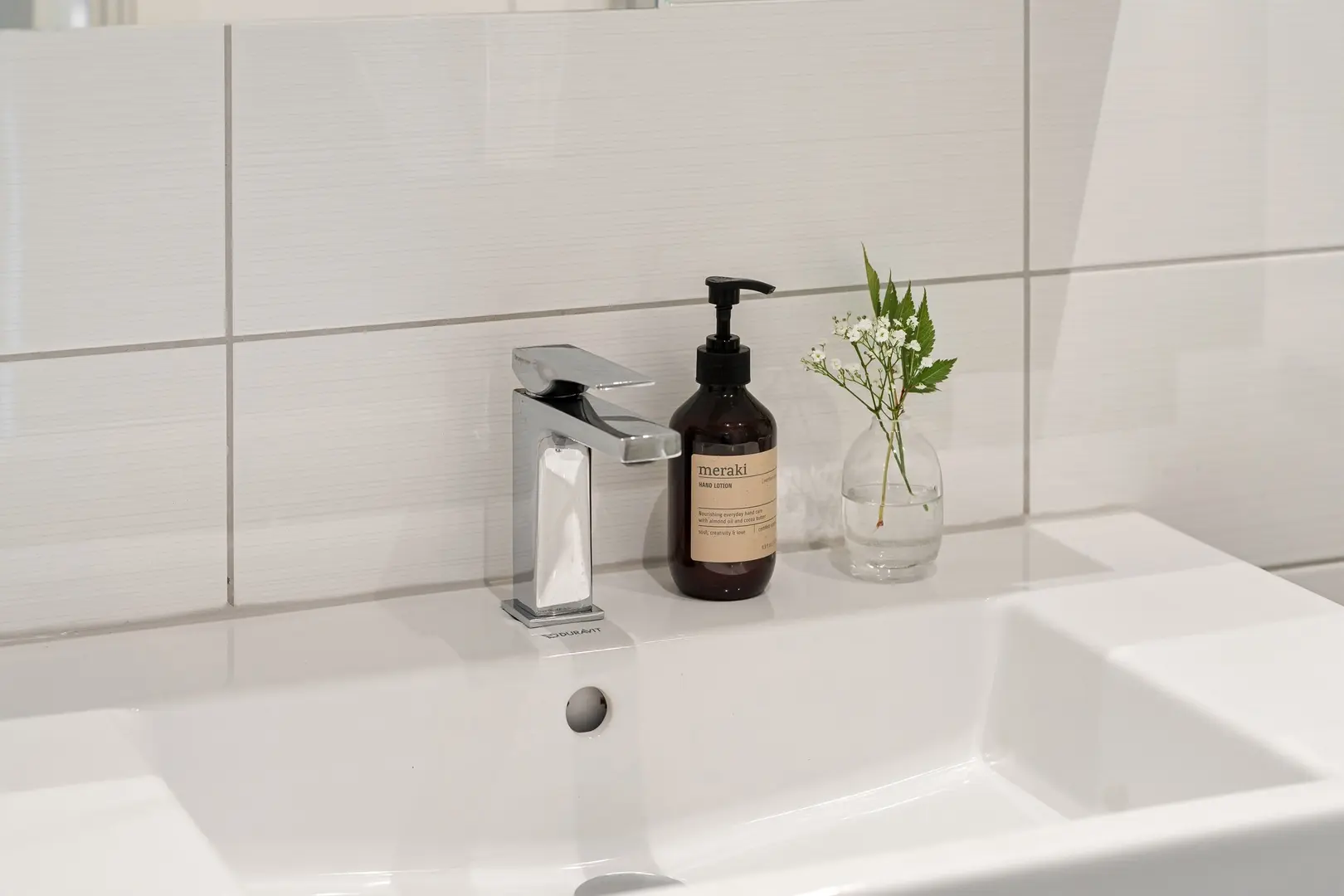
When you approach an unfamiliar basin, you may instinctively reach for one side based on habit. But should the hot bathroom tap be on the left or right? In the UK, the traditional arrangement is hot on the left and cold on the right. However, reversed plumbing, incorrect labels and different layouts mean it is not always safe to rely on position alone.
Why Bathroom Tap Arrangements Can Be So Confusing
Bathroom taps appear simple until you use a basin where everything seems to work backwards. A person accustomed to hot water on the left may encounter a bathroom with hot on the right. Someone familiar with separate taps may then struggle with a mixer whose lever direction is unclear.
Personal experience plays a large part in the confusion. Once you have used the same arrangement for years, reaching for a particular side becomes automatic. That habit can become a problem when visiting another home, staying in a hotel or moving to a property with a non-standard installation.
Several factors can make tap layouts difficult to interpret:
- Separate taps may be installed in the opposite positions from those expected.
- A mixer tap may use sideways or rotational movement rather than two distinct controls.
- Hot and cold indicators may be small, worn or difficult to see.
- Replacement tap heads may have been fitted with the wrong labels.
- The visible controls may be labelled correctly while the water supplies underneath are reversed.
- Bathrooms in different countries may follow different conventions or installation habits.
The most concerning situation is not simply an unusual arrangement, but one that is misleading. If a tap marked as cold produces hot water, a user may keep a hand beneath the flow while waiting for it to cool. That creates an avoidable scalding risk.
When using unfamiliar taps, begin with a low flow and keep your hands away until you know the temperature. Look for red and blue indicators, but do not treat them as a guarantee if the installation seems inconsistent. If you own the property and the labels do not match the water supply, correcting the problem is safer than expecting every visitor to remember the reversal.
It is also important to distinguish between convention and certainty. Hot on the left is the familiar UK arrangement, but the position alone cannot confirm what will come out of a particular tap. Clear labelling and correct plumbing matter just as much.
Which Side Should Have the Hot and Cold Water?
The generally recognised arrangement is:
| Position | Water supply |
|---|---|
| Left | Hot |
| Right | Cold |
This layout provides a predictable answer to the question of whether the hot bathroom tap is on the left or right. It is particularly useful in bathrooms because users may operate taps quickly, when distracted or without closely examining the controls.
Consistency is not merely a design preference. Unexpectedly hot water can cause injury, especially when the user assumes that a control will deliver cold water. The danger may be greater for children, who might not react quickly to a sudden temperature change, and for visually impaired users, who can depend more heavily on a familiar physical arrangement.
A consistent position can therefore act as one layer of protection. When hot is always on the left and cold is always on the right, users are less likely to select the wrong control by mistake. It also makes it easier for adults to teach children which tap to use.
However, position should not be the only safety measure. A standard layout cannot compensate for:
- Incorrect hot and cold labels
- Crossed or reversed water connections
- Excessively hot water
- Controls that are difficult to operate accurately
- A mixer that briefly releases unexpectedly hot water
If you are planning a new bathroom or replacing taps, following the conventional left-hot, right-cold arrangement is usually the least confusing option. It aligns with what many UK users expect and reduces the chance that guests will make the wrong assumption.
For a single-lever mixer, the answer is less visually obvious because there are not always two separate taps. The control may move left and right, rotate or combine flow and temperature in one motion. In that case, the red and blue markings and the manufacturer’s intended control movement should make the temperature direction clear. The important point is that the operation should be predictable and accurately labelled.
If you discover that an existing bathroom is reversed, do not simply swap the coloured indicators unless that makes them accurately correspond with the supplies. Labels must describe what the tap actually delivers. Where the plumbing itself is confusing or produces unpredictable temperatures, it is sensible to have the installation checked rather than relying on a handwritten warning or verbal explanation.
Is Hot Water Normally on the Left or the Right?
Hot water is normally positioned on the left, with cold water on the right. This is the traditional UK convention and the arrangement many plumbers, designers and householders expect.
That does not mean every bathroom follows it. People frequently report encountering reversed taps, particularly in older properties, altered bathrooms and unfamiliar accommodation. These experiences explain why opinions can appear divided. Someone who has repeatedly used a right-hand hot tap may regard that arrangement as normal, even though it differs from the more widely recognised convention.
There is also a distinction between separate taps and mixer taps. With separate controls, “hot on the left” refers directly to the position of the hot tap. With a mixer, it may refer to the hot side of the control movement or to how the supplies connect beneath the tap. Users are primarily concerned with the visible operation: moving or turning the control towards the hot indication should produce increasingly warm water.
The case for a consistent international arrangement is straightforward. Bathrooms are used by residents, visitors and travellers who may not understand local plumbing habits. A common position would reduce the need to pause and interpret each new tap. It would also make symbols and instructions easier to understand across different settings.
For children, consistency can reinforce safe behaviour. A child who has been taught that the cold tap is on the right may be less likely to select hot water accidentally—provided the bathroom follows that convention. Reversed controls undermine that learning, which is why an unusual setup should not be dismissed as a harmless quirk.
Clear visual indicators remain important. Red is commonly used to indicate hot and blue to indicate cold, but symbols should be visible and correct. A standard position combined with accurate markings offers more information than either feature alone.
If you are unsure which side is hot in an unfamiliar bathroom:
- Check for red and blue indicators.
- Open the expected cold side slowly.
- Keep your hand away from the initial flow.
- Allow the temperature to settle before testing it carefully.
- Stop using the tap if its operation or labelling appears unsafe.
This cautious approach is especially important if the water seems to change temperature unexpectedly. The usual left-hot arrangement is helpful, but it should never replace basic care.
Understanding Tap Temperature Delay
A tap does not always deliver hot water as soon as it is opened. Water remains in the pipe between the heat source and the outlet after the previous use. By the time the tap is opened again, that water may have cooled. It must flow out before newly heated water reaches the basin.
This is why a hot tap may initially run cold or lukewarm before becoming hot. The delay can vary between bathrooms because the plumbing arrangements are not identical. An apparent delay does not necessarily mean that the hot and cold sides have been reversed.
A different concern is the sudden burst of very hot water that some people experience when opening a mixer. The flow may begin hotter than expected and then stabilise after a few seconds. Whatever the cause in a particular installation, users should not place their hands directly beneath an uncertain initial flow.
Where a mixer allows its maximum temperature to be adjusted, reducing that limit may make everyday use safer, particularly in a home with children. The correct adjustment method depends on the tap, so it should not be altered by guesswork. The manufacturer’s instructions or an appropriate professional should be consulted.
A maximum-temperature adjustment may reduce the usual output temperature, but it should not be treated as a complete solution to every initial hot burst. If the mixer continues to produce sudden or unpredictable temperature changes, the underlying installation or control may need attention.
It can help to note exactly what is happening:
- Does the hot side begin cold and warm gradually?
- Does the mixer begin very hot and then become cooler?
- Do the red and blue markings match the actual water?
- Does the problem happen every time or only after another outlet has been used?
- Is the temperature difficult to control throughout use?
These observations can separate a normal wait for hot water from a misleadingly labelled or erratic tap. They also give a plumber clearer information if the problem needs investigation.
Most importantly, do not “test” uncertain water by placing a child’s hand—or your own—under the first flow. Start slowly, observe the tap and allow the temperature to settle.
Why Is Hot Water Traditionally on the Left? A Look at the History
The traditional position is commonly explained through the history of domestic water controls and right-handed use. Cold water was the original everyday supply in many older arrangements, and controls were positioned for convenient use by the right hand. When hot water became more commonly available as a separate supply, the additional hot control was placed on the left.
This helped establish the familiar pattern:
- Cold water on the right
- Hot water on the left
Because most people were right-handed, placing the routinely used cold control on the right was considered practical. Over time, the arrangement became a convention that users expected, even as bathroom design moved from separate taps towards mixers and more varied control styles.
The historical explanation is useful because it shows that the layout was not chosen arbitrarily. It developed from established habits and the way earlier water controls were used. Once people learned the arrangement, keeping it consistent also offered a safety advantage: users could identify the expected hot side without examining every tap in detail.
However, hot on the left is not a UK law requiring every bathroom tap to be installed in that position. It is better understood as a longstanding convention. This distinction explains why reversed installations exist without making them good design choices.
For homeowners and bathroom designers, the absence of a law does not remove the practical reasons for following the convention. Hot on the left and cold on the right is familiar, easy to communicate and less likely to surprise visitors. When combined with correct red and blue markings, it creates a clearer and more intuitive bathroom.
If existing taps are reversed, the priority should be to ensure that users are not misled. Labels must match the actual temperature, and any unpredictable or dangerously hot output should be investigated. During a renovation, correcting the arrangement to hot-left and cold-right can remove a source of recurring confusion.
Ultimately, the standard answer is simple: the hot bathroom tap is traditionally on the left, while the cold tap is on the right. Yet because not every installation follows that pattern, always check the indicators and approach unfamiliar taps cautiously rather than relying on position alone.