How Can I Increase Water Pressure in the Shower?
Few things wreck a morning faster than stepping into a shower and getting a weak, dribbling spray. You expect steady pressure, but instead you get just enough water to wet your hair. If you have been asking how can I increase water pressure in the shower, the good news is that many of the usual causes are fixable without a full plumbing overhaul.
The right fix depends on where the pressure loss happens. Sometimes the problem is as simple as a clogged showerhead. Other times it is buried inside old pipes or caused by a household valve that was never adjusted correctly. The fastest way to stop guessing is to test your water flow first, then work through the fixture, the supply line, and the main water system in that order.
Why Is Shower Pressure Low? Common Causes to Rule Out
Before you invest in a pump or a pipe replacement, it helps to understand where water pressure can disappear. In some homes the trouble begins outside your walls. Municipal water suppliers sometimes deliver water at lower pressure than expected, especially in older neighborhoods or during heavy-use seasons. Your own house may also have a pressure-reducing valve that was set too low by a previous owner. If you live on a hillside or near the top of a multi-story building, gravity also works against you.
The pipes that feed the shower matter as much as the supply. Older galvanized steel lines build up rust and mineral deposits on the inside. Over time, the opening gets narrower, and less water can pass through even when the municipal pressure is normal. Hard water causes a similar problem inside the shower fixture itself. Scale can form in the showerhead nozzles and turn a good supply into a weak spray. A partially closed shutoff valve, a failing tub valve, or a corroded shower cartridge can also reduce the flow.
It helps to separate two different situations. If every faucet in the house runs slowly, you are dealing with whole-house low pressure. If the shower or tub is weak but the kitchen and bathroom sinks are fine, the problem is probably in the shower line, the shower valve, the hose, or the showerhead. This distinction matters because a fix that works for one case will not fix the other.
People who manage apartment buildings sometimes notice a specific pattern: sink pressure is normal, but tub/shower pressure is poor. That can happen when the shower fixture has a clogged flow restrictor or the tub valve needs repair. It does not necessarily mean the building supply pressure is low. Homeowners have reported similar experiences after moving into a house with an older showerhead or after installing a new fixture that contained a restrictor. If only the shower is weak, start by looking at the shower itself before touching anything near the main water line.
Test Your Shower Flow Before Choosing a Fix
Before removing a single part, measure what you are working with. A formal measurement may not be necessary if the spray is obviously pitiful, but a quick test still helps. It gives you a reference point and makes it easier to tell whether a fix actually worked. It also prevents you from making the wrong adjustment.
Two simple methods are especially useful: a bucket-and-timer test and a water pressure gauge. The bucket test measures how much water actually reaches the shower. The pressure gauge measures the pressure in the pipes. They answer different questions, so doing both is fine if you want a complete picture.
One caution from online discussions is worth repeating: adjusting the whole-house pressure valve is the wrong fix for a shower-only problem. Some homeowners have turned the adjustment screw on the pressure regulator, only to discover that the sink pressure stayed normal and the shower remained weak. The real issue was inside the shower fixture or its supply line. Diagnose the location of the problem before you reach for a wrench.
Estimate Shower Flow With a Simple Bucket Test
The bucket test is quick and requires almost no equipment. Place a clean one-gallon bucket under the showerhead, turn the water on to full flow, and time how long it takes to fill the bucket.
If it takes about 24 seconds to fill one gallon, the shower is delivering roughly 2.5 gallons per minute. That is considered a normal flow for a shower. If the fill time stretches beyond 30 seconds, the flow is below normal and worth fixing. Repeat the test at a different time of day, especially during the morning when other people in the household are also using water. You can also run a sink or flush a toilet while testing to see if demand-related drops are making the problem worse.
Get a Precise PSI Reading With a Water Pressure Gauge
A water pressure gauge is a small device that screws onto an outdoor hose bib or a sink faucet. After attaching it, close the faucets and read the dial. A normal household pressure range is usually 40 to 60 PSI. If the reading is below 30 PSI, the home supply pressure is low.
A good PSI reading is useful, but it does not tell the whole story. You can have excellent supply pressure and still get a weak shower because the showerhead or the shower valve is limiting the water. That is why the bucket test and the pressure gauge work best together. The gauge rules out the main supply, while the bucket test tells you what the shower actually delivers.
Practical Fixes for Increasing Shower Water Pressure
The fixes below range from simple maintenance to larger plumbing work. Some can be completed in ten minutes with no tools. Others require professional help. If you have searched online for “how can I increase water pressure in the shower,” you likely already know that advice varies. Choose a fix based on what the diagnostic tests showed.
If the problem is only in the shower, start with the showerhead and the flow restrictor. If the problem is everywhere, check the pressure-reducing valve, look for leaks, and consider the condition of the pipes. Most low shower pressure problems are fixable, and many of them do not require opening up a wall.
Clear Hard-Water Deposits From the Showerhead
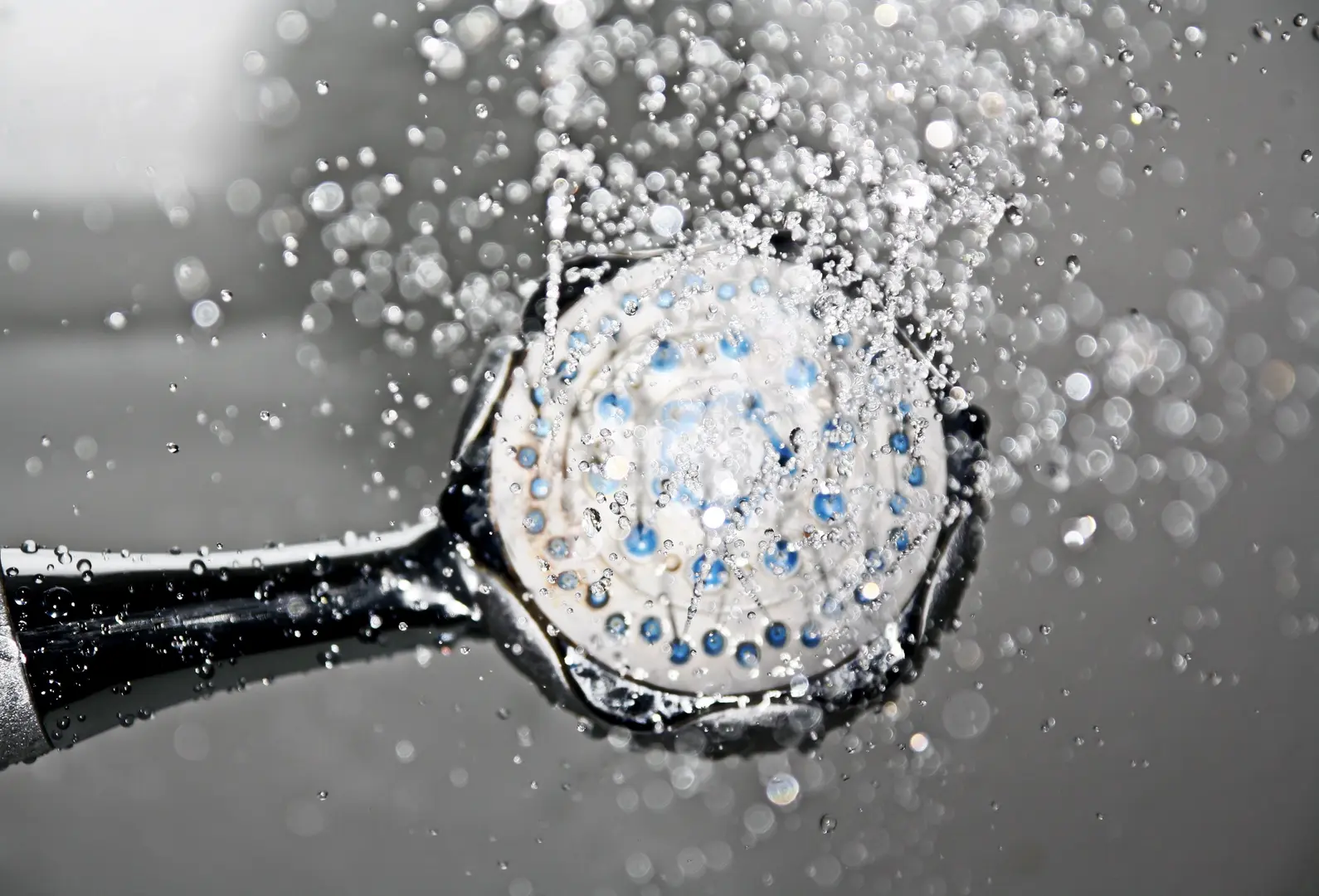
Hard water leaves calcium and lime deposits inside showerhead openings. Those deposits slowly shrink the small holes that turn water into a spray. The easiest fix is to remove the showerhead and soak it in white vinegar.
Let it sit for at least a few hours. For heavy buildup, leave it overnight. After soaking, use a small brush or a straight pin to clear any remaining mineral pieces from the nozzles. Rinse the showerhead thoroughly with water before attaching it back to the shower arm. This simple step often restores a surprising amount of pressure.
Find and Remove or Modify the Showerhead Flow Restrictor
Most modern showerheads include a small flow restrictor. It is usually a plastic or rubber disc that sits inside the fitting where the showerhead connects to the pipe. Its purpose is to limit water flow, often to around 2.5 gallons per minute, in order to save water. That deliberate restriction is why a brand-new showerhead can still feel weak.
If you suspect the restrictor is the problem, remove the showerhead and look inside the inlet. Some restrictors can be pried out with a screwdriver or needle-nose pliers. Others are more stubborn. When removal is not possible, some people drill through the middle of the restrictor to open up the passage. These methods are widely shared as do-it-yourself fixes, but they are not guaranteed for every showerhead. Drilling too aggressively can damage the fixture.
Removing the disc entirely increases flow but also increases water use. Widening the opening instead of removing it can preserve some water savings while improving pressure. If you use a handheld shower wand as well, check it for a second restrictor. Some products include one in the overhead head and another in the wand. A user with no plumbing experience might wonder whether taking these parts out will increase or decrease pressure. In most cases, opening the restriction increases flow, but the exact result depends on the showerhead design and the available supply.
One online report described buying a very cheap showerhead, enlarging the internal washer with a drill, and getting a stronger shower than expected. Another person described removing the flow restrictor from both the main showerhead and the handheld wand as a way to improve pressure. These are anecdotal experiences, so treat them as ideas to try carefully, not guaranteed repairs.
Check for Plumbing Leaks That Reduce Shower Pressure
A hidden leak can divert water before it ever reaches the shower. Even a slow drip reduces the amount of water available to the fixture, especially if the leak is on the hot or cold supply line feeding the bathroom.
Look under sinks, in the basement, around the water heater, and near the bathroom walls. Water stains, warped flooring, or a plumber’s bill that quietly goes up can all point to a hidden leak. If you find a wet spot or corrosion, fix the leak before trying any other pressure remedy.
Straighten or Replace a Kinked Shower Hose
A kinked or bent shower hose blocks the movement of water and can make the spray feel weak. This is common with handheld shower attachments that have been folded up tightly after each use.
Straighten the hose completely and run the shower to see if the pressure improves. If the hose is damaged, swollen, or keeps kinking in the same place, replace it with a more flexible model. The hose is often overlooked, but it is one of the easiest parts to fix.
Flush Sediment From the Water Lines
Over time, hard-water minerals and tiny particles can settle inside water lines. This sediment narrows the path that water must travel through. If the pressure has declined gradually over several years, flushing the lines may help remove some of the buildup.
The basic method is to turn off the house water, open all faucets to drain the standing water, and then restore the water supply so the flow pushes loosened debris out. This is a maintenance step rather than a cure for badly scaled pipes. It works best when sediment buildup is suspected but the pipes are still in decent condition.
When a Pressure Regulator Is Present, Adjust It Correctly
Some homes have a pressure-regulating valve installed near the main water line. This device keeps the household pressure from climbing too high, but it can also be set too low. If the pressure is weak at every fixture, the regulator may be the cause.
The regulator usually looks like a bell-shaped brass device with a lock nut and an adjustment screw. To raise the pressure, loosen the lock nut, turn the adjustment screw clockwise, and then retighten the lock nut. Make small adjustments and test the pressure after each turn. Avoid settings above 60 PSI because high pressure can damage pipes, valves, and appliances.
This fix only makes sense for whole-house low pressure. If the shower is weak but the sinks are fine, adjusting the regulator will not solve the problem. Several homeowners have gone down this path before realizing the true cause was a showerhead restrictor or a clogged valve.
Boost Supply With a Shower Pump or Pressure Booster
If the home’s supply pressure is genuinely low, a shower pump can make a major difference. A shower pump is installed on the shower supply line and boosts the flow before it reaches the showerhead. A whole-house pressure booster system does the same thing for every fixture in the home.
This is not a simple cleaning fix. Installing a pump requires access to the plumbing, an electrical connection for the pump, and careful sizing to match the household demand. In most cases, professional help is recommended. If your pressure gauge reads below 30 PSI and the shower flow is still weak, a pump may be the most effective long-term solution.
Replace Old Pipes to Restore Normal Water Flow
Old galvanized steel pipes are a common reason for poor shower pressure in older homes. Rust and scale collect inside the pipe walls over time and gradually reduce the opening. Even if the water supply is strong, the pipe cannot deliver enough water to the shower.
Replacing the old supply lines with PEX or copper restores smoother water movement and removes the internal buildup that was blocking flow. This is a major project, not a weekend fix. It often involves opening walls and rerouting plumbing. The upside is that it can improve pressure throughout the house and may add value to the property.
Manage Household Water Demand Around Shower Times
Sometimes the shower pressure is fine when nobody else is using water. The moment someone flushes a toilet, starts the washing machine, or turns on a sink, the shower flow drops. That is a demand problem, not a fixture problem.
Try taking showers at times when other fixtures are not running. You can also discourage family members from running the dishwasher or doing laundry while someone is in the shower. If the pressure only drops significantly during high-demand moments, the home’s main supply pipe may be too small for the household. That situation would call for a larger service line or a pressure booster, but for many homes, simply staggering water use is enough.