How to Clean a Porcelain Sink
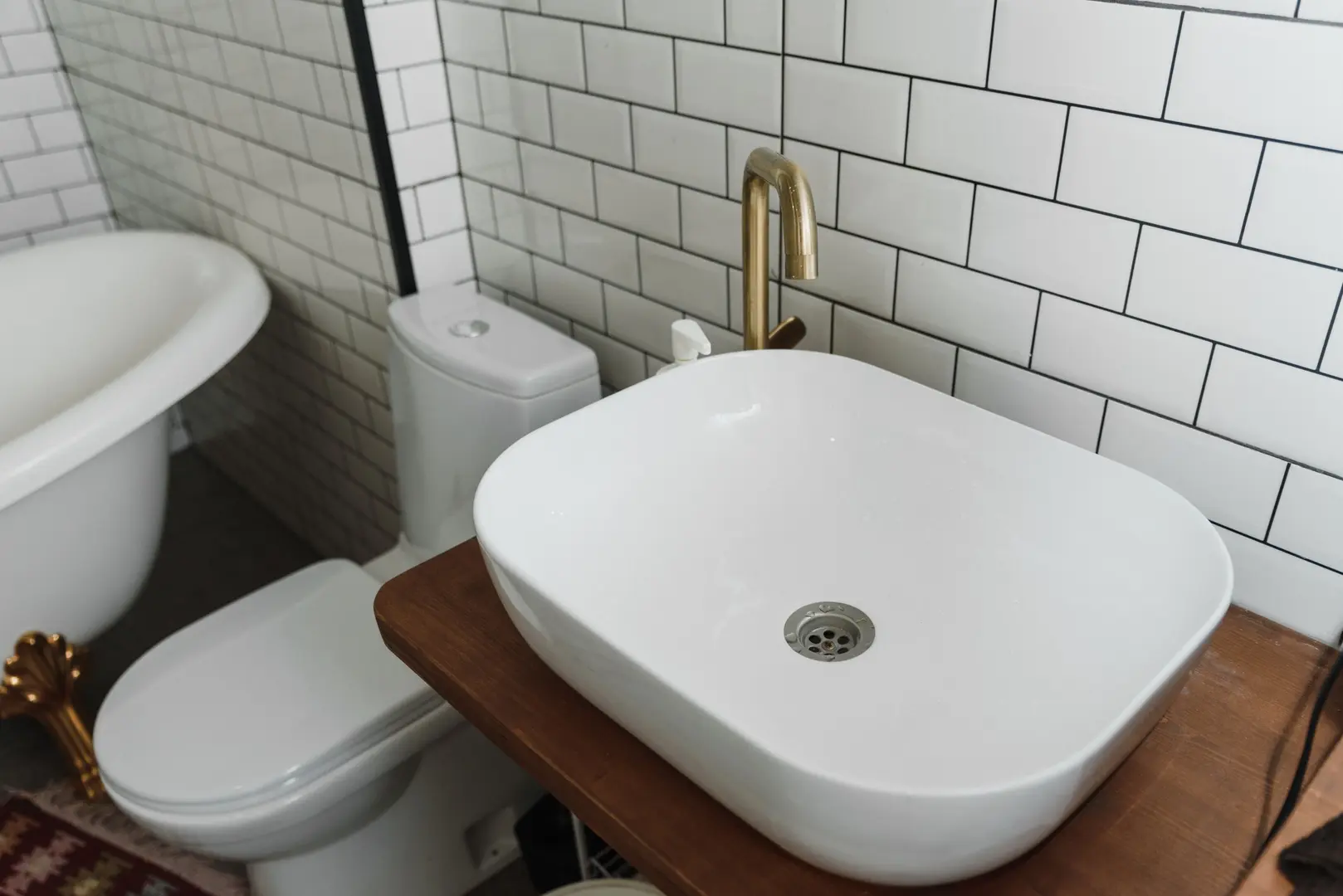
Porcelain sinks are durable, moisture-resistant, and relatively resistant to stains and scratches. Even so, soap residue, mineral deposits, rust, food, cosmetics, and metal marks can gradually dull the finish.
Learning how to clean a porcelain sink starts with matching the cleaning method to the type of mark. Gentle cleaning should always come first, followed by targeted treatments for discoloration or stubborn buildup.
Choosing an Effective Porcelain Sink Cleaning Approach
Porcelain’s smooth, glazed surface helps resist moisture and everyday staining. It can also withstand normal cleaning without scratching, provided you use soft tools and avoid aggressive abrasives. The glaze is durable but not indestructible: steel wool, scouring pads, harsh chemical cleaners, and vigorous scrubbing may leave the surface dull or damaged.
Before choosing a method, rinse the sink and inspect the marks. Loose dirt can make stains look worse than they are. Once the surface is clean, consider what remains:
| Type of dirt or mark | Cleaning approach to try |
|---|---|
| Everyday grime and light residue | Natural all-purpose cleaner |
| General staining | Baking soda and hydrogen peroxide |
| Rust marks | Lemon juice or a carefully used wet pumice stone |
| Tough mineral buildup or metal marks | Wet pumice stone |
| Severe discoloration on white porcelain | Hydrogen peroxide or, when appropriate, sparse bleach use |
Start with the mildest suitable option. If it does not work, move to a more targeted method rather than scrubbing harder.
Vinegar and baking soda are popular household choices, but results vary. Some users report that the mixture leaves stubborn marks untouched. This is partly why no single cleaning recipe should be treated as a universal solution.
Bar Keepers Friend also receives mixed feedback. Some people find it effective on marks that ordinary cleaners cannot remove, while others report that certain stains remain. If you choose to use a commercial product, confirm that its label permits use on porcelain and follow the manufacturer’s directions. Do not assume that additional pressure or repeated abrasive scrubbing will solve every problem; a persistent line may be a scratch or permanent glaze damage rather than removable dirt.
Method 1: Cleaning With Vinegar and Baking Soda
Vinegar and baking soda can be used for light residue and routine cleaning. Because the ingredients react and fizz when combined, prepare only what you need and use the mixture promptly.
- Rinse the sink to remove dust, hair, crumbs, and loose debris.
- Combine baking soda with enough vinegar to form a workable paste.
- Spread the paste over the sink, concentrating on visible marks and areas around the drain.
- Work it across the surface with a soft brush. Use light, controlled motions instead of forceful scrubbing.
- Rinse the porcelain thoroughly so no gritty residue remains.
- Dry the entire sink with a clean microfiber towel.
Drying matters because remaining water may leave mineral spots or make the finish appear cloudy.
Keep your expectations realistic. Although this method can loosen everyday grime, some users find that it does little for old stains, rust, metal transfer, or deep discoloration. If the mark remains after one careful cleaning, switch to a treatment suited to that type of stain rather than repeating the process aggressively.
Method 2: Applying a Natural All-Purpose Cleaner
A natural all-purpose cleaner is a practical option for regular maintenance. It is especially useful for soap residue, toothpaste, light kitchen grime, and other fresh messes.
Begin by rinsing the basin. Spray the cleaner evenly over the porcelain, including the sides of the sink and the area around the drain. Allow it to remain on the surface for the contact time stated on its label, if one is provided.
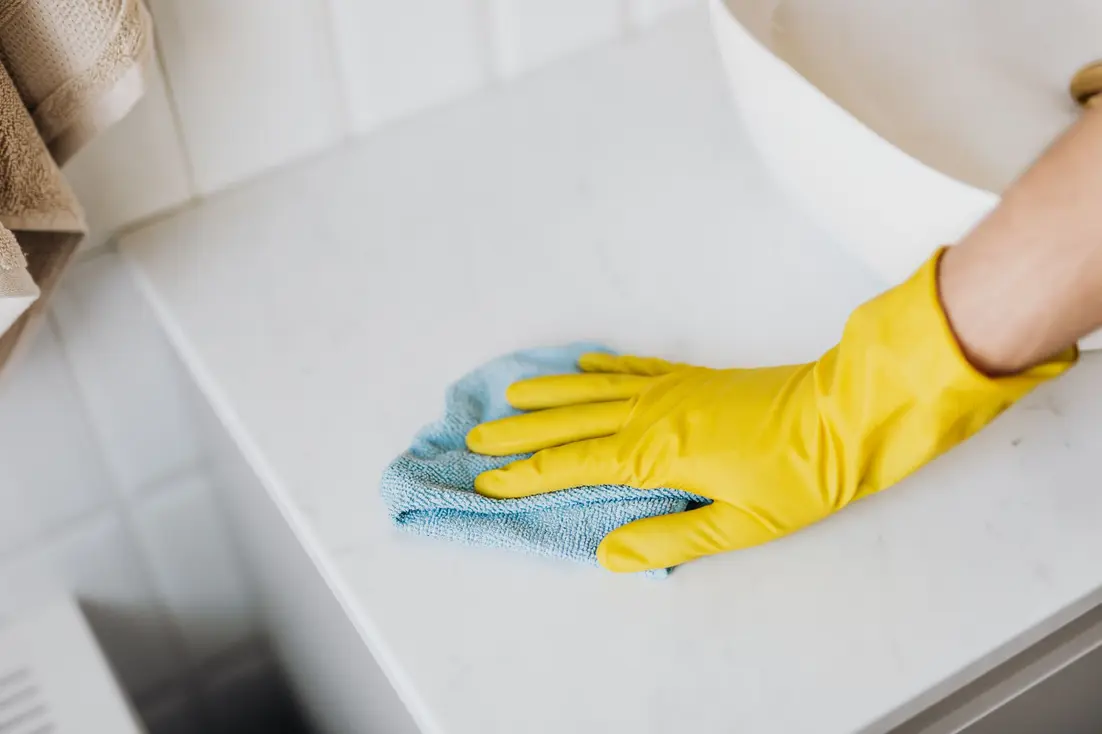
Wipe the sink with a microfiber towel. For textured areas or residue near the drain and faucet, use a gentle brush. Rinse away the cleaner and dry the surface thoroughly.
This approach limits the need for harsh chemicals and abrasive tools. Always check the product instructions before use, even when a cleaner is marketed as natural. More product does not necessarily produce a better result, and combining cleaners may create avoidable safety concerns.
For day-to-day care, this is usually a better starting point than strong stain removers. Reserve more intensive methods for marks that remain after normal cleaning.
Method 3: Treating Stains With Hydrogen Peroxide
Hydrogen peroxide and baking soda can help with stubborn stains and general discoloration, particularly on a white porcelain sink.
First, rinse the sink and sprinkle baking soda over the affected surface. Dampen a microfiber towel and use it to spread the baking soda across the stain. The towel should provide gentle friction without the harshness of a scouring pad.
Apply hydrogen peroxide to the stubborn area. Then scrub lightly in circular motions with the microfiber towel. Keep the movement controlled, especially around older or visibly worn porcelain. Rinse the basin well and inspect it after the surface has dried.
If discoloration remains, repeat the treatment later rather than immediately using excessive pressure. Scrubbing harder can dull the glaze without removing a stain that has penetrated or damaged the finish.
Wear protective gloves and keep the room ventilated while working with hydrogen peroxide. Do not combine it with lemon juice or other cleaning products. Use one treatment at a time, rinse the basin completely, and store cleaning products according to their labels.
Method 4: Removing Tough Buildup With a Wet Pumice Stone
A pumice stone can address rust, hard buildup, and some marks that look like scratches. It must remain wet throughout the cleaning process. Water reduces friction and helps the stone move across the porcelain instead of scraping a dry surface.
Wet both the sink and the pumice stone. Gently rub a small affected area using light pressure. Rewet the stone frequently and stop if it begins to drag. Rinse periodically so you can see whether the mark is disappearing.
This method may help remove surface-level metal transfer that resembles a scratch. It cannot repair an actual gouge, crack, or damaged glaze. If a line remains unchanged after gentle treatment, do not continue grinding at the surface.
A pumice stone is best reserved for isolated tough marks rather than routine whole-sink cleaning. Never use it dry, and avoid forceful scrubbing. When finished, rinse away all loosened residue and dry the porcelain with a microfiber towel.
Method 5: Using Lemon Juice on Rust Stains
Lemon juice offers a targeted treatment for rust marks. Apply it directly to the rust-stained area and allow it to sit before rinsing. Keep the area damp during the treatment rather than letting residue remain on the sink indefinitely.
After it has had time to work, wipe the mark gently with a soft cloth or microfiber towel. Rinse the basin thoroughly and dry it so you can evaluate the result clearly. A second treatment may be more appropriate than vigorous scrubbing if some discoloration remains.
Do not combine lemon juice with hydrogen peroxide. If you previously used another cleaner, rinse the sink thoroughly before beginning this method. Keeping treatments separate also makes it easier to determine which one is actually working.
Lemon juice is intended for rust staining, not for repairing chipped porcelain or worn glaze. A reddish mark that does not respond to cleaning may require closer inspection rather than stronger scrubbing.
Method 6: Using Bleach Carefully
Bleach should be treated as an occasional option rather than a standard porcelain cleaner. It may be considered for difficult staining on suitable white porcelain, but it should be applied sparingly.
Before starting:
- Put on protective gloves.
- Ventilate the room.
- Read and follow the bleach label.
- Confirm that the sink is appropriate for bleach.
- Keep other cleaning products away from the work area.
Use only the amount needed for the affected surface and rinse the sink thoroughly afterward. Do not leave bleach residue around the drain, faucet, or basin.
Avoid chlorine bleach on colored porcelain because it may affect the color or produce an uneven appearance. It is also a poor choice for vintage or antique porcelain, where the glaze may already be aged, worn, or vulnerable. Choose a gentler method for these sinks, or seek professional guidance when the finish is historically or materially valuable.
Frequently Asked Questions
Common Mistakes When Cleaning a Porcelain Sink
One common mistake is repeatedly trying vinegar and baking soda after the first attempt has failed. The mixture may work for light dirt, but users often report disappointing results on persistent marks. Repeating the same treatment or adding more pressure can waste time without addressing the actual stain.
Other frequent mistakes include:
- Scrubbing vigorously with an abrasive tool
- Treating every line as removable dirt
- Using one product for rust, mineral buildup, and discoloration
- Skipping the initial rinse that removes loose debris
- Failing to dry the sink before judging the result
- Moving from one cleaner to another without rinsing thoroughly
Bar Keepers Friend is another example of why expectations should remain measured. Some users say it removes stubborn porcelain marks effectively, while others find that certain marks persist. Follow the label if you use it, and stop if repeated gentle cleaning makes no difference. The remaining mark may be glaze damage rather than residue.
How Frequently Should You Clean Your Sink, and How Thoroughly?
Wipe and rinse the sink daily to prevent toothpaste, soap, grease, food particles, and other debris from accumulating. This quick habit reduces the need for aggressive cleaning later.
Give the sink a more thorough cleaning once a week. Spray it with a suitable gentle cleaner, wipe the full basin, clean around the drain, rinse, and dry.
A monthly deep clean can address areas missed during routine maintenance. Inspect the drain, edges, faucet base, and any recurring stains. Use targeted treatments only where needed instead of applying a strong product to the entire sink.
The schedule can be summarized as follows:
- Daily: Rinse or wipe away fresh residue.
- Weekly: Clean the whole basin with a gentle product.
- Monthly: Inspect closely and treat buildup or discoloration.
A heavily used sink may need more frequent wiping, but thorough cleaning does not have to mean harsh cleaning.
Which Cleaning Ingredients and Tools Should You Avoid?
Avoid steel wool, rough scouring pads, and other aggressive abrasives. They can dull or scratch the glazed surface. Abrasive chemical cleaners may also wear the finish, particularly when used frequently or combined with forceful scrubbing.
Chlorine bleach should not be used on antique or vintage porcelain. It is also unsuitable for colored porcelain because of the potential effect on the finish and color.
In general, avoid:
- Steel wool
- Coarse scouring pads
- Dry pumice stones
- Abrasive chemical cleaners
- Chlorine bleach on colored or antique porcelain
- Any product not labeled for the surface
- Unplanned combinations of cleaning ingredients
Soft brushes and microfiber towels are safer choices for routine work. When a gentle tool cannot remove a mark, identify the type of stain and select a targeted treatment rather than reaching for a harsher scrubber.
How Do You Restore a Porcelain Sink That Has Discolored?
For a white porcelain sink that has become discolored, begin with baking soda and hydrogen peroxide. Spread baking soda over the damp surface, apply hydrogen peroxide, and work gently in circles with a microfiber towel. Rinse thoroughly and let the sink dry before assessing the color.
For stronger stains, a 6% hydrogen peroxide solution may be used with appropriate safety precautions. Wear gloves, provide ventilation, and follow all label directions. Keep the product away from other cleaners, including lemon juice, and rinse the basin completely after treatment.
Restoration has limits. Cleaning can remove stains and surface residue, but it cannot replace missing glaze or reverse permanent wear. If discoloration remains unchanged after careful treatment, the finish itself may be damaged.
How Can You Keep a Porcelain Sink Looking New?
Wet the sink before cleaning to carry away dust and loose particles that might otherwise be rubbed across the glaze. Use a soft cloth, microfiber towel, or gentle brush, and dry the basin after cleaning to reduce visible water spots.
Pay attention to the drain as well. Hair, soap, food particles, and other debris around the opening can create recurring grime and make the entire sink look neglected. Keeping the drain area clean helps prevent these problems from spreading across the basin.
Finally, remove fresh spills and rust-producing objects promptly. Consistent light care is safer and more effective than waiting for buildup and relying on aggressive scrubbing.